

Resource
How to Clean a Sump Pump Pit
Silt and debris are why pumps jam — here's how to keep the pit clean.
Quick answer
Cleaning a sump pump pit once a year keeps silt and debris from jamming the pump or blocking the float. The basic process: cut the power, remove the pump, scoop out the muck, rinse, and reinstall. Done carefully, it's an hour of work that adds years of reliability.
Here's how to do it safely.
- Local Littleton Service
- Professional Installation
- Clear, Upfront Estimates
- Battery Backup Options
- Careful, Clean Workmanship
- Emergency Help Available
Step-by-Step Pit Cleaning
- Unplug the pump and the backup — never work on a powered pump
- Disconnect the discharge union if needed and lift the pump out
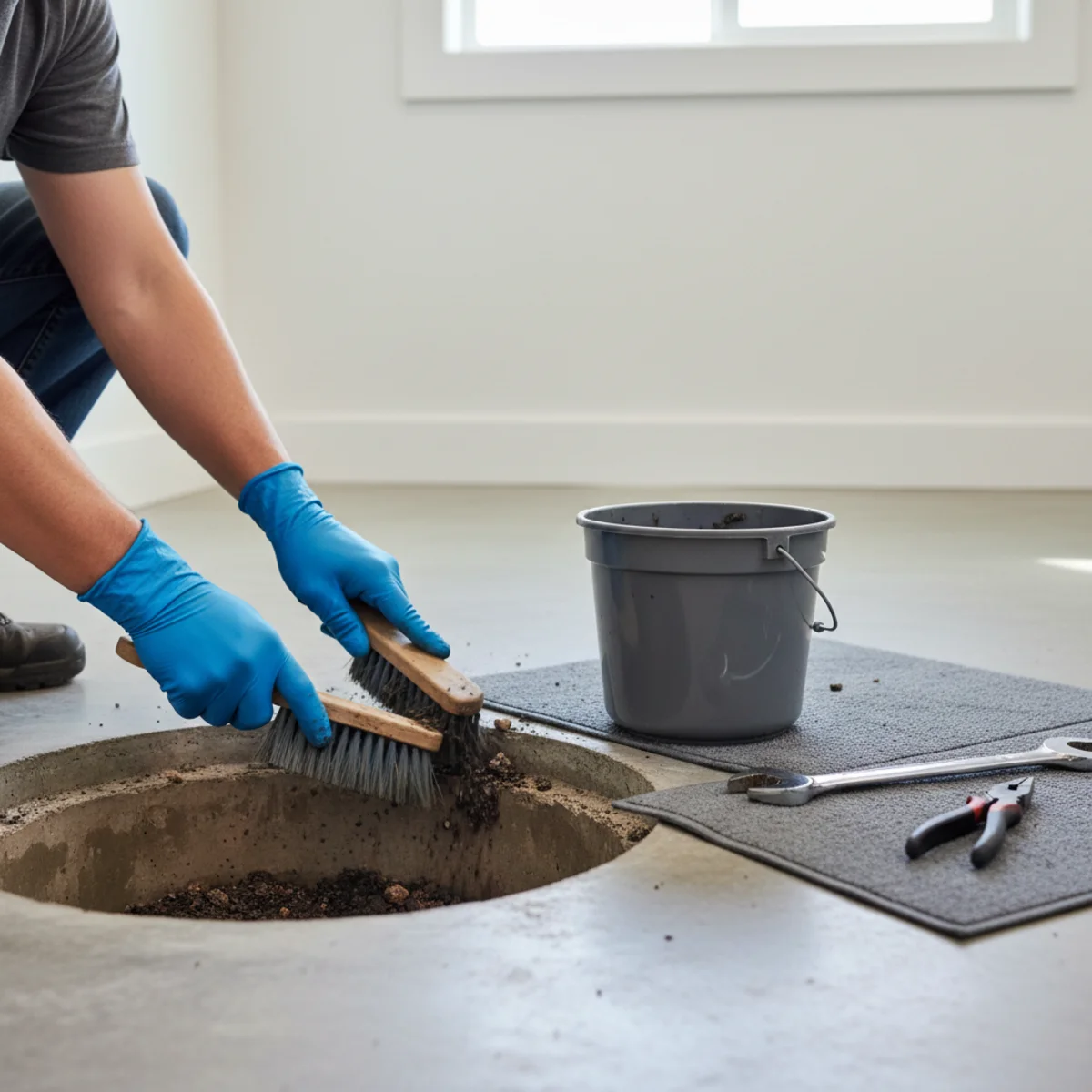
- Scoop silt, gravel, and debris from the bottom of the pit
- Rinse the pit and wipe the pump intake screen clean
- Check the float moves freely and the check valve isn't stuck
- Reinstall the pump level, reconnect, and restore power
- Run the bucket test to confirm it cycles correctly
Why Sump Pits Get Dirty
A sump pit is the lowest point in your drainage system, so everything the water carries ends up there. Fine silt and clay wash in through the drain tile. Gravel shifts loose from the bed under the basin. Iron and minerals in the groundwater leave orange or black slime on the walls. Over time, bits of construction debris, insects, and even small toys find their way in if the lid doesn't seal.
In Littleton's clay soils, silt is the main culprit. It settles at the bottom between cycles and slowly builds up around the pump's intake. Once it reaches the screen, the pump has to work harder to move the same water.
Signs Your Pit Needs Cleaning
- A layer of silt or gravel you can see at the bottom of the pit
- Slime or film on the basin walls or the water surface
- A musty or swampy smell near the pit
- The float hangs up or moves sluggishly
- The pump runs longer than it used to for the same water
- Debris visible around the intake screen
Tools and Supplies for the Job
You don't need much: rubber gloves, eye protection, a wet/dry shop vac or a small cup and bucket, a stiff plastic brush, a putty knife or scraper, a hose or a few buckets of clean water, and a tarp or a large bucket to set the pump on. Have rags ready for the discharge pipe, which will drip when you disconnect it.
Skip harsh chemicals and bleach. They can damage the pump's seals and float, and they don't stop the slime from coming back. Plain water and scrubbing do the job. If odor is the problem, a gasketed lid does more than any cleaner.
Cleaning the Pump While It's Out
With the pump out of the pit, it's worth a few extra minutes. Rinse the outside, then clear the intake screen with a brush so water can reach the impeller. Turn the pump over and look for stones or debris caught in the opening. Check the cord for cracks or nicks along its length.
Move the float through its full range by hand. It should rise and fall without catching. If the pump has a weep hole in the discharge pipe above it, make sure it's clear, since it helps prevent air locks. Before reinstalling, check that the pump will sit level on a solid base, such as a flat stone or brick, so silt can't settle right at the intake.
How Often to Clean in a Colorado Home
Once a year is right for most homes, ideally in late summer or fall when the pit is low and you have time before snowmelt. Pits that collect a lot of silt, serve a laundry or water softener discharge, or sit in older homes with aging drain tile may need cleaning twice a year. If you see silt building quickly, note it; it can be a sign that soil is washing into the drain system.
A pit that stays clean for years with little silt is a good sign that the drain tile and the soil around it are in good shape.
Reinstalling and Testing Afterward
Set the pump back in the center of the pit, on its stone or base, so the float has clear room on every side. Reconnect the discharge union hand-tight plus a little more, and check that the check valve arrow still points up and away from the pump. Route the cord so it can't drift into the float's path, and fasten it to the pipe if needed.
Plug the pump in, then run a full bucket test. Watch for leaks at the union, a float that catches, or a pump that runs without lowering the water. Replace the lid, and if you have a backup, test it too, since cleaning often bumps its float out of position.
Safety and Cautions
Always cut power first — a sump pump sits in water, and electricity and water don't mix. If the pit smells like sewage rather than groundwater, stop: that may be a sewage ejector basin, which is sealed for a reason and should be left to a pro.
Wear gloves and eye protection. Pit water can carry bacteria, and silt can hide sharp gravel or old fittings. If you use a shop vac, make sure it's rated for wet use and plugged into a GFCI outlet away from the pit.
Lift with care. Even a small cast-iron pump can weigh more than you expect, especially with water inside it. Bend at the knees and set it on a tarp or in a bucket, not on finished flooring.
When to Hand the Job to a Pro
If the pump is heavy, the discharge is hard-plumbed, or you'd rather not handle it, we clean and service pits as part of maintenance. Call (207) 419-2600.
We also recommend a professional cleaning if the pit has not been opened in many years, if the pump is wired into a controller or alarm you don't want to disturb, or if you find cracks in the basin, roots, or soil washing in. Those signs point to a bigger issue than routine silt.
From the field
What We Find at the Bottom of Pits
Most pits we clean have a few inches of fine silt at the bottom, and many have a pump sitting directly in it. That's the setup that wears out impellers and clogs intake screens. Raising the pump a couple of inches on a flat stone often makes the next cleaning much easier.
Every so often we find something that changes the job: a cracked basin letting soil in, roots in a drain tile opening, or a missing lid that let debris fall in for years. Those are worth catching early, and a cleaning is when we see them.


A Clean Pit Keeps the Pump Honest
Cleaning a sump pit is simple work that protects the pump and the float. Cut the power, lift the pump out, remove the silt and slime, clean the intake, check the float, and reinstall it level. Do it once a year, test it afterward, and pay attention to anything unusual you find at the bottom.
Want a second opinion on your own system? Call (207) 419-2600 and talk it through with a local sump specialist.
Local service nearby
More guides related to sump pit cleaning
Sump Pit Cleaning: Your Questions Answered
At least once a year, more often if your pit collects a lot of silt or sediment. A clean pit keeps the float free and the intake clear so the pump runs reliably.
Yes, if you cut the power first and the pump isn't hard-plumbed. Unplug it, lift it out, scoop the debris, rinse, and reinstall. If it's a sealed sewage ejector basin, leave that to a pro.
If groundwater seeps in quickly, work fast or schedule the cleaning during a dry stretch. For persistent fast refill, a wet/dry vac helps — or have us handle it during maintenance.
It's best not to. Bleach and harsh cleaners can damage the pump's seals and float, and they won't stop slime from coming back. Scrubbing with plain water and removing the silt is enough. For ongoing odor, a sealed lid helps more than chemicals.
Talk to a Local Pro About Sump Pit Cleaning
Get professional sump pump help from a local Littleton specialist. Clear, upfront estimates and careful, clean workmanship.
Available by appointment. Emergency sump pump help available.