
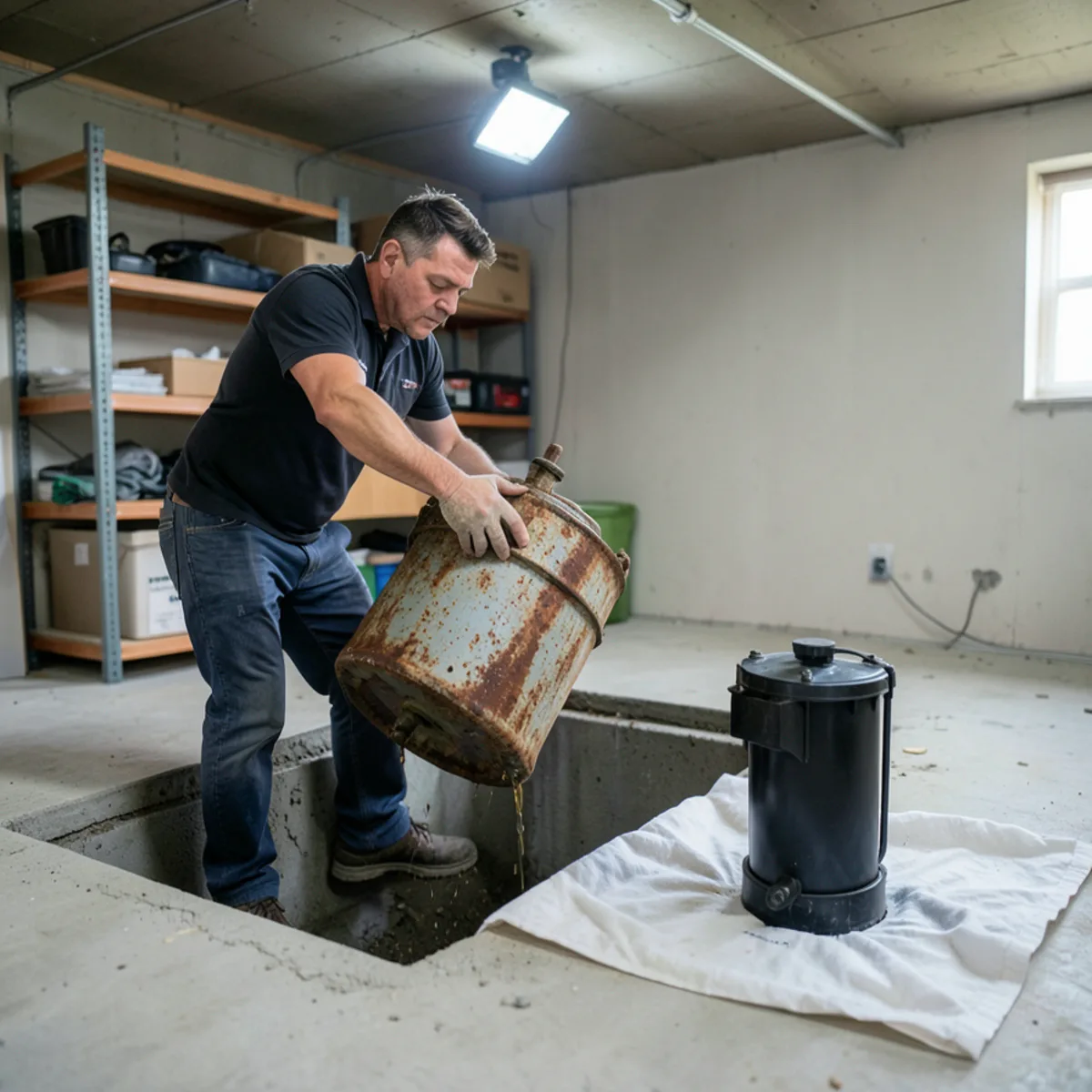
Sump Pump Service
Sump Pump Replacement in Littleton, CO
Swap a worn or failed pump for a reliable system before it quits during a storm.
Sump pump replacement in Littleton, CO is one of the highest-value things you can do before storm season. Most pumps last 7 to 10 years, and they almost always fail at the worst possible moment — during heavy runoff. Littleton Sump Pump Pros replaces tired pumps with reliable units sized for your basement.
If your pump is older than a decade, rusting, cycling oddly, or simply unknown (you inherited it with the house), replacing it on your schedule beats replacing it during a flood.
- Local Littleton Service
- Professional Installation
- Clear, Upfront Estimates
- Battery Backup Options
- Careful, Clean Workmanship
- Emergency Help Available
When replacement beats repair
Some problems are worth repairing — a stuck float, a bad check valve. But once a pump is past its expected life, throwing parts at it is a losing game.
Age alone isn't the whole story. A pump that has run hard through several wet springs can be worn out at six years, while one in a pit that rarely fills may still be healthy at twelve. What matters is how it behaves under a real load, which is why we watch it run before recommending a swap.
- The pump is 7–10+ years old
- Visible rust or corrosion on the housing
- It runs constantly or short-cycles even when water is low
- Loud grinding, humming, or rattling during operation
- It has failed before and you've already replaced parts
- It's an undersized builder-grade unit that can't keep up with clay-soil runoff
How to tell how old your pump is
Most pump labels carry a manufacture date or a date code, usually on the cord tag or a sticker on the housing. If the label has worn off, the clues are the house's age, receipts from previous owners, and the condition of the cord and discharge fittings. Brittle cord jackets, heavy scale on the housing, and a check valve with yellowed or cracked PVC all point to an original builder installation.
If you bought the house and nobody can tell you when the pump was last replaced, treat it as unknown and test it before spring. That one bucket test answers most of the question.
Replace and upgrade at the same time
Replacement is the right moment to fix whatever the original install got wrong. We'll right-size the pump for your water load, add a check valve if one is missing, and recommend a battery backup so the next power outage isn't a flood.
For finished basements or homes with a high water table, this is often when a primary-plus-backup combination or a higher-capacity pump makes the most sense.
The best time to replace: before the runoff
Late winter, before spring snowmelt, is the easiest window. The pit is usually low, scheduling is flexible, and the new pump gets its first hard test in conditions you expect rather than at 2 a.m. during a storm. A replacement booked in a flooded basement costs more in cleanup than the pump itself.
What a sump pump replacement includes
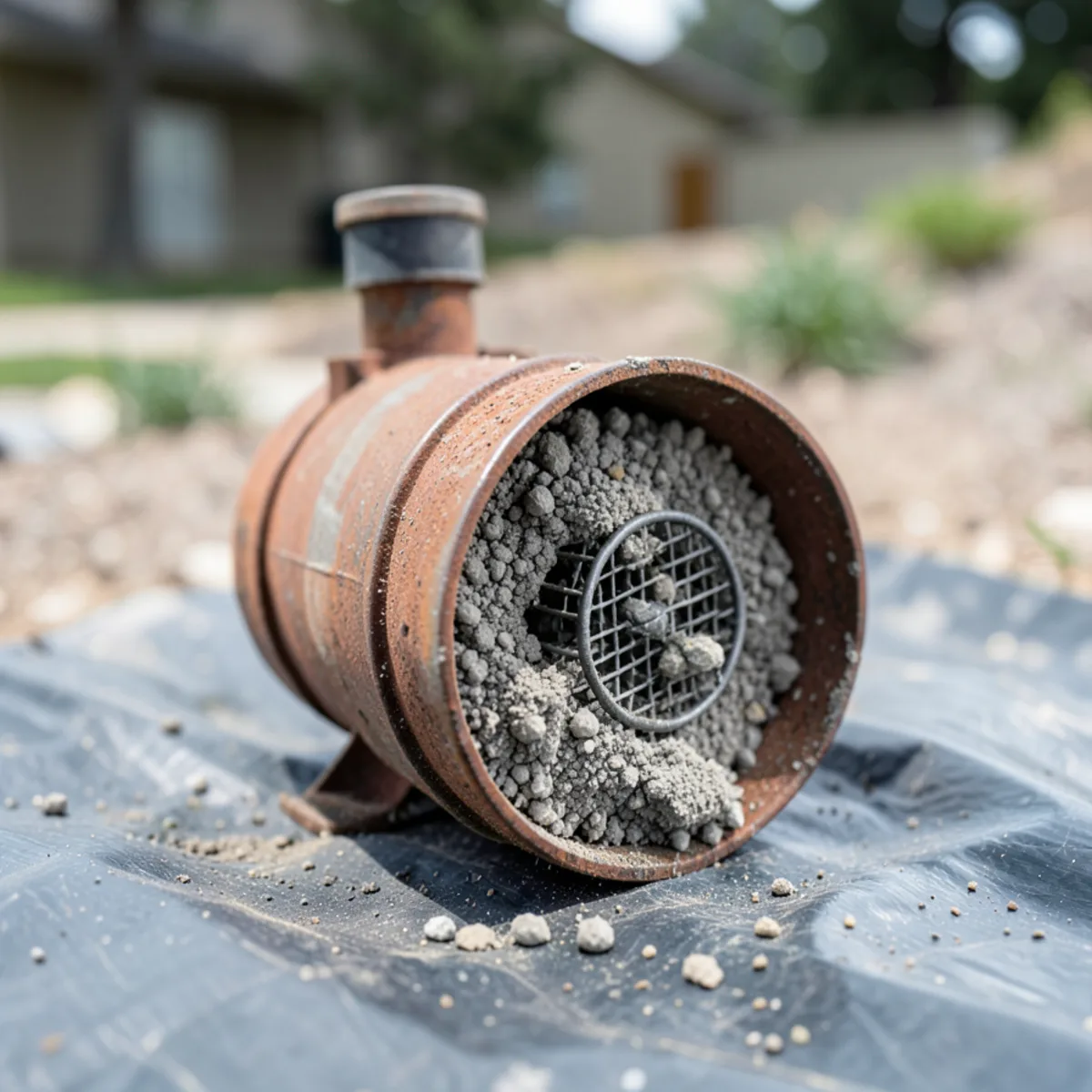
A replacement is more than lifting one pump out and dropping another in. The old pump comes out with its float and check valve, and we look hard at what it was sitting in: silt, gravel, a cracked liner, or a pit too small for the new pump to cycle properly.
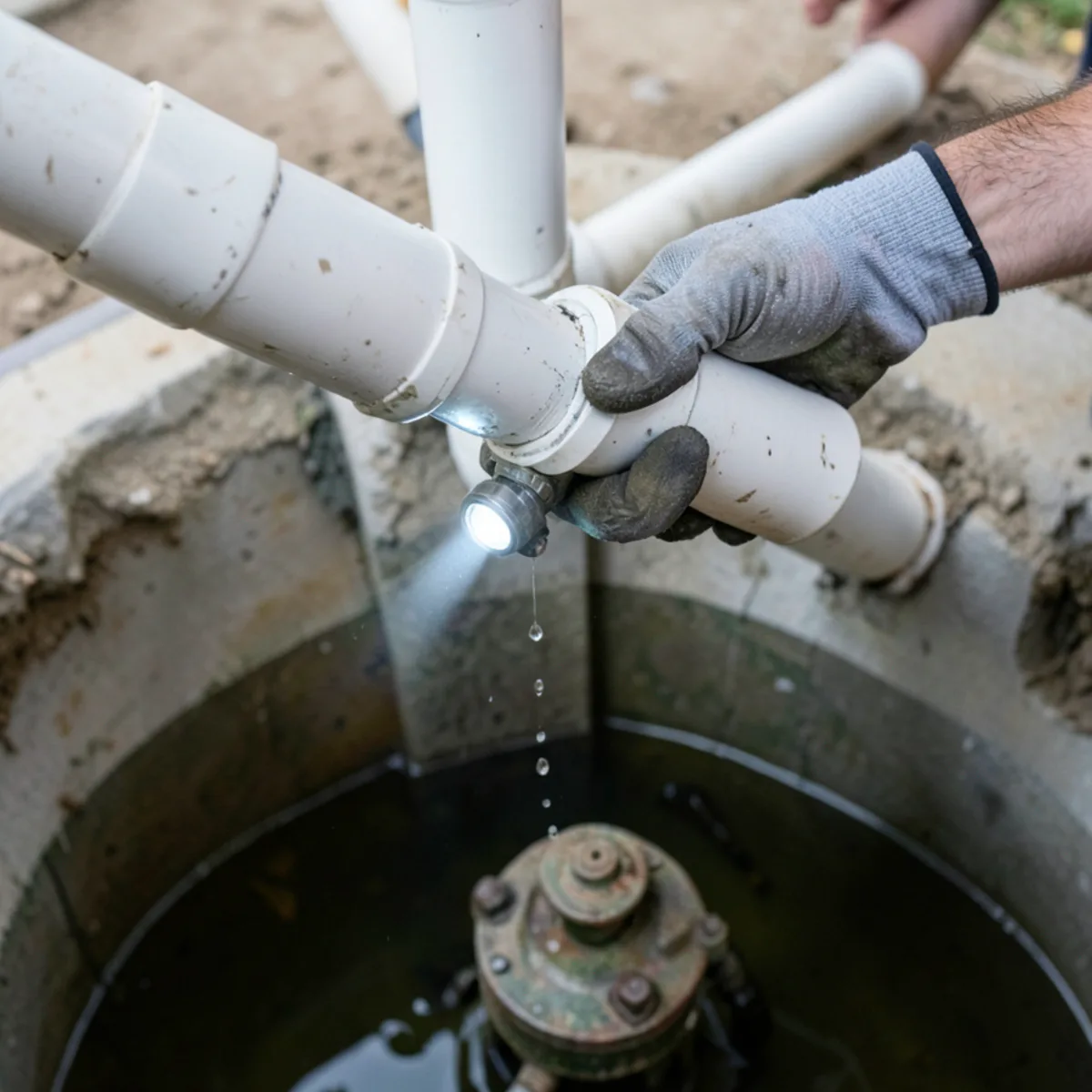
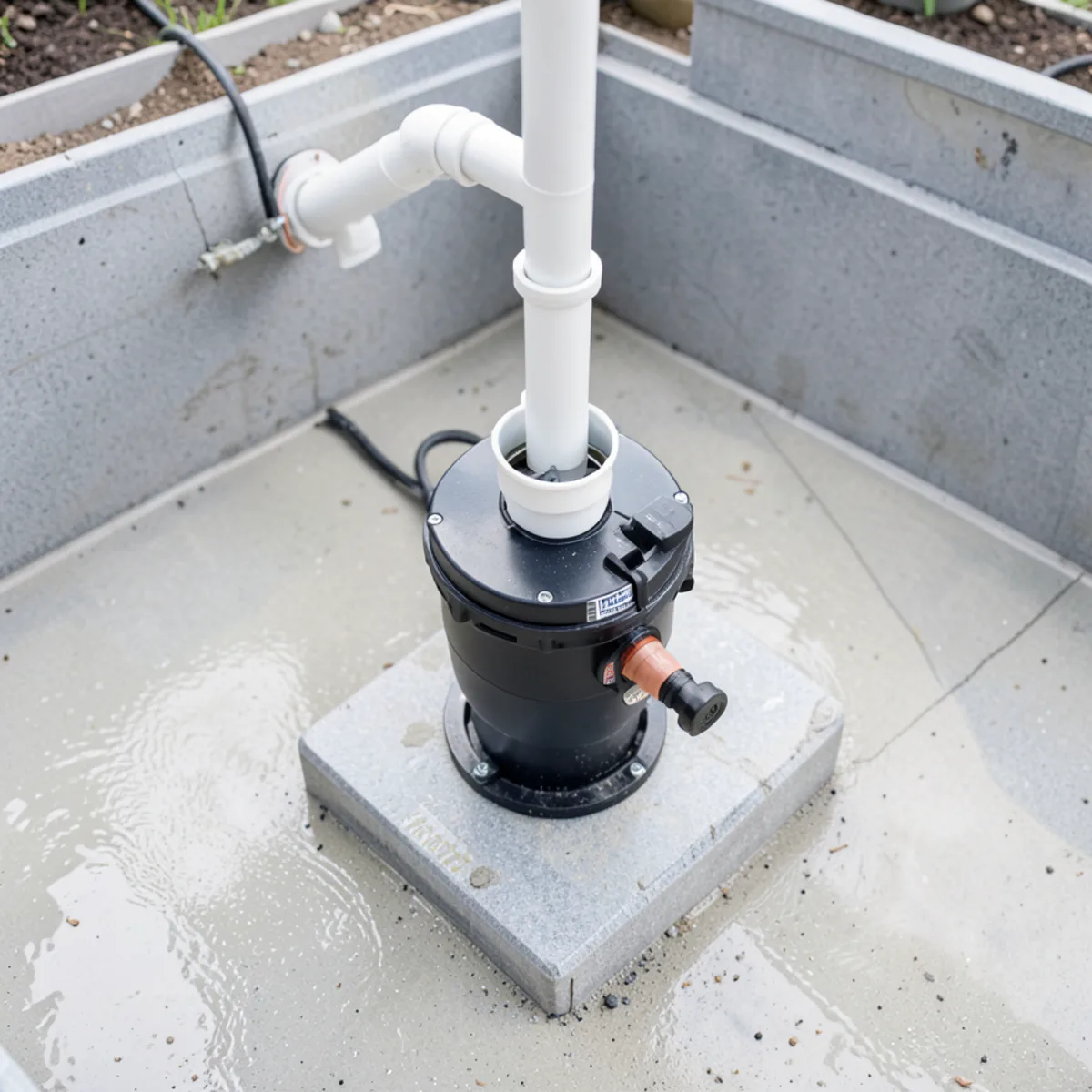
The new pump is set level, off the bottom where debris collects, and tied into the existing discharge with a new check valve and a union, so the next service doesn't mean cutting pipe.
- Remove and haul away the old pump
- Clean silt and debris from the pit and check the liner
- Set the new pump level, with a stand where the pit floor is dirty
- New check valve and union on the discharge
- Confirm the outlet is GFCI-protected and the cord isn't on an extension
- Bucket test from empty to shut-off, then a walkthrough
What changes the cost of a replacement in Littleton
A straight swap into a sound pit with a working discharge is the simplest job we do. The price moves when the new pump is a different size than the old one, when the pit needs cleaning or a new liner, or when the discharge plumbing is undersized or cracked.
Material is the other big lever. A cast-iron submersible costs more than a thermoplastic pump but usually lasts longer in the mineral-heavy water common along the Front Range. Adding a battery backup, a water-powered backup, or a high-water alarm during the same visit adds equipment but saves a second trip. We price each option separately so you can choose what fits.
Code points worth checking during a swap
Electrical codes generally call for GFCI protection on basement receptacles, and a sump pump plugged into an extension cord is a common shortcut we replace. If a pump keeps tripping its GFCI, the fix is finding the fault in the pump or cord, not bypassing the outlet.
On the water side, a replacement is a good time to confirm the discharge still releases outside and away from the foundation. Older homes sometimes have pumps piped into a floor drain or laundry sink; groundwater generally isn't allowed into the sanitary sewer, so we reroute it outside.
How Our Sump Pump Replacement Process Works
- 1
Watch it run
We bucket-test the existing pump and note how it starts, how long it runs, and whether the check valve holds.
- 2
Inspect the pit
We check depth, liner condition, debris, and whether the pit suits a new pump of the right size.
- 3
Choose the replacement
Cast-iron or thermoplastic, 1/3 or 1/2 HP, matched to the water load we just measured.
- 4
Swap the pump
Old pump out, pit cleaned, new pump set level with a new check valve and union.
- 5
Add protection
Backup pump, alarm, or sealed lid if you choose them, installed in the same visit.
- 6
Test from empty
We fill the pit, watch a full cycle, and check the outlet outside.
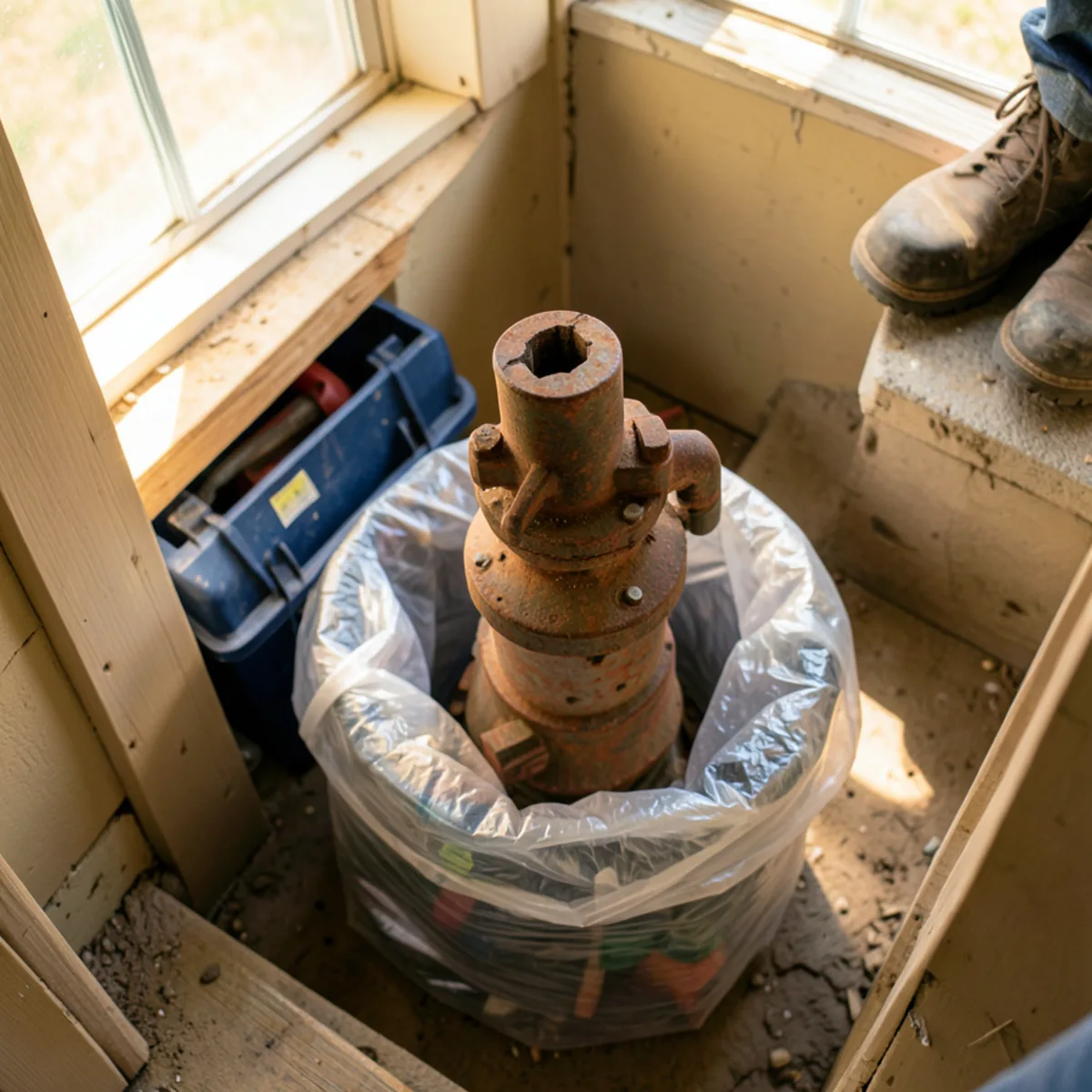
Sump Pump Replacement: what the work looks like
Why Homeowners Choose Us for Sump Pump Replacement
We replace pumps every week, and most of them are builder-grade units that were never sized for the water they ended up handling. That experience is why we test the old pump before choosing the new one instead of matching the model number on the label.
We work out of Littleton at 8 W Dry Creek Cir, by appointment, with emergency sump pump help available when a pump quits mid-storm. You'll get an upfront estimate with each option priced separately, and we leave the basement as clean as we found it.
- Reliable replacement before the pump fails during a storm
- Right-sized for your basement and Littleton's clay soil
- Cast-iron options for longevity in mineral-rich water
- Backup systems added during the swap when recommended
- Clear, upfront pricing
Services That Pair With Sump Pump Replacement
Guides on Sump Pump Replacement
Helpful Guides & Costs
Where We Provide Sump Pump Replacement
See every community on the service areas page.
Sump Pump Replacement FAQs
Most sump pumps last 7 to 10 years with routine testing and maintenance. Cast-iron units often outlast thermoplastic ones in Colorado's mineral-rich water. If yours is near that age, replacing it proactively is far cheaper than a flooded basement.
Yes — replacement is the ideal time to right-size. If your current pump struggles during heavy runoff or you've finished the basement, we can step up to a higher-capacity or dual-pit system.
It depends on the pump you choose, whether the pit and check valve need work, and whether you add a backup. We give clear, upfront estimates after a quick look. Call (207) 419-2600.
For most Littleton homes, yes. Storms cause outages exactly when the pump is needed. Adding the backup during the replacement is more efficient than doing it as a separate visit.
A like-for-like swap into a clean, sound pit usually takes a couple of hours, including the test. Cleaning a heavily silted pit, replacing the liner, reworking the discharge, or adding a backup system can stretch it to most of a day.
Yes, if the pit and discharge are sound and you match the pump's size and connection. Unplug it first, keep the check valve direction right, and test it with a full bucket before relying on it. Call a pro if the pit is damaged, the discharge leaks, or the pump keeps tripping the outlet.
Replace it before it quits
If your pump is past seven or eight years, hums, or runs nonstop in spring, plan the swap now. We'll size the new pump to your pit and replace the check valve at the same time.
- Old pump removed and disposed of
- New check valve with every pump
- Pit cleaned before the new pump goes in