
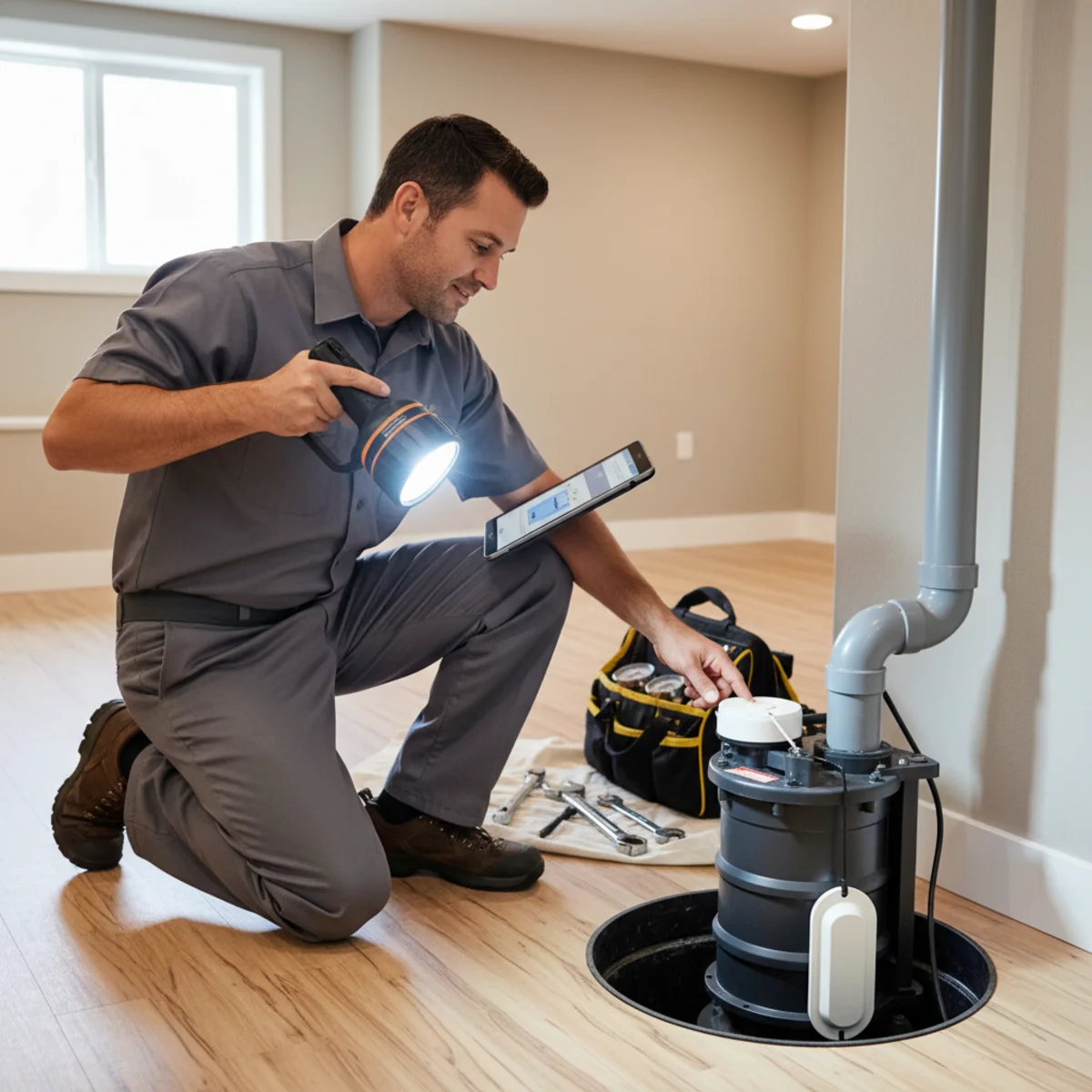
Is a Sump Pump a Red Flag When Buying a House?
Quick answer
No, a sump pump isn't a red flag by itself. In Littleton and much of the Denver Metro, clay soil and spring snowmelt mean many homes have one, and a well-kept system is often a good sign. The real warning signs are a neglected pump, a discharge that dumps at the foundation, and evidence of past water.
You are touring a house, you walk into the basement, and there it is: a sump pit in the corner. For some buyers that is an instant worry. Does it mean the basement floods?
Not necessarily. In Littleton and much of the Denver Metro, clay soil and spring snowmelt mean many homes have or need a sump pump. A well-kept system is often a good sign. A neglected one, or signs that water is getting past it, is what you should look for.
- Local Littleton Service
- Professional Installation
- Clear, Upfront Estimates
- Battery Backup Options
- Careful, Clean Workmanship
- Emergency Help Available
What a Sump Pump Actually Tells You
It tells you groundwater reaches the foundation at least some of the time, which is true of many homes on the Front Range whether or not they have a pump. It also tells you someone took steps to manage it.
Some builders install sump pits in new construction as standard. Other homes had one added after a wet spring. The pump's presence matters less than its condition and the basement's history.
Why So Many Littleton-Area Homes Have One
Sump pits are common here for reasons that have little to do with any single house. Much of the south and west metro sits on expansive clay that drains slowly and holds water against foundations. Spring snowmelt soaks the ground for weeks, and summer thunderstorms add sudden bursts of runoff. In neighborhoods near the South Platte, Clear Creek, or the area's many gulches, the seasonal water table rises too.
Builders in many newer subdivisions installed pits as standard practice for exactly those reasons, and owners of older homes often added them after a wet spring. So a pit tells you the property is in an area where groundwater is a fact of life, not that this particular basement is a problem.
What to Look at During a Showing
- Is there water in the pit? A little is normal; a full pit in dry weather is not
- Look for water stains, efflorescence, or tide lines on walls and the bottom of drywall
- Smell for mustiness, especially in a finished basement
- Check for a battery backup unit or a second pump
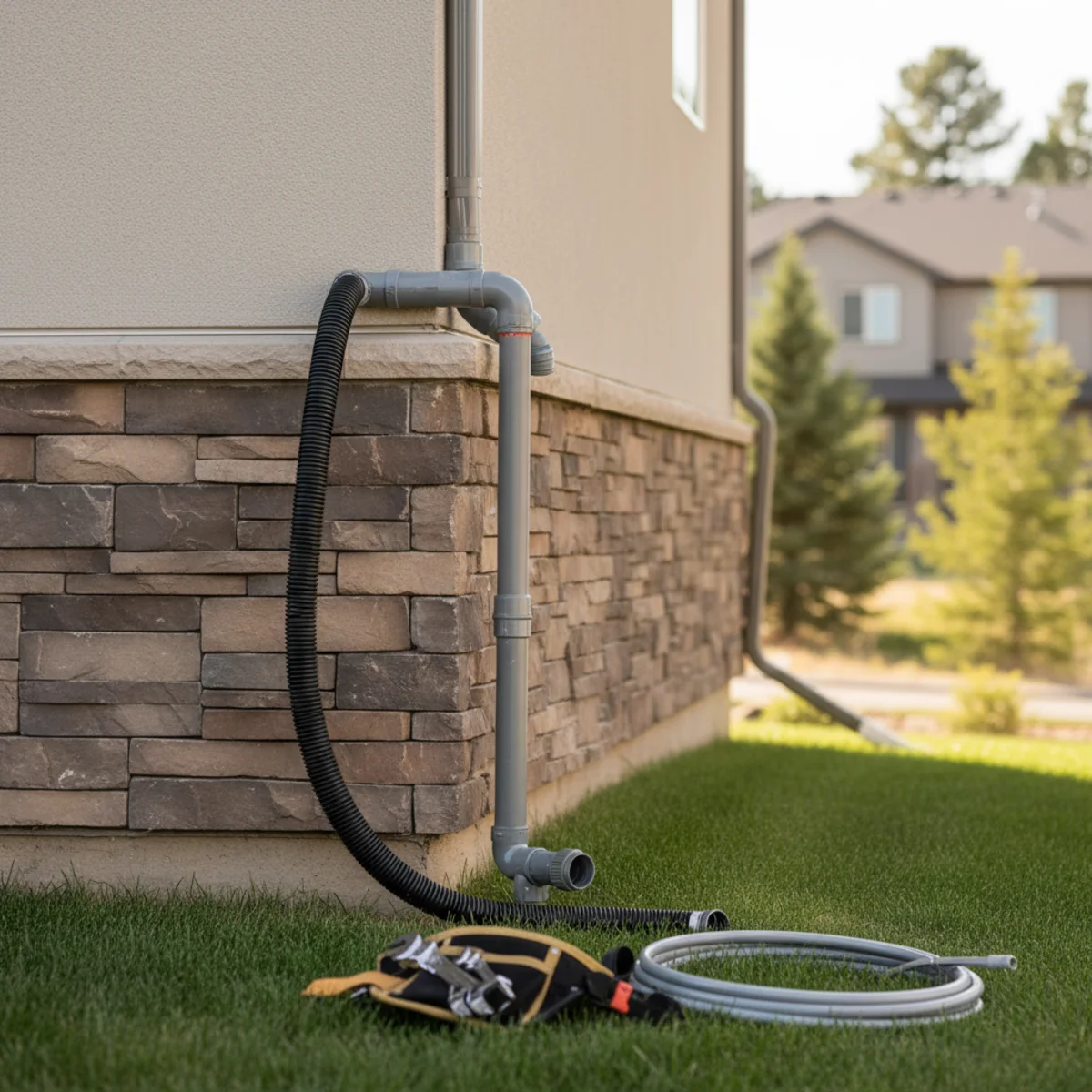
- Find the discharge outside: does it end well away from the house?
- Ask for the pump's age and any service records
Questions for the Home Inspection
Ask your inspector to pour-test the pump, confirm the check valve works, and note the pump's age. Many inspectors will also note the discharge location and whether the basin has a lid.
If the basement is finished, ask about moisture readings near the floor along exterior walls. Moisture behind drywall is easy to hide and expensive to fix.
Questions to Ask the Seller
A few direct questions often tell you more than a showing. Ask them in writing through your agent so the answers become part of the record.
- How old is the pump, and has it ever been replaced?
- Has the basement ever had water, and if so, when and how much?
- Is there a battery or water-powered backup, and how old is the battery?
- Where does the discharge line end outside?
- Was the basement finished with a permit, and when?
- Are there receipts or records for any sump or drainage work?
Read the Disclosures
Colorado sellers complete a property disclosure that asks about water intrusion and drainage. Read that section carefully and ask follow-up questions about anything checked or vague.
A seller who replaced the pump recently and can show receipts is giving you useful history. A finished basement with new paint and no explanation deserves a closer look.
If the disclosure mentions past water but no repair, ask what was done afterward; a new pump with a backup is a very different story from a basement that was simply dried and repainted.
The Real Red Flags
- A pit that is full or running constantly in dry weather
- Rust, a missing check valve, or a pump plugged into an extension cord
- A discharge that ends at the foundation or into a floor drain
- Fresh paint or new drywall only along the lower walls
- Water lines on stored items, furnace bases, or the water heater
What's Reasonable to Negotiate
An aging pump, no battery backup, or a discharge that needs rerouting are known costs you can price. Many buyers ask for a credit or a repair before closing.
If you want a second opinion beyond the general inspection, a dedicated sump pump inspection gives you a clear picture of the system and what it needs.
What to Do in Your First Month as the Owner
Once the house is yours, test the system before you need it. Pour a bucket of water into the pit, watch the pump start and stop, and check the backup by unplugging the primary. Find the discharge outlet outside and make sure it's clear and releases water well away from the foundation.
Write down the pump's age and the backup battery's install date, and set a reminder to test both before the next spring. If anything looks marginal, it's far easier to replace it on your schedule than during your first big storm in the house.
Write down the pump's install date if the seller knows it, or the date you replace it. That one detail makes every future decision about repair or replacement easier.
From the field
What We Notice First in a House for Sale
When we look at a home during a purchase, the pump is only part of the picture. We look at the pit's size, whether the float can move freely, whether there's a check valve, and how the pump is plugged in. Then we go outside, because a discharge that ends a foot from the foundation undoes everything the pump does.
The other thing we look for is fresh work in the wrong places: new paint only on the lower walls, new baseboard on one side of the room, or a dehumidifier running hard in a house that's otherwise staged. None of those prove a problem, but each is worth a question.


Buy the House, Not the Fear
A sump pump in a Littleton-area home is usually a sign that someone planned for groundwater. Judge the system and the basement's history, not the pit's existence. A healthy pump, a backup, and a discharge that carries water away are good news; an old, neglected setup is a known cost you can negotiate.
Questions about your own system? Call (207) 419-2600 and talk it through with a local sump specialist.
Related services
Local help nearby
Is a Sump Pump a Red Flag When Buying a House: Common Questions
No. In clay-soil areas like Littleton, a sump pump often means the home is protected. Focus on the pump's age and condition, the discharge, and signs of past water in the basement.
Not necessarily. It means groundwater reaches the foundation at times, and the pump is there to manage it. Stains, odors, and damaged finishes are better indicators of actual flooding.
Most pumps last about 7 to 10 years. If the pump is near or past that age, plan for replacement and consider asking the seller for a credit.
A working, well-maintained system with a backup can be a selling point in areas with groundwater. A neglected one or signs of water damage can lower offers.
Yes. Ask the inspector to run it, confirm the check valve, and note the discharge location. For a finished basement or an older system, a dedicated sump inspection gives you a fuller picture before your objection deadline.
Keep reading
 Sump Pump Basics
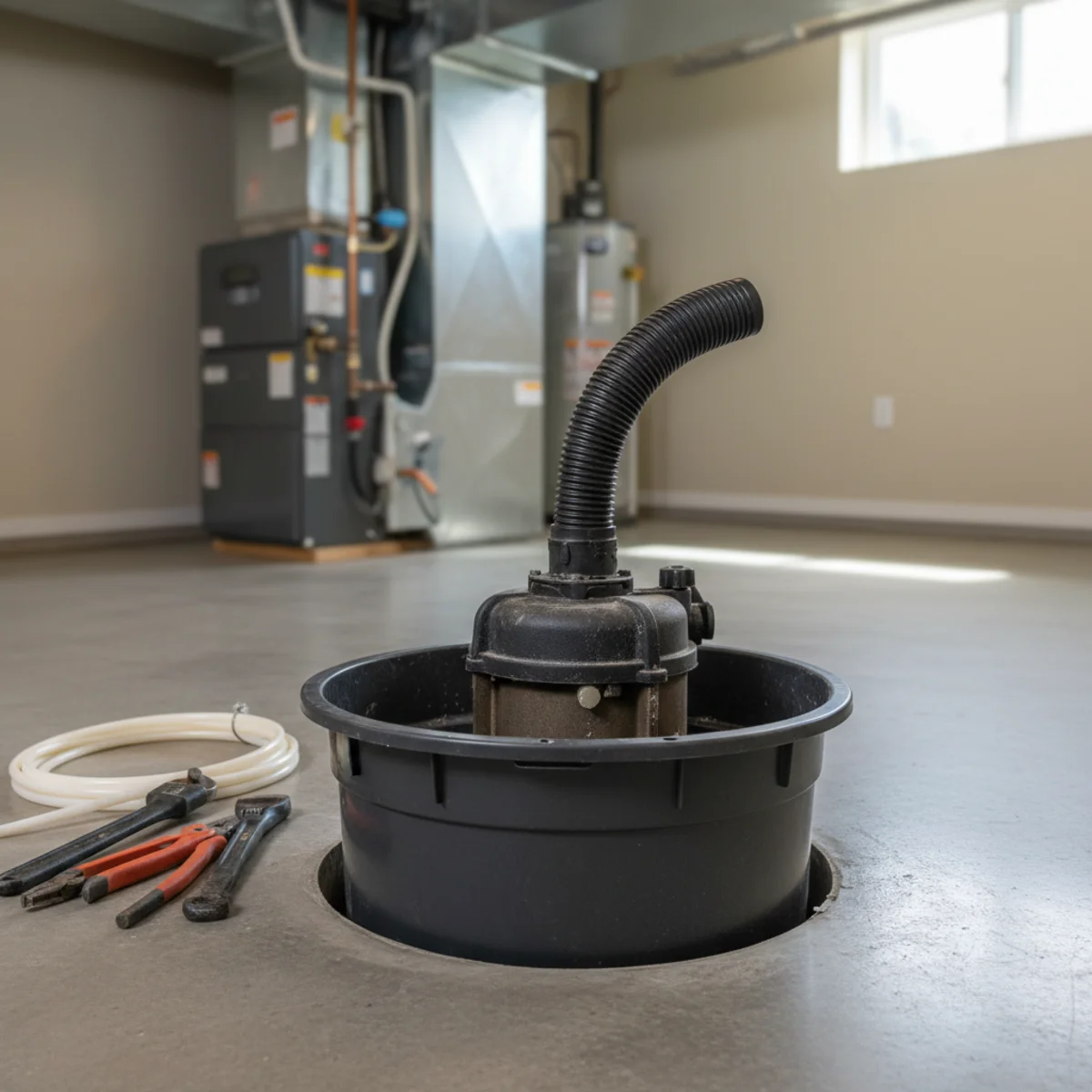
How Long Does a Sump Pump Last?
Most sump pumps last about a decade, but Littleton conditions can shorten that. Learn the real lifespan, what wears a pump out, and the signs it is time to replace.
 Costs & Replacement
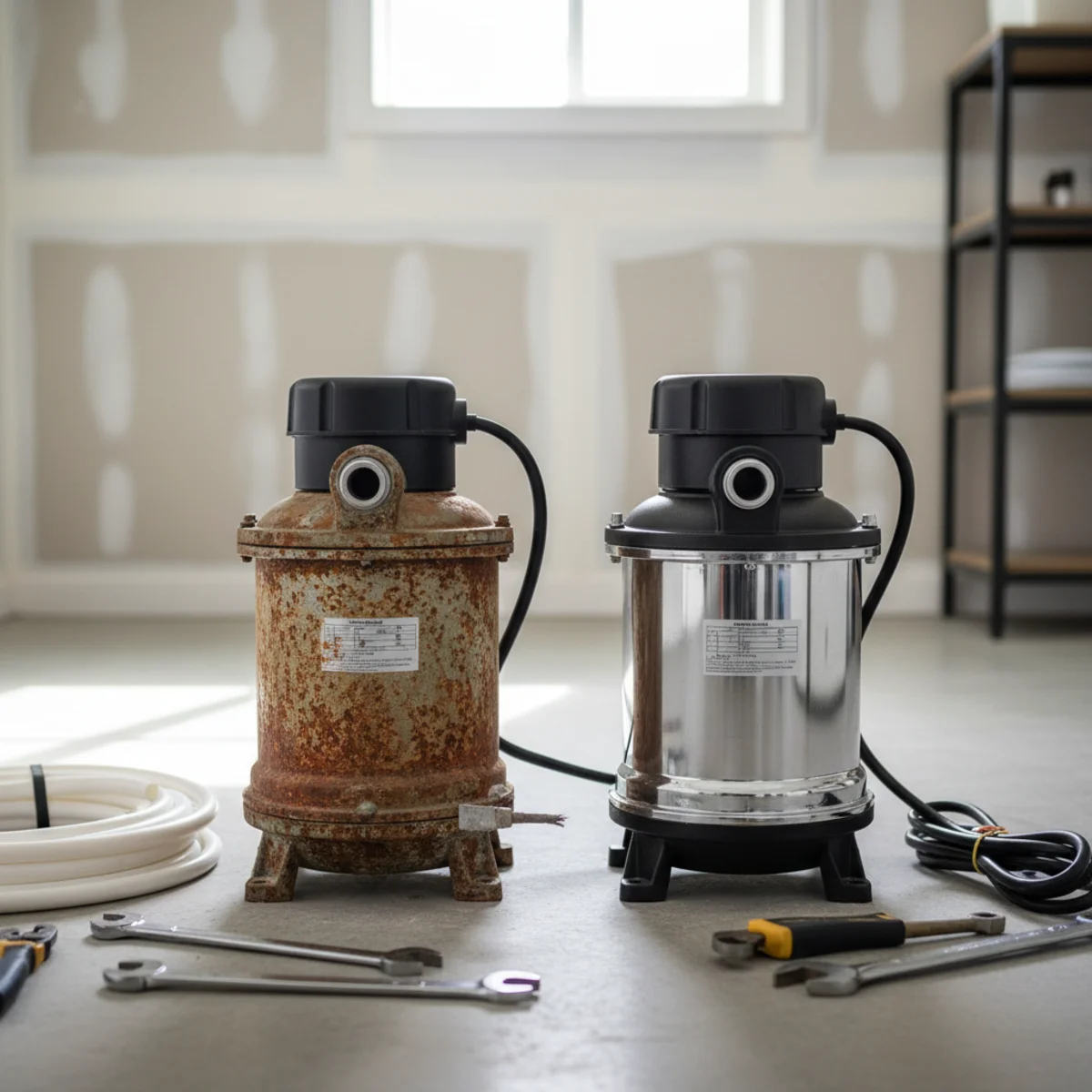
Signs Your Sump Pump Needs Replacement
A sump pump rarely dies on a sunny day — it fails during the storm it was supposed to handle. Here are the warning signs that mean replace it now, before the next one.
 Littleton Homeowner Guides
Common Basement Water Problems in Littleton Homes
From expansive clay to spring snowmelt, Littleton basements face specific water threats. Here are the common problems and how to get ahead of them.
Get Local Help: Littleton Homeowner Guides
Get professional sump pump help from a local Littleton specialist. Clear, upfront estimates and careful, clean workmanship.
Available by appointment. Emergency sump pump help available.