
Sump Pump Service
Battery Backup Sump Pump Installation
Because storms cause outages exactly when the pump is needed most.
A primary sump pump is only as reliable as the power behind it — and Front Range storms knock out power exactly when the pump is needed most. A battery backup sump pump keeps the pit clear when the lights go out. Littleton Sump Pump Pros installs battery backup systems for homes across Littleton and the Denver Metro.
If your basement is finished, or you've ever lost power during a storm, this is the single best upgrade you can make.
- Local Littleton Service
- Professional Installation
- Clear, Upfront Estimates
- Battery Backup Options
- Careful, Clean Workmanship
- Emergency Help Available
How a battery backup system works
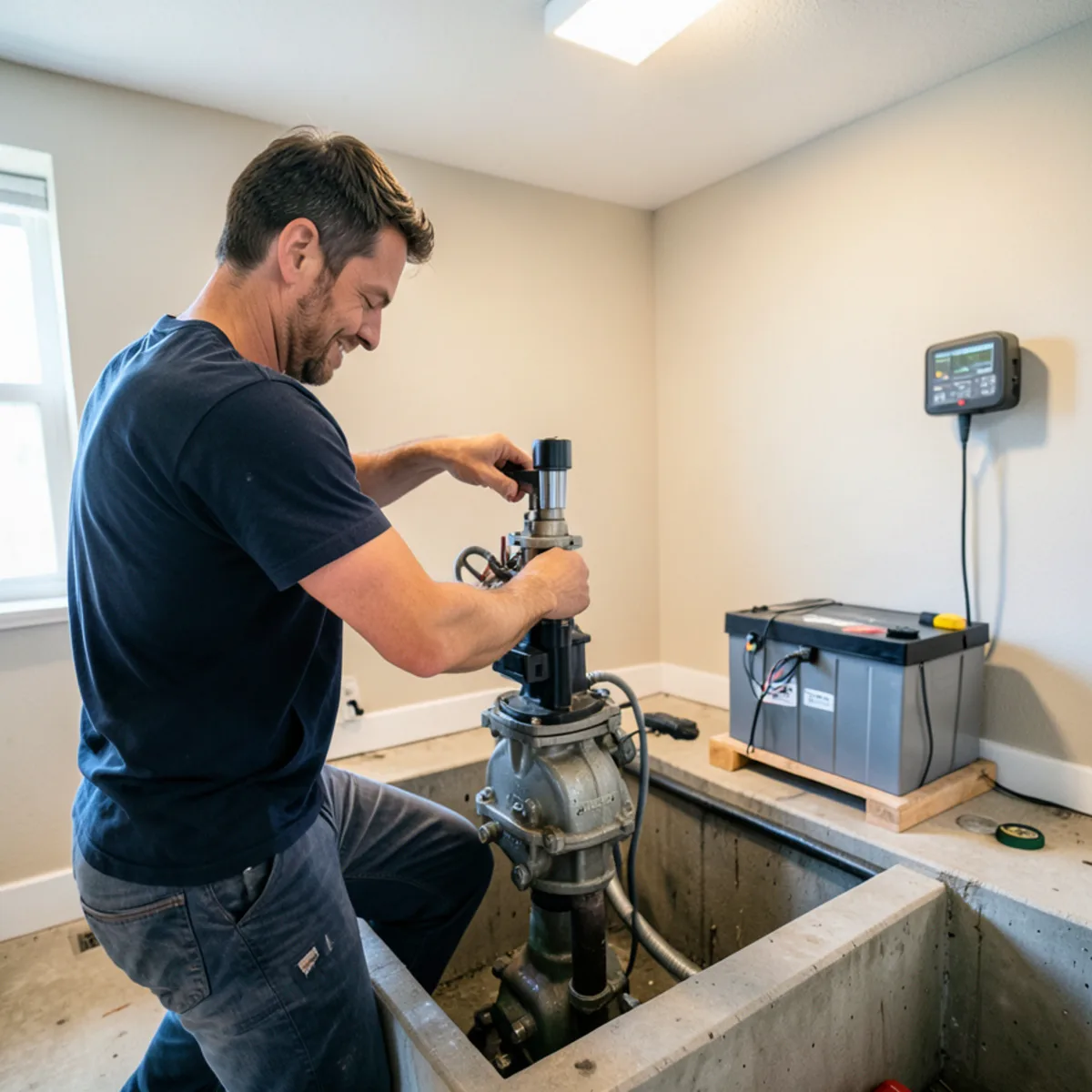
A secondary pump sits in the same pit as your primary, powered by a dedicated battery and charger. When the power fails — or the primary pump can't keep up — the backup takes over automatically and a high-water alarm lets you know.
When the power comes back, the primary pump takes over again and the controller starts recharging the battery, which can take many hours after a long run. If a second storm arrives the same night, the backup may start with a partly charged battery. That's one reason we size the battery for your worst runoff week, not an average day.
- Backup pump and dedicated deep-cycle battery
- Automatic controller that switches over on power loss or high water
- High-water alarm so you know the backup engaged
- Optional smart monitoring for alerts on your phone
- Battery charger that keeps the system ready
Batteries and realistic run time
Most backup systems use a 12-volt deep-cycle battery, either a sealed AGM battery or a flooded wet-cell that needs its water level checked. A larger battery, rated in amp-hours, runs the backup pump longer before it goes flat.
Run time depends on how often the pit fills, not just battery size. During a light rain the backup may cycle a few times an hour and last a long while; during heavy spring runoff it may run constantly and drain in a few hours. That's why we look at how hard your primary pump works before choosing the battery, and why we sometimes suggest a second battery for basements that take on a lot of water.
Controller, alarm, and monitoring
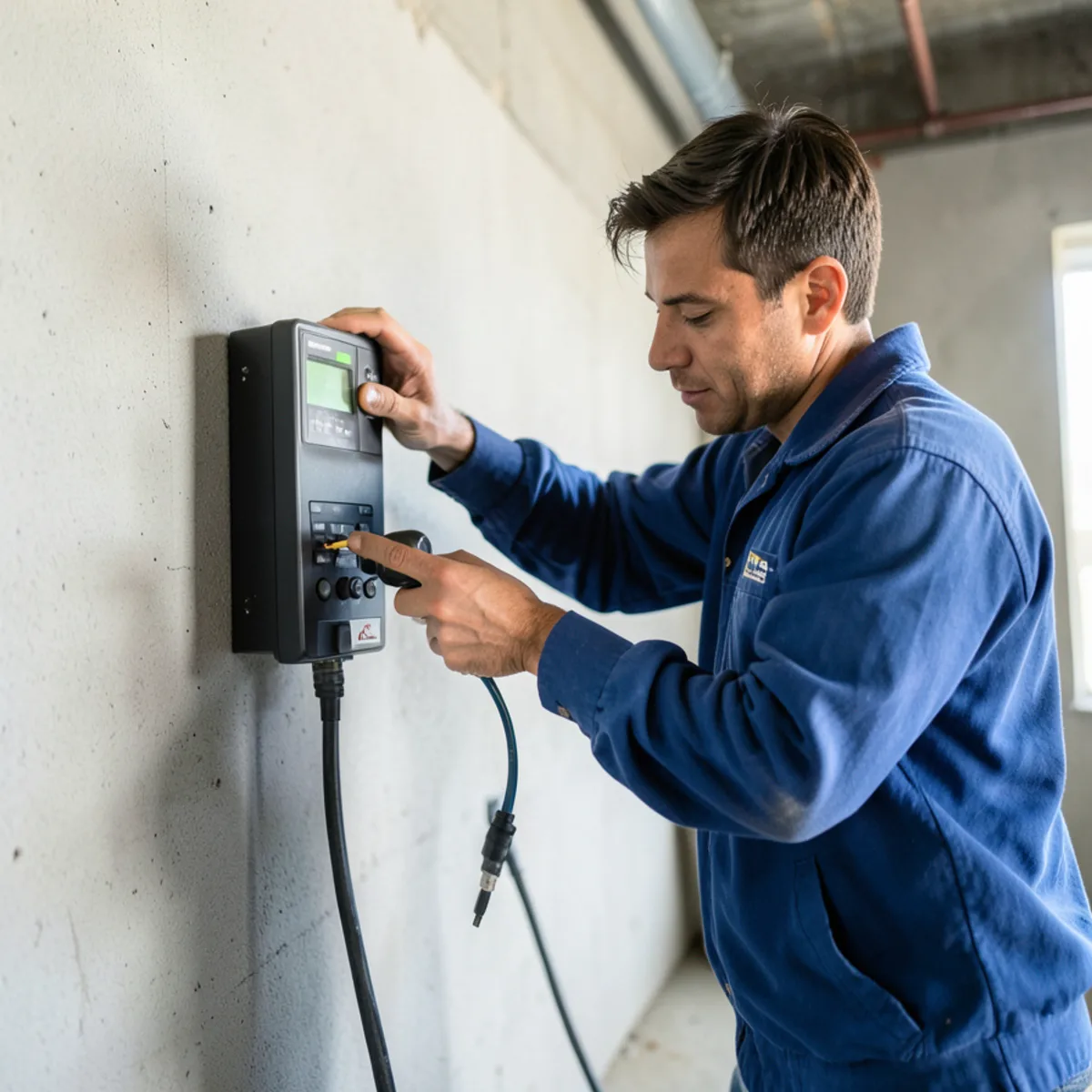
The controller charges the battery, watches the backup float, and starts the backup pump when water rises past the primary's normal level. A loud audible alarm tells you the backup is running, which also tells you the primary has a problem. Wi-Fi-connected controllers or a separate water sensor can send that alert to your phone, which matters most if you travel or have a rental property.
Primary + backup combination
For the best protection, we often recommend a primary-plus-backup combination engineered to work together. The primary handles everyday water; the backup is there for outages and for the rare moment the primary is overwhelmed.
Batteries don't last forever — plan on replacement every 3 to 5 years. We check battery health at every maintenance visit.
Homes that need a backup most
Any home with a sump pump benefits from a backup, but some can't afford to go without one. In the Littleton area, the risk comes down to how often the power goes out during storms, how fast the pit fills, and what sits on the basement floor.
If your pump runs regularly during spring snowmelt, a short outage at the wrong time can let the pit overflow within an hour. A finished lower level turns that overflow into drywall, flooring, and furniture.
- Finished basements with bedrooms, offices, or stored valuables
- Pumps that run often during spring runoff or summer storms
- Neighborhoods that lose power during thunderstorms or heavy snow
- Homeowners who travel or own a rental they can't check during a storm
- Homes that have flooded before, even once
Will a backup fit in your pit?
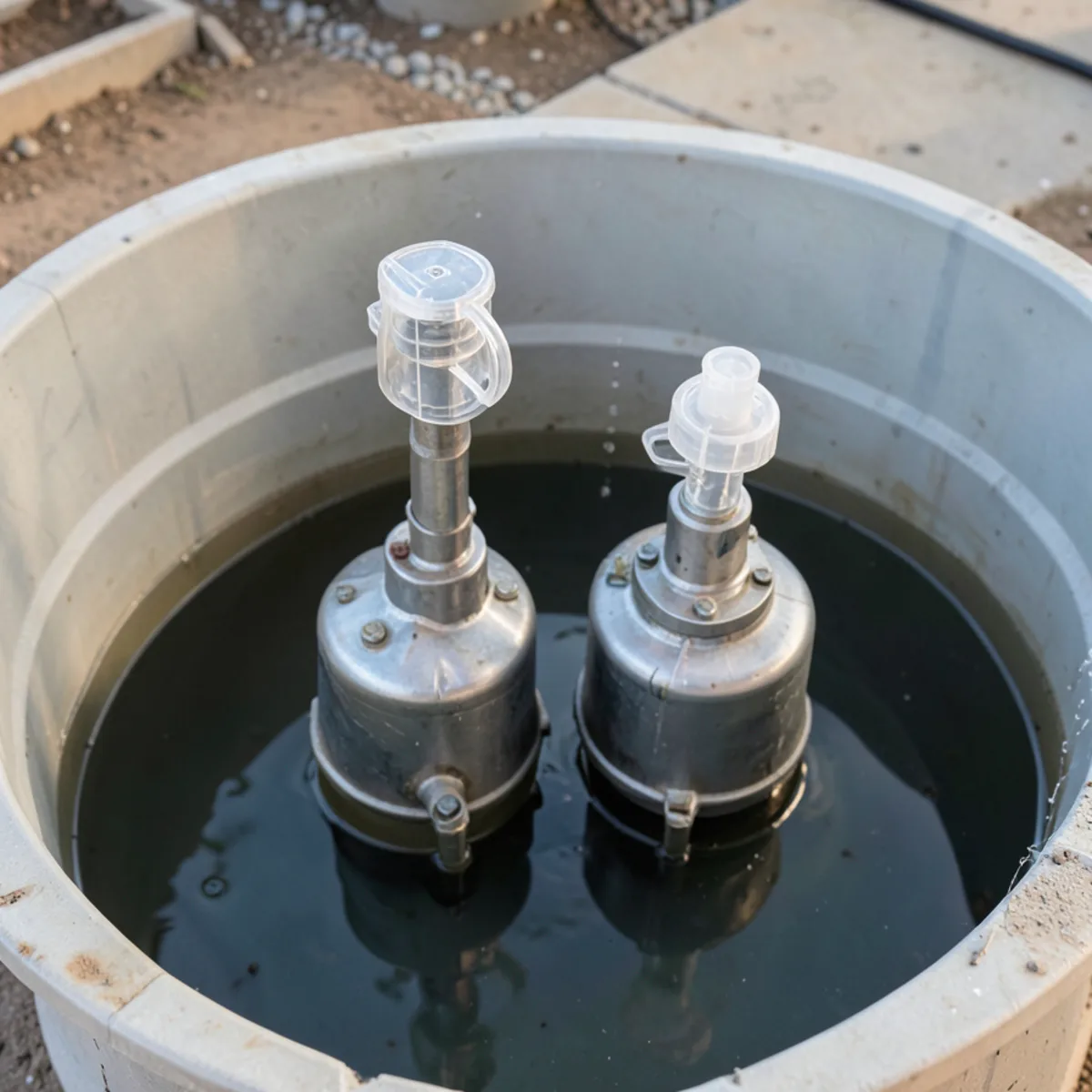
The backup pump usually sits in the same basin as the primary, either beside it or mounted slightly higher so the primary handles normal water. That needs a basin wide enough for two pumps and two floats that won't tangle. Narrow builder pits sometimes need a larger basin before a backup can go in.
The backup can share the primary's discharge through a tee, with its own check valve so neither pump pushes water back through the other, or it can have a separate discharge line. We choose based on your pipe size and how far the water has to travel.
What a battery backup installation costs depends on
The main cost drivers are the backup pump's capacity, the battery size (or a second battery for longer run time), and whether the controller includes Wi-Fi monitoring. Installation varies with the pit: a roomy basin with a straightforward discharge is quick, while a narrow pit that needs enlarging, or a discharge that needs a second line, adds work. A full combination system priced at the same time as a primary replacement usually costs less than doing them separately.
Safe battery placement
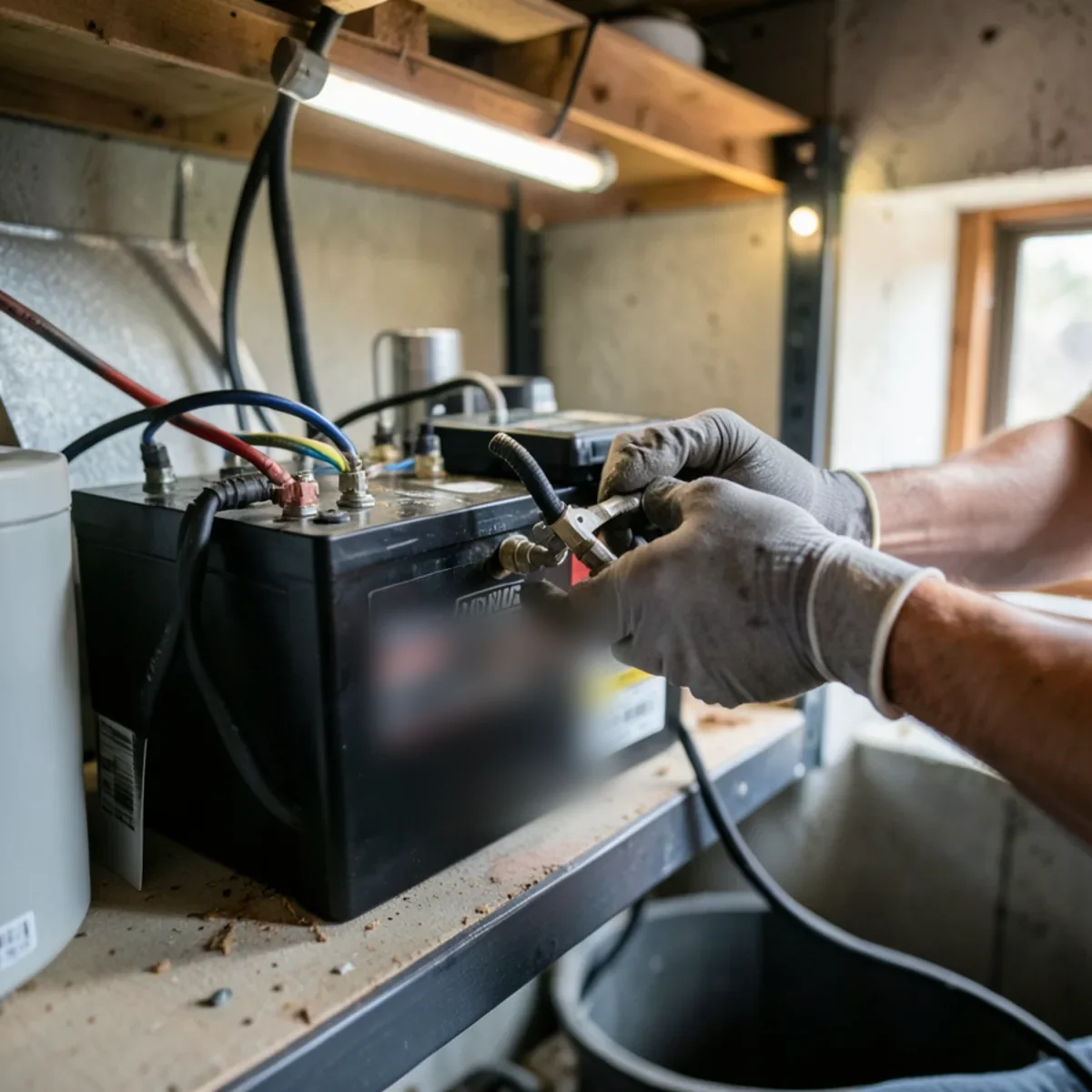
Batteries sit in a vented battery box on a shelf or bracket above the pit, never on the floor where water can reach them. Flooded wet-cell batteries vent small amounts of hydrogen while charging, so they need ventilation and distance from sparks or flames. The charger plugs into a protected outlet, and we follow the manufacturer's installation instructions and local electrical requirements.
How Our Battery Backup Installation Process Works
- 1
Measure the load
We watch how often the primary pump runs and check the pit's size and condition.
- 2
Choose the system
Backup pump, battery size, controller, and alarm matched to that load.
- 3
Prepare the pit
Clean the basin and enlarge or replace it if two pumps won't fit.
- 4
Install and plumb
Set the backup pump and float, and tie into the discharge with its own check valve.
- 5
Mount and charge
Battery in a vented box above the pit, controller mounted, charger on a protected outlet.
- 6
Pull the plug
We cut power to the primary and confirm the backup starts, pumps, and alarms.
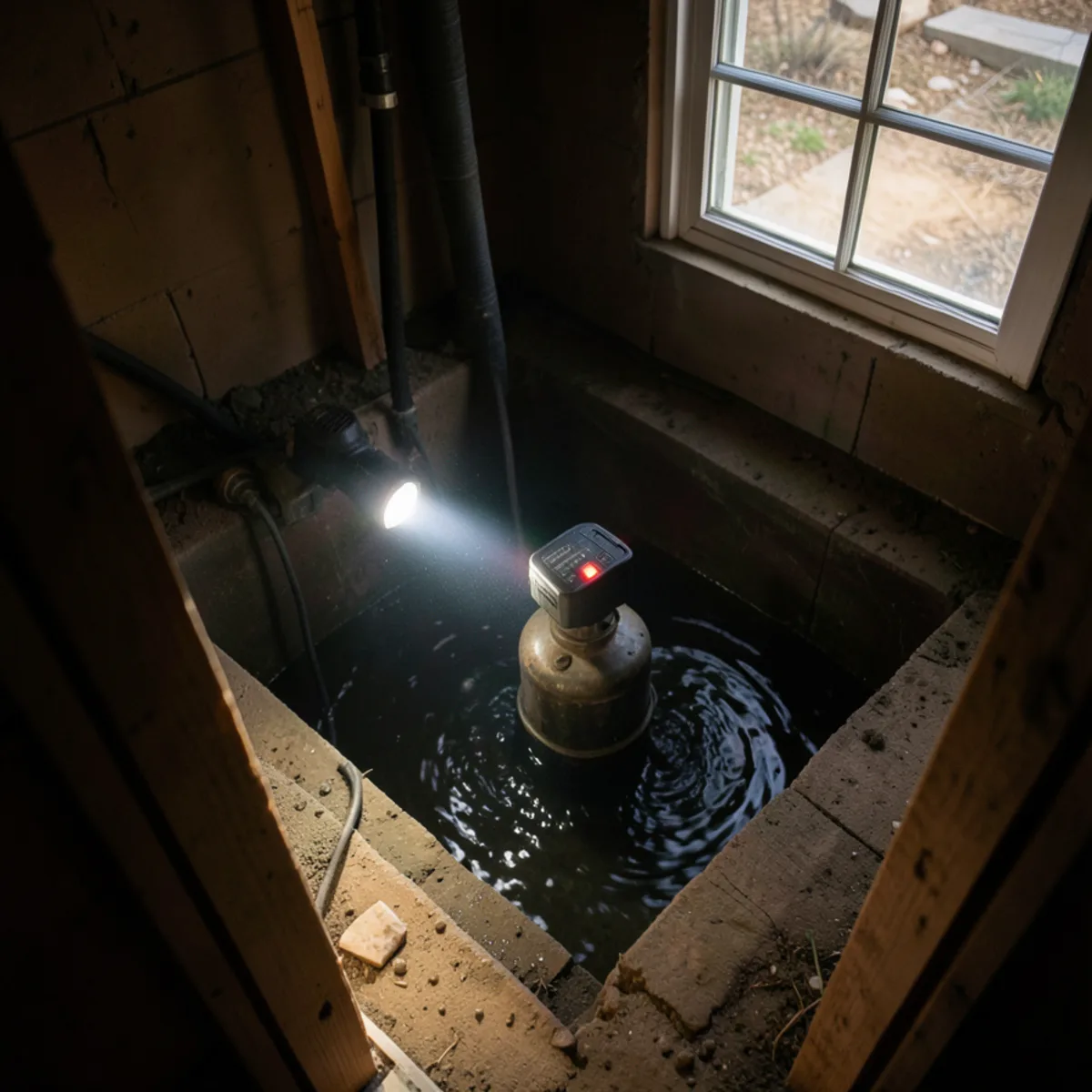
Battery Backup Installation: what the work looks like
Why Homeowners Choose Us for Battery Backup Installation
We install backups as part of a sump system we understand end to end — the pit, the primary pump, the discharge — rather than as a box bolted on beside it. That's how we avoid the common problems: tangled floats, shared discharges without check valves, and batteries sitting on the floor.
We're a Littleton sump specialist at 8 W Dry Creek Cir, working by appointment, and we test every backup by cutting power to the primary while you watch.
- Protection during the storm-related outages that matter most
- Automatic switchover with a high-water alarm
- Optional smart monitoring and phone alerts
- Pairs with your existing primary pump
- Battery health checked at maintenance visits
Services That Pair With Battery Backup Installation
Guides on Battery Backup Sump Pump Installation
Helpful Guides & Costs
Where We Provide Battery Backup Installation
See every community on the service areas page.
Battery Backup Installation FAQs
If your basement is finished or you've ever lost power during a storm, yes. The most common time a basement floods is when the power goes out mid-storm and a single primary pump has nothing to run on.
It depends on how often the pump cycles, but a healthy deep-cycle battery typically runs a backup pump through a normal outage. For long outages or heavy water, a larger battery or a second battery extends runtime.
Every 3 to 5 years for most systems. We test the battery at each maintenance visit so you're not caught with a dead backup during a storm.
Battery backups are simple and widely compatible. Water-powered backups never run out of charge but need adequate municipal water pressure. We'll walk through which fits your home.
Usually not. Most systems power a separate 12-volt backup pump in the same pit. Some units are inverters that run your primary pump from the battery instead; they work, but the run time is shorter, so we size the battery carefully if you go that route.
Yes, if the pit has room for a second pump and float. If the primary is old, it often makes sense to replace both together as a matched combination system, which also simplifies the discharge plumbing.
Lose power in storms?
A battery backup keeps the pit down when the power or the main pump fails. We'll size the battery to how hard your pit works.
- Backup with its own check valve
- Battery sized for your outages
- Alarm tested with the main pump unplugged