
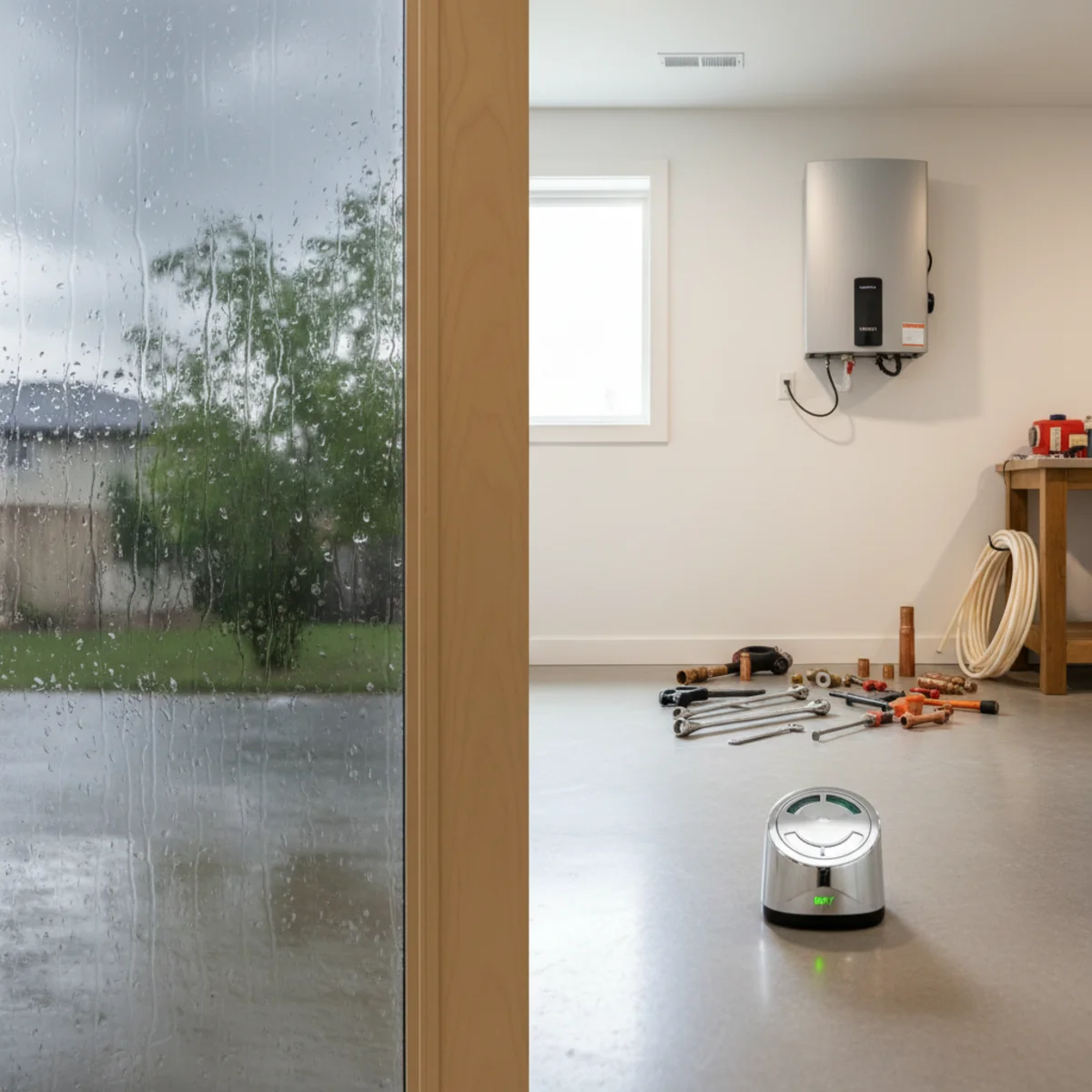
Basement Flooding With a Working Sump Pump? Here's Why
Quick answer
Because a working pump only removes water that reaches its pit. If water arrives faster than the pump can move it, enters far from the pit, comes up a floor drain from the sewer, pours through a window well, or the pump's discharge recirculates, the basement can flood while the pump runs perfectly.
It is one of the most frustrating calls we get. The sump pump was running the whole storm. You could hear it cycling. And the basement still flooded.
A working pump only protects against one thing: groundwater that reaches the pit. If water arrives faster than the pump can move it, enters somewhere the pit never sees, or comes up through a drain instead of through the soil, the pump can do its job perfectly and you still end up with a wet floor.
Below are the seven reasons we see most often in Littleton basements, how to tell which one you are dealing with, and what actually fixes each one.
- Local Littleton Service
- Professional Installation
- Clear, Upfront Estimates
- Battery Backup Options
- Careful, Clean Workmanship
- Emergency Help Available
1. The Pump Was Simply Overwhelmed
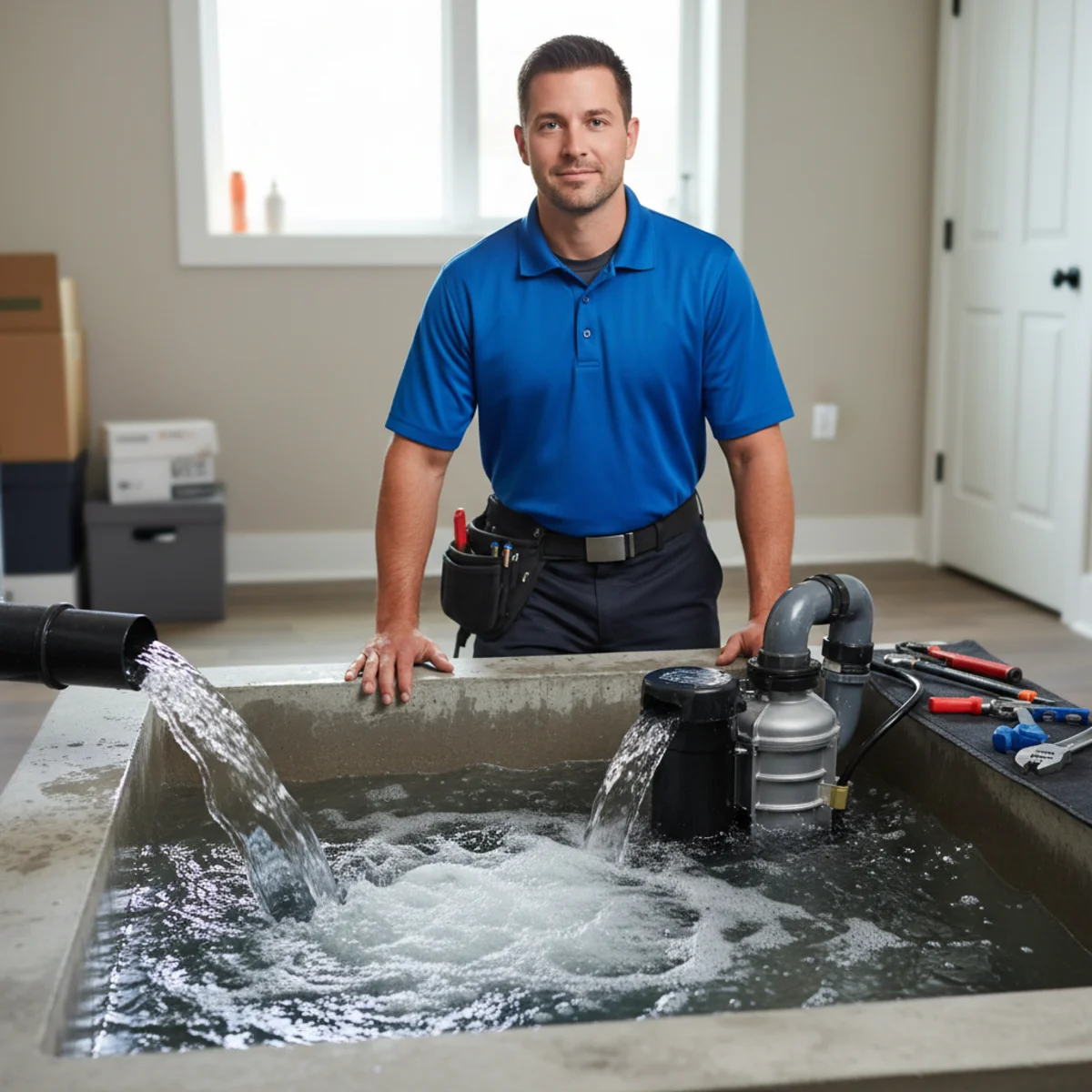
Every pump has a limit, measured in gallons per hour at a given lift. During a long spring snowmelt or a cloudburst on saturated clay, water can enter the pit faster than an undersized pump can push it out. The pump never stops, the water level still climbs, and eventually it spills over the rim.
The giveaway is a pump that ran nonstop and a pit that was full when you checked. The fix is capacity: a higher-horsepower pump, a larger basin, or a second pump in the same pit so both can run during peak flow.
2. The Water Never Reached the Pit
A sump pit only collects water that can travel to it. In many older homes there is no perimeter drain under the slab, so water that seeps through a wall far from the pit just pools on the floor where it came in.
If the wet area is on the opposite side of the basement from the pit, and the pit itself stayed fairly low, this is likely the cause. The long-term answer is interior drainage that carries wall seepage to the pit, or exterior fixes that keep the water from reaching that wall at all.
3. The Discharge Is Recirculating
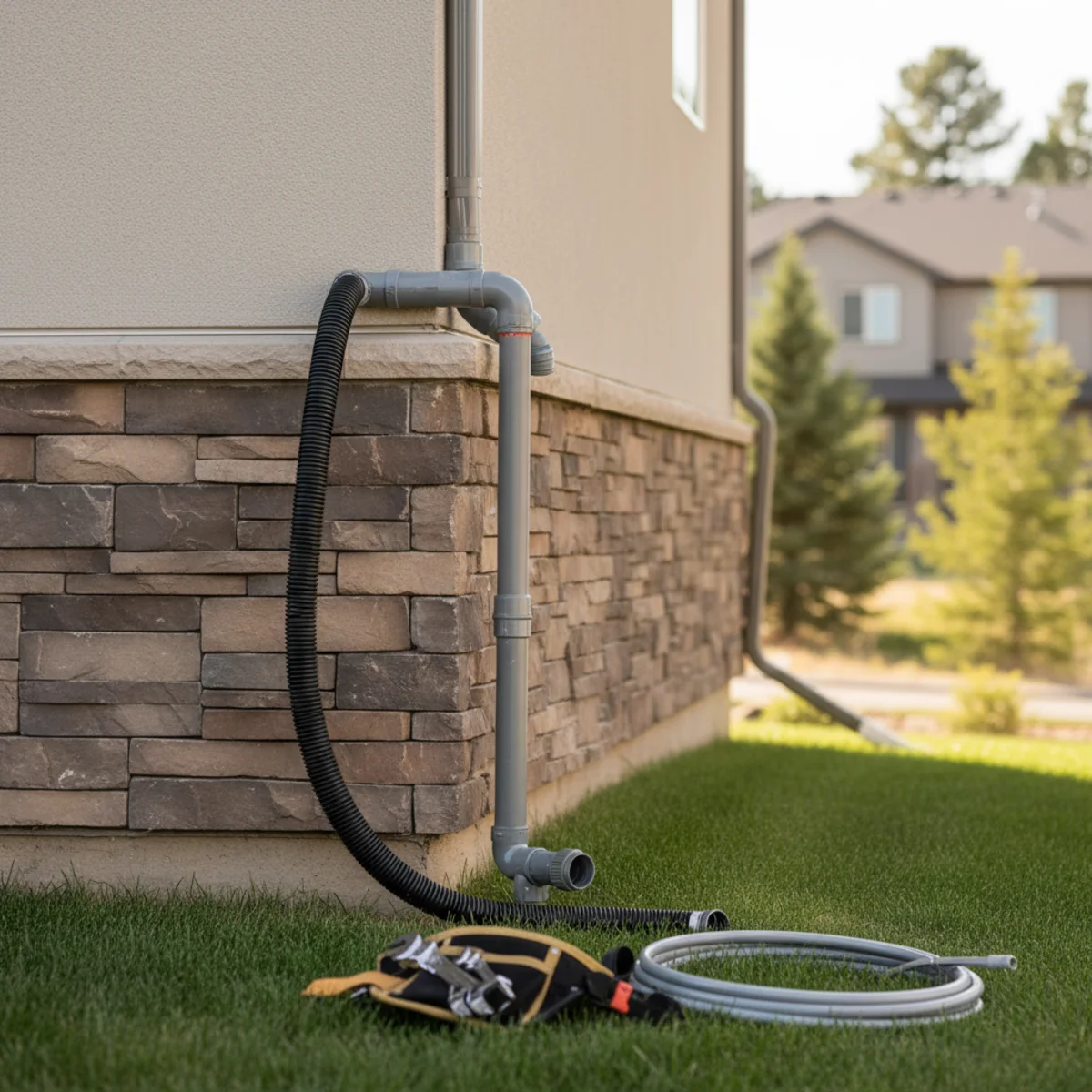
If the discharge line ends right next to the house, the water the pump just removed soaks back into the soil around the foundation and returns to the pit. The pump runs constantly and loses ground the whole time.
Walk outside and find where the line ends. It should release water at least 10 feet from the foundation, on ground that slopes away. In Colorado the buried portion also needs to sit deep enough that it does not freeze and back up in winter.
4. It Was a Sewer Backup, Not Groundwater
During heavy storms the municipal sewer can surcharge, pushing water back up through the lowest drain in the house, usually a basement floor drain. A sump pump has no connection to that drain, so it cannot help.
Sewer water usually smells, appears first at a floor drain or basement toilet, and may be discolored. That calls for a backwater valve on the sewer line, not a bigger sump pump.
5. Window Wells, Gutters, and Grading
Some water never goes through the soil at all. A window well without a drain fills like a bucket and pours through the window. A downspout that dumps at the corner of the house soaks one section of foundation wall far faster than the drainage around it can handle.
Look for water lines on the inside of a window, or wet spots directly below a downspout. Extending downspouts, regrading low spots, and covering or draining window wells often matter as much as the pump.
6. The Pump Worked Most of the Time
A float that sticks now and then, a check valve that lets water fall back, or a motor that trips its thermal overload after long runs can all produce a pump that seems fine when you check it but quits in the middle of the night.
If you have a smart alarm or a backup controller, check its log. Otherwise, a pour test with a full bucket and a look at the float and check valve will usually reveal the weak link.
7. A Short Power Outage You Missed
Front Range storms often knock power out for a few minutes at a time. A pump that is off for 20 minutes during peak inflow can let the pit overflow, and by the time you check, the power and the pump are back on.
Clocks blinking on the microwave are the clue. A battery backup pump closes that gap, and a combination system with an alarm tells you it happened.
Finding Your Cause: A Quick Checklist
Walk through these while the evidence is fresh. Where the water showed up first narrows it down faster than anything else.
- Was the pit full and overflowing? Think capacity or power.
- Was the pit low while one wall was wet? Water isn't reaching the pit.
- Did water appear at a floor drain first, and does it smell? Likely sewer backup.
- Are there water lines on a window or under a downspout? Surface water.
- Did the pump run nonstop with little coming out outside? Check the discharge.
- Are clocks blinking? A power blip may have stopped the pump briefly.
What to Do Next
Start by finding where the water entered. Pit overflow, a single wet wall, a floor drain, and a window each point to a different fix. Photos of the wet area and a note of how long the pump ran will help whoever looks at it.
If the cause is capacity, discharge routing, or pump reliability, that is sump work we handle every week. If it is grading, gutters, or a sewer backup, we will tell you that plainly, because a new pump will not solve it.
From the field
The Pattern We See Most After Storms
After a big storm in the Littleton area, our calls cluster into two groups. One is homes where the pump simply couldn't keep up: a builder-grade pump in a small pit, running flat out during a cloudburst on saturated clay. The other is homes where the pump was fine, but water came in somewhere else entirely, usually a window well or a corner below a downspout.
The fix for the first is capacity and a backup. The fix for the second costs much less and happens outside. Telling them apart is the most valuable part of the visit.
Fix the Path, Not Just the Pump
If your basement flooded while the sump pump was running, don't assume you need a bigger pump. Find the path the water took. Overload and power loss call for capacity and backup; water that never reached the pit calls for drainage; floor-drain water calls for a backwater valve; and window wells and downspouts are fixed outside.
Questions about your own system? Call (207) 419-2600 and talk it through with a local sump specialist.
Related services
Local help nearby
Basement Flooding With a Working Sump Pump? Here's Why: Common Questions
Yes. A working pump only removes water that reaches the pit. Water that enters faster than the pump can move it, seeps in far from the pit, comes up a floor drain from the sewer, or pours through a window well can still flood the basement.
It can. During long storms or heavy snowmelt on saturated clay soil, inflow can exceed an undersized pump's capacity. A larger pump, a bigger basin, or a second pump in the pit adds the capacity needed for peak flow.
Sewer backup usually appears first at a floor drain or basement toilet and often smells. Groundwater seeps in at the wall-floor joint or overflows the sump pit and is usually clear.
It helps when the problem is capacity or power loss. A second pump, especially a battery backup, takes over when the primary can't keep up or loses power. It will not stop sewer backups or water that never reaches the pit.
Not necessarily. A bigger pump only helps if water overflowed the pit because the pump couldn't keep up. If water entered at a wall, a window well, or a floor drain, a larger pump won't fix it.
Keep reading
 Maintenance & Troubleshooting
Sump Pump Not Working and Basement Flooded? What to Do Next
Pump dead and water rising? Start with the emergency steps below, then work through the diagnosis. Emergency sump pump help is available.
Basement Flood PreventionHow to Prevent Basement Flooding During Heavy Rain
Heavy Front Range rain and snowmelt push water against your foundation fast. Here is how to keep your basement dry before, during, and after a storm.
 Basement Flood Prevention
Sump Pump vs French Drain: Which Does Your Basement Need?
A French drain collects and redirects water. A sump pump lifts it out of the house. Many wet basements need both working together. Here's how to decide.
Get Local Help: Basement Flood Prevention
Get professional sump pump help from a local Littleton specialist. Clear, upfront estimates and careful, clean workmanship.
Available by appointment. Emergency sump pump help available.