
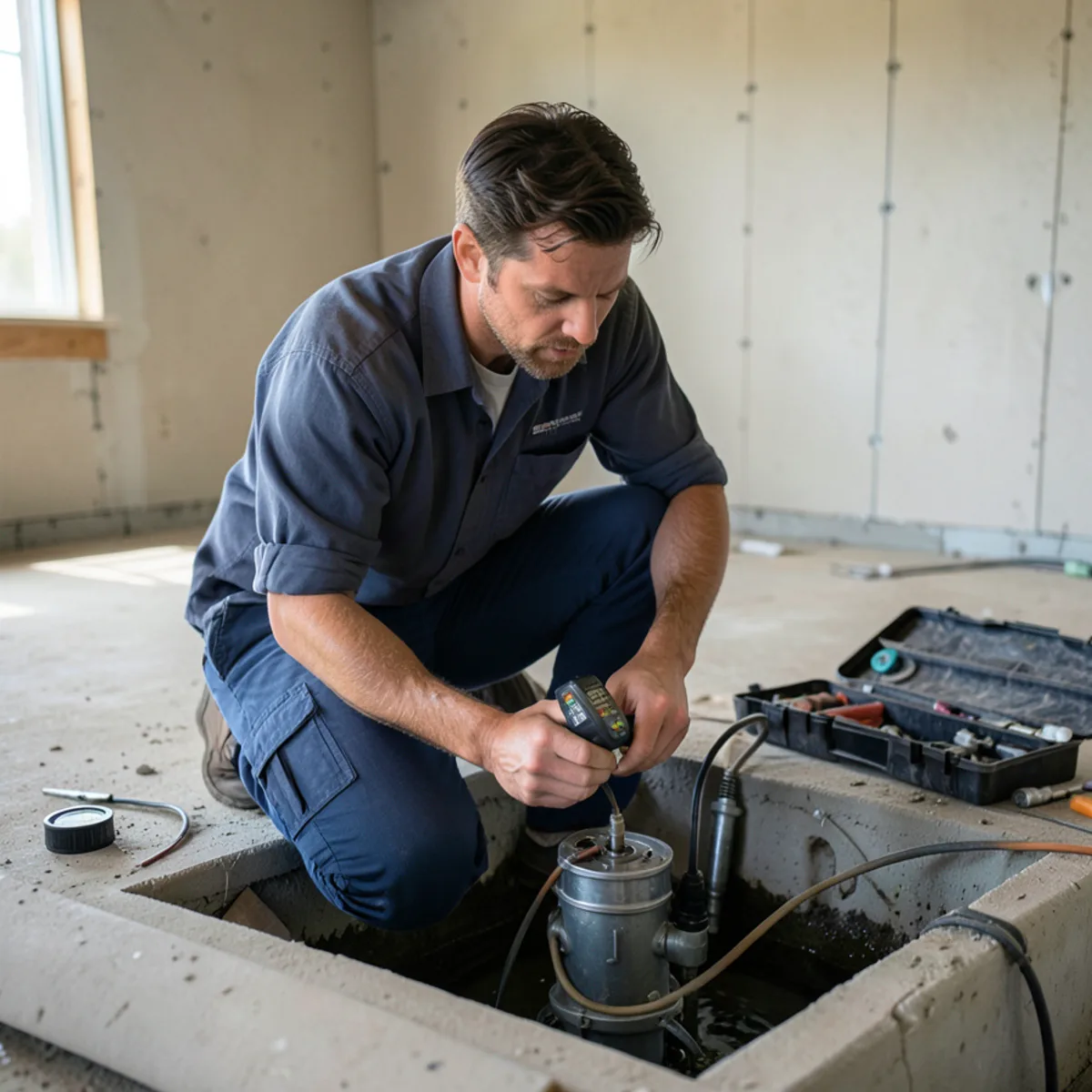
Sump Pump Service
Sump Pump Repair in Littleton, CO
Pump won't start, runs nonstop, or making noise? We diagnose and fix it fast.
Sump pump repair in Littleton, CO usually comes down to one of a handful of culprits: a stuck float switch, a failed check valve, a clogged intake, a tripped circuit, or a worn motor. Littleton Sump Pump Pros diagnoses the real cause and fixes it — instead of guessing.
A sump pump only matters when it runs. If yours is acting up, don't wait for the next storm to find out whether it works.
- Local Littleton Service
- Professional Installation
- Clear, Upfront Estimates
- Battery Backup Options
- Careful, Clean Workmanship
- Emergency Help Available
Common sump pump problems we repair
Most calls start with one of a few symptoms, and each points somewhere different. Silence with a full pit usually means power, the float, or a frozen discharge. Constant running points to the check valve, the float, or a pump that's too small. Noise usually means debris or worn bearings. Write down what you see and hear before you call; it shortens the diagnosis.
- Pump won't turn on (float, switch, wiring, or power issue)
- Pump runs constantly or short-cycles
- Loud grinding, humming, or rattling
- Water in the pit but the pump isn't moving it
- Discharge water draining back into the pit (bad check valve)
- A reset button that keeps tripping
The repairs we make most often
- Float switch: replaced or re-positioned when it sticks, tangles in the cord, or rubs the basin wall
- Check valve: replaced when water falls back into the pit and the pump restarts on the same water
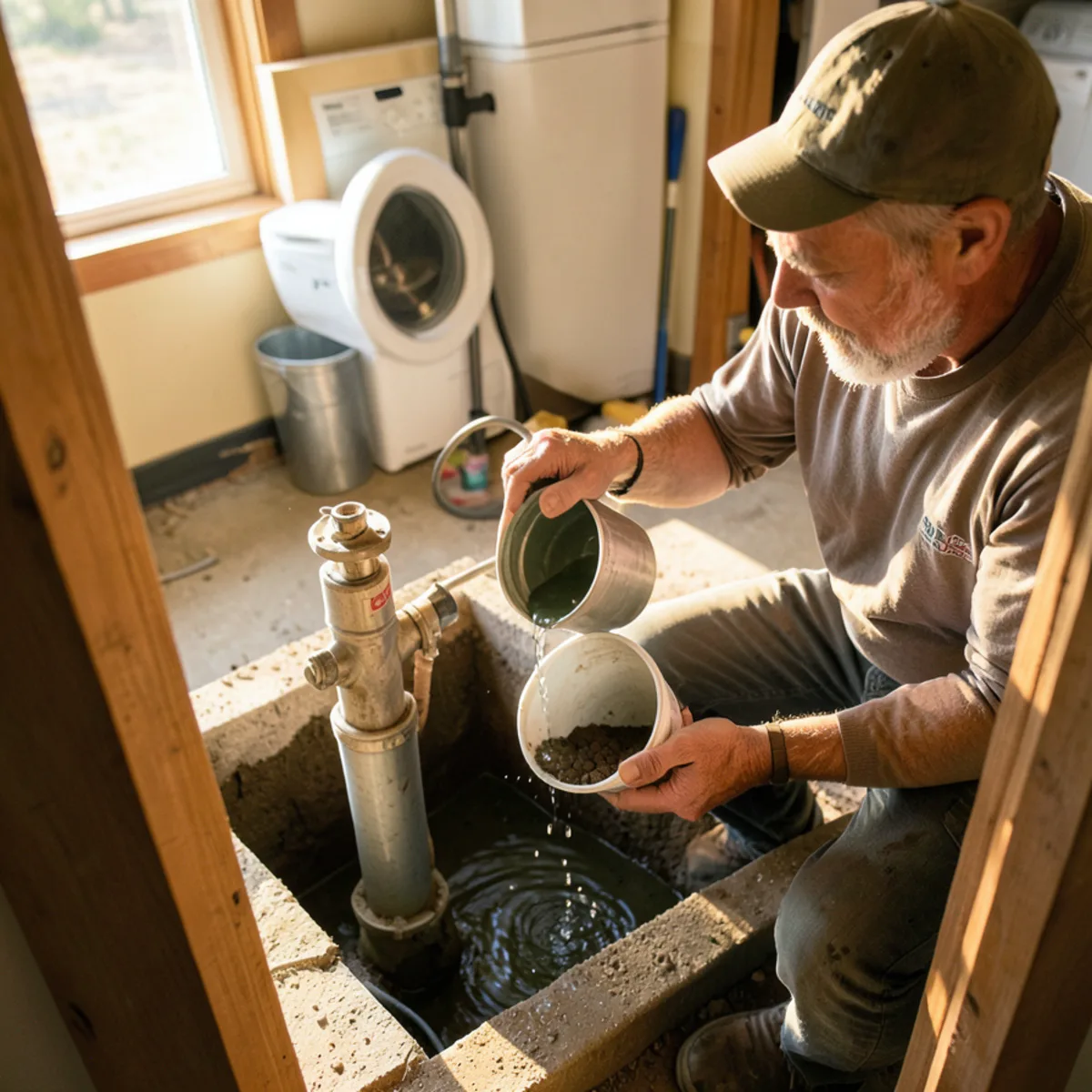
- Intake and impeller: cleared of gravel, silt, and iron sludge that jam the pump or cut its flow
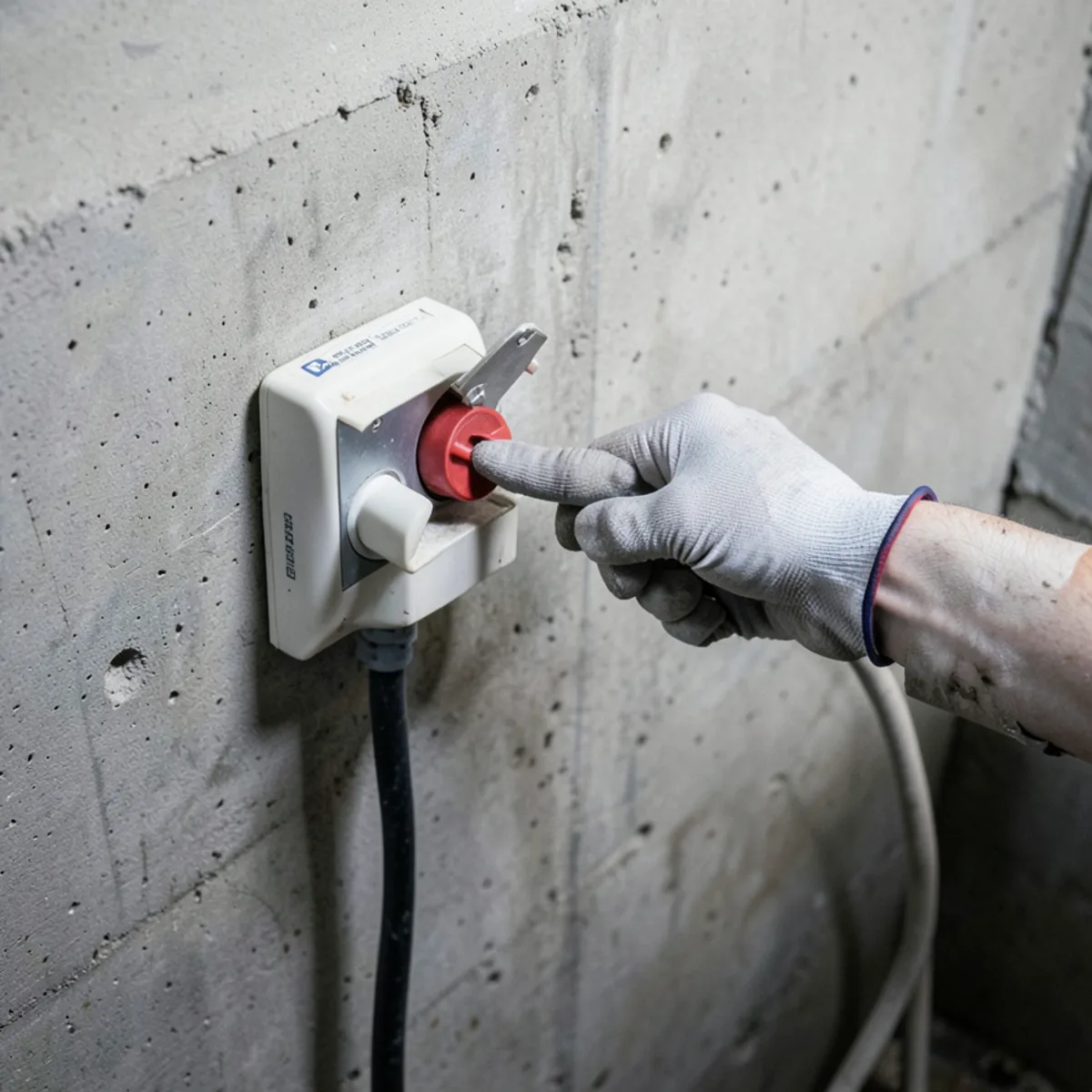
- Cord, plug, and outlet: worn cords replaced and extension-cord setups put on a proper protected outlet
- Discharge: ice or debris cleared and short, shallow sections reworked so they stop freezing
- Pump position: re-set level and off the pit floor so debris stops reaching the intake
We find the cause, not just the symptom
A pump that runs constantly might have a stuck float — or it might be undersized for your water load, or fed by a discharge line that's freezing back. We check the whole system so the fix actually holds.
When a pump is genuinely at the end of its life, we'll tell you straight and price a replacement instead of sinking money into a unit that's done.
That means testing more than the part that looks broken. We run the pump from a full pit, watch the float travel, listen for the check valve, feel for heat at the motor, and look at the outlet outside. A pump that seems dead is often fine, sitting on a frozen discharge or a tripped GFCI.
Why sump pumps fail in Littleton basements
Most of the failures we see trace back to local conditions rather than bad luck. Expansive clay sheds fine silt every time groundwater flows into the pit, and over a few seasons that silt builds up around the intake and the float. In some neighborhoods, iron in the groundwater feeds an orange sludge that coats moving parts.
Winter is hard on the outside of the system. A discharge line that runs shallow, sags, or ends in a snowbank freezes on cold nights, and the pump either strains against it or trips its thermal cutoff. Summer brings the opposite problem: thunderstorms that fill the pit fast and knock out power in the same hour. Small builder pits make all of it worse, because the pump short-cycles and wears its switch out early.
Repair or replace: how we make the call
We repair when the problem is one part on a pump with life left in it. We recommend replacement when the motor itself is failing, when the pump is past roughly 7 to 10 years, or when it has already had several repairs. Either way, you'll hear the reason and see both prices before deciding.
- Repair: stuck or failed float, bad check valve, clogged intake, worn cord, frozen discharge
- Replace: motor hums but won't turn, overheats on short runs, heavy corrosion, or repeated failures
- Upgrade: the pump can't keep up during spring runoff even when it's working correctly
What a sump pump repair costs depends on
Most repairs come down to the part and the access. A float switch or check valve is an inexpensive part; pulling the pump from a deep or cramped pit, cleaning out heavy sludge, or cutting in a union where the original installer glued everything solid adds labor. Discharge problems vary the most, from clearing an ice plug at the outlet to re-trenching a section of line below the frost depth.
Timing matters too. A repair scheduled before spring is simpler than one done with water rising in the pit. We give you the price before work starts, and if replacement makes more sense than repair, we'll say so.
Electrical and code notes
Electrical codes generally require GFCI protection on basement outlets, and a pump that keeps tripping one usually has a fault in the motor or cord. Running it on an extension cord or a non-protected outlet hides the problem and adds a shock risk. If the repair involves a new circuit or moving the outlet, that work may need an electrical permit from your city or county building department.
How Our Sump Pump Repair Process Works
- 1
Hear the symptoms
When you call, we ask what the pump is doing so we arrive with the likely parts.
- 2
Test under load
We fill the pit and watch the float, motor, check valve, and outlet through a full cycle.
- 3
Find the root cause
We separate the failed part from what caused it: silt, sizing, freeze-back, or power.
- 4
Price the options
Repair and, where it makes sense, replacement, priced side by side before any work.
- 5
Make the repair
Replace the failed component, clear the pit and intake, and re-set the pump.
- 6
Prove it works
A second full-cycle test, plus a look at the discharge outlet outside.
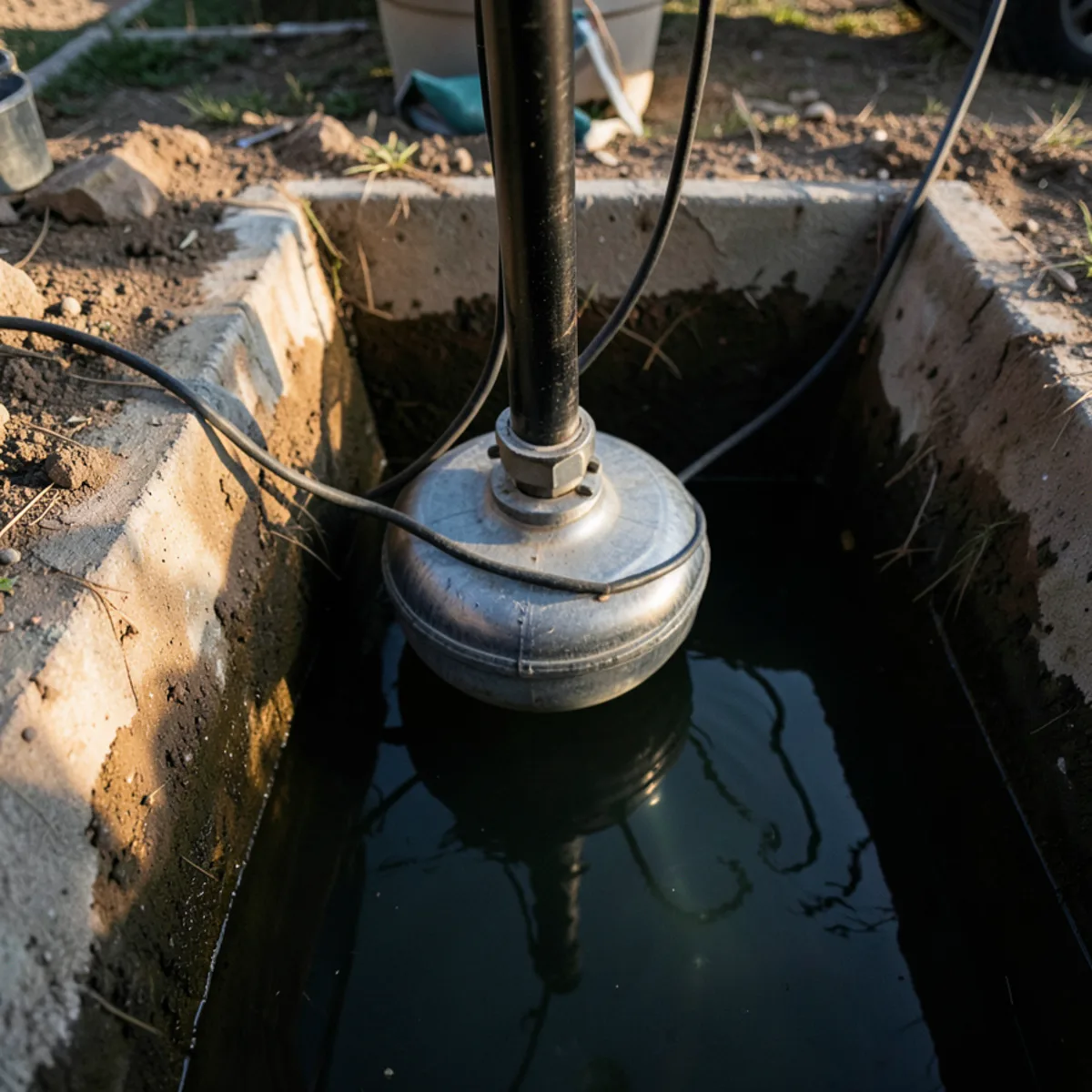
Sump Pump Repair: what the work looks like

Why Homeowners Choose Us for Sump Pump Repair
Repair is where a sump specialist earns the call. We see the same failure patterns across Littleton every season, so we can usually tell a silt-jammed intake from a dying motor within minutes instead of guessing with parts.
Our shop is in Littleton at 8 W Dry Creek Cir. Appointments are scheduled, and emergency sump pump help is available when water is rising. We explain the cause, price repair against replacement, and test the system with you before we leave.
- Real diagnosis instead of part-swapping guesswork
- Emergency sump pump help available for urgent failures
- Honest repair-vs-replace advice
- Float switch, check valve, and intake repairs
- Clear pricing before work begins
Services That Pair With Sump Pump Repair
Guides on Sump Pump Repair
Helpful Guides & Costs
Where We Provide Sump Pump Repair
See every community on the service areas page.
Sump Pump Repair FAQs
Common causes are a stuck float switch, a check valve that lets water drain back into the pit, an undersized pump, or a high water table feeding the pit faster than the pump can keep up. We diagnose which one it is before recommending a fix.
A hum usually means the motor has power but the impeller isn't moving water — often a jam, a stuck float, or a seized impeller. Turn it off to avoid burning out the motor and call for repair.
Emergency sump pump help is available for urgent failures — call (207) 419-2600. If water is actively rising, unplug nothing that's a shock hazard and call right away.
If the pump is under about 7 years old and the problem is a single failed part, repair makes sense. Past that age, or after repeated failures, replacement is usually the better value.
First check the outlet's GFCI and the breaker, and look for a float caught on the basin wall. If that doesn't start it, keep the pit down with a wet vac or utility pump, keep cords out of standing water, and call. Emergency sump pump help is available.
Yes. Backup systems fail most often from an aged battery, a stuck backup float, or a controller fault. We test the backup on its own, replace the battery or float as needed, and confirm it takes over when the primary is unplugged.
Pump acting up?
Humming, rapid cycling, or no start at all usually come from a handful of causes. We'll find the actual one and tell you whether a repair or a replacement makes more sense.
- Power, float, valve, and pump checked in order
- Repair cost compared honestly with replacement
- Full test cycle before we leave