What to Do If Your Sump Pump Discharge Line Freezes
It's the middle of a Littleton cold snap. Your pump is humming away in the basement, but the pit isn't draining and the water keeps climbing. The motor sounds fine, so what's wrong?
The discharge line is frozen. Ice has plugged the pipe somewhere between the pump and the outside, and the water has nowhere to go. The pump keeps running against a wall of ice, overheating itself while the basin fills behind it.
Left alone, this leads to two bad outcomes: a burned-out pump and a flooded basement. The good news is it's both fixable and preventable. Here's how to tell it's frozen, thaw it safely, and keep it from happening next winter.
- Local Littleton Service
- Professional Installation
- Clear, Upfront Estimates
- Battery Backup Options
- Careful, Clean Workmanship
- Emergency Help Available
How to Tell the Line Is Frozen
A frozen discharge line has a telltale signature. The pump runs, but the water level in the pit doesn't drop. You may hear the motor laboring or cycling on and on without ever clearing the basin.
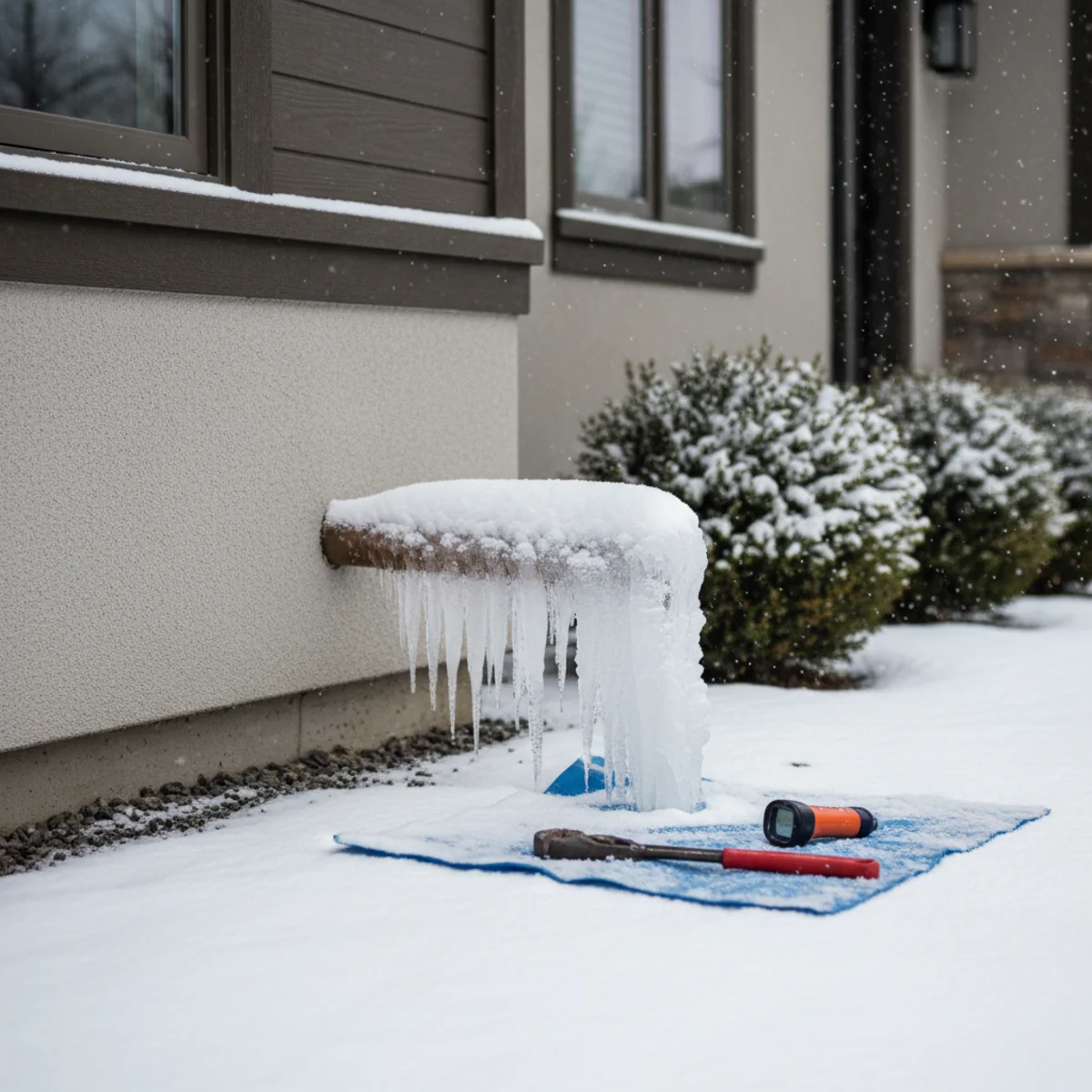
Head outside and check where the discharge line exits the house. If the outlet is buried in snow, capped with ice, or you can see ice inside the pipe, that's your blockage. The freeze usually forms near the exit, where the pipe meets cold outside air, or in any shallow run that sits above the frost line.
If your high-water alarm is going off while the pump runs, take it seriously. That combination, pump running plus rising water, points straight at a blocked or frozen line.
- Pump runs but the pit won't drain
- Motor labors or cycles without clearing the basin
- Ice visible at or inside the exterior discharge outlet
- Discharge outlet buried in snow or capped with ice
- High-water alarm sounding while the pump is running
Why Discharge Lines Freeze on the Front Range
Colorado winters are hard on discharge lines, and the freeze-thaw cycle is the reason. Daytime sun melts snow and the pump pushes water out; overnight the temperature drops and any water left sitting in the pipe freezes solid.
The most vulnerable spot is any part of the line that runs shallow, above the frost line, or sits exposed to cold air. Water that doesn't fully drain after each cycle pools at low points and in the exterior run, then freezes. Each cycle adds a little more ice until the pipe is plugged. It's a slow build, which is why a line can run fine for weeks of winter and then suddenly block during the first hard freeze.
Our climate makes it worse than most. Bright Front Range sun can push afternoon temperatures well above freezing even in the dead of winter, so the pump keeps cycling and sending water out. Then the temperature plunges overnight. That daily swing is the freeze-thaw cycle in action, and it's exactly the pattern that ices up a discharge line a little more each day.
A discharge line that's too long, lacks the right slope, or dumps right at the surface where the outlet ices over is asking to freeze. So is one that was run shallow to save digging. How the line is installed makes the difference between a pump that drains all winter and one that freezes every cold snap.
How to Thaw It Safely
First, unplug the pump. Running it against a frozen line just cooks the motor, and a pump that overheats may quit for good. Cut the power before you do anything else. If the pit is already near overflowing, get a wet/dry vacuum or bucket ready to pull water out by hand while you work on the ice.
Then go after the ice from the outside in. Clear snow away from the discharge outlet and look for the blockage near the exit, where freezes usually start. Warm water poured over the exterior pipe, or warm towels wrapped around it, can melt the plug. A hair dryer or heat gun on a low setting, used carefully and kept away from anything flammable, can work on accessible sections. Never use an open flame on the pipe.
Work patiently and give the heat time to do its job. A long ice plug won't clear in seconds, and forcing it risks damaging the pipe or the fittings. If the line has a removable section near the pump, disconnecting it can let you drain the pit directly into a bucket as a temporary fix until the outside line thaws, which buys you time and keeps the basement dry.
Once water flows freely from the outlet again, plug the pump back in and watch a full cycle to confirm the pit drains. If you can't find or reach the blockage, or the pit is rising fast and you're worried about a flood, don't keep fighting it. Emergency sump pump help is available — call (207) 419-2600.
How to Prevent It Next Winter
Thawing a frozen line is a winter emergency you don't want to repeat. The real fix is preventing the freeze in the first place, and most of it comes down to how the line is set up.
A properly installed discharge line slopes so water drains out completely after each cycle, leaving nothing behind to freeze. Burying the line below the frost line where it runs underground keeps it out of the deep cold. The exterior outlet should be kept clear of snow and ice all winter, and positioned so it drains away from the house instead of pooling and freezing at the foundation.
Some setups use a larger-diameter line or a freeze-resistant discharge fitting that lets the pump vent if the main outlet ices over, so a freeze doesn't dead-head the pump. If your line freezes year after year, that's a sign the install itself needs to be reworked, not just thawed again every January.
- Slope the line so it fully drains after each cycle
- Bury underground sections below the frost line
- Keep the exterior outlet clear of snow and ice
- Aim the outlet away from the foundation, not at it
- Consider a freeze-resistant discharge fitting for venting
What Not to Do With a Frozen Line
When the pit is rising and it's freezing out, it's easy to make a bad situation worse. A few moves do real damage, so it's worth knowing what to avoid before you start.
The biggest mistake is leaving the pump plugged in and running while the line is blocked. People assume the pump will eventually push through the ice. It won't. It just runs against the plug, overheats, and burns out, leaving you with a frozen line and a dead pump. The second mistake is reaching for an open flame, like a torch, to melt the ice. That can melt or crack the pipe, scorch fittings, and start a fire near the house. Gentle, controlled heat only.
Keep these in mind while you work, then fix the root cause once the emergency passes.
- Don't keep the pump running against a frozen line; unplug it
- Don't use a torch or open flame on the pipe
- Don't pour boiling water that could crack a cold pipe or fittings
- Don't ignore a line that freezes every year; the install needs reworking
- Don't let the pit overflow while you wait; remove water by hand if needed
When to Get a Pro Involved
Thawing the line gets you through the night. Fixing why it froze keeps you out of trouble all winter.
If your discharge line freezes repeatedly, the underlying issue is usually the route, the slope, or the depth, and that calls for reworking the line, not another thaw. A pump that's been running against ice may also have taken damage and deserves a look.
We handle frozen discharge line repair and discharge line installation done right for Littleton winters, with clear, upfront estimates and clean workmanship. Whether it's a one-time freeze or a yearly headache, call (207) 419-2600 and we'll sort out a line that drains when it's cold.
Frequently Asked Questions
Keep Reading
 Sump Pump Basics
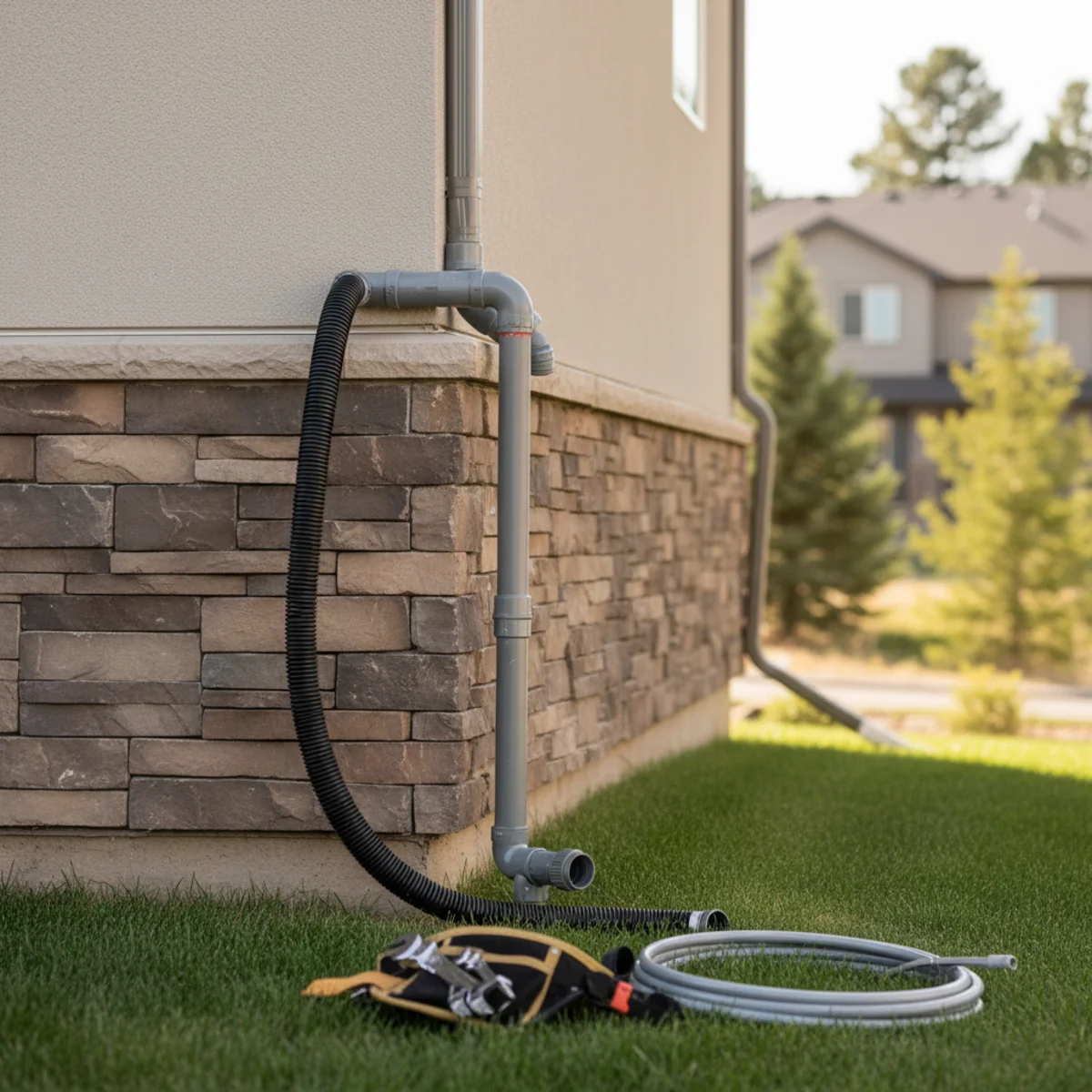
Sump Pump Discharge Line Options for Homeowners
Your sump pump is only as good as where it sends the water. Compare discharge line options and learn how to route the pipe so water leaves for good.
 Littleton Homeowner Guides
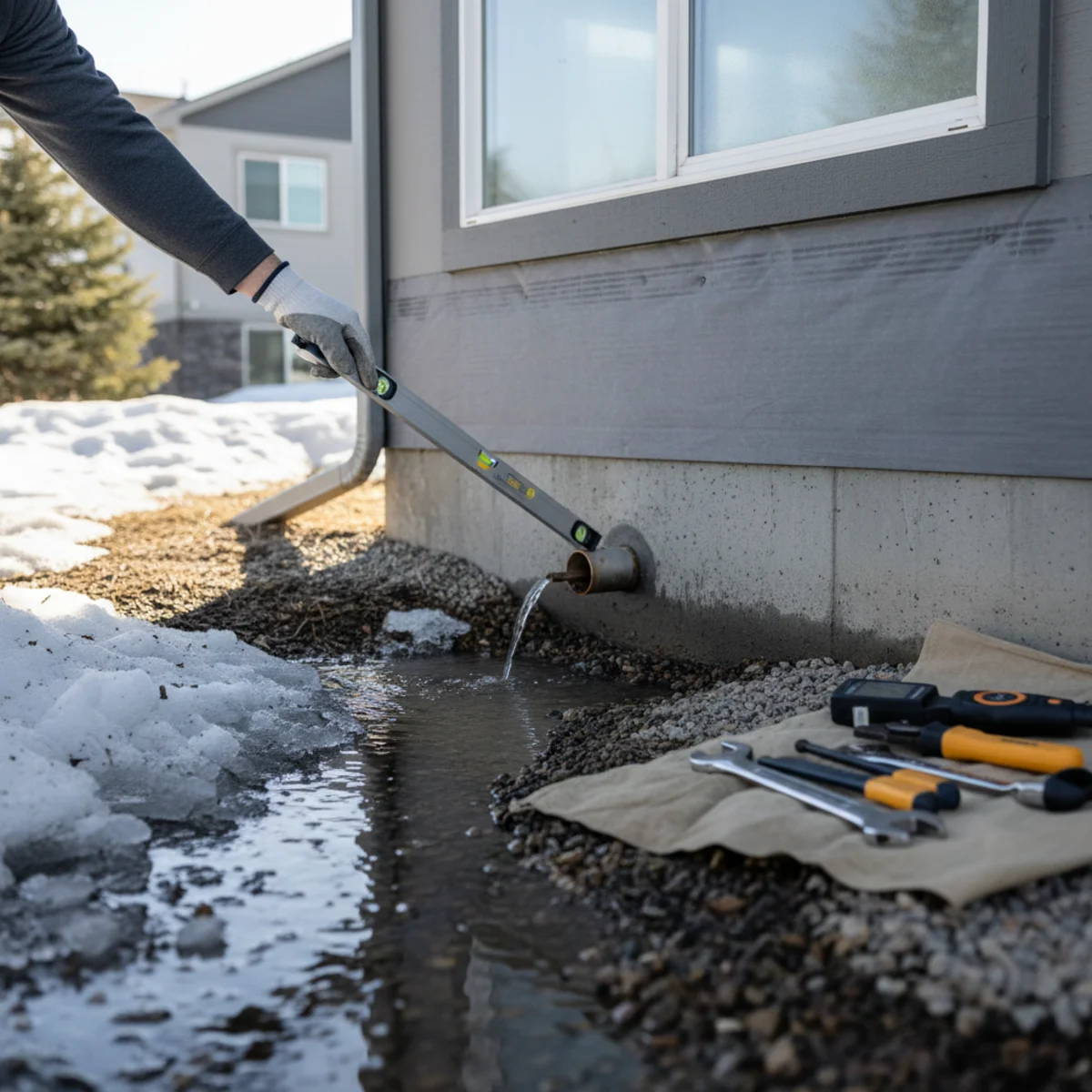
Why Colorado Snowmelt Can Overload Basement Drainage
Front Range snowmelt sends a slow, steady flood of water into the ground around your foundation. Here is why it overloads basement drainage in Littleton and how to prepare.
 Maintenance & Troubleshooting
Emergency Sump Pump Repair Guide
When your sump pump quits mid-storm, minutes matter. Here are the steps to take right now and the quick checks that sometimes get it running again.
Protect Your Basement Before the Next Storm
Get professional sump pump help from a local Littleton specialist. Clear, upfront estimates and careful, clean workmanship.
Available by appointment. Emergency sump pump help available.