
Sump Pump Service
Frozen Sump Pump Discharge Line Repair
Ice in the line backs water into the pit — exactly when you need flow.
A frozen discharge line is a winter emergency waiting to happen. When ice blocks the pipe, the pump can't send water anywhere, the pit overflows, and the basement takes on water during the coldest part of the year. Littleton Sump Pump Pros clears frozen lines and re-routes them so it doesn't happen again.
If your pump is running but water isn't leaving the pit on a cold day, the line is the first place to look.
- Local Littleton Service
- Professional Installation
- Clear, Upfront Estimates
- Battery Backup Options
- Careful, Clean Workmanship
- Emergency Help Available
Why discharge lines freeze in Littleton
Lines that run above ground, sit too shallow, or terminate in a low spot are prime candidates for freeze-back. Water left standing in the pipe freezes, ice builds at the outlet, and the blockage works its way back toward the house.
Front Range winters make it worse. A sunny 50-degree afternoon melts snow and fills the pit, and that night drops into the teens, freezing whatever water is still sitting near the outlet. Snow shovelled onto the outlet, or an extension hose left attached from summer, turns a working line into a blocked one overnight.
- Above-ground or shallow-buried lines exposed to cold
- Outlets that pool water instead of draining fully
- Long flat runs with no pitch, leaving water in the pipe
- Termination in a shaded, low, or snow-packed area
Frozen line or failed pump?
The two look alike from inside, but the clues differ. With a frozen line, the pump runs, sounds normal or strained, and the pipe near the pump may feel cold and rigid, but nothing comes out of the outlet outside, and you may see ice around it. A failed pump is usually silent or humming with no motor movement, and the outlet simply stays dry. If the pump runs and the water level in the pit doesn't drop, check outside first.
Clearing it — and preventing the next one
First we get flow restored so the pit isn't overflowing. Then we fix the cause: re-routing below the frost line, adding pitch so the line drains, relocating the outlet, or adding a freeze-resistant termination.
A one-time thaw doesn't solve a line that will just refreeze next week. We address the design, not only the ice.
A homeowner's winter checklist
Most freeze-ups can be headed off with a few minutes of attention before and during the cold months.
- Disconnect any flexible extension hose from the outlet before the first freeze
- Keep shovelled snow and plowed drifts off the outlet
- After a warm day, check that the outlet isn't capped with ice by evening
- Watch for the pump running longer than usual during cold snaps
- Make sure water released at the outlet can't pool and refreeze on a walkway
How a frozen discharge line gets thawed safely
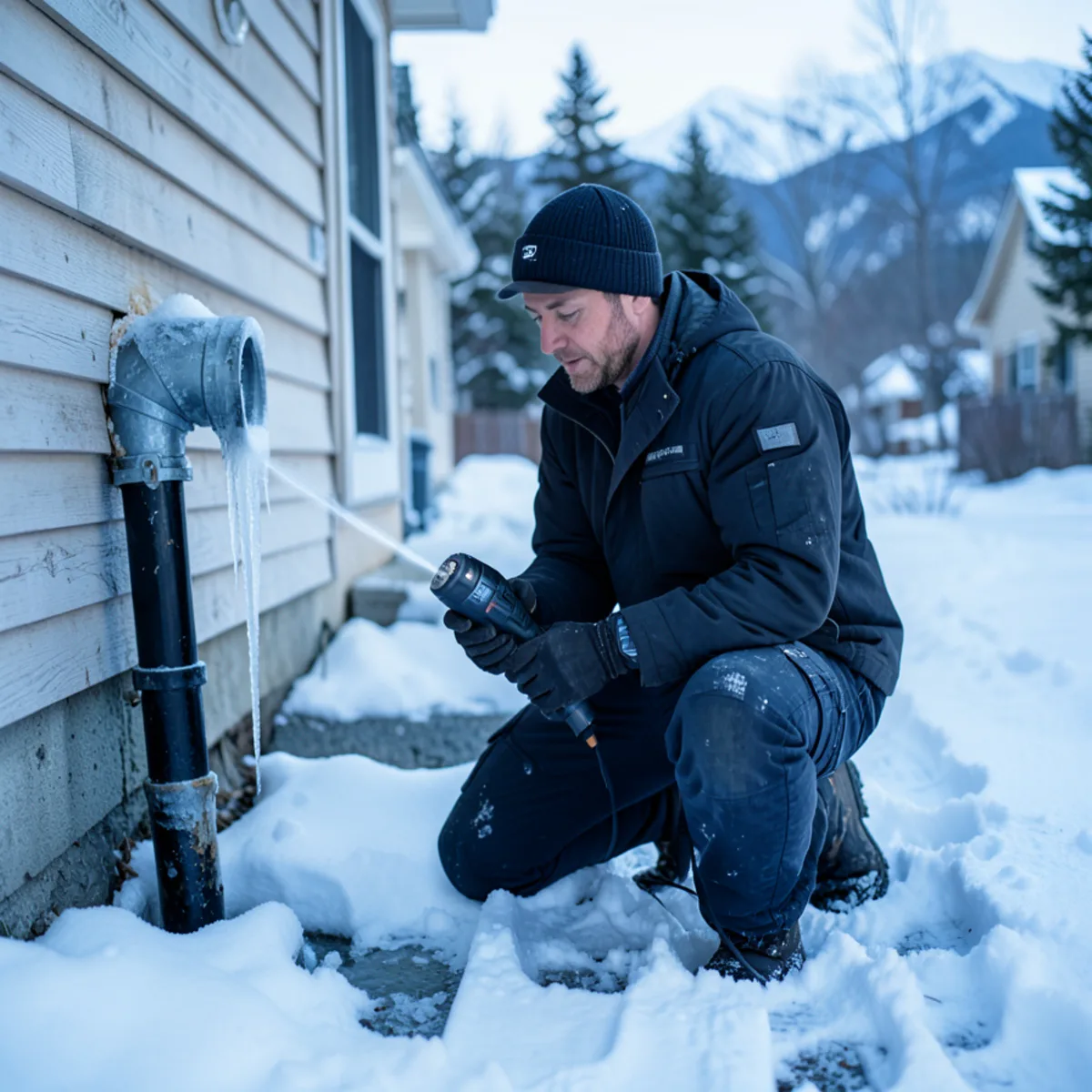
The goal is to melt the ice without cracking the pipe or creating a shock hazard next to a full pit. We start where the ice is, which is usually at the outlet or in a sagging section just past the foundation. Exposed sections can be warmed gently with heat; buried sections may need warm water fed through the line from a disconnected union or cleanout until the plug clears.
What we avoid matters as much. Open flames near plastic pipe, boiling water poured into fittings, and running the pump continuously against a blocked line all cause more damage than the ice. Once flow returns, we drain the line fully so it doesn't refreeze before the permanent fix is in.
Moving water out while the line thaws
If the pit is rising, the water has to go somewhere while the line is cleared. A temporary hose from the pump's union, run out through a window or door, lets the pump keep working. A wet vac or utility pump can keep the level down for short periods. Keep cords and connections out of standing water.
Checking for damage after the thaw
Ice expands, so a line that froze solid can split a fitting or crack a section of pipe, and the leak may only show up the next time the pump runs. A pump that ran against the blockage may have tripped its thermal cutoff repeatedly. After the line flows again, we run several full cycles, look for leaks at every joint we can reach, and listen to the pump for signs the episode shortened its life.
What a frozen-line repair costs depends on
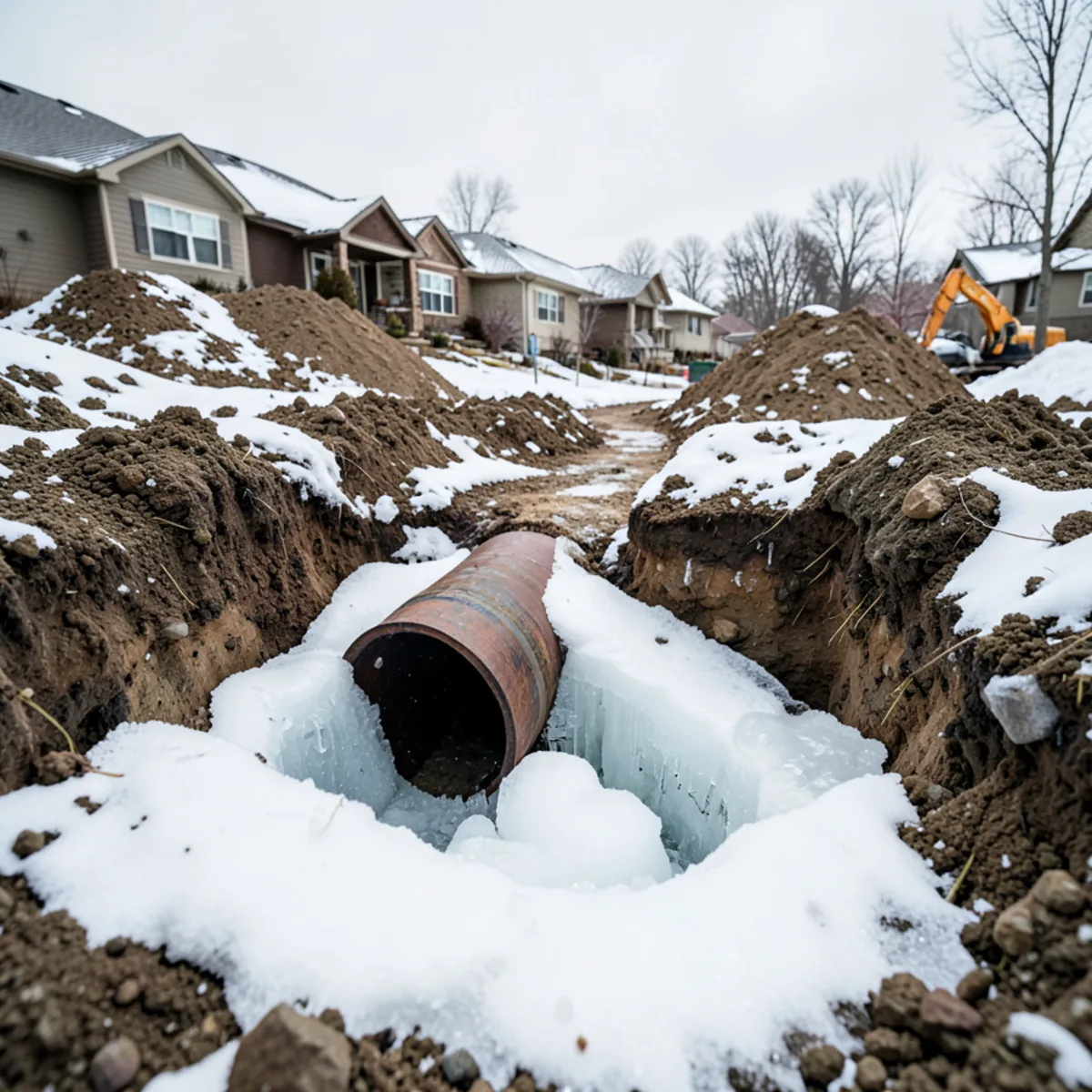
Clearing an ice plug at an exposed outlet is a short visit. Thawing a long buried section takes longer, and the permanent fix — re-pitching, re-routing below the frost depth, or relocating the outlet — is priced as its own job. In mid-winter, the ground itself can be frozen hard, so we sometimes recommend a temporary above-grade reroute with a freeze-relief fitting now and the full trenched repair once the ground thaws. We'll explain both options and their costs.
Rules that apply when a line is rerouted
A permanent reroute means digging, which in Colorado requires a Colorado 811 utility locate first. The new outlet still has to release groundwater on your property and away from the foundation, not into the sanitary sewer or across a public walkway where it would freeze.
How Our Frozen Sump Pump Discharge Line Repair Process Works
- 1
Control the pit
Set up temporary discharge so the basement stays dry while we work.
- 2
Find the ice
Trace the line from the pump to the outlet to locate the blockage.
- 3
Thaw safely
Warm exposed sections or flush warm water through the line until flow returns.
- 4
Drain the line
Empty standing water so the line can't refreeze overnight.
- 5
Fix the cause
Re-pitch, reroute, or relocate the outlet, now or once the ground thaws.
- 6
Add freeze relief
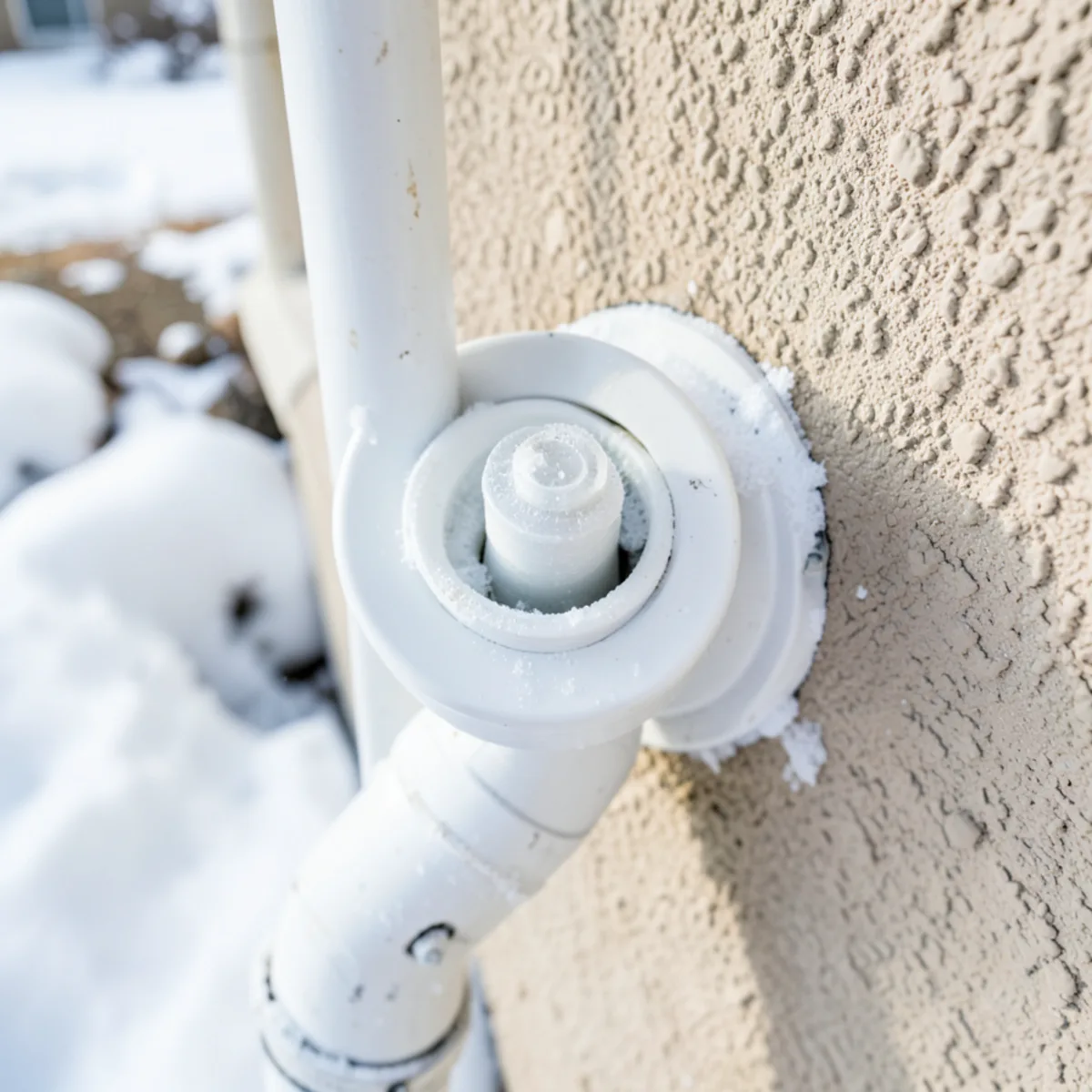
Fit a freeze-relief outlet at the house so a future blockage can't back up the pump.
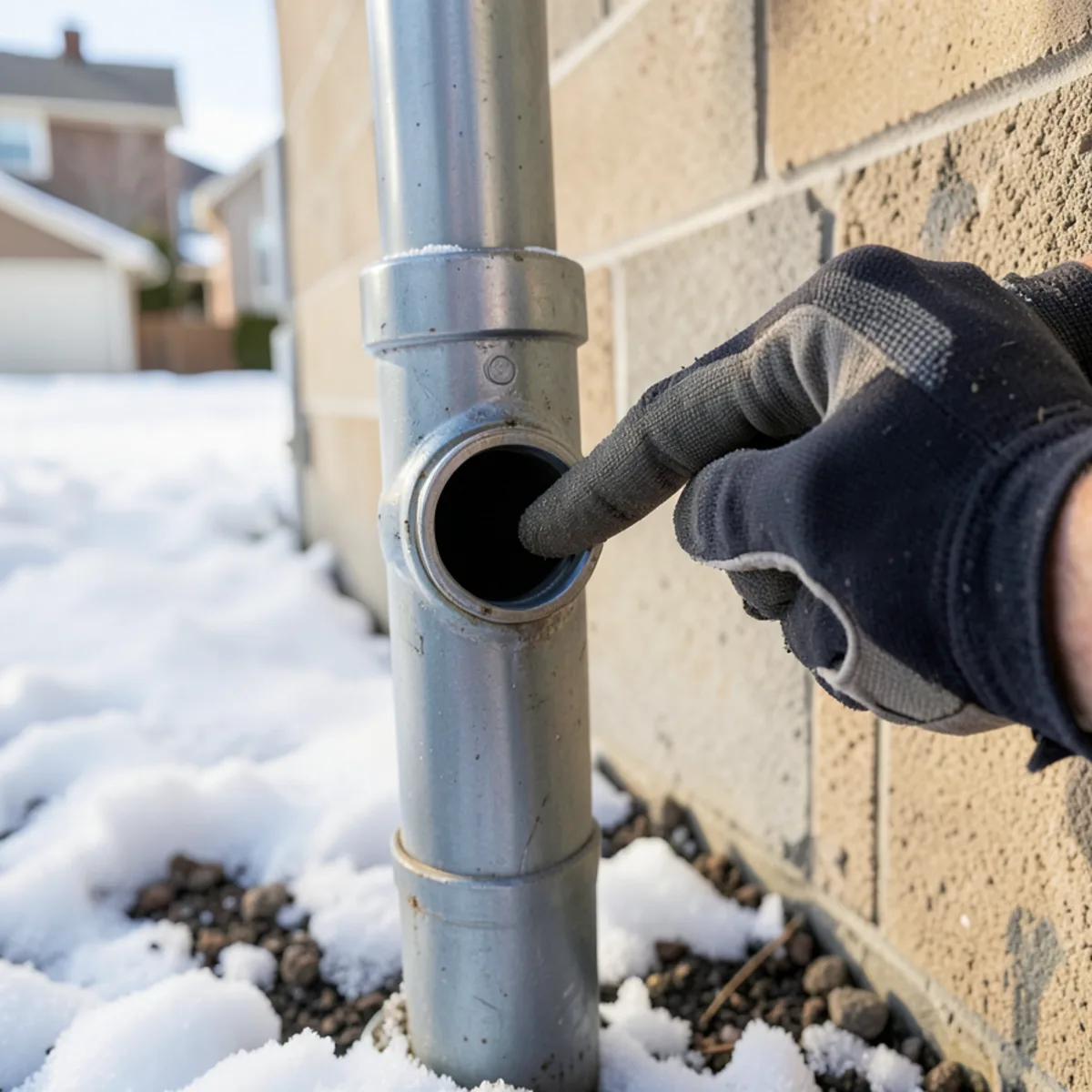
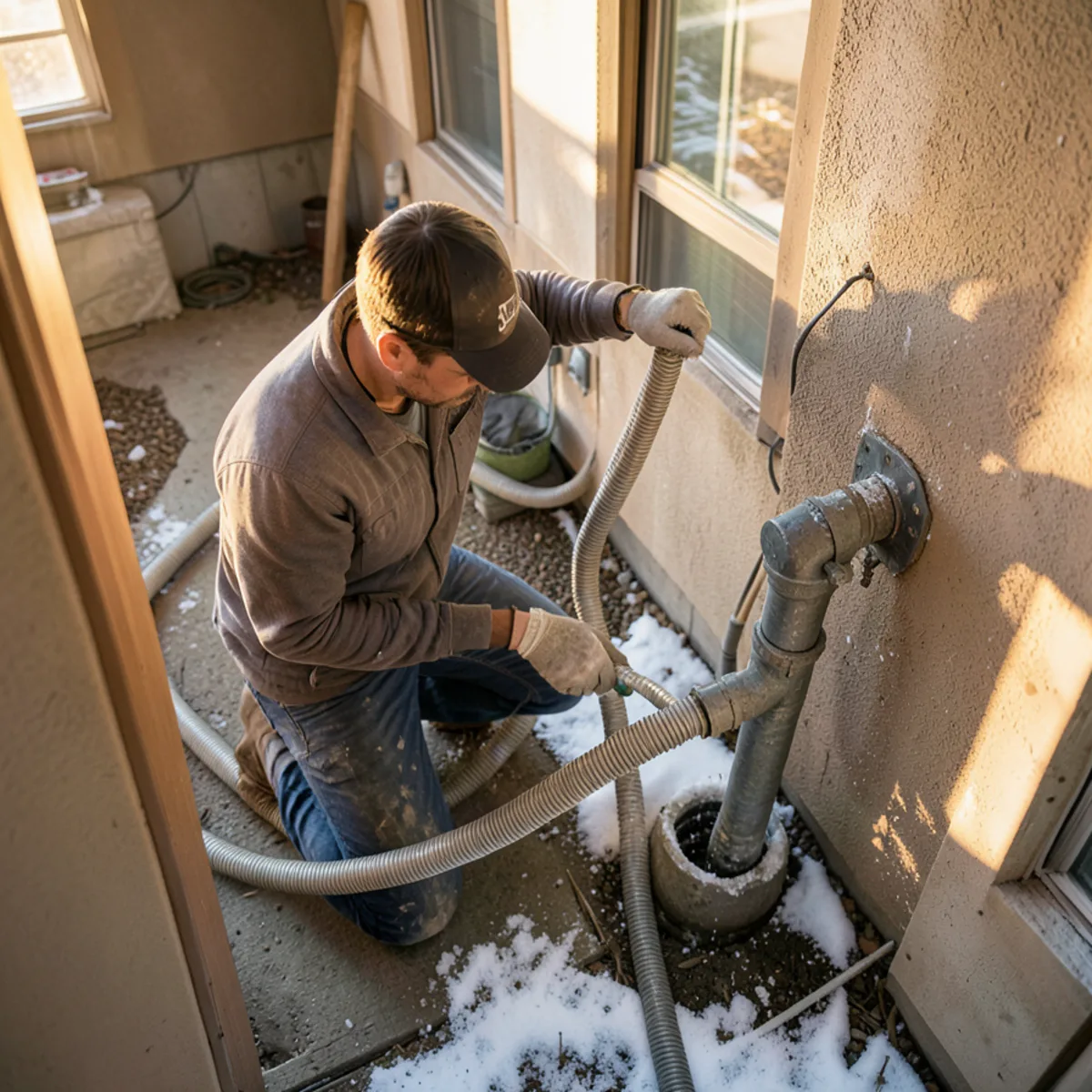
Frozen Sump Pump Discharge Line Repair: what the work looks like
Why Homeowners Choose Us for Frozen Sump Pump Discharge Line Repair
Frozen lines are one of the most common winter calls in Littleton, and they're a sump specialist's problem rather than a general plumbing one. We know where these lines usually freeze and how to clear them without cracking pipe or flooding the basement in the process.
We're based in Littleton at 8 W Dry Creek Cir. Emergency sump pump help is available when a pit is rising, and you'll hear plainly whether tonight's fix is temporary or permanent.
- Stops a pit overflow in the middle of winter
- Root-cause fix, not just a one-time thaw
- Re-routing below the frost line
- Freeze-resistant termination options
- Local cold-weather response
Services That Pair With Frozen Sump Pump Discharge Line Repair
Guides on Frozen Sump Pump Discharge Line Repair
Helpful Guides & Costs
Where We Provide Frozen Sump Pump Discharge Line Repair
See every community on the service areas page.
Frozen Sump Pump Discharge Line Repair FAQs
If the pit is rising, call (207) 419-2600 — an overflowing pit can flood the basement. Don't pour boiling water down an enclosed line or use an open flame. We clear the blockage safely and fix why it froze.
Bury it below the frost line, give it enough pitch to drain fully, and terminate it where it won't pool or pack with snow. A freeze-resistant outlet adds insurance during deep cold.
Yes — if the pump keeps running against a blocked line, it can overheat and fail. If you suspect a freeze, turn the pump off until the line is cleared.
Sometimes. When the ground is frozen hard, trenching is slow and expensive, so we often clear the ice, install a temporary reroute with freeze relief, and schedule the permanent below-frost line once the ground thaws in spring.
It can help on a short exposed section, but it doesn't fix a line that's buried too shallow or pitched wrong, and it needs a safe, protected outlet. A line that drains completely and sits below the frost depth is the reliable fix.
An ice plug at an exposed outlet often clears in well under an hour. A long buried section can take several hours of gentle warming or flushing. The permanent fix that stops it happening again is a separate job we can schedule once the line is flowing.
Outlet frozen solid?
A frozen line can burn out a pump in hours. We'll thaw it safely and fix the slope or route so it doesn't happen every winter.
- Safe thaw without open flame
- Freeze relief fitting added
- Low spots and sags corrected