Resource
How Does a Sump Pump Work?
The short answer, then how each part does its job.
Quick answer
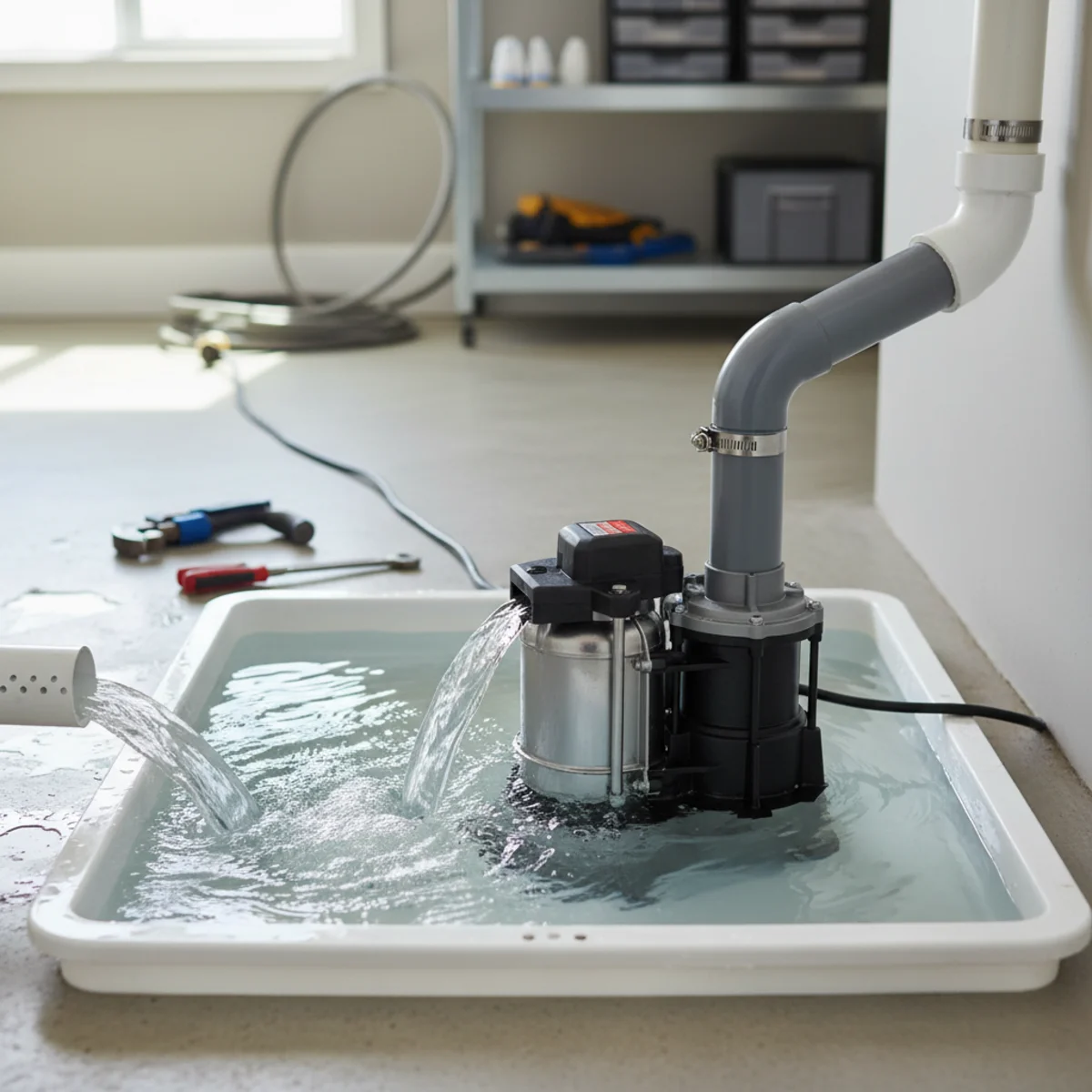
A sump pump works by collecting groundwater in a pit at the lowest point of your basement or crawl space, then pumping that water up and out — away from the foundation — before it can rise to the floor. When the water level in the pit lifts a float switch, the pump turns on; when it drops, the pump shuts off.
That's the whole idea. The details are in how the parts work together.
- Local Littleton Service
- Professional Installation
- Clear, Upfront Estimates
- Battery Backup Options
- Careful, Clean Workmanship
- Emergency Help Available
The parts of a sump system
- Pit (basin): collects groundwater at the low point
- Float switch: senses the water level and turns the pump on and off
- Pump: drives an impeller that pushes water up the discharge line
- Check valve: stops discharged water from draining back into the pit
- Discharge line: carries water out and away from the foundation
- Backup (optional): a second pump that runs during a power outage
Step by step
Groundwater seeps toward the pit, which sits at the basement's low point. As the pit fills, the float rises. At a set level, the float triggers the pump. The pump's impeller drives the water up through the discharge line and out of the house. A check valve keeps that water from sliding back down into the pit. When the pit empties, the float drops and the pump stops.
In Colorado, the discharge line should run below the frost line and terminate well away from the foundation, or it freezes back in winter and the whole system stalls.
When to call a pro in Littleton
If your pump runs constantly, won't turn on, or water still reaches the floor, the system needs attention. And if you don't have a sump pump at all but see dampness or seepage, that's the moment to install one — before the next storm. Call (207) 419-2600.
Keep Reading
Local trust
What Homeowners Say
A few illustrative examples of the basement-water problems we help solve across the Littleton area.
Our sump pump quit during a spring storm and the basement started taking on water. They walked us through what to do, got out quickly, and replaced the pump with a backup. Dry ever since.
We were finishing our basement and wanted to do it right. They sized a system for our clay soil, added a battery backup, and ran the discharge well away from the house. Clear estimate, clean work.
The discharge line kept freezing every winter. They re-routed it below the frost line and the problem is gone. Friendly, local, and they explained everything.
Our older home always smelled musty downstairs. They found water wicking up where the wall meets the floor, put in a proper pit and pump, and the smell is finally gone.
I got three quotes, and theirs was the only one that actually explained what I was paying for. No pressure, tidy work, and they tested everything before they left.
The pump was cycling every couple of minutes and driving us crazy. Turned out the pit was undersized. They fixed it right and showed me how to test it myself.
Reflective of the homeowners we help across the Littleton area.
Frequently Asked Questions
Protect Your Basement Before the Next Storm
Get professional sump pump help from a local Littleton specialist. Clear, upfront estimates and careful, clean workmanship.
Available by appointment. Emergency sump pump help available.