

Resource
What Does a Sump Pump Do?
The job it does — and why it matters in clay-soil country.
Quick answer
A sump pump keeps the lowest level of your home dry by collecting groundwater in a pit and pumping it away before it can rise to the floor. It's the primary defense against basement flooding, chronic dampness, and the foundation pressure that clay soil creates when it's saturated.
In plain terms: it moves water that would otherwise end up in your basement somewhere it can't hurt your home.
- Local Littleton Service
- Professional Installation
- Clear, Upfront Estimates
- Battery Backup Options
- Careful, Clean Workmanship
- Emergency Help Available
What It Actually Does for Your Home
- Removes groundwater that collects under and around the foundation
- Prevents basement and crawl space flooding during snowmelt and storms
- Relieves hydrostatic pressure from saturated clay soil
- Reduces humidity, musty odors, and mold risk
- Protects finished space, flooring, drywall, and stored belongings
Why It Matters in Littleton
Littleton's expansive clay soil swells when wet and pushes water toward the foundation under pressure. Add spring snowmelt and fast summer storms, and a basement without a working sump system is exposed. The pump is what gives that water a safe exit.
Many Littleton homes were built with a perimeter drain around the footing that feeds into the pit. The drain collects water before it reaches the walls; the pump is what removes it. Without a working pump, that drain just fills up and the water finds its own way in.
Where the Water in the Pit Comes From
The water a sump pump removes isn't rain falling into the basement. It's groundwater that collects in the soil around and under the foundation. Some of it is the natural water table, which rises in spring. Some comes from snowmelt soaking into the yard, lawn irrigation, and downspouts that drain too close to the house.
That water moves toward the lowest open space it can find. In a home with a sump system, that's the pit, through drain tile around the footing or gravel under the slab. In a home without one, it's the joint where the wall meets the floor.
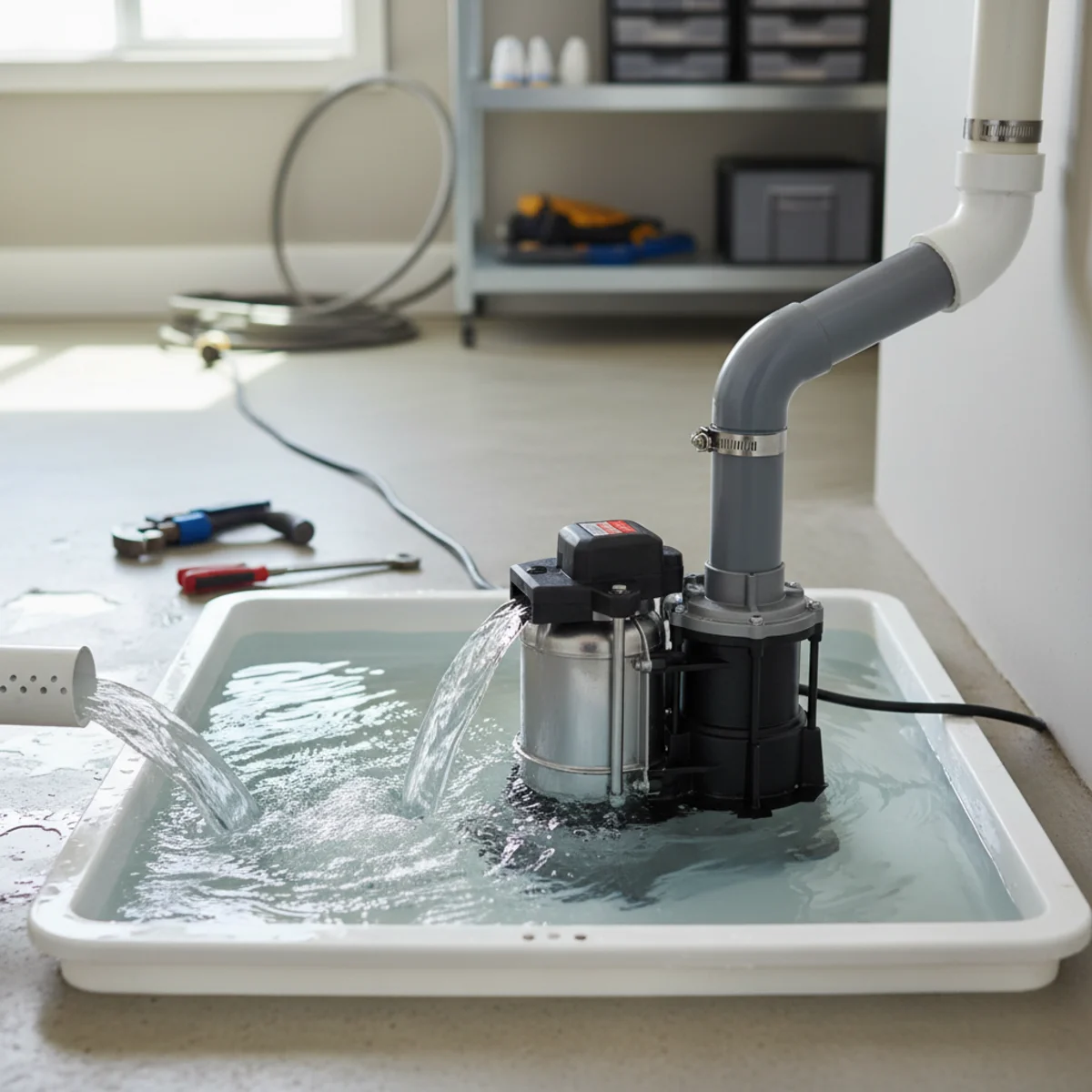
You can see this in the pit itself. After a dry week, the water level is low and still. After several days of snowmelt, you may see water trickling in from the drain tile openings in the side of the basin. That inflow is groundwater the pump is keeping out of your living space.
What a Dry Basement Protects
- The foundation: less water pressure against walls and slab, and less soil movement
- Mechanical equipment: furnaces, water heaters, and water softeners that sit on the floor
- Finished space: flooring, carpet pad, drywall, and trim that wick up water
- Stored belongings: boxes, furniture, and anything kept low on shelves
- Indoor air: lower humidity, fewer musty smells, and less chance of mold
- Resale: a dry basement with a working system is easier to sell
What a Sump Pump Doesn't Do
A sump pump is not a fix for every kind of basement water. It won't stop a sewer backup through a floor drain; that needs a backwater valve. It won't seal a cracked wall, and it doesn't dry humid air the way a dehumidifier does.
It also can't help with water that never reaches the pit. Water pouring in through a window well, or running off a patio that slopes toward the house, has to be handled outside with grading, drains, or covers.
Knowing those limits keeps expectations realistic. A sump pump handles groundwater; the other problems need their own fixes, and many basements need a mix of both.
A Year in the Life of a Littleton Sump Pump
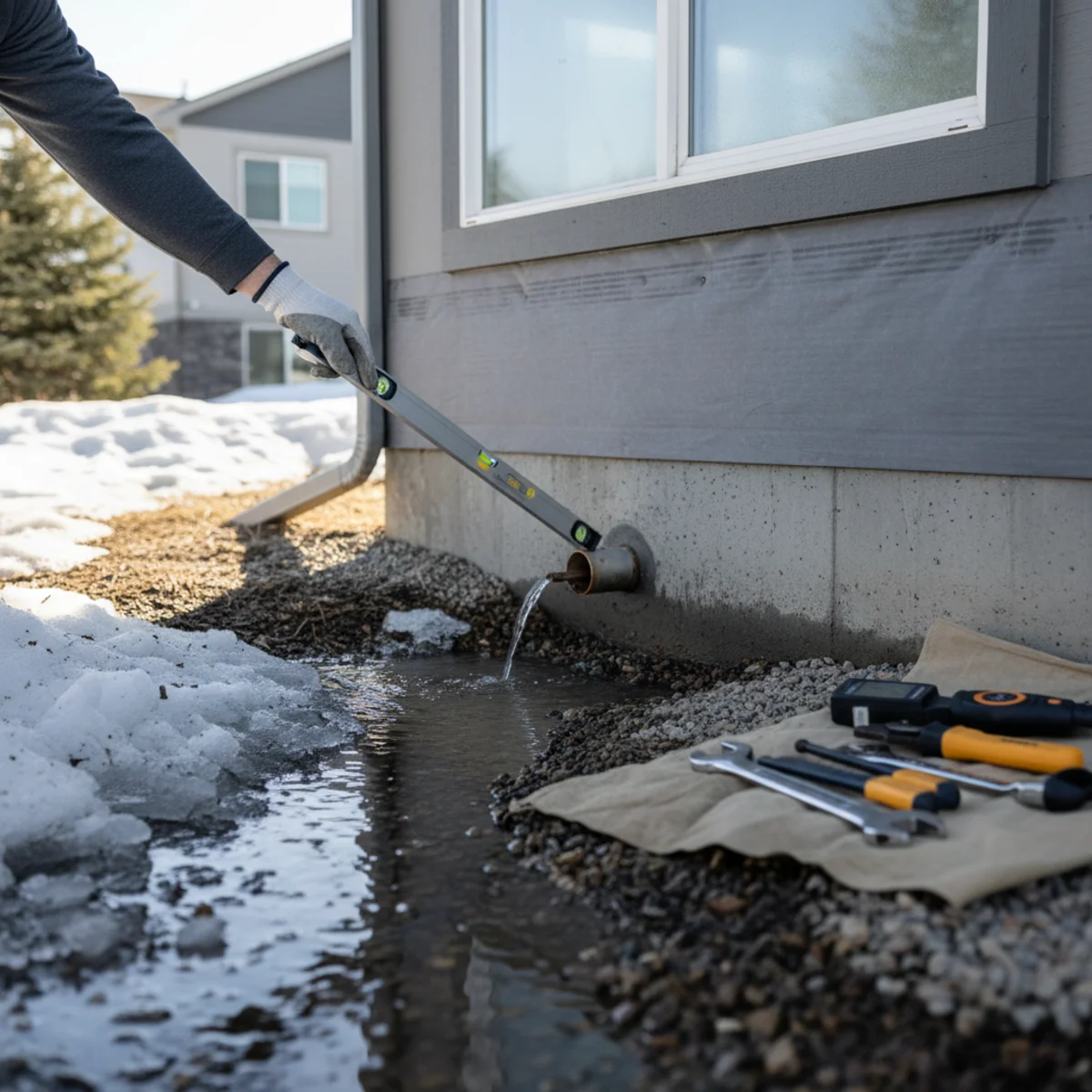
In winter the pump may barely run, but the discharge line can freeze, so the outlet is what needs watching. As snow melts from March into May, groundwater rises and the pump works hardest, sometimes cycling many times an hour. Summer thunderstorms bring short bursts of heavy work, often during power outages. By fall it's quiet again, which makes it the best time to test, clean, and replace parts.
Knowing that rhythm helps you plan. Test the pump before snowmelt, check the backup before summer storm season, and watch the outlet in winter. A pump that gets attention at the right times of year rarely surprises its owner.
What Changes When the Basement Is Finished
In an unfinished basement, a little water at the floor joint is a nuisance. In a finished one, the same water soaks carpet pad, wicks up drywall, and swells baseboards before anyone notices. The pump's job doesn't change, but the cost of it failing does.
That's why finished basements usually get a few extras: a backup pump in the same pit, a high-water alarm someone will hear, and a sealed lid that keeps odor and noise out of the living space. The pit also needs an access panel, not a sheet of drywall, so it can be tested and serviced.
Homes That Can Do Without One
Not every home needs a sump pump. A house on high ground with sandy soil, good grading, and a basement that stays dry through wet springs may never need one. The question is less whether the basement has flooded and more whether water is reaching the foundation at all, which shows up as dampness, efflorescence, or water in the pit.
Even then, conditions change. A neighbor regrades a yard, a new patio sends water toward the wall, or a wet decade raises the water table. Watching the basement after the wettest weeks of each year is the simplest way to know whether your home has joined the group that needs one.
Deciding Whether Your Home Needs One
If you see dampness, seepage, or pooling — or your home has finished basement space with no protection — it's worth installing or upgrading a system. Call (207) 419-2600 for a free estimate.
If you're unsure, an assessment is a short visit. We look at the walls, the floor joint, the yard's grading, and any existing pit, then tell you plainly whether a sump system makes sense, or whether gutters, downspouts, or a dehumidifier would solve the problem for less.
From the field
The Question We Answer Most Often
Homeowners often ask whether their basement really needs a sump pump if it has stayed dry so far. Our answer depends on what we find in the pit and on the walls. Water standing in an existing pit after a dry week means groundwater is close. White mineral lines on the walls mean water has been there before.
When neither is present and the lot drains well, we say so. When they are, a working pump is what keeps the next wet spring from becoming a flooded floor.

It Gives Groundwater Somewhere Else to Go
A sump pump's job is simple: catch the groundwater that collects around your foundation and send it away before it reaches the floor. It protects the structure, the equipment, and anything you keep downstairs. It won't fix every water problem, but in clay-soil neighborhoods like Littleton's it's the part that does the most work.
Want a second opinion on your own system? Call (207) 419-2600 and talk it through with a local sump specialist.
Local service nearby
More guides related to what a sump pump does
What a Sump Pump Does: Your Questions Answered
Basement and crawl space flooding, chronic dampness, mold from high humidity, and the foundation pressure that saturated clay soil creates. It's the core defense for any below-grade space.
Maybe. If you have a finished basement, a high water table, or a low-lying lot, a sump pump is cheap insurance. Many basements stay dry only because conditions haven't peaked yet.
No — it runs only when the pit fills enough to lift the float, then shuts off. A pump that runs constantly usually has a stuck float, a bad check valve, or a high water load worth investigating.
Not on its own. Window wells need their own drain, a cover, or both. If a window well has a drain connected to the footing drain, the sump pump can remove that water, but only if the drain is clear and the pump is working.
Talk to a Local Pro About What a Sump Pump Does
Get professional sump pump help from a local Littleton specialist. Clear, upfront estimates and careful, clean workmanship.
Available by appointment. Emergency sump pump help available.