

Resource
Sump Pump Maintenance Checklist
What to check, and how often, to keep the system storm-ready.
Quick answer
A good sump pump maintenance checklist comes down to a few quarterly checks and one thorough annual service — ideally before spring snowmelt. Stay on this rhythm and your pump will be ready when the water arrives, instead of failing when you need it most.
Print this, or save it. Here's the routine.
- Local Littleton Service
- Professional Installation
- Clear, Upfront Estimates
- Battery Backup Options
- Careful, Clean Workmanship
- Emergency Help Available
Every Few Months
- Pour a bucket of water in to confirm the pump activates and shuts off
- Check the float moves freely and isn't tangled
- Listen for unusual grinding or humming
- Confirm water exits the discharge outside, away from the foundation
A Monthly Thirty-Second Look
Between full checks, take a quick look every month or so. Lift the lid and check the water level and the float. Make sure the pump is plugged in, the cord is clear of the float, and nothing has fallen into the pit. Glance at the backup controller for warning lights. It takes less than a minute and catches problems early.
Once a Year, Before Storm Season
- Clean silt and debris from the pit and intake screen
- Inspect and test the check valve
- Test the battery backup and check the battery's age (replace every 3–5 years)
- Inspect the discharge line for clogs and freeze damage
- Confirm the discharge still terminates well away from the house
- Verify the pump is level and seated correctly in the pit
A Season-by-Season Calendar for Colorado
Colorado's weather sets the schedule. Each season brings a different kind of stress, so the most important check changes through the year:
- Late winter (February to March): full test, pit cleaning, and backup battery check before snowmelt
- Spring (April to May): watch run time during snowmelt; confirm the discharge outlet is clear and draining away
- Early summer (June): test the backup and alarm before thunderstorm season and its power outages
- Late summer to fall: best time to replace an aging pump, check valve, or battery while the pit is quiet
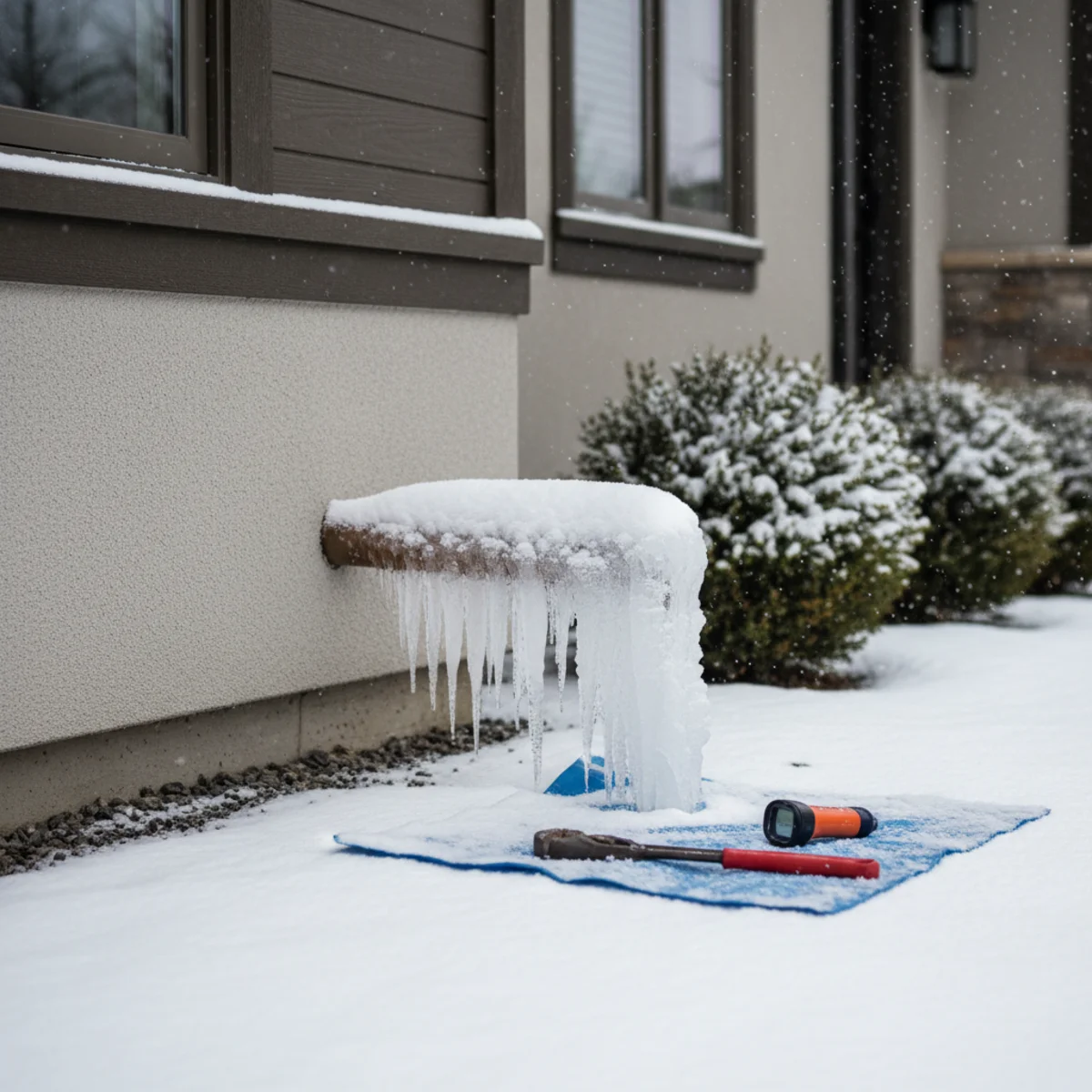
- Winter: check that the discharge outlet isn't buried in snow or ice, and that any hose is disconnected
Extra Checks for a Finished Basement
If the pit sits in a finished room, add a few items. Make sure the access panel or closet door opens freely and nothing is stored on top of the lid. Check that the lid's gasket still seals, since that's what keeps odor and noise out. Test the high-water alarm and confirm someone will actually hear it. And look along the base of nearby walls for any sign that water reached the flooring since your last check.
The Parts That Wear Out, and When
Every part of a sump system has its own lifespan, and they don't all wear out together. Knowing roughly when each is due helps you plan replacements instead of reacting to failures.
Most primary pumps last about seven to ten years, less in pits that cycle constantly. Float switches can fail sooner, especially in pits with silt or mineral buildup. Check valves wear and start to leak or slam. Backup batteries typically need replacing every three to five years, even if they still show a charge. Discharge lines last a long time if they're protected from freezing and crushing, but above-ground hoses crack and kink.
- Primary pump: about 7 to 10 years
- Backup battery: about 3 to 5 years
- Float switch: check every visit; replace when sticky or slow
- Check valve: replace when it slams, leaks back, or with a new pump
- Discharge hose: inspect every fall; replace if cracked or flattened
Keep a Simple Service Record
Write the install date of the pump and battery on a piece of tape on the pit lid or nearby wall, and keep a note on your phone of each test: the date, how long the pump took to clear the pit, and anything you noticed. When something changes, you'll see it, and anyone servicing the system will have a head start.
Photos help too. A quick picture of the pit and the controller after each check makes changes easy to spot.
What Skipping Maintenance Usually Leads To
Most sump pump failures we see didn't come out of nowhere. A float that started sticking months ago finally stays stuck. A backup battery that hadn't been checked in years runs for twenty minutes instead of several hours. A discharge hose buried in snow freezes solid the week of a thaw.
Each of those would have shown up on a routine check. Skipping maintenance doesn't save time; it moves the work to the worst possible moment, usually during a storm, at night, with water already on the floor.
The fixes themselves are usually small. A float repositioned, a battery swapped, a hose cleared of ice. What makes them expensive is finding them late, after water has already reached carpet, drywall, or the furnace. A routine check turns an emergency into a ten-minute job on a dry afternoon.
Splitting the Work Between You and a Pro
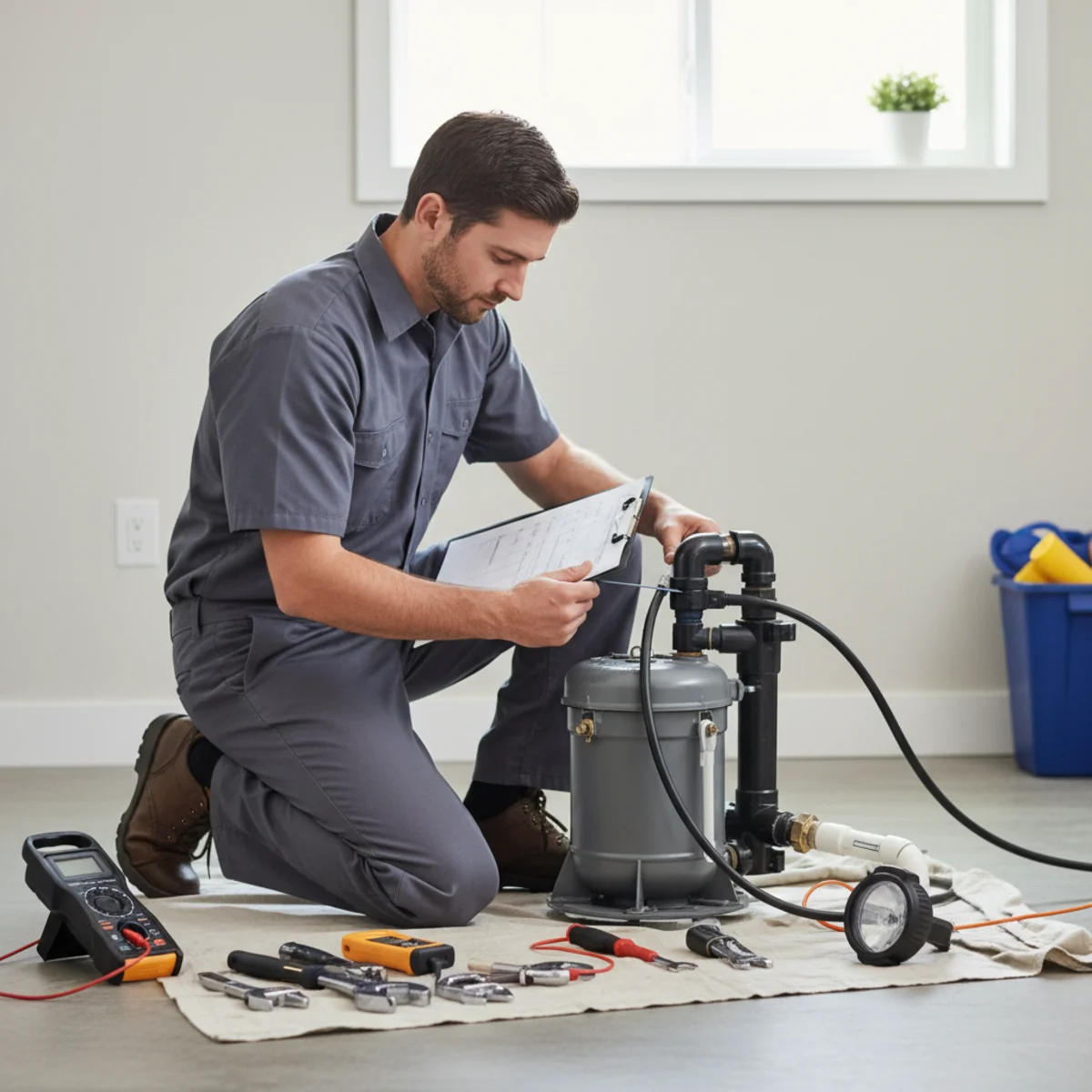
Most of this checklist is homeowner work. Looking in the pit, pouring a bucket of water, checking the outlet, and keeping the cord clear take no tools and no training. Those monthly and quarterly checks are where most problems are first noticed.
The yearly service is where a professional visit earns its keep. Pulling a heavy pump, testing a backup under load, checking the electrical supply, replacing a check valve in hard pipe, and judging whether the pump is still the right size are easier with experience and the right parts. Many homeowners do the quick checks themselves and book one visit a year before snowmelt.
When a Check Fails
If anything fails a check — or you'd rather have the whole system serviced professionally before snowmelt — we handle annual maintenance for Littleton-area homes. Call (207) 419-2600.
A professional visit makes sense once a year for most homes, and it's worth it any time a check fails, the pump is near ten years old, or you're about to finish the basement. We go through the same list, plus the electrical side, the pit condition, and whether the system is still the right size for how hard it works.
From the field
The Item Most Checklists Leave Out
The check most people skip is unplugging the main pump to test the backup. The backup controller shows a green light, so it seems fine. But a green light only means the battery holds a charge at rest. Under a real load, an older battery may only run the backup for a short time.
We run the backup through a full pit cycle on every maintenance visit, with the main pump unplugged. It's the one test that tells you what will happen during an outage.

Small, Regular Checks Win
Sump pump maintenance isn't complicated. A quick look every month, a bucket test every few months, and one full service a year before snowmelt keep most systems ready. Follow the seasonal calendar, track the age of each part, and keep a simple record. When a check fails, fix it while the weather is dry.
Want a second opinion on your own system? Call (207) 419-2600 and talk it through with a local sump specialist.
Local service nearby
More guides related to sump pump maintenance
Sump Pump Maintenance: Your Questions Answered
Quarterly: a bucket test, a float check, and a discharge check. Annually: pit cleaning, check-valve test, backup-battery test, and a discharge/freeze inspection — ideally before spring snowmelt.
Late winter (February–March), before spring runoff. Servicing ahead of the busy season means you're protected when the water actually arrives.
Typically 3 to 5 years. Test it during maintenance and replace it on schedule so the backup is ready during a storm-related outage.
Yes. Pumps that sit idle for long stretches can stick, and you won't know until the water rises. Test it before each wet season, and check that the float moves freely and the pit is clear. A pump that rarely runs should still get a yearly look.
Talk to a Local Pro About Sump Pump Maintenance
Get professional sump pump help from a local Littleton specialist. Clear, upfront estimates and careful, clean workmanship.
Available by appointment. Emergency sump pump help available.