
Sump Pump Service
Sump Pump Maintenance
Test, clean, and check the whole system before the next storm season.
Sump pump maintenance is cheap insurance. A pump that sits unused for months can seize, the float can stick, and the pit can fill with silt — all of which you'd rather discover during a test than during a storm. Littleton Sump Pump Pros services systems for homes across the Littleton area.
The best time to test a pump is before you need it. Late winter, ahead of spring snowmelt, is ideal.
- Local Littleton Service
- Professional Installation
- Clear, Upfront Estimates
- Battery Backup Options
- Careful, Clean Workmanship
- Emergency Help Available
What annual maintenance covers
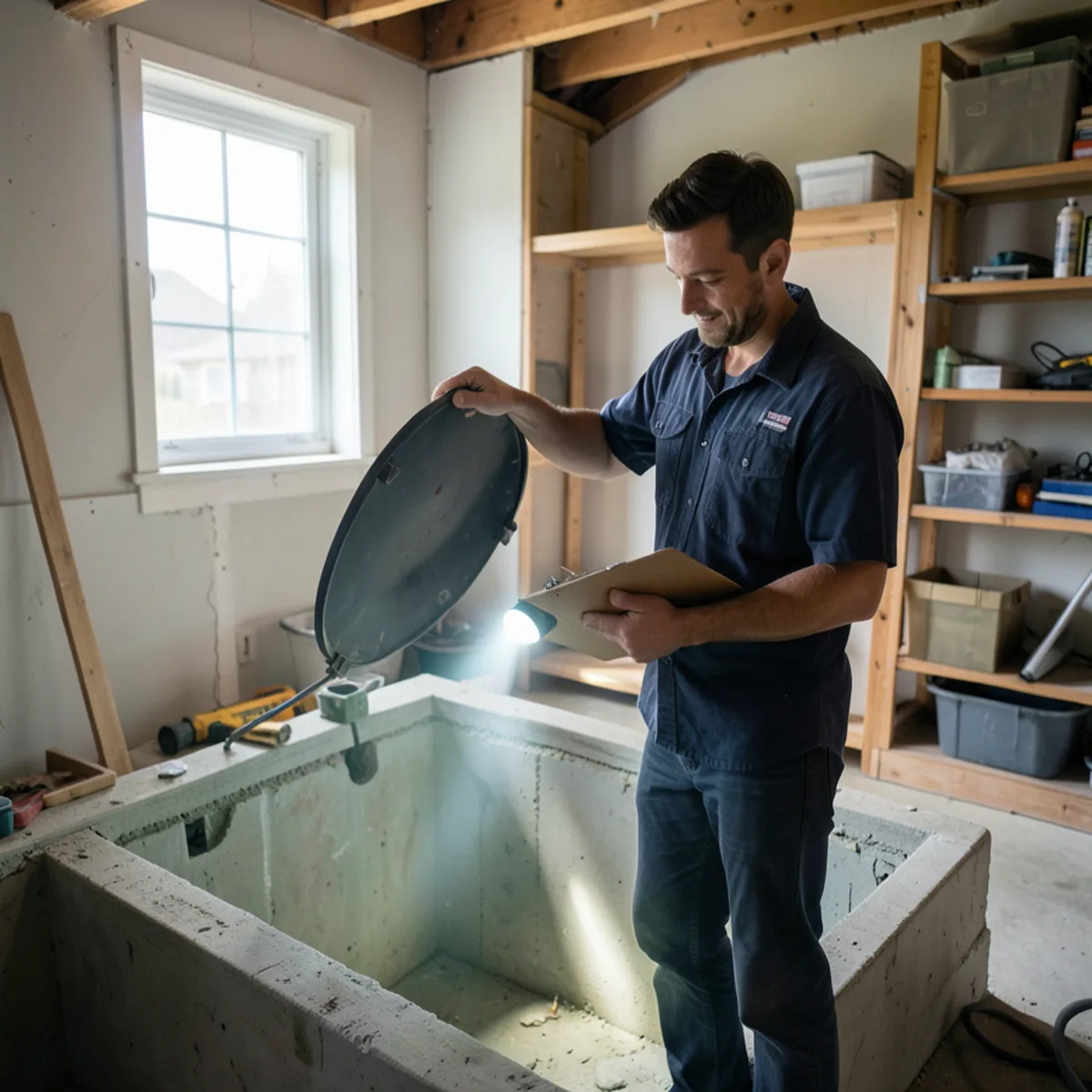
A maintenance visit is a full working test of the system under the conditions it will face in spring, not a glance into the pit. We run the pump from a full basin, watch the check valve hold, follow the discharge outside, and test the backup on its own power. Anything that's wearing out gets noted with a plain explanation of how urgent it is.
- Pour-test the pit to confirm the float activates and the pump runs
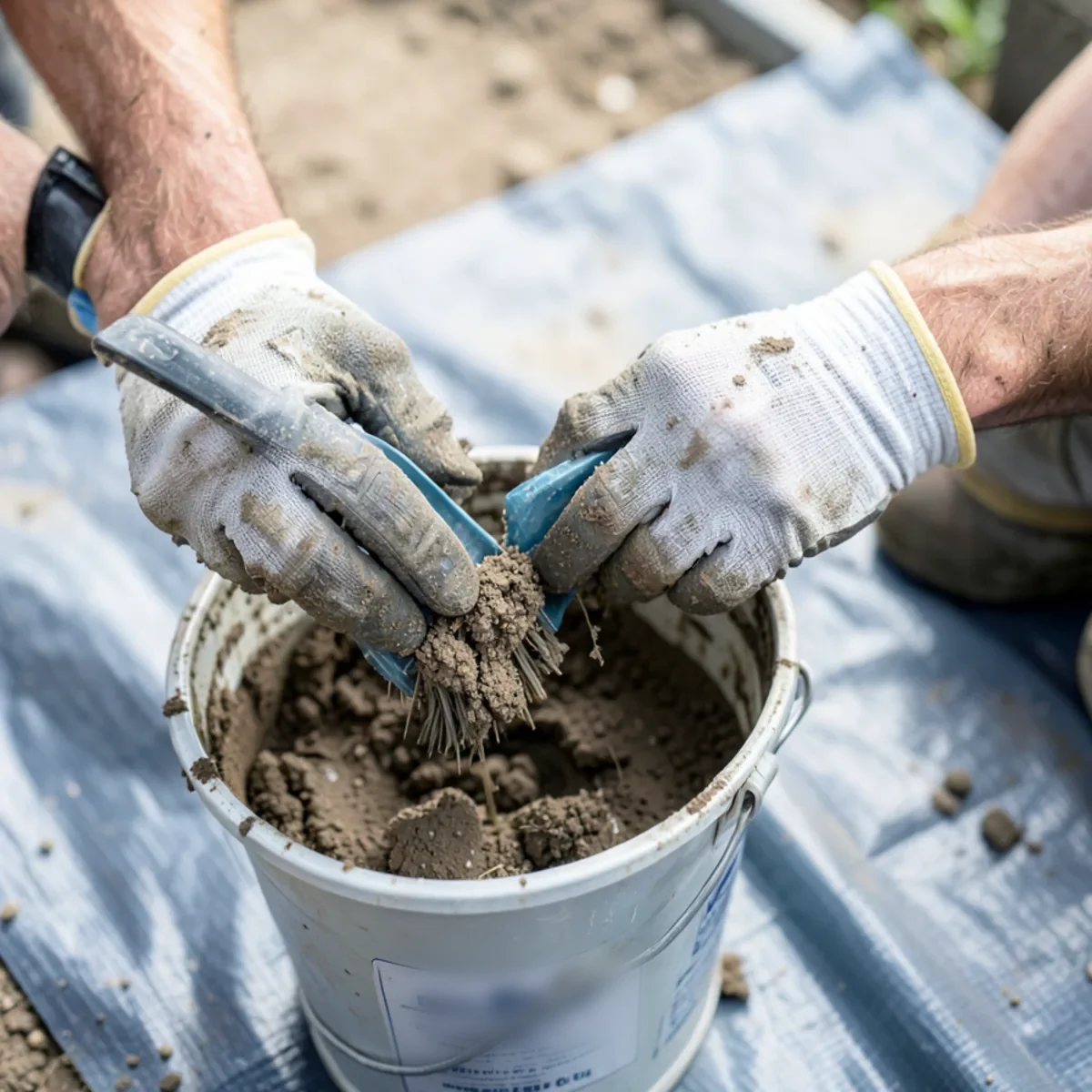
- Clean silt and debris from the pit and intake screen
- Inspect and free the float switch
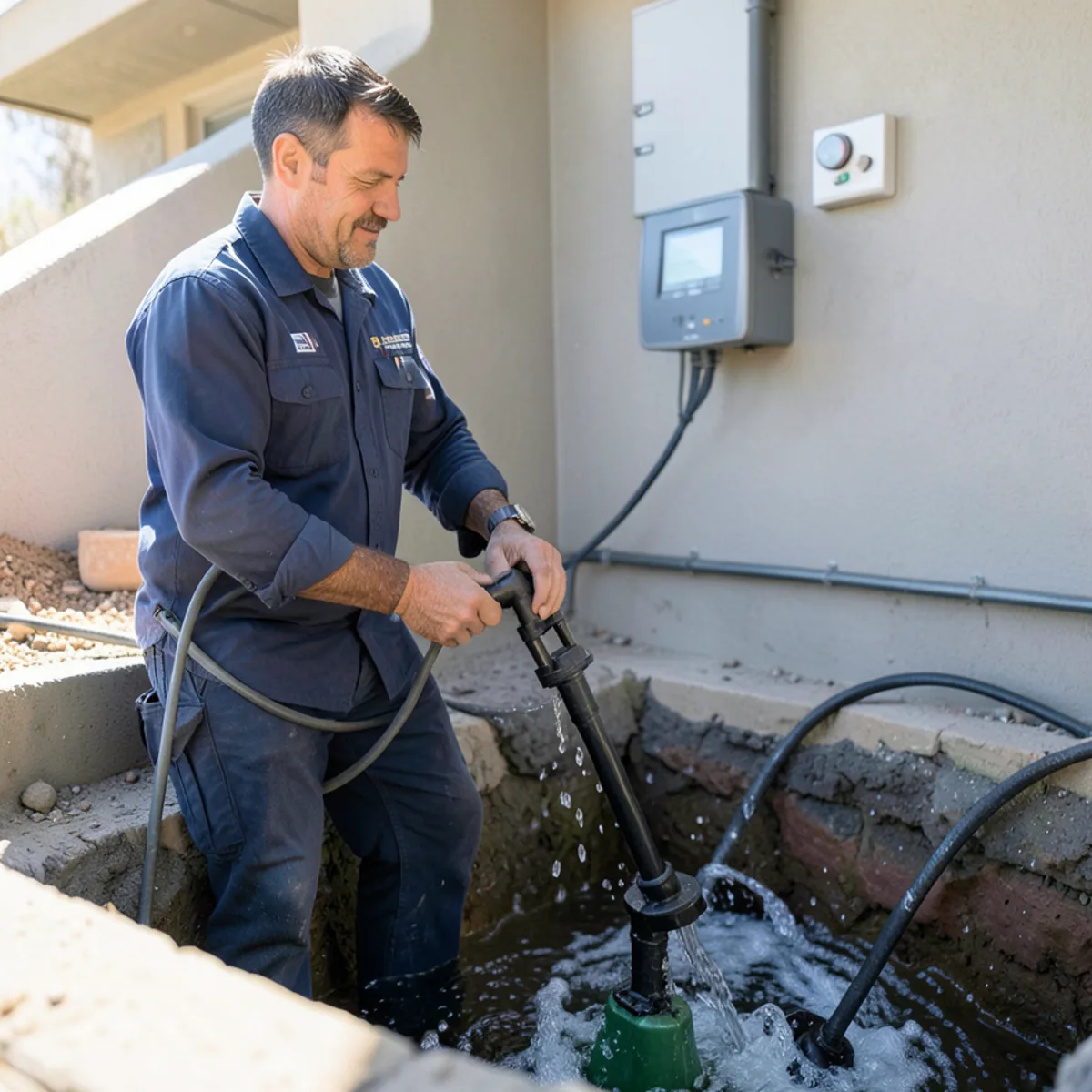
- Check the check valve and discharge for clogs or freeze-back damage
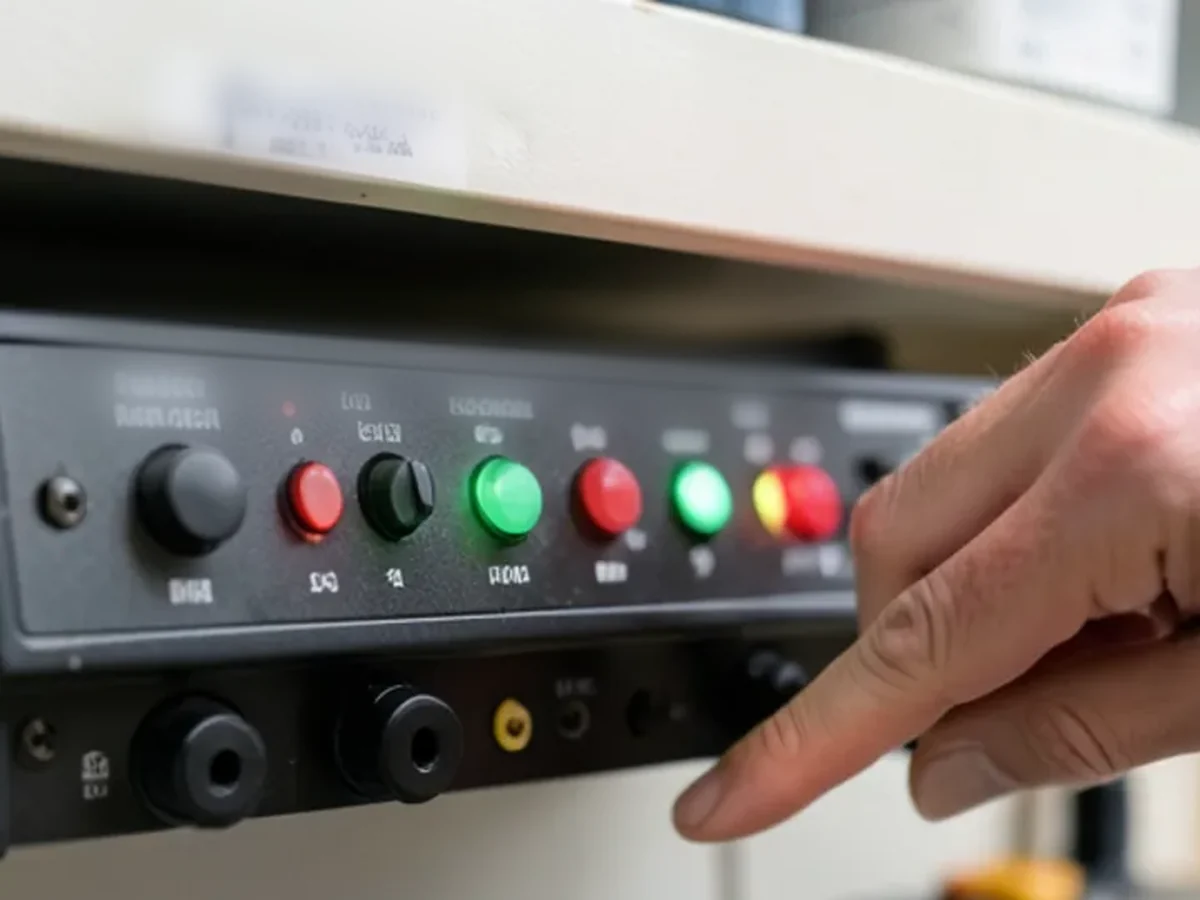
- Test the battery backup and check battery health
- Confirm the discharge still terminates away from the foundation
Why Colorado homes need it on a schedule
Freeze-thaw cycles shift soil and can damage shallow discharge lines over winter. Mineral-rich water leaves deposits that gum up moving parts. And backup batteries quietly age out on a 3–5 year clock.
A yearly check catches all of that while it's a tune-up — not an emergency.
A simple sump pump maintenance schedule
- Every 3 months: pour a bucket of water into the pit and watch the pump start and stop
- Every spring and after big storms: check that the discharge outlet outside is clear
- Every year, in late winter: professional service — clean the pit, test the float, check valve, and backup
- Every 3–5 years: replace the battery on a battery backup system
- Every 7–10 years: plan to replace the primary pump before it fails
Winter prep for the discharge line
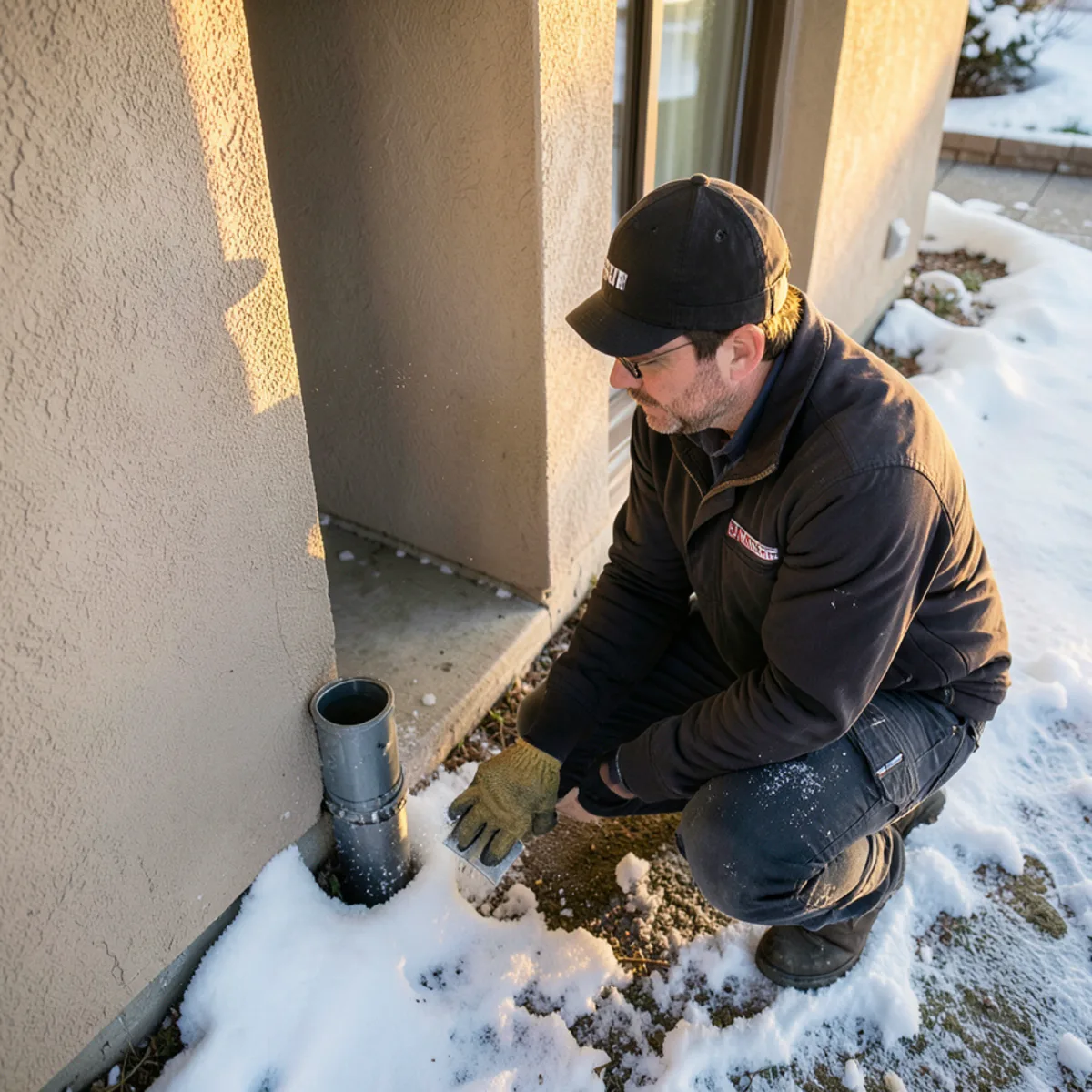
Before the first hard freeze, remove any flexible extension hose from the discharge outlet; a hose full of water freezes solid and blocks the pump. Make sure the outlet isn't buried by drifting snow or shovelled piles, and that water released there runs away from the house instead of pooling and refreezing on a walkway.
What you can do yourself — and what to leave to us
Homeowners can safely pour-test the pump, keep the area around the pit clear, and check that the outdoor discharge isn't buried in snow or debris. Our maintenance checklist and testing guide walk through those steps.
Pulling the pump, cleaning a heavily fouled pit, replacing a float or check valve, testing a backup battery under load, and checking a discharge line for freeze damage are where a professional visit earns its keep. If the pit is part of a radon mitigation system, the lid also has to be resealed correctly afterward.
Keep a simple maintenance record
Write the date of each test, the pump's install date, and the backup battery's install date on a card taped near the pit, or keep the notes from each visit. It tells you when replacement is due, and if you ever file a water-damage claim, a record of regular maintenance helps show the failure wasn't neglect.
Maintenance across the south and west Denver Metro
We service sump systems throughout Littleton and nearby communities in Jefferson, Douglas, and Arapahoe counties — including Golden, Lakewood, Ken Caryl, Columbine, Highlands Ranch, Centennial, Parker, and Aurora. Foothills homes tend to see runoff later in the spring, so we schedule them with that in mind.
Signs your sump pump is overdue for service
Pumps rarely fail without warning. In the weeks before a failure, most give signs that a homeowner can spot during a quick look into the pit. If you notice any of these, book a visit rather than waiting for the yearly date.
- The pump cycles every minute or two in dry weather
- Silt, gravel, or orange sludge is visible in the bottom of the pit
- A loud clunk when the pump shuts off, or water falling back into the pit
- The float drags along the basin wall or catches on the cord
- The battery backup alarm chirps or the battery is more than three years old
- Nobody can remember when the system was last tested
What maintenance costs, and what can change it
Routine maintenance is a fixed scope, so the price is predictable for a typical single-pump system. It goes up with more equipment to test, such as a battery backup, a water-powered backup, or a second pit, and with how much cleaning the basin needs. Parts are separate: if we find a worn float, a leaking check valve, or a battery past its life, we price the replacement before doing it so you can decide.
When maintenance turns up a code issue
Routine testing and cleaning don't need a permit. What we sometimes find does: a pump on an extension cord, a discharge piped into a floor drain or laundry sink, or an outlet without GFCI protection. Groundwater generally isn't allowed into the sanitary sewer, and electrical changes may need a permit from your city or county, so we explain what needs fixing and what that involves.
How Our Sump Pump Maintenance Process Works
- 1
Book before runoff
We schedule in late winter so the system is checked before spring snowmelt.
- 2
Test from full
Fill the pit, confirm the float starts the pump, and watch a full cycle to shut-off.
- 3
Clean the pit and intake
Pull the pump if needed, clear silt and sludge, and free the float.
- 4
Check valve and discharge
Confirm the check valve holds and the outside outlet is clear and draining away.
- 5
Test the backup
Cut power to the primary, confirm the backup runs and alarms, and check battery health.
- 6
Written notes
What's in good shape, what's aging, and anything that should be fixed before spring.
Sump Pump Maintenance: what the work looks like
Why Homeowners Choose Us for Sump Pump Maintenance
Maintenance done by a sump specialist catches the things a general handyman visit misses: a check valve that leaks back slowly, a backup battery that passes a quick button test but fails under load, or a discharge that will freeze in January.
We're based in Littleton at 8 W Dry Creek Cir and schedule maintenance by appointment. Every visit ends with written notes so you know exactly what's healthy and what's aging.
- Catch problems before storm season, not during it
- Cleaner pit and intake for reliable operation
- Battery backup tested and battery health checked
- Discharge and freeze-back inspection for Colorado winters
- Straightforward report on what's aging
Services That Pair With Sump Pump Maintenance
Guides on Sump Pump Maintenance
Helpful Guides & Costs
Where We Provide Sump Pump Maintenance
See every community on the service areas page.
Sump Pump Maintenance FAQs
At least once a year — ideally in late winter before spring snowmelt. Test the pump quarterly yourself by pouring a bucket of water into the pit until the float activates.
February or March, ahead of spring runoff. Servicing before the busy season means you're protected when the water actually arrives.
Yes. We test the backup pump and check battery health. Backup batteries typically last 3–5 years, so this is an important part of every visit.
It helps. Keeping the pit clean, the float free, and the discharge clear reduces strain on the motor and catches small issues before they become failures.
Yes, part of it. A quarterly bucket test, keeping the pit area clear, and checking the outdoor outlet are easy homeowner jobs. Pulling the pump, cleaning a heavily silted pit, and load-testing a backup battery are better left to a professional visit once a year.
For a single pump in a reasonably clean pit, usually under an hour. Add time for a backup system, a second pit, or a basin that needs a full clean-out of silt or iron sludge.
Book a pre-season service
A yearly visit before snowmelt covers the pump, float, check valve, discharge, and backup in one trip. It's the simplest way to avoid an emergency call.
- Pit cleaned and pump tested
- Backup run with the main pump unplugged
- Outlet and discharge checked for freeze