
Sump Pump Service
Sump Pump Cleaning in Littleton, CO
A clean pit, a clear intake, and a float that moves freely — then a full test so you know it works.
Sump pump cleaning in Littleton, CO is the job most homeowners put off until the pit smells or the pump jams. Silt, gravel, and iron-rich sludge build up in the bottom of the basin, clog the intake screen, and pin the float against the wall. Littleton Sump Pump Pros cleans the pit and the pump, then tests the whole system.
A dirty pit is one of the most common reasons we find a pump humming without moving water, or running far more than it should. Cleaning it is quicker and cheaper than replacing a pump that burned out pulling against a clogged intake.
- Local Littleton Service
- Professional Installation
- Clear, Upfront Estimates
- Battery Backup Options
- Careful, Clean Workmanship
- Emergency Help Available
What a professional cleaning includes
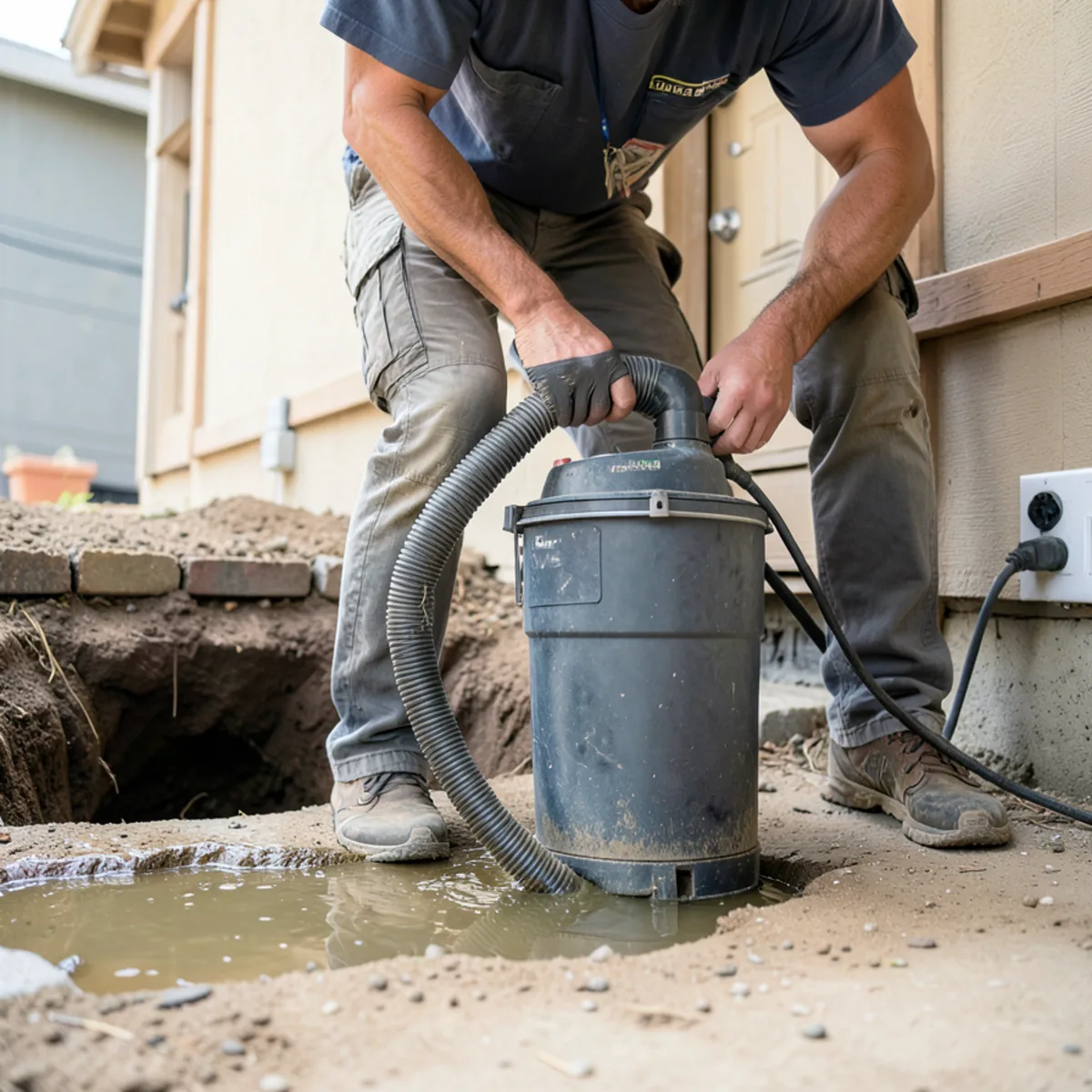
- Unplug and safely lift the pump out of the basin
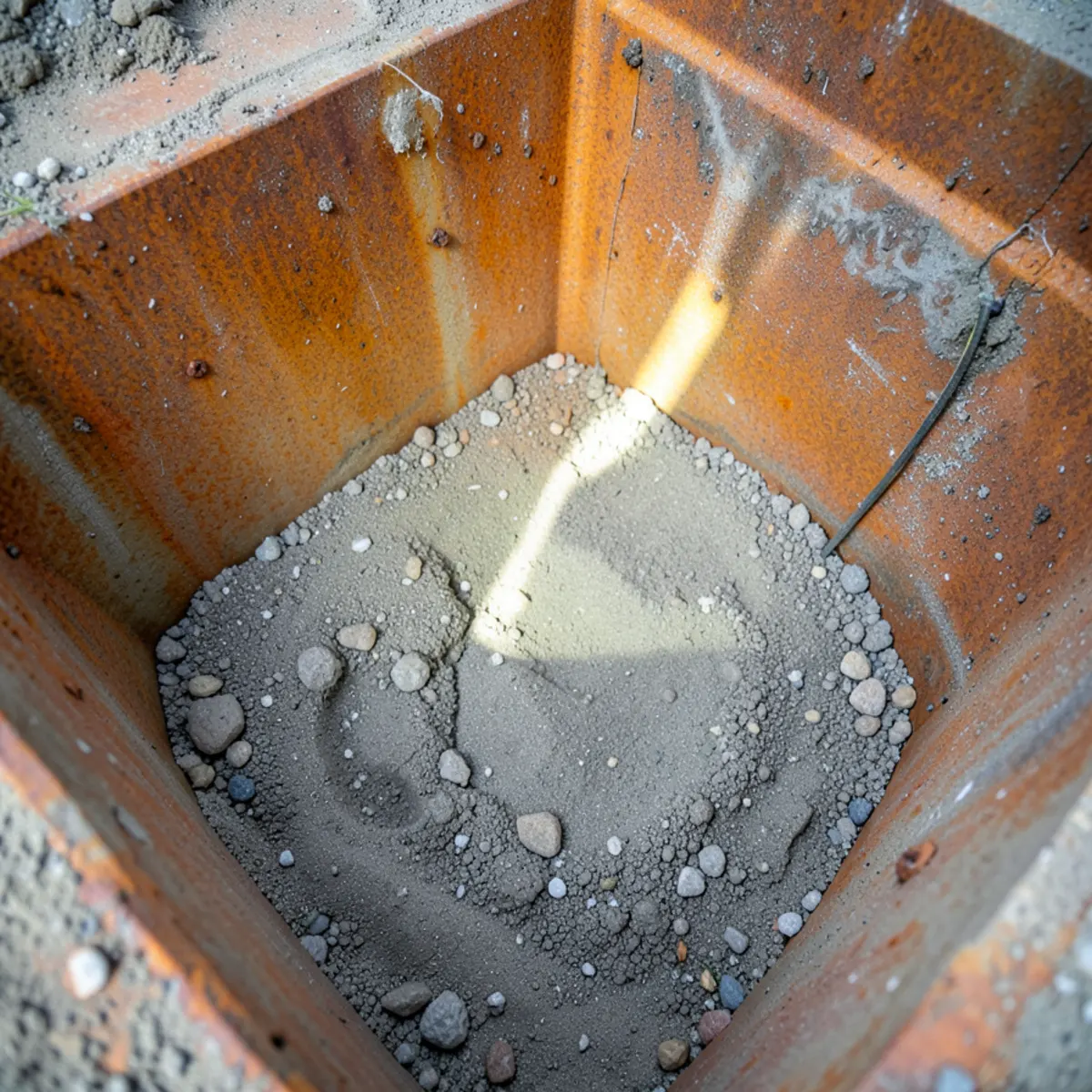
- Remove standing water, silt, gravel, and sludge from the pit
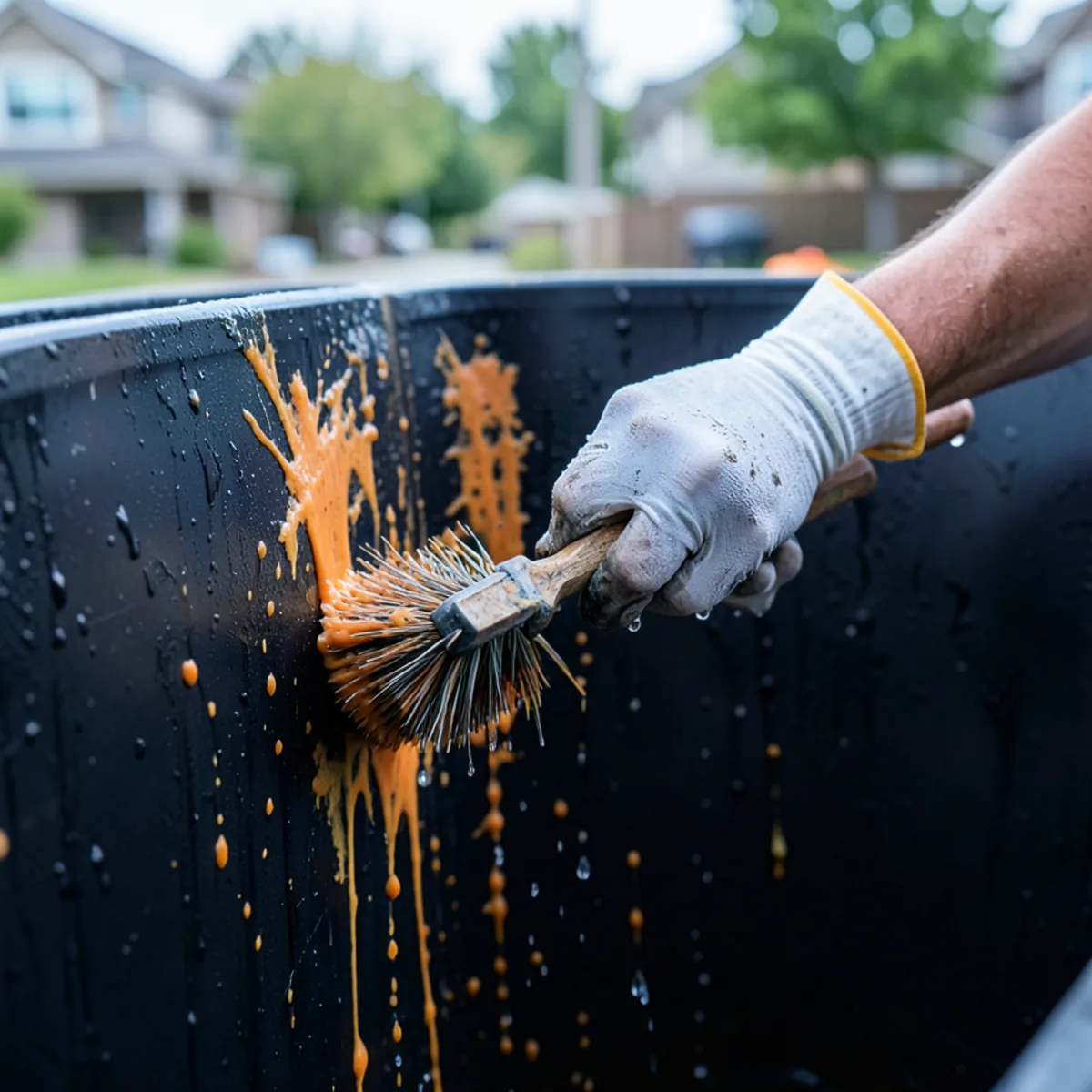
- Scrub the basin walls and clear the inlet holes or drain-tile openings
- Clean the pump intake screen and check the impeller for debris
- Free the float switch and confirm it moves through its full range
- Check the check valve and union for leaks or wear
- Reset the pump level and off the bottom where needed, then pour-test
- Reseal the lid, including radon-system lids, after the work
Signs your sump pit needs cleaning
- A musty, swampy, or rotten-egg smell from the pit
- Visible silt, gravel, or orange-brown sludge in the bottom
- The pump hums or struggles before it starts moving water
- The float catches on debris or the basin wall
- The pump runs longer than it used to for the same amount of water
- It has been more than a year since anyone looked in the pit
Why pits get dirty around Littleton
Clay soil sheds fine silt that settles in the basin every time groundwater flows in. In some neighborhoods, iron in the groundwater feeds iron bacteria, which leave a slimy orange sludge that coats the intake and float.
Pits without a lid collect lint, dust, and anything that falls in. A sealed lid and a pump set on a stand off the bottom slow the buildup a lot, so we recommend both when they are missing.
What we pull out of Littleton sump pits
Most pits hold some mix of fine clay silt, pea gravel washed in from the drain tile or the basin bedding, and whatever fell through an open lid: lint, insulation, toys, and the occasional dead mouse. Iron-rich groundwater adds a slimy orange layer that coats the float and intake screen. Each of these makes the pump work harder, and gravel is the one most likely to jam the impeller outright.
Cleaning vs. annual maintenance
Cleaning focuses on the pit and pump: getting debris out and the moving parts free. Annual maintenance is a broader check of the whole system, including the battery backup, discharge line, and freeze protection.
Most homes benefit from a cleaning as part of yearly maintenance. Pits with heavy silt or iron sludge may need cleaning more often. If you prefer to do it yourself, our step-by-step guide covers the safe way to clean a sump pit.
What sump pump cleaning costs depends on
A pit with a light layer of silt and an easy-to-lift pump is a short job. The price rises with how much material has to come out, whether iron sludge has hardened on the pump and float, how deep or cramped the pit is, and whether the discharge has to be disconnected to lift the pump. If the pump has no union on its discharge line, we often add one during the cleaning so every future service is quicker. Any worn parts we find are priced separately before we replace them.
Disposal, radon lids, and what stays out of the drain
Sludge and silt from the pit go in a sealed bag for the trash, not down a floor drain or laundry sink, where they can clog the line. If your pit is part of a radon mitigation system, the lid is reset and resealed afterward so the system keeps working; we check the mitigation gauge with you before we leave.
How Our Sump Pump Cleaning Process Works
- 1
Power off
Unplug the pump and backup so nothing can start while hands are in the pit.
- 2
Lift the pump
Disconnect at the union and remove the pump and float from the basin.
- 3
Empty and scrub
Remove water, silt, gravel, and sludge, then scrub the basin and inlet holes.
- 4
Clean the pump
Clear the intake screen and impeller area, and free and clean the float.
- 5
Reset and seal
Set the pump level, add a stand if needed, reconnect, and reseal the lid.
- 6
Pour test
Fill the pit and confirm a clean start, steady pumping, and shut-off.
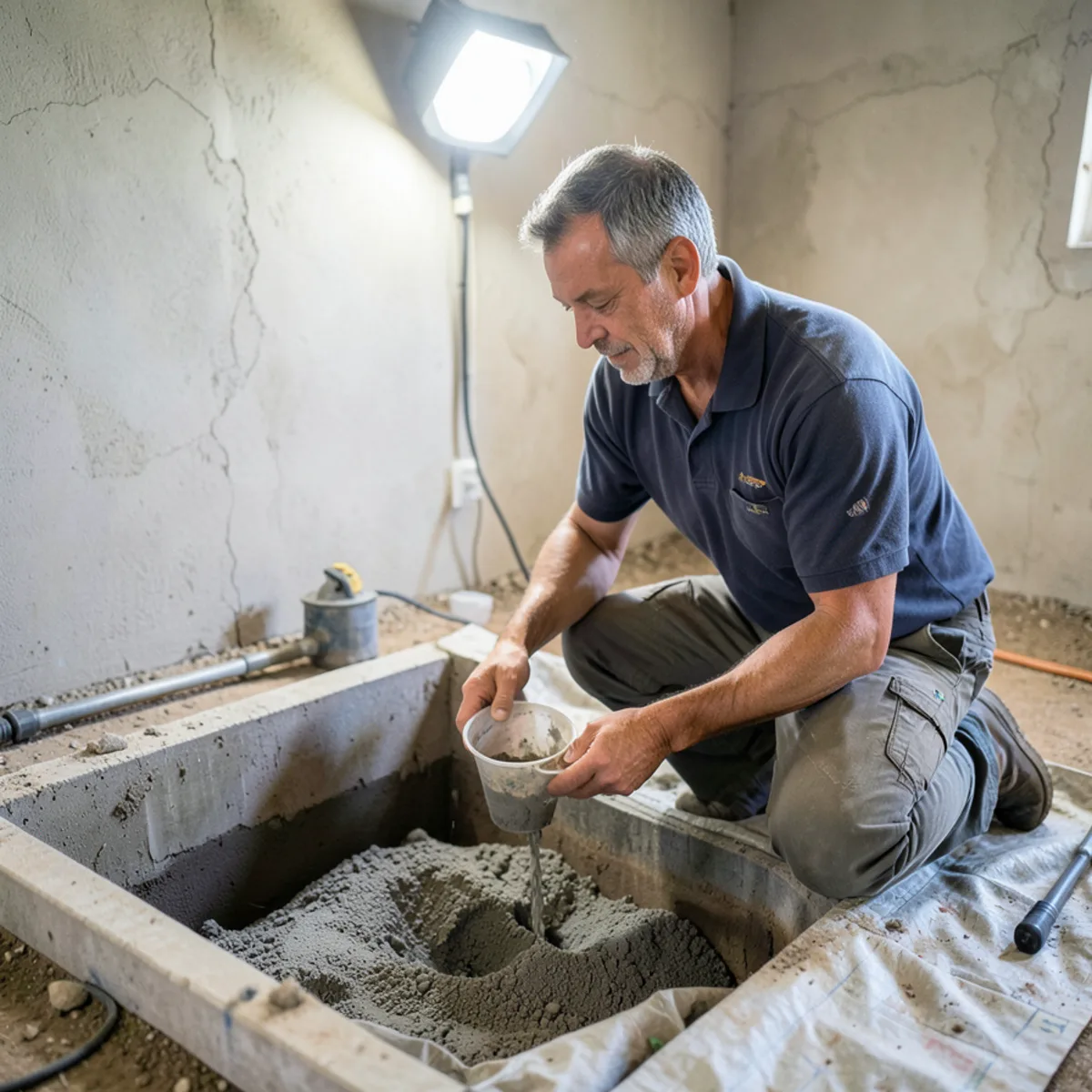
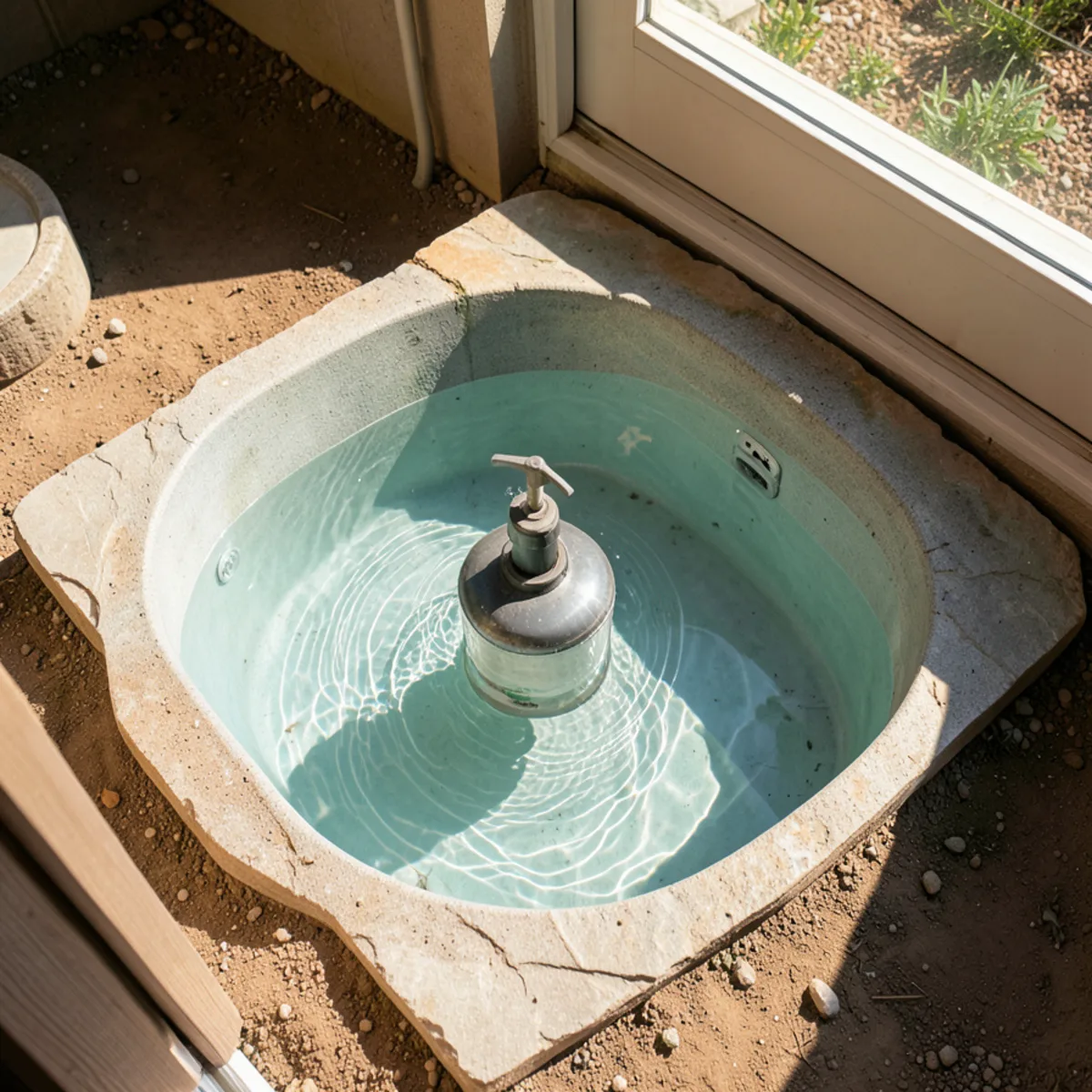
Sump Pump Cleaning: what the work looks like
Why Homeowners Choose Us for Sump Pump Cleaning
Pit cleaning is routine work for us, and because we're sump specialists, the cleaning comes with a proper look at the pump, float, and check valve while they're out of the basin. If something is wearing out, you'll know before it fails.
We're in Littleton at 8 W Dry Creek Cir and book cleanings by appointment, often alongside the yearly maintenance visit so the pit is clean and tested before spring runoff.
- Fewer jams and burned-out motors from clogged intakes
- A float that moves freely when the water rises
- Odors from stagnant water and sludge cleared out
- A tested system before storm season
- Honest notes on parts that are aging
Services That Pair With Sump Pump Cleaning
Helpful Guides & Costs
Where We Provide Sump Pump Cleaning
See every community on the service areas page.
Sump Pump Cleaning FAQs
Once a year for most homes, ideally before spring snowmelt. Pits with heavy silt, iron sludge, or no lid may need cleaning every six months.
Yes, if you unplug the pump first and can lift it out safely. Our how-to guide covers the steps. Professional cleaning makes sense when the pit is heavily fouled, the pump is hard to remove, or the pit is part of a radon system.
That is usually iron bacteria feeding on iron in the groundwater. It is common, not dangerous by itself, but it clogs intakes and floats, so it needs regular cleaning.
A vinegar soak can help loosen mineral scale on the intake and float, but keep harsh chemicals out of the pit. Scrubbing and rinsing do most of the work.
It depends on how fouled the pit is, how easy the pump is to remove, and whether parts need replacing. Call (207) 419-2600 for a clear, upfront price.
Usually, yes. Most sump odors come from stagnant water, sludge, and bacteria in the pit. Cleaning removes the source, and a sealed lid keeps the smell from coming back. A sewage smell is different and points to a dry floor-drain trap or a sewer problem, which we can help track down.
Pit smelling or full of silt?
A yearly cleaning keeps the float free and the intake clear. We'll clean the basin, check the pump, and tell you if anything is wearing out.
- Silt and slime removed
- Float, valve, and intake checked
- Pump retested before we leave