
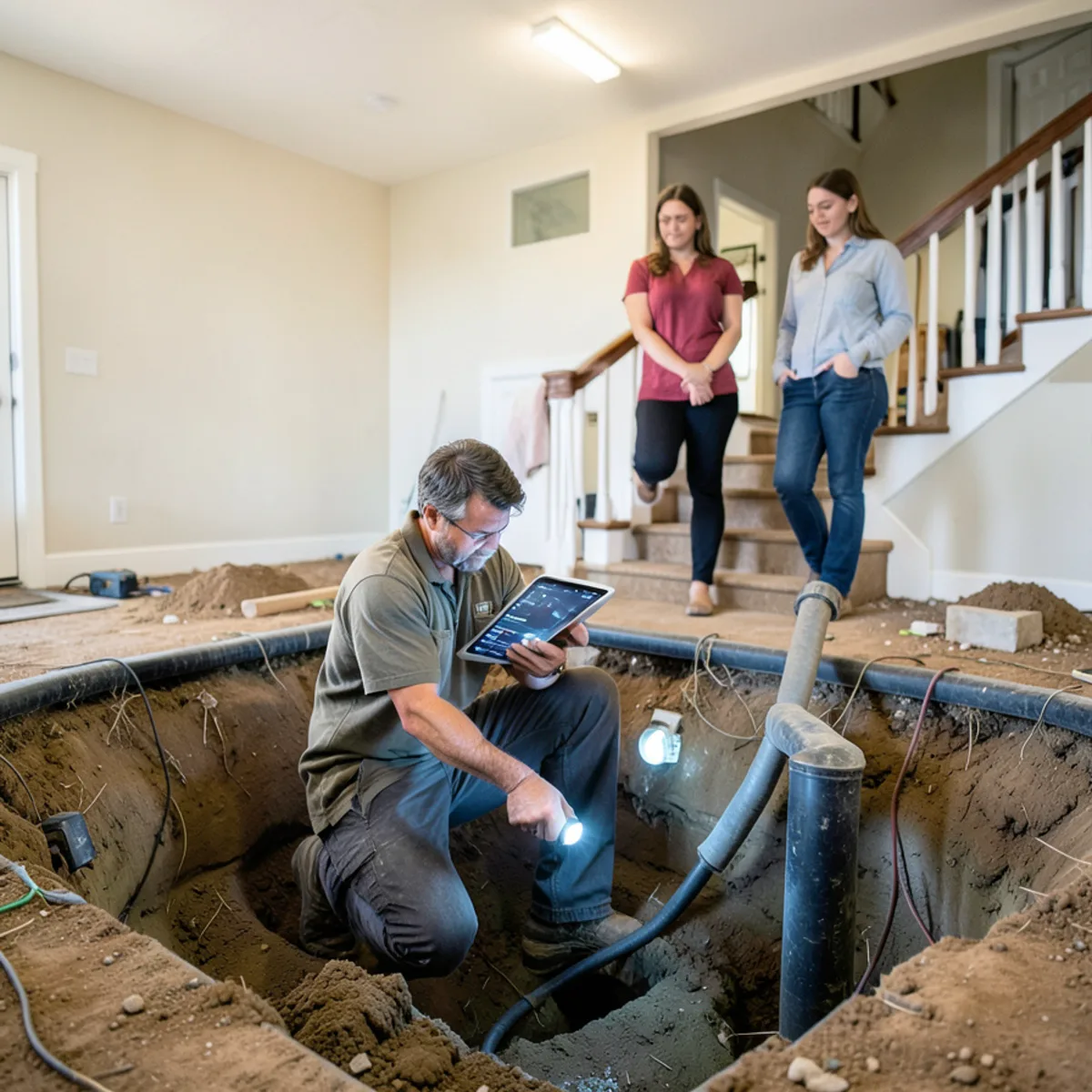
Sump Pump Service
Sump Pump Inspection
A clear read on whether your system will hold up when it matters.
A sump pump inspection in Littleton, CO answers one question: will this system actually work when water arrives? Whether you just bought the home, are about to finish the basement, or simply don't trust the pump in the pit, an inspection gives you a clear answer. Littleton Sump Pump Pros inspects the whole system, not just the pump.
Inspections are also smart at a real-estate transaction — for buyers who want to know what they're inheriting, and sellers who want no surprises.
- Local Littleton Service
- Professional Installation
- Clear, Upfront Estimates
- Battery Backup Options
- Careful, Clean Workmanship
- Emergency Help Available
What the inspection looks at
An inspection treats the sump system as a chain: water has to reach the pit, the float has to start the pump, the pump has to lift the water, the check valve has to hold it, and the discharge has to release it away from the house. A weak link anywhere means a wet basement, so we test each one rather than judging the pump by how it looks.
- Pump age, condition, and horsepower vs. your water load
- Float switch operation and free movement
- Check valve function and discharge routing
- Pit condition, sizing, and silt buildup
- Backup system presence and battery health
- Signs of past flooding, seepage, or freeze-back
What we look at beyond the pit
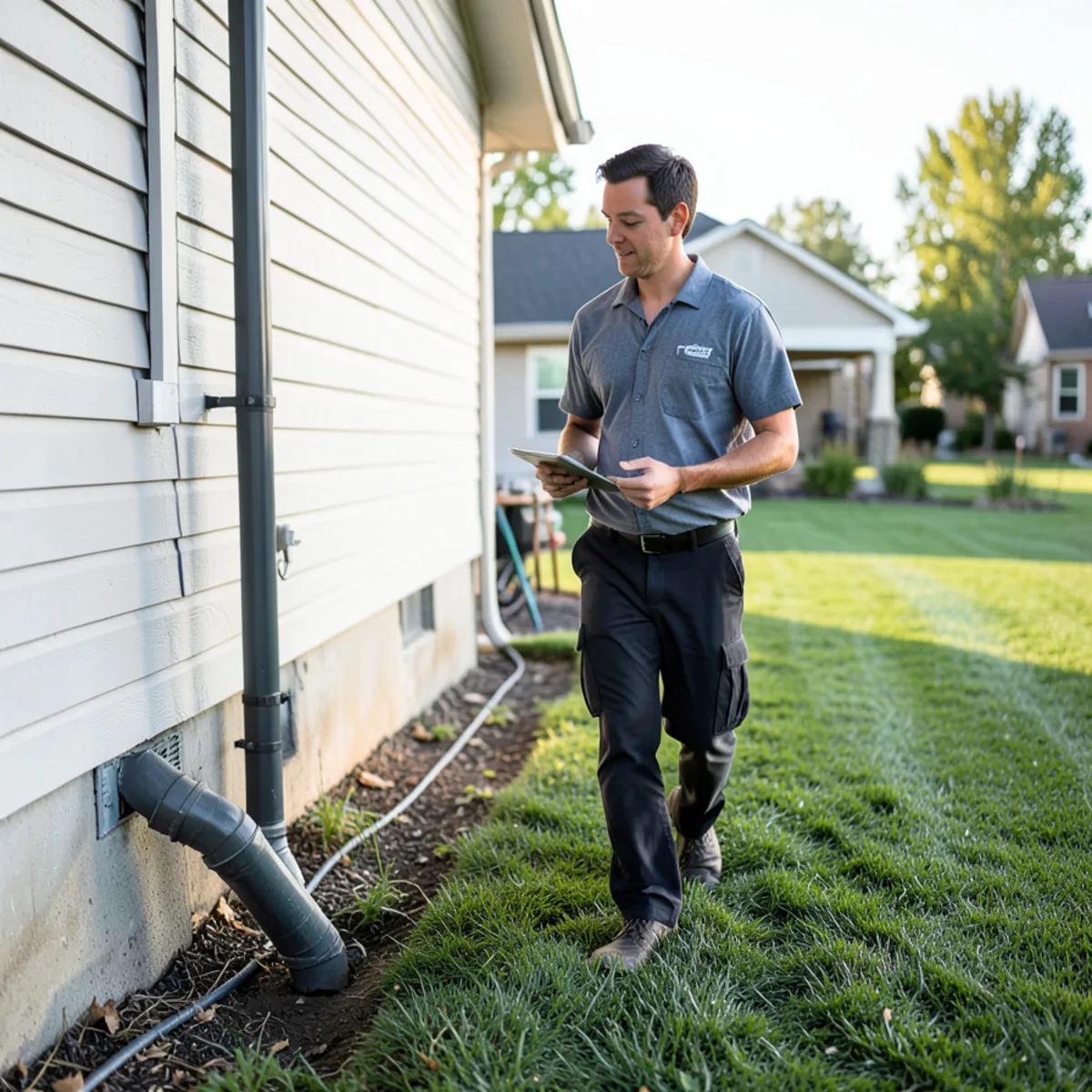
The pit only tells part of the story. Inside, we look for efflorescence and tide lines on foundation walls, rust on the furnace or water-heater base, and staining at the bottom of drywall. Outside, we check where downspouts empty, whether the ground slopes toward the house, whether window wells have drains, and where the sump water is released. Those clues show how hard the system has been working and whether it's been overwhelmed before.
What you get
A straight answer: the system is solid, it needs specific repairs, or it's due for replacement. We'll explain what we found and what it would take to make the basement dependable.
No scare tactics — just a clear read on where you stand before the next storm.
Findings are sorted into three groups so they're easy to act on: in good shape, watch it (working now but aging or marginal), and fix before the next storm. Each item comes with the reason and, where it helps, a photo of what we saw. If you're negotiating a home purchase, that format makes it easy to share with your agent.
When a sump pump inspection makes sense
Many homeowners never think about the pump until it fails. An inspection is worth booking at the moments when a failure would cost the most, or when you simply don't know what you have.
After a wet season or a winter with long cold snaps, an inspection also catches damage that hasn't caused a problem yet, like a cracked discharge fitting or a float that's started to stick.
- Before buying a home with a sump pit, especially with a finished basement
- Before finishing a basement or converting it to living space
- After any water in the basement, even a small amount
- When you've inherited a system and don't know its age
- When the pump's behavior changes: running more, making noise, or tripping the outlet
Timing an inspection during a home purchase
Colorado's standard purchase contract sets an inspection objection deadline, and a sump inspection has to fit inside it to be useful in negotiation. Book it early in the inspection window, ideally alongside the general home inspection, so there's time to get repair or replacement prices before the deadline.
What an inspection costs depends on
A single pump with an accessible pit is a short, fixed-scope visit. The price grows with the number of pits and pumps, a backup system that needs to be load-tested, crawl-space access, or a request for written findings formatted for a real-estate transaction. If the inspection turns into a repair, we price that work separately and only proceed with your approval.
Code issues an inspection can turn up
We note conditions that don't meet common code or local discharge rules, such as a pump on an extension cord, an outlet without GFCI protection, or a discharge tied into the sanitary sewer. We're not a substitute for your city or county building department, but these notes tell you what to ask about and what a fix involves.
How Our Sump Pump Inspection Process Works
- 1
Gather the history
Pump age if known, past water, and any changes like a new finish or addition.
- 2
Inspect the pit
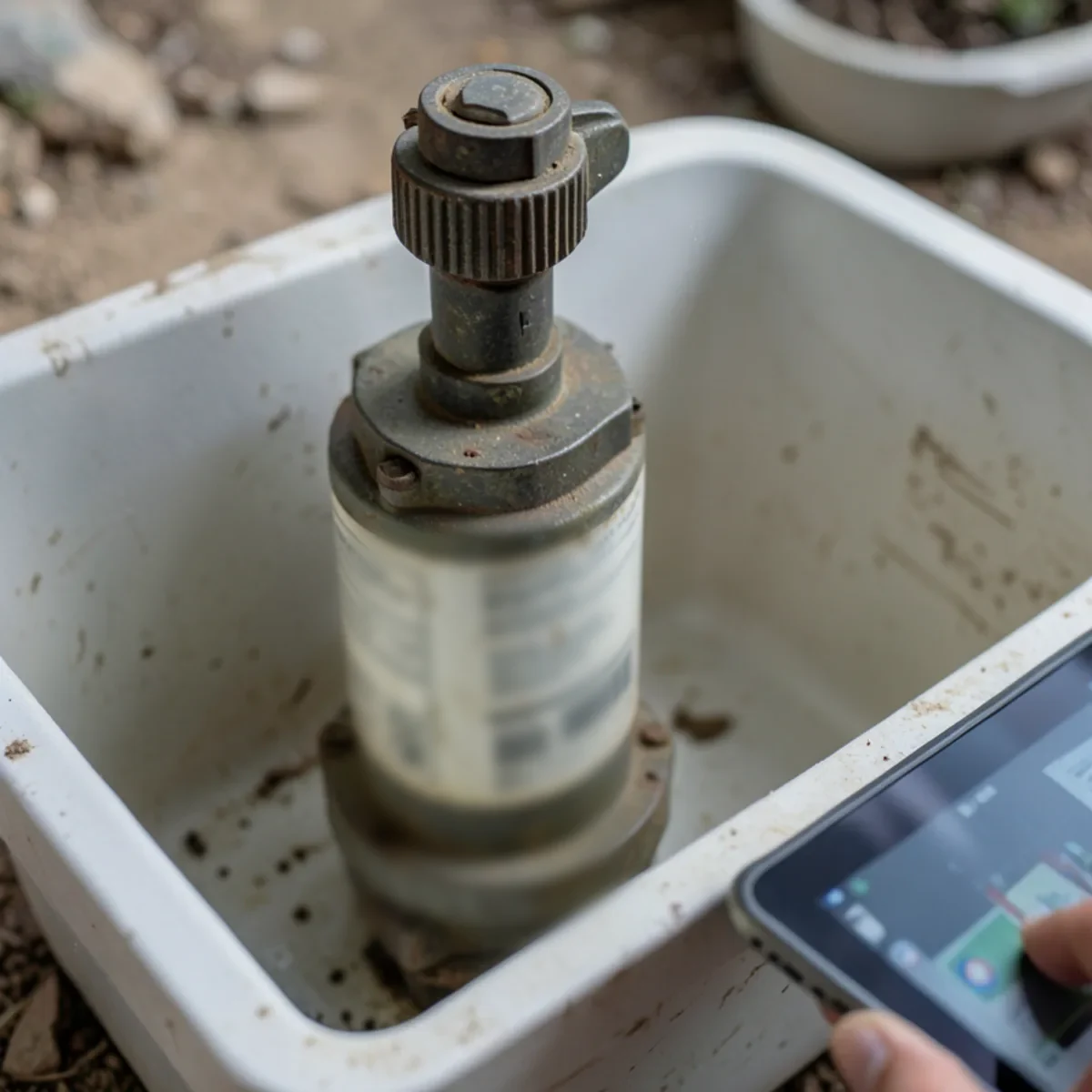
Basin size, liner condition, silt, inlets, and how the pump and float sit.
- 3
Run a load test
Fill the pit and watch start-up, pumping rate, check valve, and shut-off.
- 4
Test the backup
Cut power to the primary and confirm the backup and alarm work.
- 5
Walk the outside
Discharge outlet, grading, downspouts, and window wells.
- 6
Sort the findings
Good, watch, or fix now, with reasons, photos, and next steps.
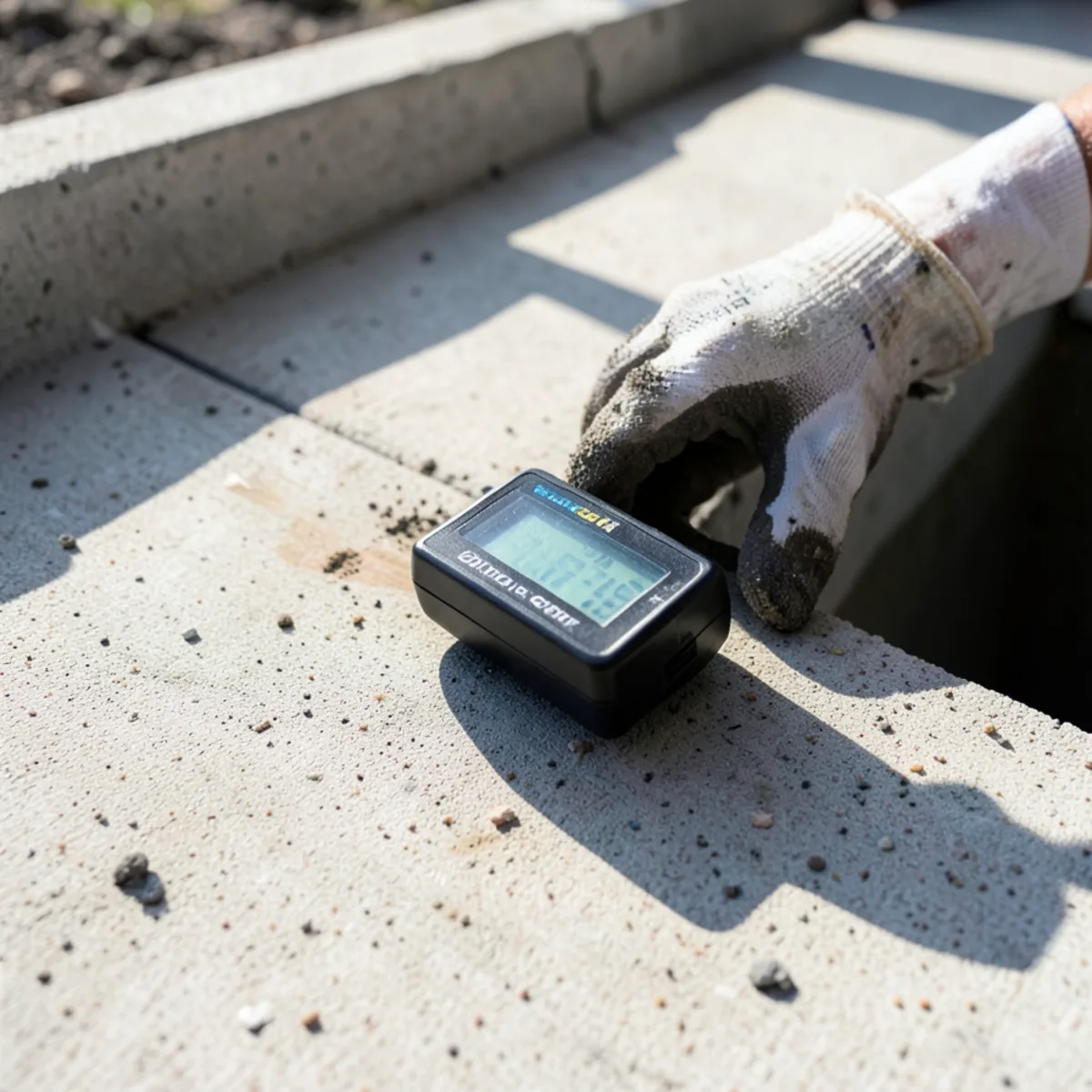
Sump Pump Inspection: what the work looks like

Why Homeowners Choose Us for Sump Pump Inspection
An inspection is only useful if the person doing it knows how these systems fail. We work on sump pumps every day, so we know what a marginal check valve sounds like and how much silt is too much, and we'll tell you which findings actually matter.
We're based in Littleton at 8 W Dry Creek Cir and schedule inspections by appointment, including around home-purchase deadlines.
- Know whether your pump will hold up before it's tested by a storm
- Smart for home purchases and pre-basement-finish planning
- Whole-system review, not just the pump
- Honest repair-or-replace guidance
- Clear written-style findings
Services That Pair With Sump Pump Inspection
Guides on Sump Pump Inspection
Helpful Guides & Costs
Where We Provide Sump Pump Inspection
See every community on the service areas page.
Sump Pump Inspection FAQs
Pour a bucket of water into the pit until the float rises. The pump should switch on, move the water out, and shut off. If it doesn't, or it sounds rough, have it inspected.
It's a good idea, especially with a finished basement. An inspection tells you whether you're inheriting a reliable system or a hidden expense.
An inspection assesses condition and risk and gives you a verdict. Maintenance is the hands-on service — cleaning, testing, and tune-up. We often do both in one visit.
Usually only briefly. Many general home inspectors note whether a pump exists and may run it once, but a sump inspection load-tests the pump, check valve, backup, and discharge and looks for signs of past water in more detail.
Most single-pump inspections take under an hour. Allow more time for a backup system, a second pit, crawl-space access, or written findings prepared for a real-estate transaction.
You get the finding, the reason it matters, and a price to fix it. Nothing is repaired without your approval, and minor fixes like freeing a stuck float can often be done during the same visit.
Buying, selling, or just unsure?
An inspection tells you the pump's condition, the check valve's health, and whether the discharge is doing its job, in plain language.
- Written summary of what we found
- Pump age and remaining life estimated
- Repairs ranked by urgency