
Sump Pump Service
Sump Pump Installation in Littleton, CO
A properly sized pit, pump, check valve, discharge line, and backup option — installed for Littleton's clay soil and snowmelt.
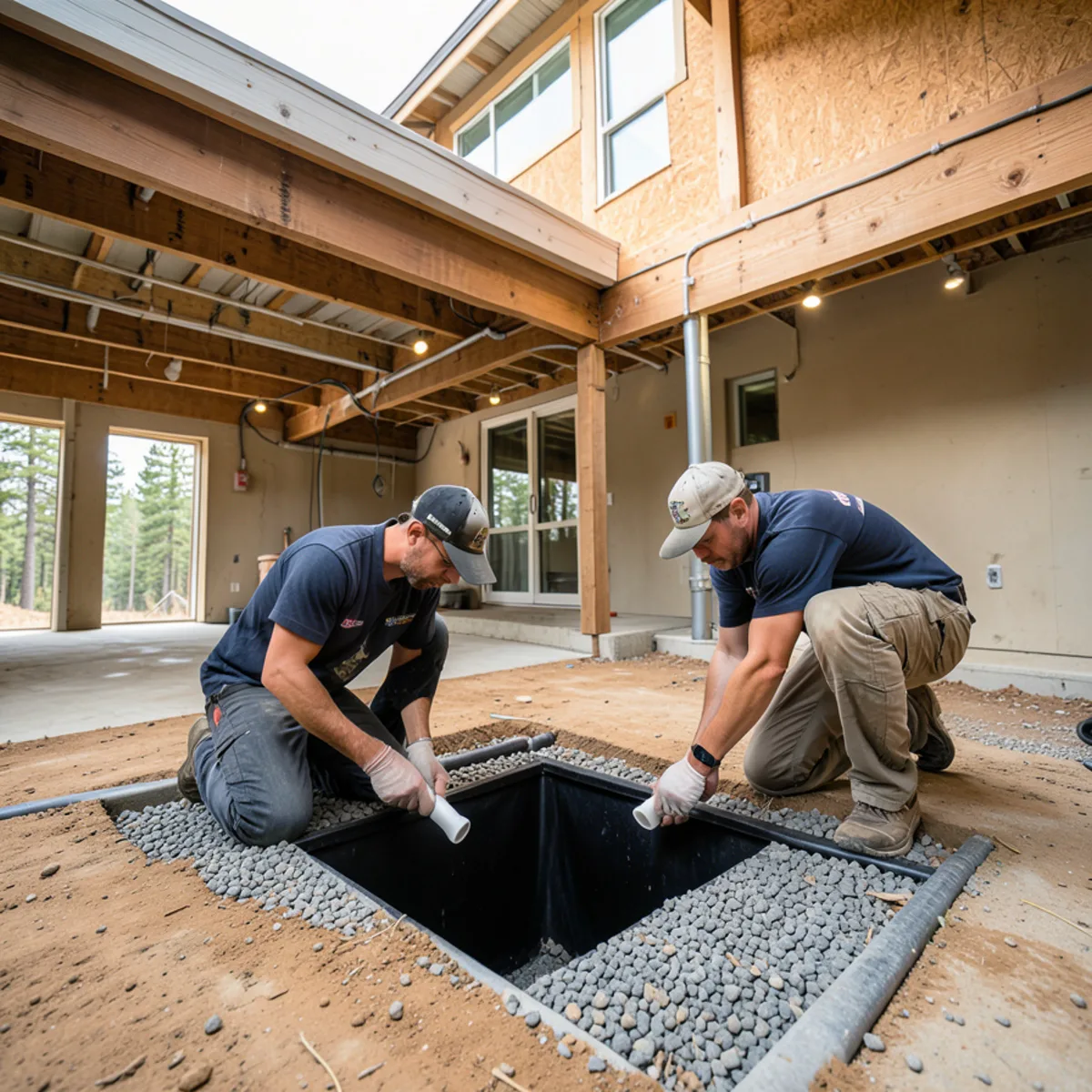
Sump pump installation in Littleton, CO is the most reliable way to keep water out of a basement or crawl space. In clay-heavy soil, a properly sized pump with a discharge line buried below the frost line isn't overkill — it's the minimum to stay dry through spring runoff. Littleton Sump Pump Pros installs complete systems built for local conditions.
A real installation is more than dropping a pump in a hole. It's a sized pit, the right pump for your water load, a check valve, a discharge line routed away from the foundation, and a backup plan for when the power goes out. We handle the whole system.
If you're finishing a basement, fighting chronic seepage, or replacing a builder-grade unit that can't keep up, this is where it starts.
- Local Littleton Service
- Professional Installation
- Clear, Upfront Estimates
- Battery Backup Options
- Careful, Clean Workmanship
- Emergency Help Available
What a complete sump pump installation includes
Every install starts with a look at how water actually enters your home. From there we build the system around the problem — not a one-size box off a shelf.
The pit goes at the low point, where water already collects, and it's sized so the pump runs in steady cycles instead of short bursts. The discharge leaves through the rim joist or foundation wall, drops below grade outside, and releases well away from the house so the same water doesn't soak back toward the foundation.
If you already have a pit, we check its depth, diameter, and liner before reusing it. Shallow builder pits are common in Littleton homes from the 1970s and 1980s, and many are too small for the water they see today.
- On-site evaluation of water entry points, drainage, and soil conditions
- Sump pit or basin sizing and placement at the basement's low point
- Pump selection by horsepower and water load (submersible or cast-iron)
- Check valve to stop discharged water from draining back into the pit
- Discharge line trenched below the frost line, terminating 10+ feet from the foundation
- Sealed basin lid option (helpful with radon mitigation tie-ins common in Colorado)
- Battery backup or primary-plus-backup combination where recommended
- Full system test and a homeowner walkthrough
Why Littleton's clay soil changes the install
Expansive clay swells when it's wet and shrinks when it dries. That movement drives hydrostatic pressure against basement walls and pushes water toward any crack or seam it can find.
That's why pit depth, pump sizing, and discharge routing matter more here than in sandy soil. Get them right and the basement stays dry. Get them wrong and the pump runs constantly or the line freezes back in winter.
Choosing the pump for a Littleton basement
Most installs we do use a submersible pump with a cast-iron housing. It sits under water in the pit, runs quietly under a finished floor, and the iron housing sheds motor heat during the long runs that spring snowmelt brings. A pedestal pump is the better fit when the pit is too narrow or shallow for a submersible and enlarging it isn't practical.
Horsepower follows the water load, not the size of the house. A 1/3 HP pump covers a typical basement. Deeper pits, a high spring water table, or a discharge that has to climb a long way usually call for 1/2 HP. Oversizing isn't free: a pump that empties a small pit in seconds short-cycles and wears out early.
Adding backup protection at install time
The cheapest moment to add a backup pump is during the original install, while the pit is open and the discharge is being plumbed. A battery backup sits beside the primary pump, shares or tees into the discharge, and runs when the power fails or the primary can't keep up.
For a finished basement we usually recommend a combination setup: primary pump, battery backup, and a high-water alarm. If the house is on city water and you'd rather not maintain a battery, a water-powered backup is an option once we've confirmed your water pressure.
Signs it's time to install a sump pump
- Water pooling on the basement floor after snowmelt or heavy rain
- A musty, damp smell that never fully clears
- Efflorescence (white mineral staining) or damp patches on basement walls
- A finished basement with no water protection in place
- A crawl space that stays humid or shows standing water
- A low-lying lot or a high seasonal water table
What drives sump pump installation cost in Littleton
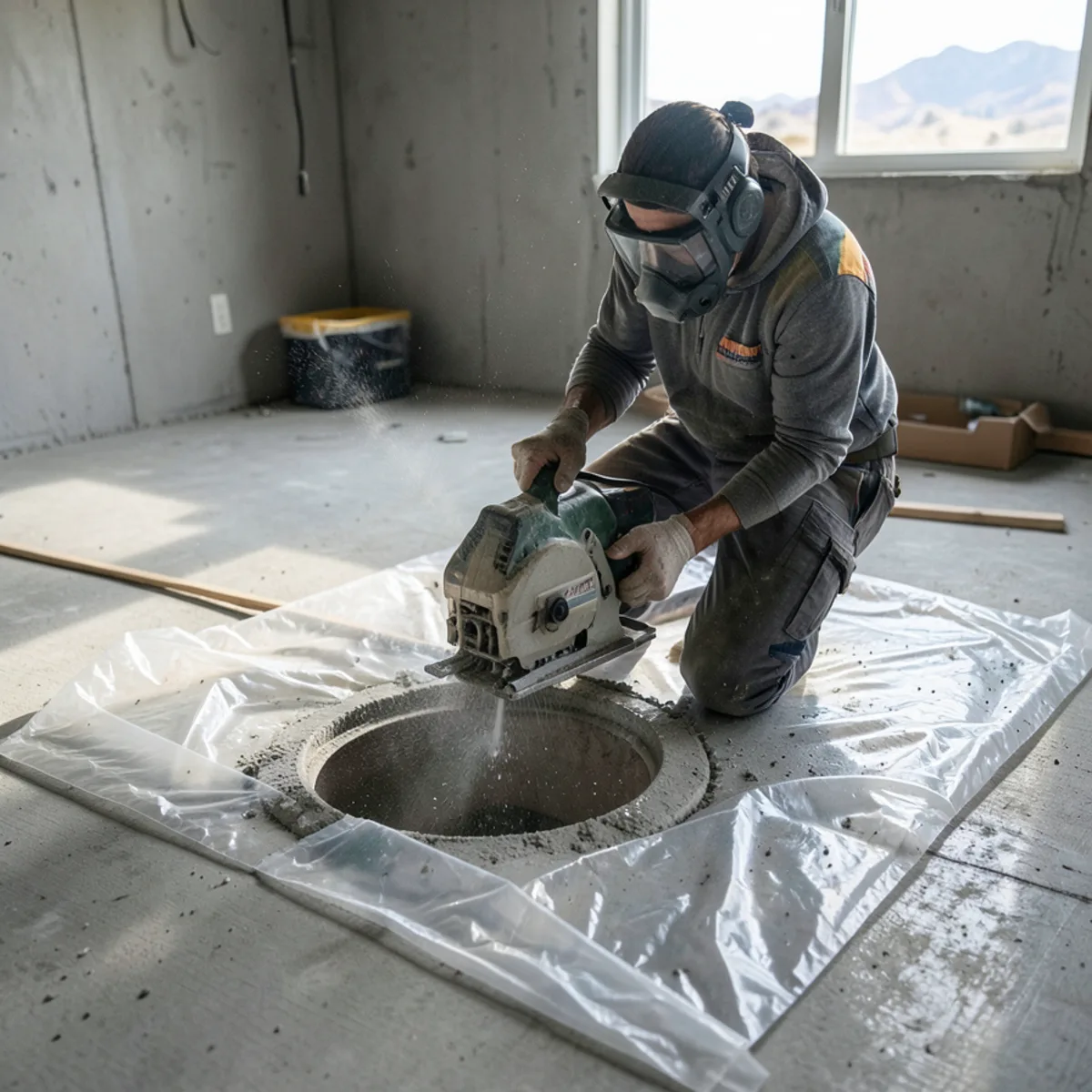
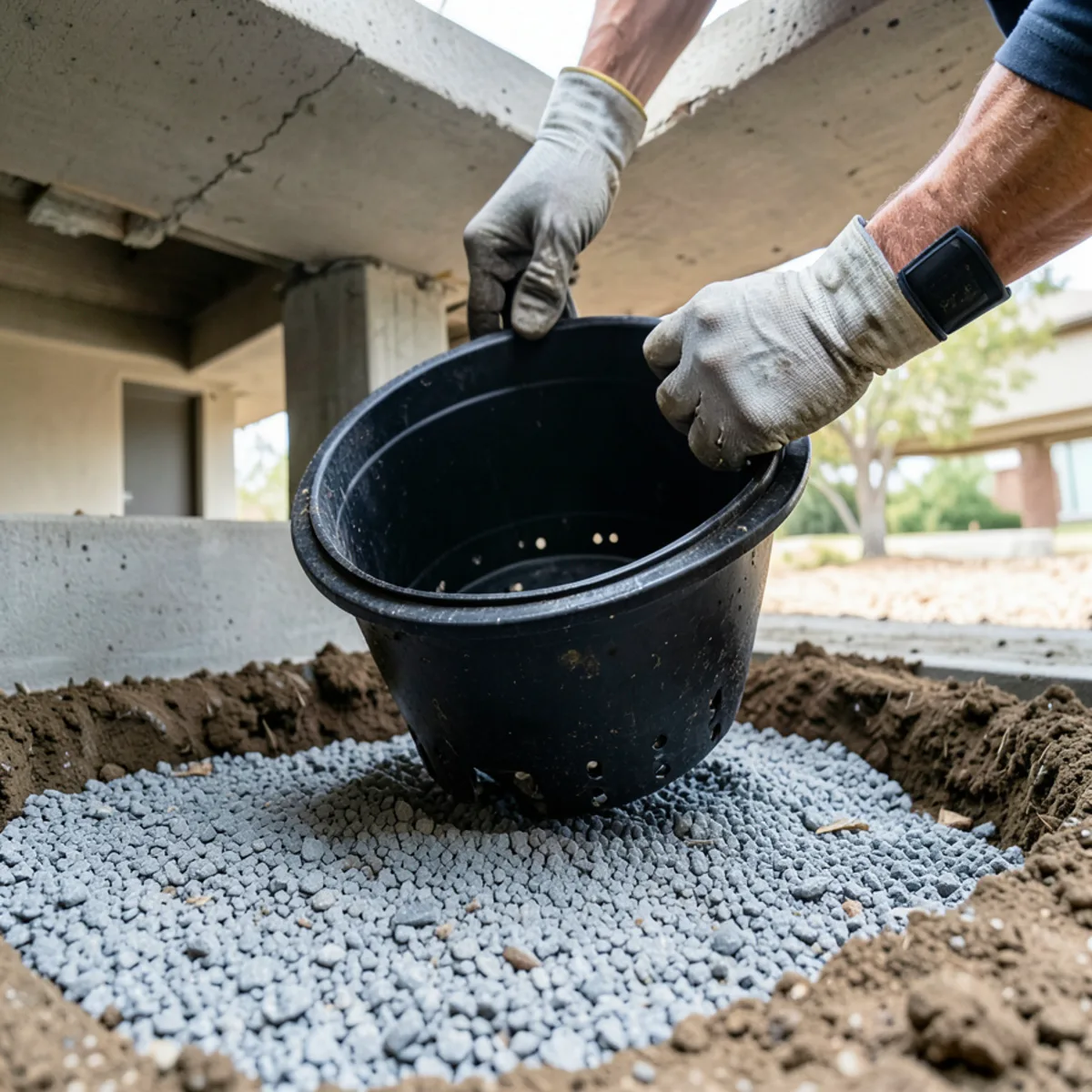
We don't quote installs sight-unseen, because the same pump can sit inside a very different job. The biggest swing is the pit. Reusing a sound existing basin is quick; cutting the slab, digging through clay, and setting a new basin with a gravel bed and liner is most of a day's work.
After that, the discharge route matters. A short run straight out the wall costs far less than a line that has to be trenched below the frost depth across a yard to reach a spot that drains away from the house. Pump material and horsepower, a backup system, an alarm, and the condition of the floor around the pit fill in the rest. Finished basements add time for protecting flooring and patching drywall around the discharge.
- New pit and slab cutting vs. reusing an existing basin
- Discharge length, trenching depth, and where the water can be released
- Cast-iron vs. thermoplastic pump, and 1/3 vs. 1/2 HP
- Battery or water-powered backup, alarm, and sealed lid
- Access: finished space, crawl space, or tight utility room
Permits and discharge rules in the Littleton area
Littleton, the surrounding cities, and unincorporated Jefferson, Arapahoe, and Douglas County each run their own building departments, and whether a sump install needs a plumbing or electrical permit depends on the jurisdiction and the scope. Cutting a new pit or adding a dedicated circuit is more likely to need one than swapping a pump in an existing basin. We confirm the requirement for your address before work starts.
Discharge rules matter as much as permits. Groundwater belongs outside, not in the sanitary sewer, and it shouldn't be aimed at a neighbor's lot or across a sidewalk where it freezes. We route the line to release on your property, on ground that slopes away from the foundation.
How Our Sump Pump Installation Process Works
- 1
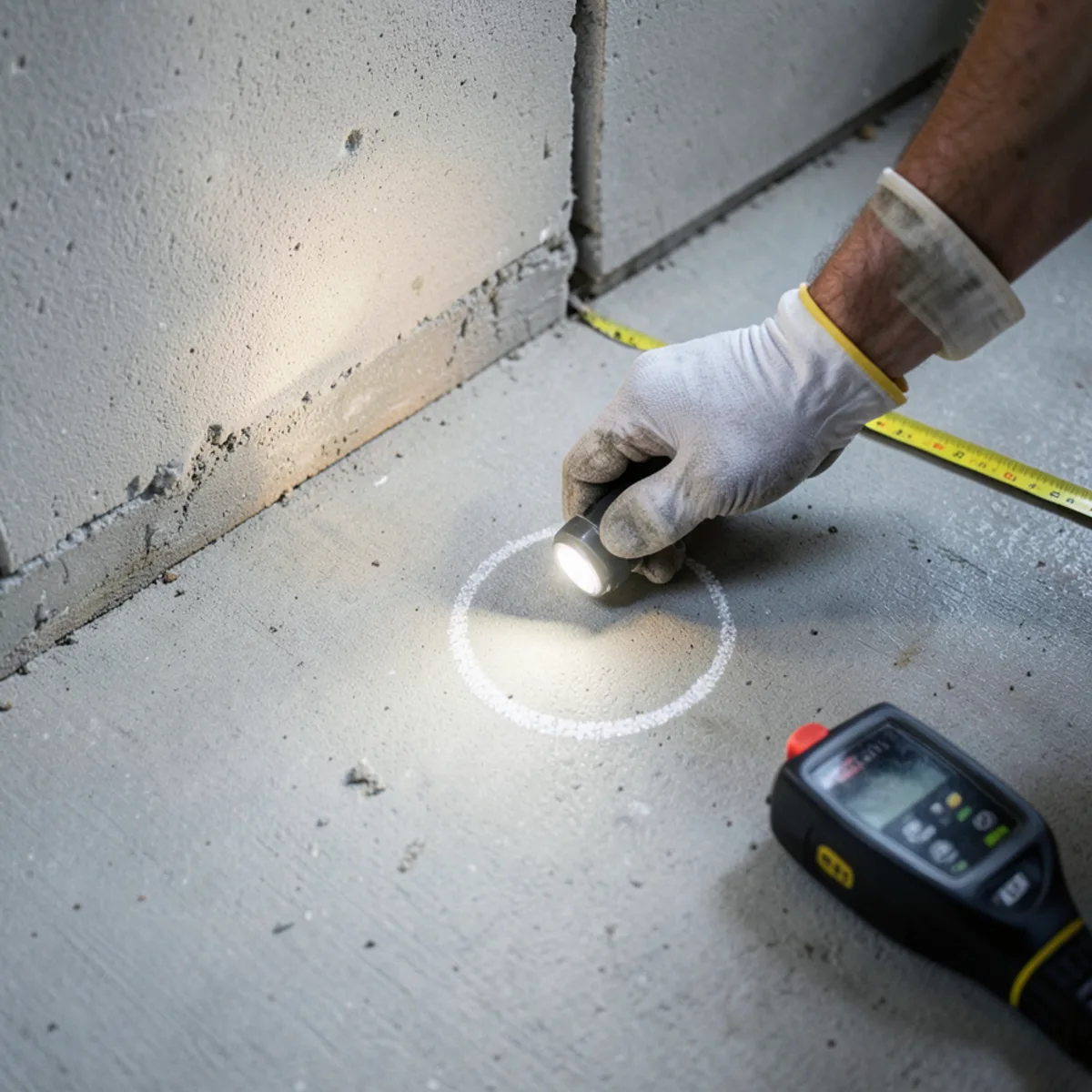
Walk the basement
We look at where water shows up, the existing pit if there is one, and the finished areas we need to protect.
- 2
Trace the water
We check grading, downspouts, and the outside wall to see how water reaches the foundation and where it can be released.
- 3
Size the system
We match pit size, pump type, and horsepower to the water load, and plan backup and alarm options with you.
- 4
Set the pit
If needed, we cut the slab, dig the pit, and set a lined basin on a gravel bed at the low point.
- 5
Install pump and discharge
Pump, check valve, union, and a discharge line routed out the wall and below grade to a release point away from the house.
- 6
Test and walk through
We fill the pit, confirm the float, pump, and outlet work, and show you how to run your own test.
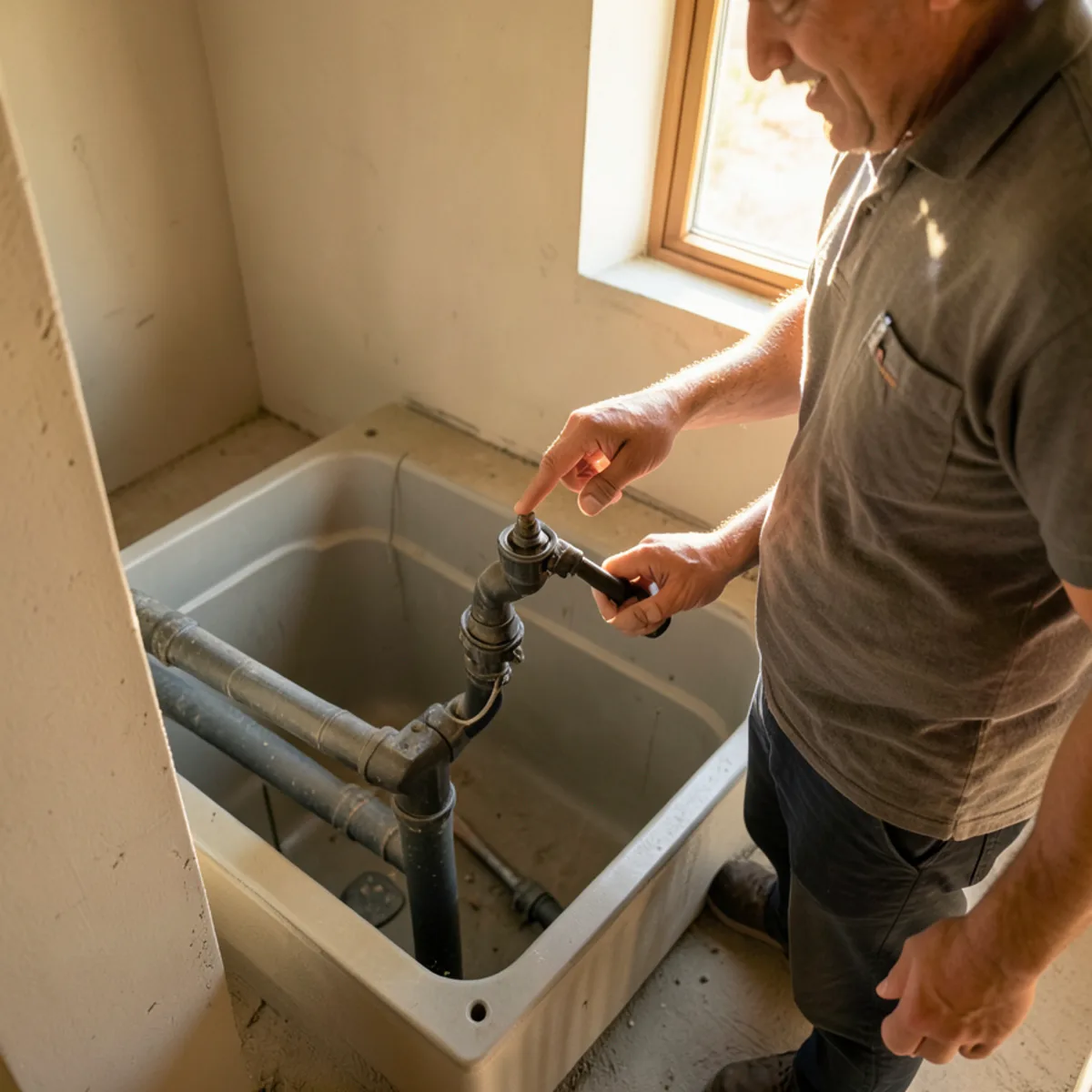
Sump Pump Installation: what the work looks like
Why Homeowners Choose Us for Sump Pump Installation
Sump systems are all we do: pits, pumps, backups, discharge lines, and the basement water problems around them. That focus means the install is planned around how water actually reaches your basement, not around whatever pump is on the truck.
We're based in Littleton at 8 W Dry Creek Cir and work across the south and west Denver Metro, so Front Range clay, spring runoff, and frozen discharge lines are routine for us. You get a clear, upfront estimate before work begins, a clean work area when we leave, and a full test with you watching the float, the pump, and the outlet.
- A system sized for Littleton clay soil, not a generic builder-grade unit
- Discharge routed below the frost line and away from the foundation
- Primary + backup options so a power outage doesn't mean a flood
- Clear, upfront estimates with no surprise charges
- Careful, clean workmanship and a final walkthrough
Services That Pair With Sump Pump Installation
Guides on Sump Pump Installation
Helpful Guides & Costs
Where We Provide Sump Pump Installation
See every community on the service areas page.
Sump Pump Installation FAQs
It depends on pump type and horsepower, whether a new pit or basin is needed, discharge-line length and frost-line trenching, and whether you add a backup system. The only accurate number comes from an on-site look — we provide clear, upfront estimates. Call (207) 419-2600.
A straightforward installation in an existing pit is often completed in a few hours. Cutting a new pit into a concrete floor, adding a backup system, or routing a long discharge line takes longer. We give you a realistic timeline with the estimate.
Sump pump work in the Littleton area may require a plumbing permit. A proper local installer handles permitting where it's required and installs to code — that protects you if you ever file a water-damage claim.
In Colorado, yes — a discharge line should be trenched below the frost line and terminate well away from the foundation. A shallow line freezes back in winter and can heave or crack during freeze-thaw cycles.
Yes. If there's no existing pit, we cut and set a new basin at the low point of the basement or crawl space, then build the full system around it.
For most Littleton basements a 1/3 HP pump is enough. A deeper pit, a high spring water table, or a long or tall discharge run usually calls for 1/2 HP. We size it after seeing the pit and how fast water comes in, because an oversized pump short-cycles and wears out sooner.
Plan your installation while it's dry
A new pit is easiest to install between late summer and winter, before snowmelt raises the groundwater. We'll mark the low point, plan the discharge, and quote each part separately.
- Pit location chosen from where water collects
- Discharge planned for freeze and slope
- Backup quoted as a separate option