Complete Guide to Sump Pumps with Battery Backup
Picture the worst-case storm. Rain is hammering the Front Range, the ground is saturated, water is filling your sump pit faster than usual, and then the power flickers and dies. Your primary pump goes silent. Now the water has nothing stopping it, and the level starts to climb.
This isn't a freak scenario. It's the typical one. The same storms that overwhelm your foundation are the ones that knock out power, and that's exactly when a battery backup earns its keep. A sump pump battery backup system takes over automatically the moment your main pump can't run, whether that's an outage or an outright failure.
This guide explains how a battery backup works, how it differs from a water-powered backup, what affects the cost, and how to know if it's the right move for your home. If you have a finished basement or lose power during storms, this is one of the most worthwhile upgrades you can make.
- Local Littleton Service
- Professional Installation
- Clear, Upfront Estimates
- Battery Backup Options
- Careful, Clean Workmanship
- Emergency Help Available
How a Battery Backup System Works
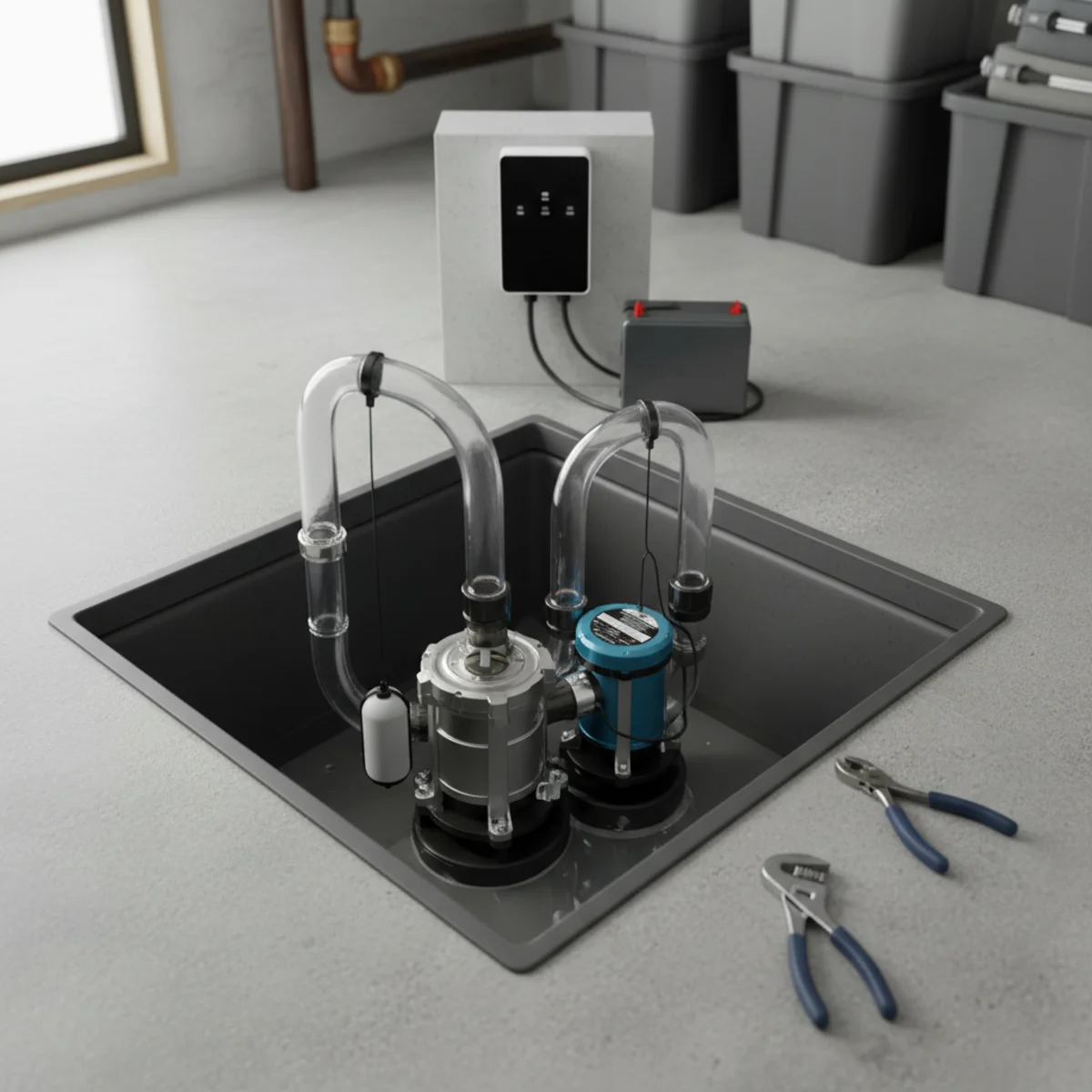
A battery backup sump pump is a second pump that sits in the same sump basin as your primary, set slightly higher in the pit. It runs off a dedicated battery rather than house current. A charger keeps that battery topped off while the power is on, so it's ready the instant it's needed.
When the main pump can't keep up, or stops entirely because the power is out or it has failed, the water keeps rising. Once it reaches the backup pump's float switch, the backup kicks on and starts moving water out through the discharge line, just like the primary does. It shares the same exit, so no separate plumbing job to the outside is needed.
The handoff is automatic. You don't have to be home, awake, or even aware there's a problem for it to work. That independence from the grid is the entire point: when the power is the thing that failed, a pump that doesn't need the power is what saves your basement.
Why It Matters on the Front Range
Two local realities make backups especially valuable here. First, our storms are intense and often brief, dropping more water than the ground can absorb and frequently taking down power lines with them. Second, our clay soil holds water against the foundation, so the pit can fill fast when the ground is saturated and the pump has to work hard.
Combine those and you get the exact failure mode a backup is built for: peak water inflow at the same moment your primary pump loses power. A pump that only runs on house current is, in that window, no pump at all, no matter how good it is.
Add a finished basement and the math gets easy. The cost of a backup system is small next to the cost of replacing flooring, drywall, and belongings after a single outage during a storm. For many homeowners it pays for itself the first time the power blinks out mid-downpour.
It's also worth thinking about when you're away. Storms don't wait for you to be home, and a basement can take on a lot of water in the hours before anyone notices. An automatic backup, ideally paired with a high-water alarm, keeps working whether you're upstairs asleep or out of town for the weekend.
Battery Backup vs. Water-Powered Backup
Battery backup is the most common choice, but it's not the only one. A water-powered backup uses your home's municipal water pressure to move sump water and never needs a charged battery. Each has clear trade-offs, and the right pick depends on your home and how your outages tend to go.
Think about how long your outages usually last, whether you're on city water or a private well, and how hands-on you want to be with maintenance. A battery is one more thing to monitor and eventually replace; a water-powered unit trades that for ongoing water use while it runs. The comparison below lays out the main differences side by side.
There's no universally correct answer here. A home in a neighborhood with reliable power and city water leans one way; a home that loses power for hours in every big storm leans another. The point is to match the backup to how your storms and your utilities actually behave, not to whatever a box on a shelf happens to be.
- Battery backup: works during any power outage and on any water source, but runtime is limited by battery capacity and the battery needs periodic replacement.
- Water-powered backup: runs as long as you have municipal water pressure, with no battery to maintain, but it uses water to operate and isn't suited to homes on a well.
- Battery systems are simpler to add to most existing setups; water-powered systems require a suitable water supply connection.
- For long or frequent outages, water-powered runtime can outlast a single battery charge.
- Some homeowners run both for layered protection on high-stakes finished basements.
- Either way, the backup shares the pit and discharge line with your primary pump.
What Drives the Cost
Homeowners always want a number, and the honest answer is that it depends on your setup. A few factors move the price more than others, and knowing them helps you read any estimate clearly instead of comparing apples to oranges.
The pump and battery you choose matter most. A larger, higher-capacity battery costs more but buys you longer runtime during an outage, which is the whole reason you're installing it. The condition of your existing pit and discharge line matters too: if the basin needs work or the discharge has to be rerouted to handle the second pump, that adds to the job.
We give clear, upfront estimates rather than vague ranges, because your home's specifics decide the real cost. For a sense of the variables that move the price, see our battery backup cost overview, then call (207) 419-2600 for a quote on your actual setup.
Keeping a Backup System Ready
A backup is only protection if it actually works the day you need it, which by definition is a day you weren't expecting. That makes a little routine maintenance essential. The battery is the part most likely to let you down, because batteries lose capacity steadily as they age, often without any obvious warning.
Test the system periodically by simulating a power loss or tripping the backup float, and confirm it pumps water out the way it should. Check the battery's age and charge, watch for corrosion on the terminals, and replace the battery on a schedule rather than waiting for it to die at the worst moment. A high-water alarm adds a layer of warning so you hear about trouble before water reaches the floor.
If you'd rather have it checked over by someone who does this every day, that's what our maintenance service is for. Either way, don't let a backup sit untested for years; that's exactly how a safety net quietly stops being one without anyone noticing until it's too late.
Frequently Asked Questions
Keep Reading
 Backup Pump Systems
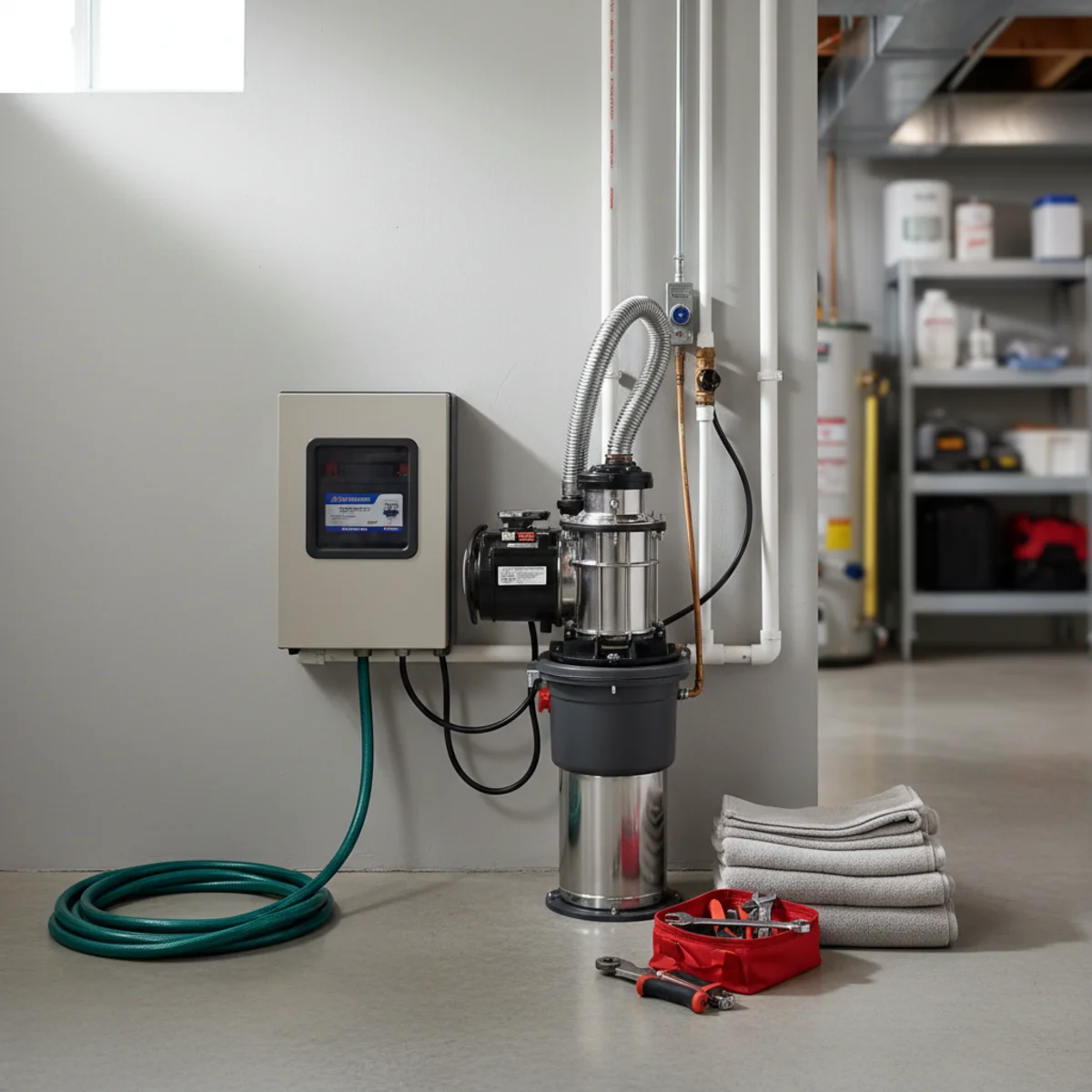
Is a Battery Backup Sump Pump Worth It?
Storms knock out power right when your sump pump matters most. Here is when a battery backup sump pump is worth it for a Littleton basement, and when it is essential.
 Backup Pump Systems
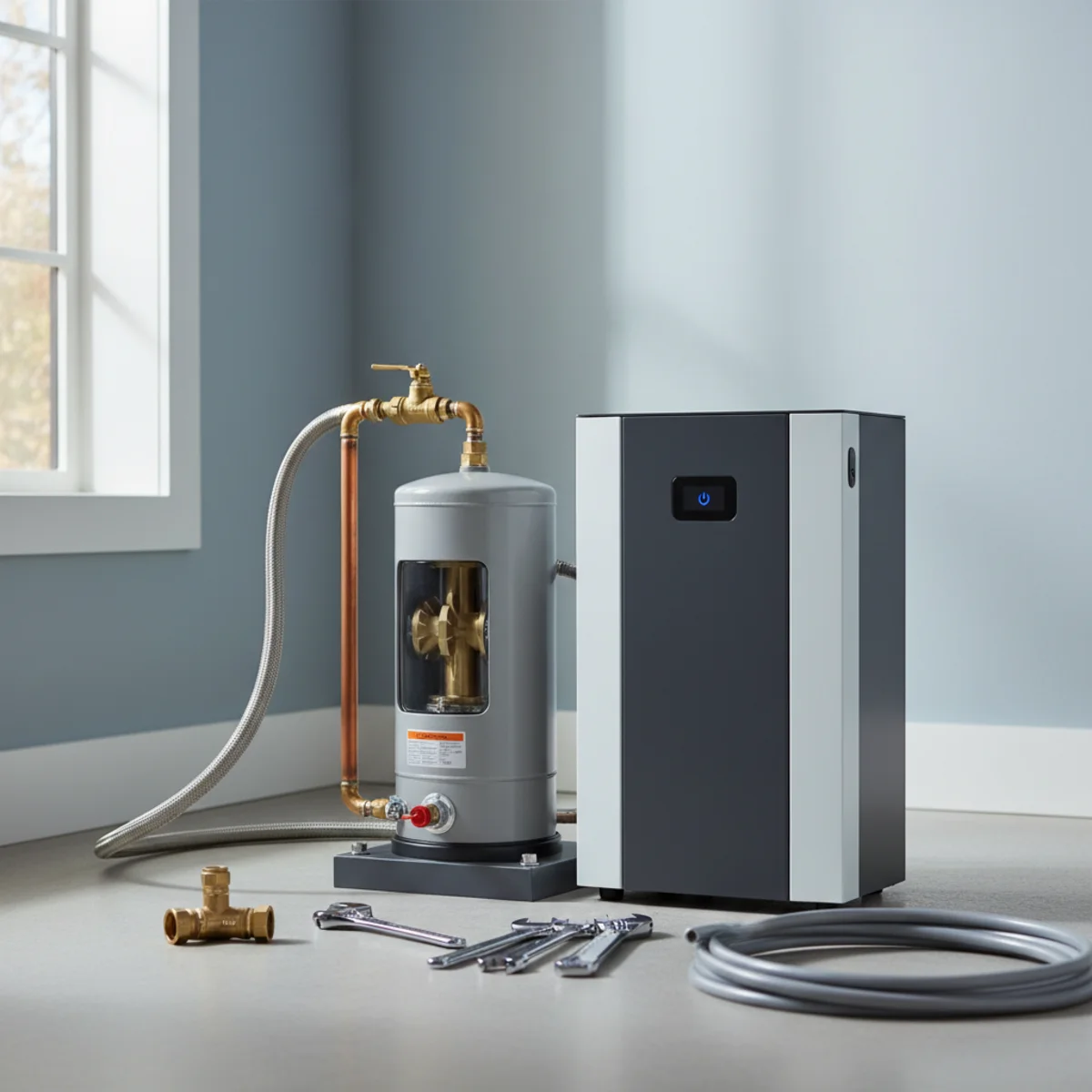
Water-Powered vs Battery Backup Sump Pump
A primary pump only works when the power is on. Here is how water-powered and battery backup sump pumps compare for Littleton basements during storm outages.
 Basement Flood Prevention
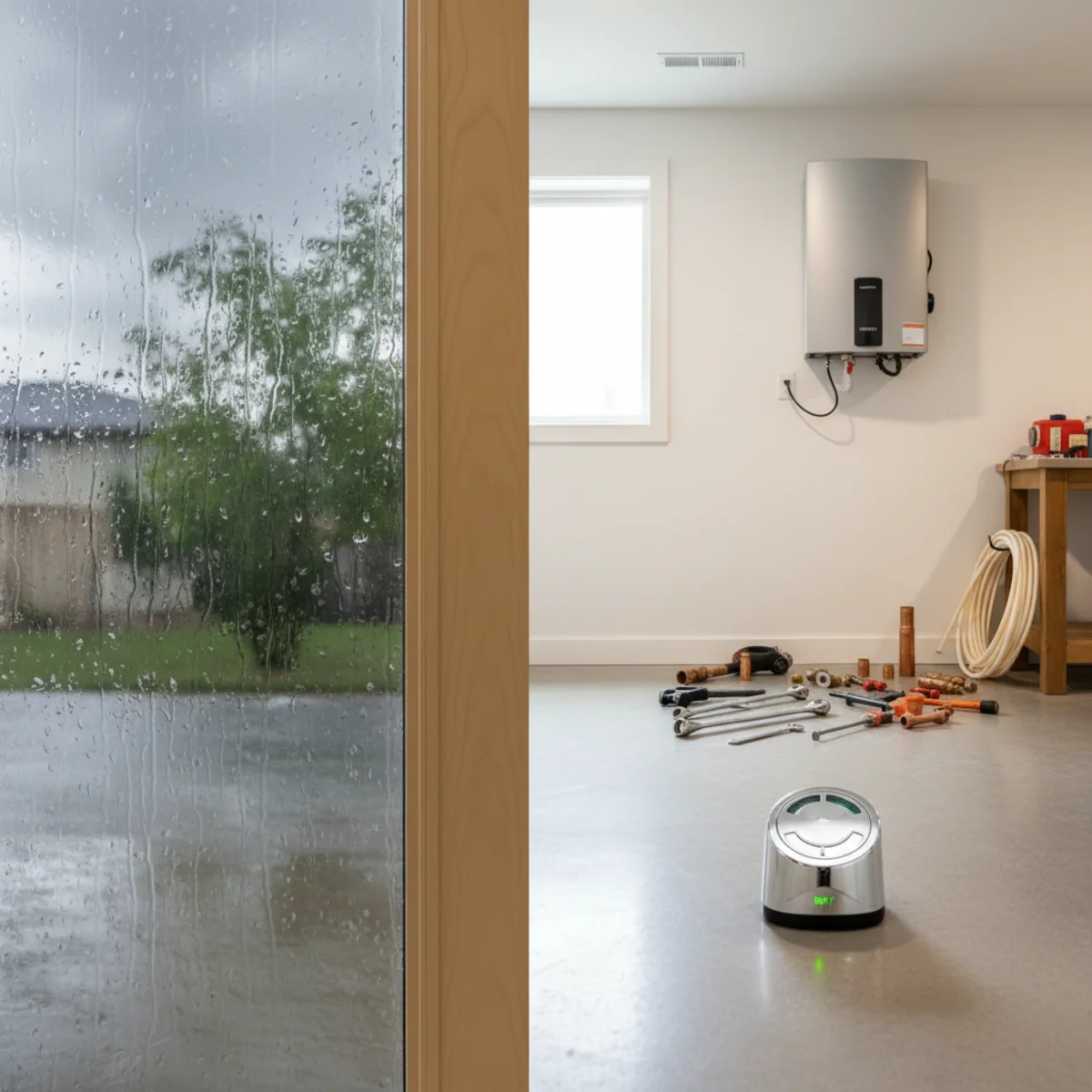
How to Prevent Basement Flooding During Heavy Rain
Heavy Front Range rain and snowmelt push water against your foundation fast. Here is how to keep your basement dry before, during, and after a storm.
Protect Your Basement Before the Next Storm
Get professional sump pump help from a local Littleton specialist. Clear, upfront estimates and careful, clean workmanship.
Available by appointment. Emergency sump pump help available.