
Sump Pump Service
Water-Powered Backup Sump Pump Installation
No battery to die — runs on your home's municipal water pressure.
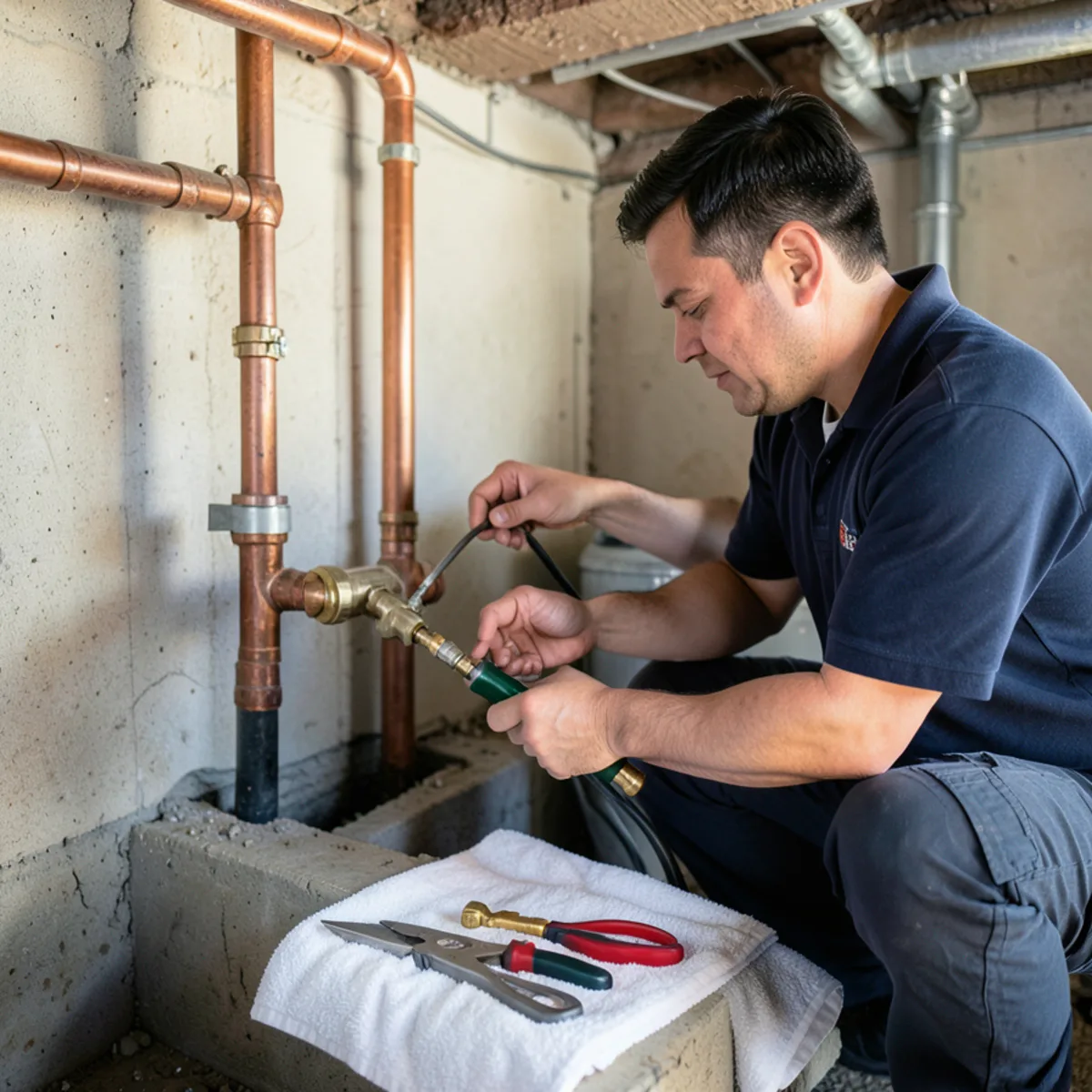
A water-powered backup sump pump has one big advantage: there's no battery to die. It runs on your home's municipal water pressure, so it can keep working through an outage that lasts for days. Littleton Sump Pump Pros installs water-powered backups for homes on city water.
For homeowners who travel, or who simply don't want to manage a battery on a 3–5 year clock, it's a compelling option.
- Local Littleton Service
- Professional Installation
- Clear, Upfront Estimates
- Battery Backup Options
- Careful, Clean Workmanship
- Emergency Help Available
How a water-powered backup works
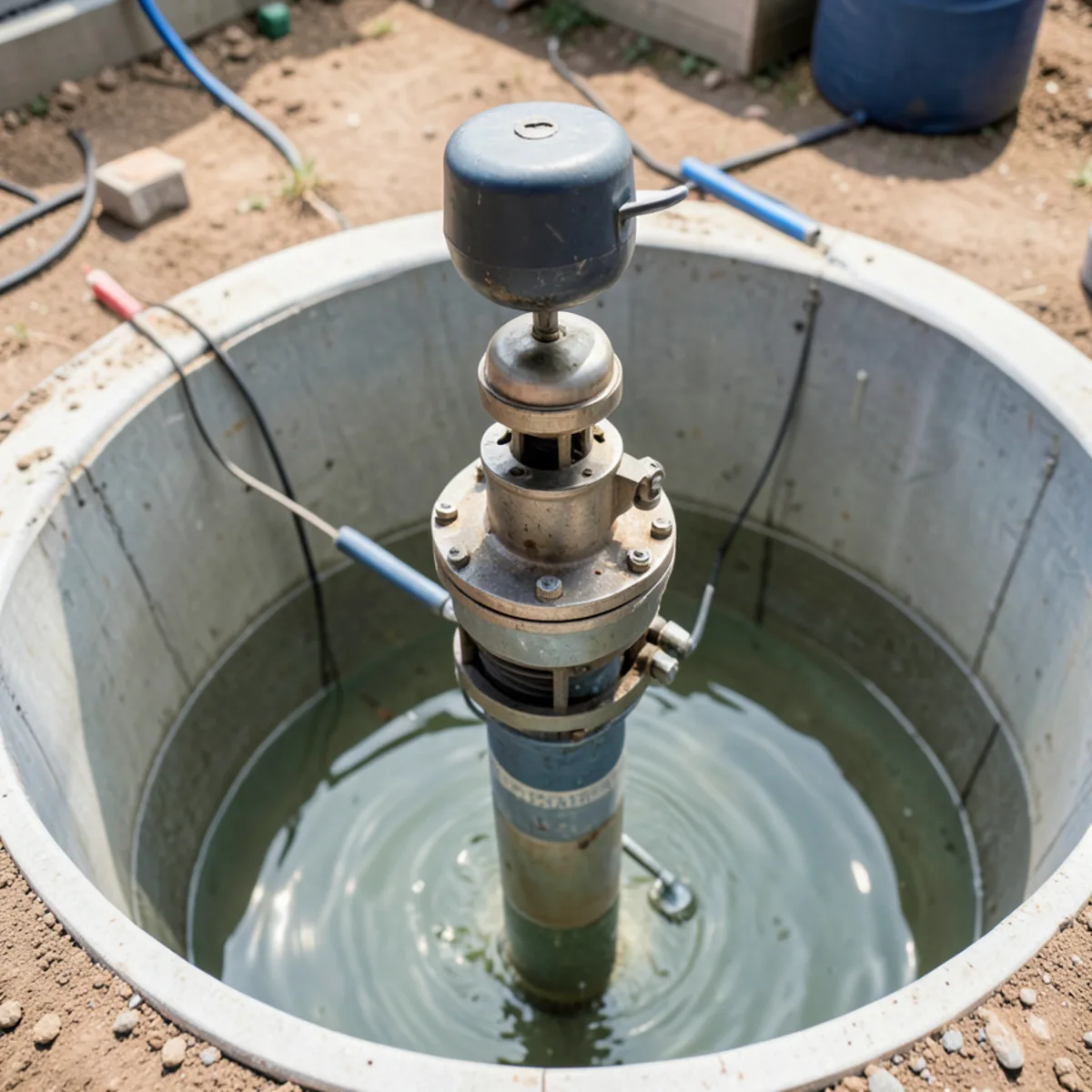
It uses the flow of pressurized municipal water to create suction that pulls water out of the pit (a venturi effect). No electricity, no battery — as long as city water pressure is available, it can run indefinitely.
- No battery to charge, maintain, or replace
- Runs through extended outages, not just short ones
- Automatic activation when the pit rises
- Requires adequate municipal water pressure (not for well-water homes)
- Uses some water while running — a fair trade during an emergency
How much water it uses during an outage
A water-powered backup only draws city water while it's actually pumping, and it shuts off when the pit drops. During a short outage that means a modest amount; during a multi-day outage in heavy snowmelt it can add up, because the unit trades roughly a gallon of supply water for each one to two gallons it removes. That water shows up on your utility bill, which most owners find an easy trade against a flooded basement.
Water pressure and supply requirements
A water-powered backup is only as strong as the water pressure behind it. Each model lists a minimum supply pressure (often around 40 psi) and a minimum supply line size, and its pumping rate rises as pressure goes up. At lower pressure it still works, but it moves less water out of the pit.
As a rule of thumb, these units use roughly one gallon of city water for every one to two gallons they remove from the pit, depending on the model, the pressure, and how high the discharge has to lift. That is why we measure your static pressure and check the supply line before recommending one.
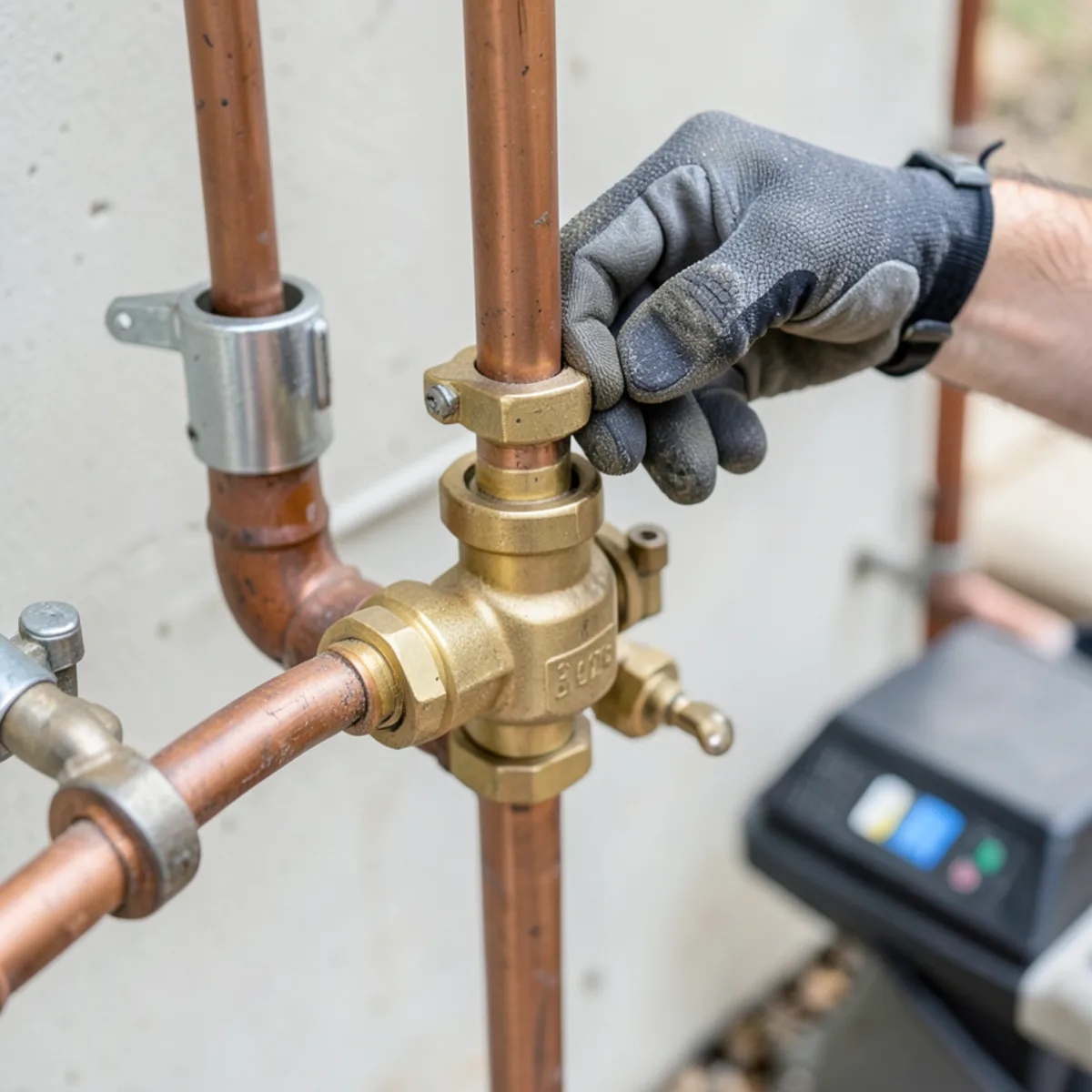
Plumbing code and the manufacturers also require a backflow preventer on the supply side, so pit water can never be drawn back into your drinking water.
- Municipal water service (not a private well)
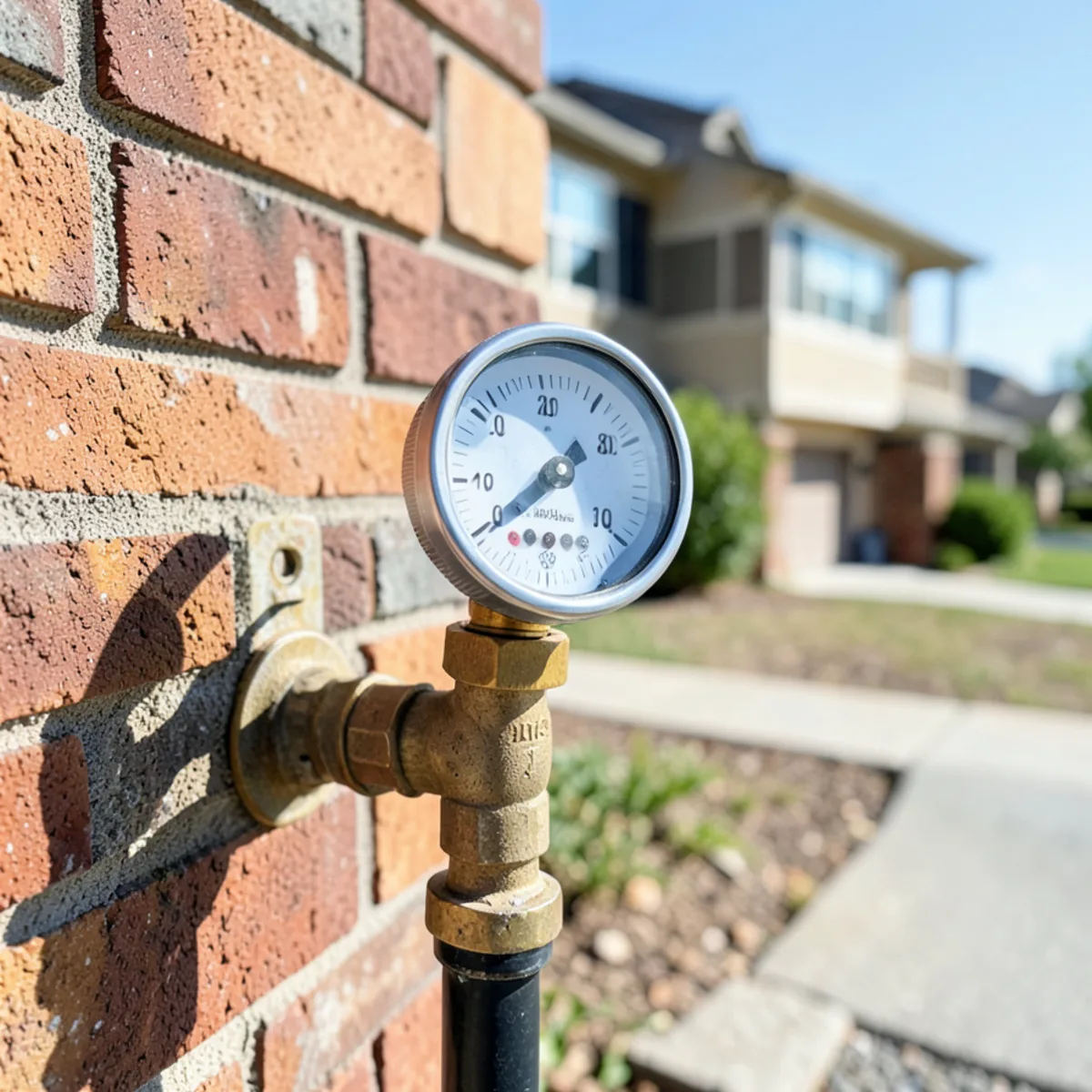
- Static pressure at or above the model's minimum — measured with a gauge at a hose bib
- A supply line large enough for the unit's rated flow
- An approved backflow preventer on the supply connection
- A discharge path that does not have to lift water too high
Is it right for your home?
Water-powered backups shine for homes on city water that want set-and-forget reliability. They're not a fit for homes on a private well, and they do consume water while operating.
We'll confirm your water pressure and plumbing can support one before recommending it — and compare it honestly against a battery backup so you choose the right protection.
It's a strong fit for long outages, for owners who travel or manage a rental, and for anyone who'd rather not track a battery's age. It's a weak fit for homes on a well, homes with marginal pressure, and pits where the discharge has to climb a long way, because each of those cuts how much water the unit can move.
Water-powered vs. battery backup: the honest trade-offs
Neither backup is better in every home. A battery backup works on any house, moves more water for its size, and costs nothing to run, but its battery ages out and its run time ends when the battery is flat. A water-powered backup never runs out during a long outage and needs almost no upkeep, but it depends on city water pressure and uses water while it works.
- Long outages: water-powered keeps going; battery runs until it's drained
- Upkeep: water-powered needs a yearly test; battery needs replacing every few years
- Pumping capacity: battery backups usually move more water; water-powered depends on pressure
- Requirements: water-powered needs city water and a backflow preventer; battery needs only space and an outlet
- Running cost: water-powered uses water while pumping; battery uses a little electricity to stay charged
What a water-powered backup installation costs depends on
The unit itself is only part of the price. Most of the variation comes from the plumbing: how far the nearest suitable supply line is from the pit, whether a new branch line has to be run, and which backflow preventer your water provider requires. The discharge side matters too, whether the unit can share the existing line or needs its own. Finished ceilings and walls between the supply and the pit add time. We price the full tie-in, not just the unit.
Plumbing permits and backflow testing
Connecting a sump backup to your drinking-water supply is plumbing work that may need a permit from your city or county. Some water providers also require testable backflow assemblies to be registered and tested on a schedule. We'll check what your provider and building department require before installing, so the setup passes inspection and stays compliant.
Keeping it ready
Once a year, lift the backup's float or raise the pit level to make sure the unit starts, pumps, and shuts off. Check the intake screen for debris, confirm the supply valve is fully open, and make sure the discharge check valve holds. It's a five-minute test, and we include it in every maintenance visit.
How Our Water-Powered Backup Process Works
- 1
Measure pressure
Static pressure at a hose bib and the size of the available supply line.
- 2
Check the lift
How high the discharge climbs, which affects how much water the unit can move.
- 3
Confirm local rules
Permit and backflow-device requirements for your address and water provider.
- 4
Plumb the supply
Run the supply line with an approved backflow preventer and shutoff valve.
- 5
Set and connect
Mount the unit, set its float above the primary's, and tie into the discharge.
- 6
Shut off the primary
Unplug the primary pump and confirm the backup starts, clears the pit, and stops.
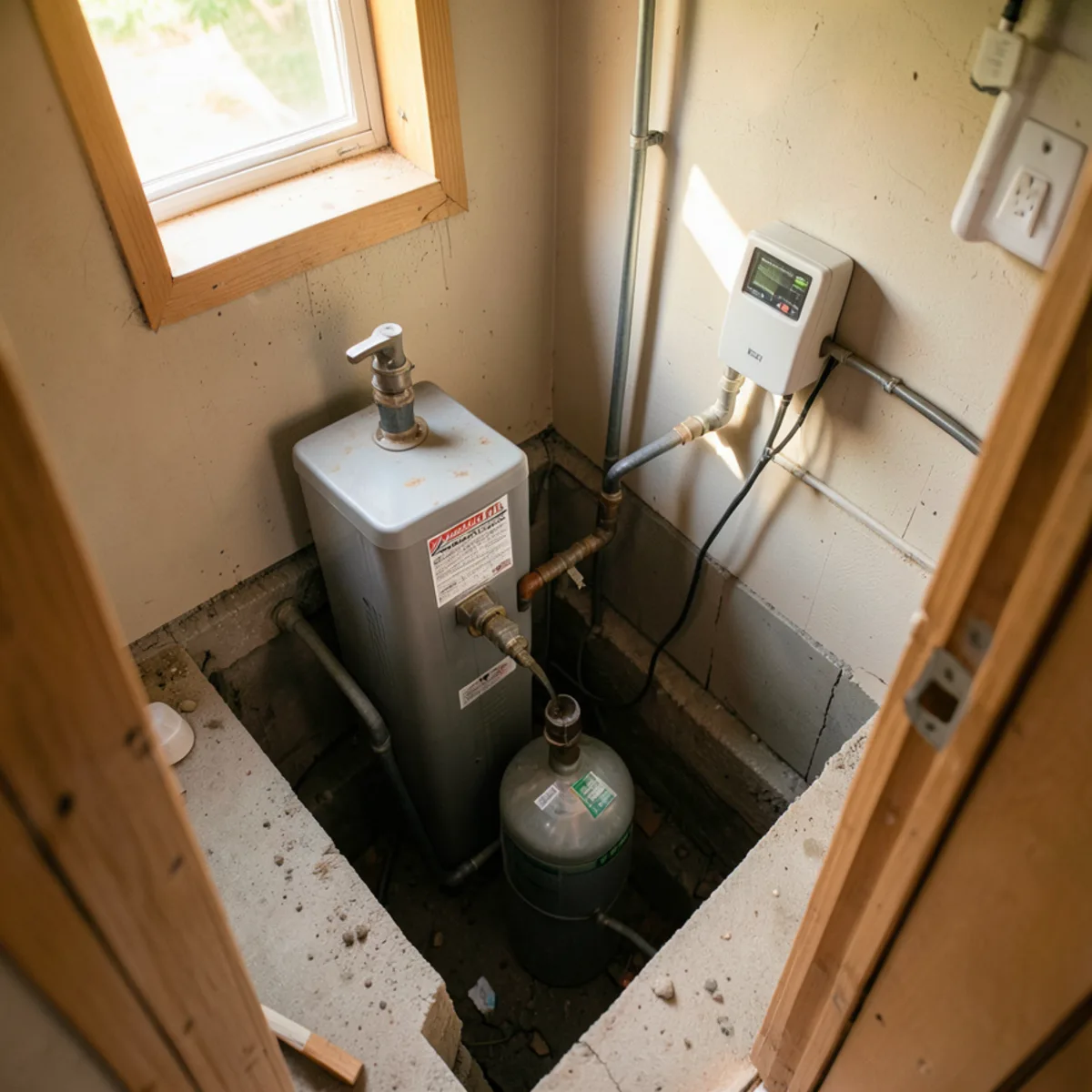
Water-Powered Backup: what the work looks like
Why Homeowners Choose Us for Water-Powered Backup
Water-powered backups only work as well as the pressure and plumbing behind them, and that's exactly where we start. We measure before we recommend one, and if a battery backup suits your house better, we'll say so.
We're a Littleton sump specialist at 8 W Dry Creek Cir, working by appointment, and every backup we install is tested with the primary pump unplugged.
- No battery to die during long outages
- Minimal ongoing maintenance
- Automatic activation
- Great for homeowners who travel
- Honest comparison vs. battery backup
Services That Pair With Water-Powered Backup
Guides on Water-Powered Backup Sump Pump Installation
Helpful Guides & Costs
Where We Provide Water-Powered Backup
See every community on the service areas page.
Water-Powered Backup FAQs
It uses pressurized municipal water to create suction that pulls water out of the pit. As long as your city water is flowing, it works — even during a multi-day power outage.
No — it needs reliable municipal water pressure. If you're on a private well, a battery backup is the right choice. We confirm your setup before recommending one.
It depends on the model, but many list a minimum around 40 psi, and they pump faster at higher pressure. We measure your home's static pressure before recommending one, because low pressure means low pumping capacity.
A simple pressure gauge that screws onto an outdoor hose bib reads static pressure in seconds. Take the reading with no water running in the house.
It uses water while it runs, but only during an actual backup event — typically a power outage. Most homeowners consider that a fair trade for protection that never needs charging.
Yes, though few homes need both. It can make sense for a finished basement with a high water table where long outages are common: the battery backup handles short events with higher capacity, and the water-powered unit covers outages that outlast the battery.
On city water and tired of batteries?
A water-powered backup runs as long as the outage lasts, as long as your water pressure is strong enough. We'll check the pressure first.
- Supply pressure tested before install
- Backflow preventer included
- Compared honestly with a battery backup