Water-Powered vs Battery Backup Sump Pump
Your primary sump pump runs on electricity. The Front Range storms that flood basements are the same storms that knock the power out. That is the problem in one sentence.
When the grid goes down during a summer thunderstorm or a heavy snowmelt week, the water keeps rising in the pit whether your pump can run or not. A backup system is the only thing standing between a dry basement and a wet one at that moment. The two common choices are a battery backup and a water-powered backup.
Both keep pumping when the primary cannot. They do it in completely different ways, and the right pick depends on your home's plumbing, your basement, and how long you expect an outage to last. Here is the honest breakdown.
- Local Littleton Service
- Professional Installation
- Clear, Upfront Estimates
- Battery Backup Options
- Careful, Clean Workmanship
- Emergency Help Available
How Each Backup System Actually Works
A battery backup is a second pump in the pit with its own deep-cycle battery. When the power fails or the primary pump cannot keep up, a float switch triggers the backup and it pumps on stored battery charge. It is independent of the grid until the battery runs down.
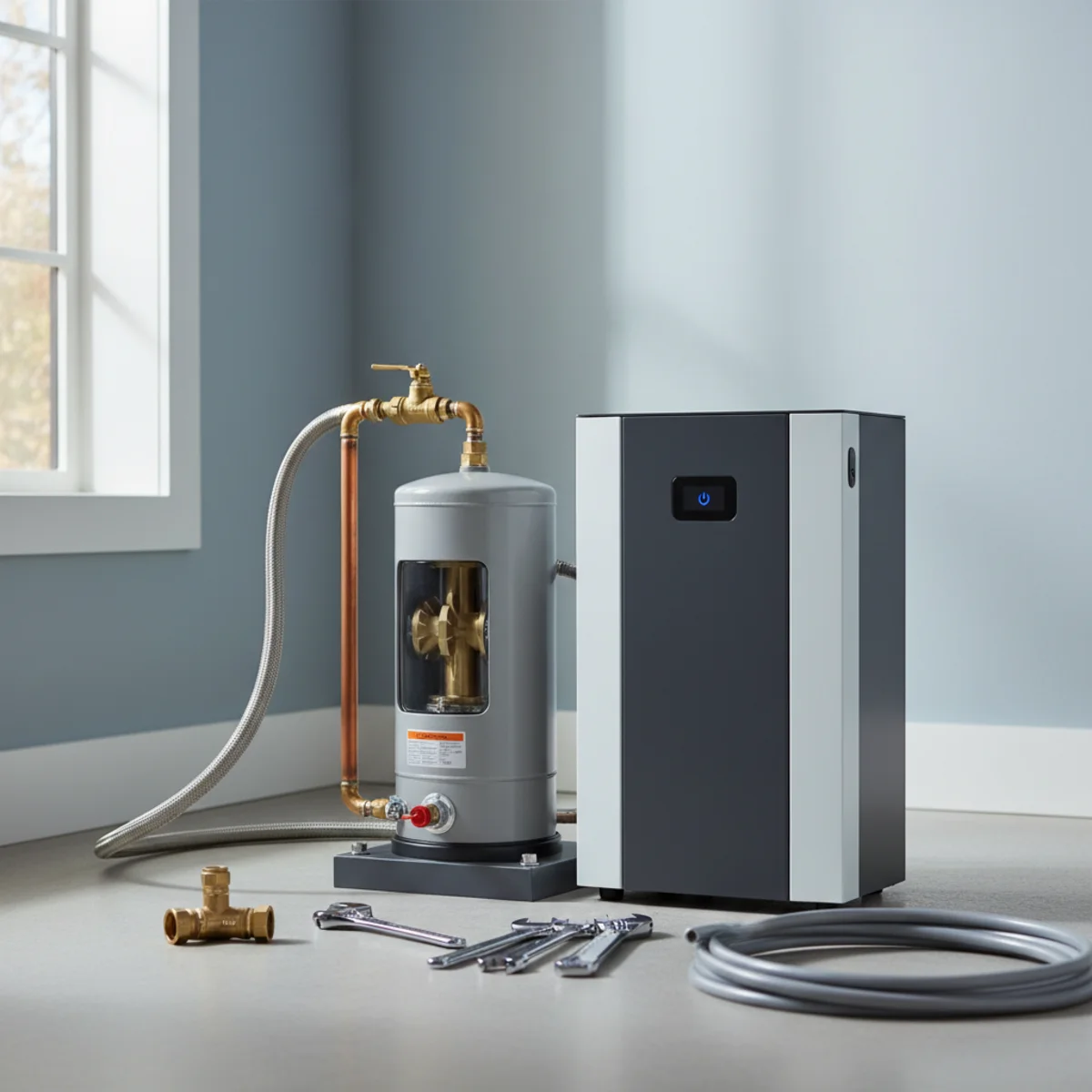
A water-powered backup has no battery at all. It connects to your home's municipal water supply and uses the pressure in that line to create suction that lifts water out of the pit. The principle is simple: fast-moving supply water draws pit water along with it and carries both out the discharge. No electricity, no battery to replace. As long as city water has pressure, it pumps.
That difference drives everything else. One depends on a charged battery you have to keep healthy. The other depends on municipal water pressure you do not control but rarely lose. Neither needs the electrical grid, which is the whole point of a backup. Both sit ready in the pit and only engage when the primary pump can no longer hold the water down.
Side-by-Side Comparison
Here is how the two stack up on the things that matter most for a Littleton home.
- Power source: Battery backup runs on a stored charge. Water-powered runs on municipal water pressure. Both keep working through a grid outage.
- Runtime: A battery has a hard limit and drains over a long outage. A water-powered unit can run as long as city water holds pressure, which often means much longer.
- Maintenance: Batteries lose capacity and typically need replacement every few years. A water-powered backup has fewer parts to age out and no battery to replace.
- Water use: A water-powered unit uses city water to pump, so it adds to your water bill while it runs. A battery backup uses none.
- Plumbing requirements: Water-powered units need a well-pressured municipal supply and proper backflow protection. Homes on a private well are usually not a fit.
- Up-front cost: Costs vary by home and setup. Battery systems carry ongoing battery-replacement costs over time; water-powered systems trade that for water usage during outages.
Which One Fits a Littleton Home
Start with your water source. Water-powered backups need municipal water pressure to work. If you are on city water in Littleton, Highlands Ranch, Centennial, or Columbine, that box is usually checked. If you are on a private well, a water-powered unit is generally off the table and a battery backup is the practical choice.
Then think about outage length. Front Range storm outages are often short, but they are not always. A snowmelt week with saturated clay-heavy soil can keep your pit working hard for days, and a long outage is exactly when a battery's runtime limit becomes a real risk. A water-powered backup shines in the long-outage scenario because it does not drain.
Finally, consider the basement itself. A finished basement raises the stakes. Drywall, flooring, and stored belongings make any failure expensive, so longer protection and fewer failure points carry more weight. Some homeowners run both: the primary pump, plus a backup sized to the worst case they can imagine.
What Each One Asks of You Over Time
A backup is only worth having if it works the day you need it, and that depends on upkeep. The two systems ask for different things over the years, and that ongoing reality should factor into your choice as much as the day-one install.
A battery backup lives or dies by its battery. Deep-cycle batteries lose capacity with age and with every pumping cycle, so they need testing and eventual replacement on a schedule. Skip that and you have a backup that looks installed but cannot finish an outage. The trade-off is that a battery system never touches your water bill.
A water-powered backup has no battery to babysit, which is its big appeal for homeowners who do not want one more thing to track. It still earns a periodic check: the backflow device, the float, and the discharge all need to be confirmed working. And because it draws on city water to pump, a long outage means real water usage. Neither approach is set-and-forget, but they fail in different ways, and knowing which kind of upkeep you will actually keep up with matters.
Backflow, Discharge, and Doing It Right
A water-powered backup ties into your potable water line, so backflow protection is not optional. It keeps pump water from ever flowing back toward your drinking water. This is the single most important reason to have a water-powered unit installed by a professional rather than treated as a weekend project.
Both backup types need their own discharge path. The backup is useless if its discharge line is frozen, crushed, or dumping water right back against the foundation. We route discharge away from the house and account for freeze-thaw, which cracks shallow lines along the Front Range every winter.
We also check the check valve, the float switch clearance, and the high-water alarm so you actually hear the backup engage. A backup that runs silently in the dark does its job, but a high-water alarm tells you something went wrong with the primary so you can fix it before the next storm.
The Bottom Line
If you are on city water and worried about long outages during snowmelt or storm season, a water-powered backup is hard to beat for runtime and low upkeep. If you are on a well, or you want a backup that uses no water at all, a battery backup is the answer.
There is no single right pick for every basement. The right pick is the one that matches your water source, your outage risk, and what is sitting on your basement floor. We will walk the pit with you and lay out clear, upfront options before any work starts.
Emergency sump pump help available — call (207) 419-2600.
Frequently Asked Questions
Keep Reading
 Backup Pump Systems
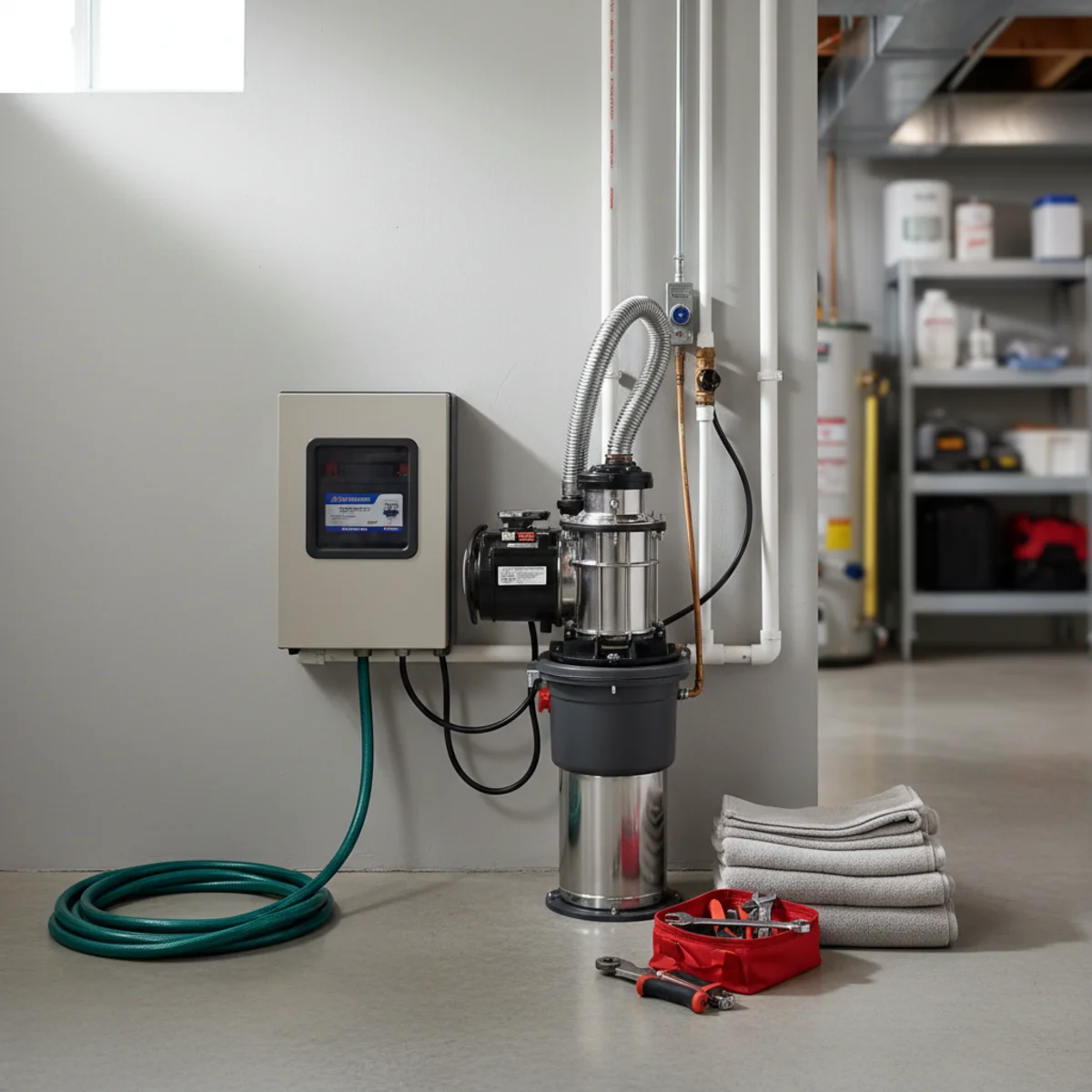
Is a Battery Backup Sump Pump Worth It?
Storms knock out power right when your sump pump matters most. Here is when a battery backup sump pump is worth it for a Littleton basement, and when it is essential.
 Backup Pump Systems
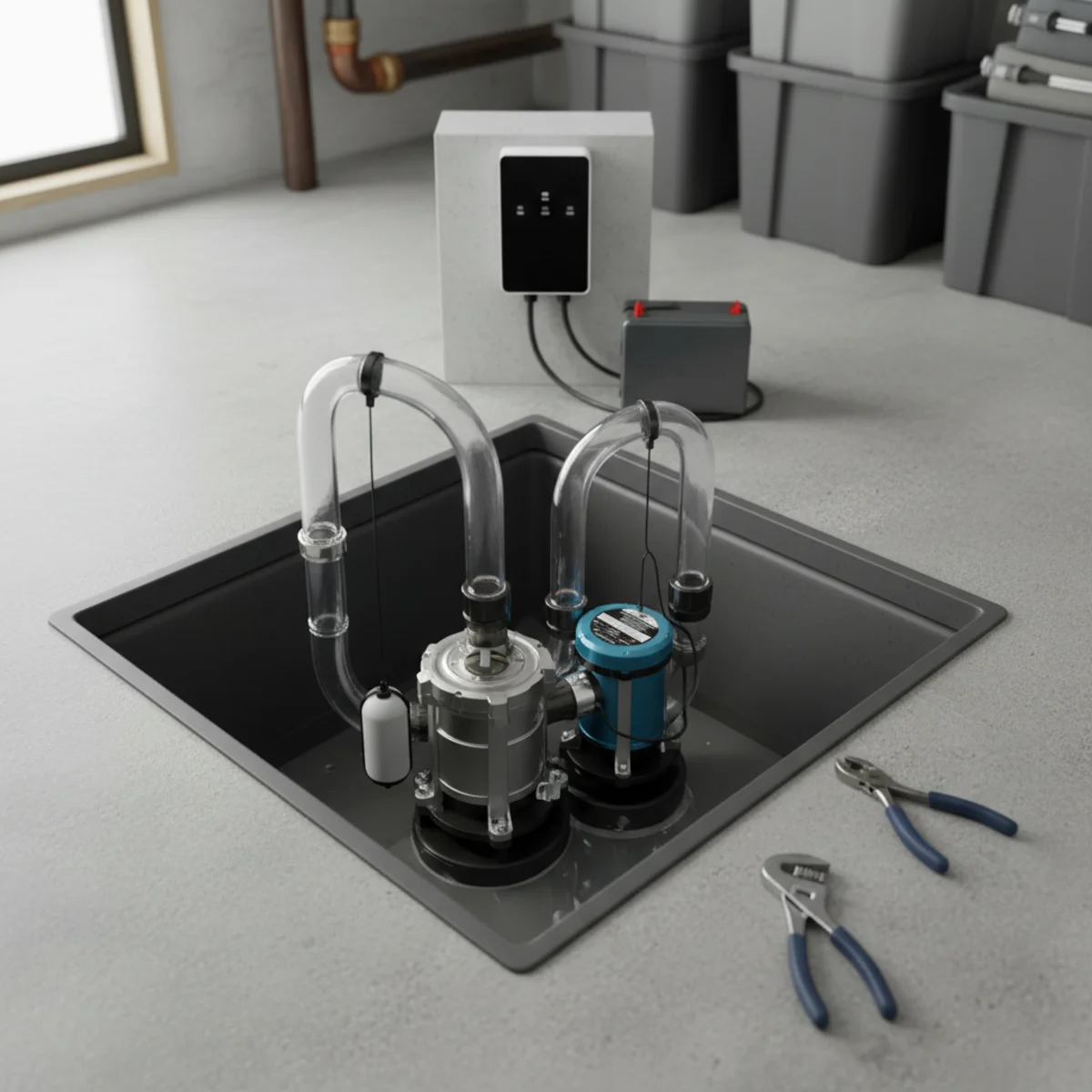
Complete Guide to Sump Pumps with Battery Backup
A primary sump pump is useless when the power goes out, and storms cause both. Here's a complete guide to sump pumps with battery backup for Front Range homes.
 Maintenance & Troubleshooting
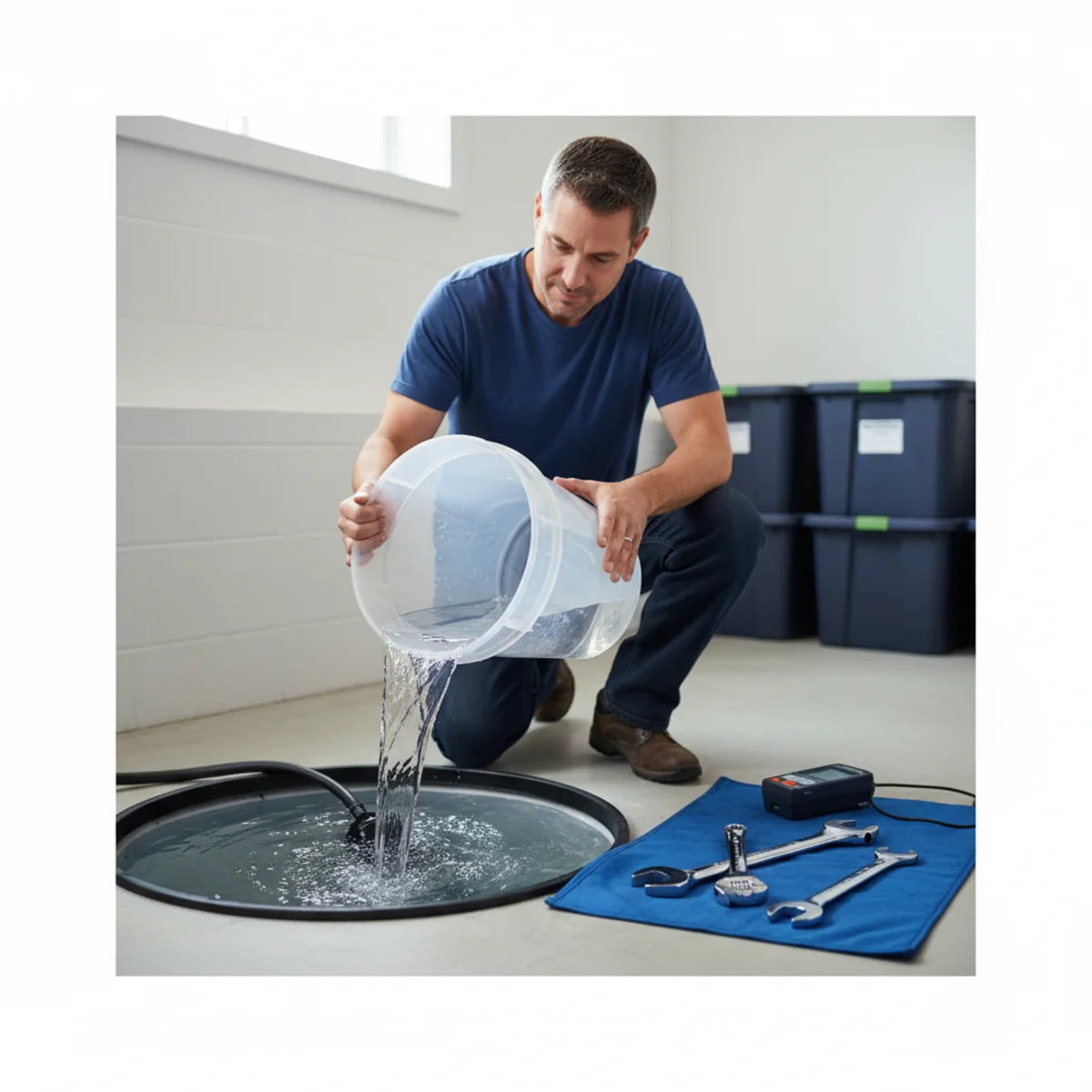
How to Test Your Sump Pump Before a Storm
The time to find out your pump is dead is not during the storm. Here's a five-minute test you can run yourself before the rain hits.
Protect Your Basement Before the Next Storm
Get professional sump pump help from a local Littleton specialist. Clear, upfront estimates and careful, clean workmanship.
Available by appointment. Emergency sump pump help available.