
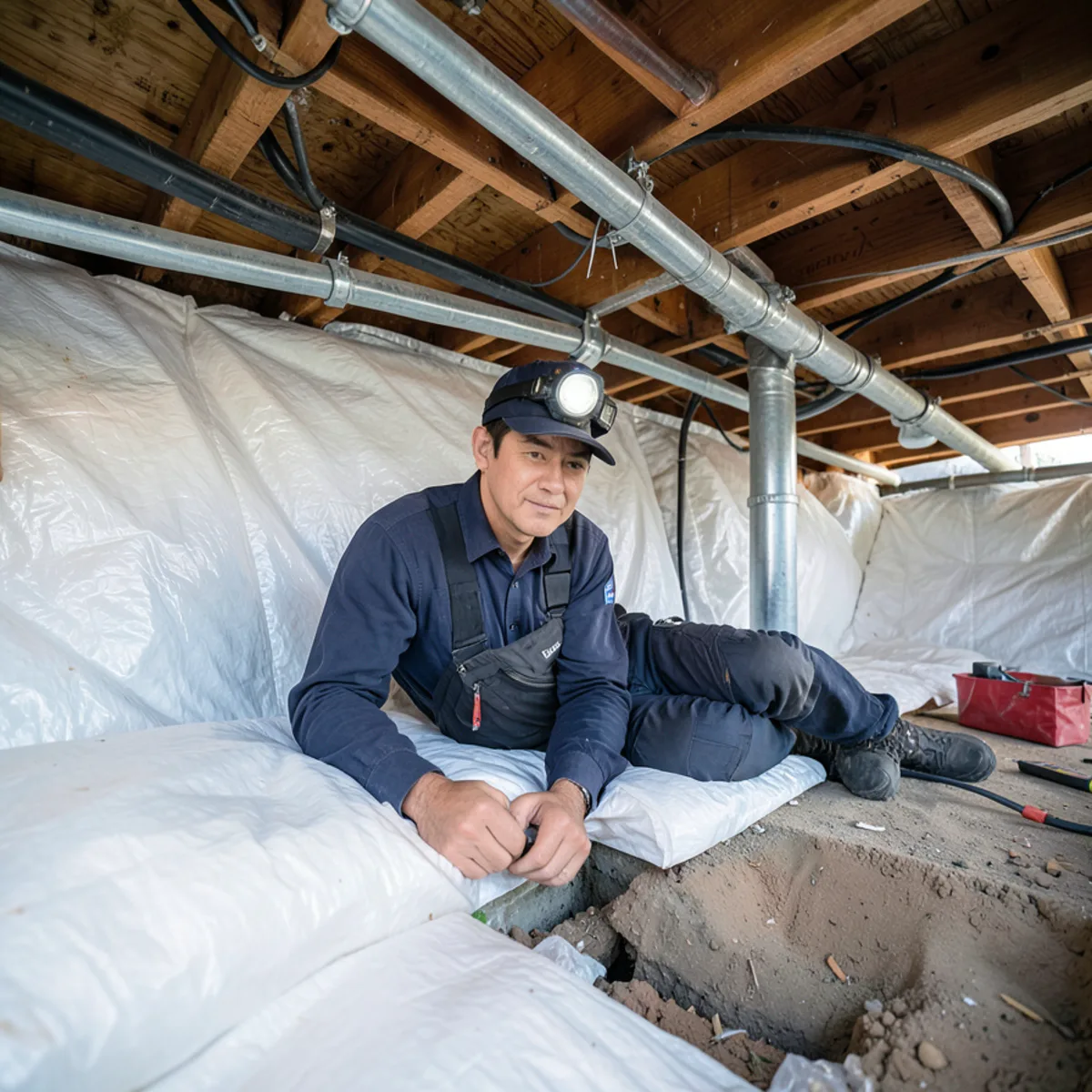
Sump Pump Service
Crawl Space Sump Pump Installation
Standing water and humidity below the house don't stay below the house.
Water in a crawl space doesn't stay in the crawl space. Humidity rises into the living area, wood framing stays damp, and mold and musty odors follow. Crawl space sump pump installation in Littleton, CO gives that water somewhere to go. Littleton Sump Pump Pros installs crawl space systems sized for tight access.
If your crawl space is humid, smells musty, or shows standing water after storms, a sump system is usually the missing piece.
- Local Littleton Service
- Professional Installation
- Clear, Upfront Estimates
- Battery Backup Options
- Careful, Clean Workmanship
- Emergency Help Available
Why crawl spaces flood here
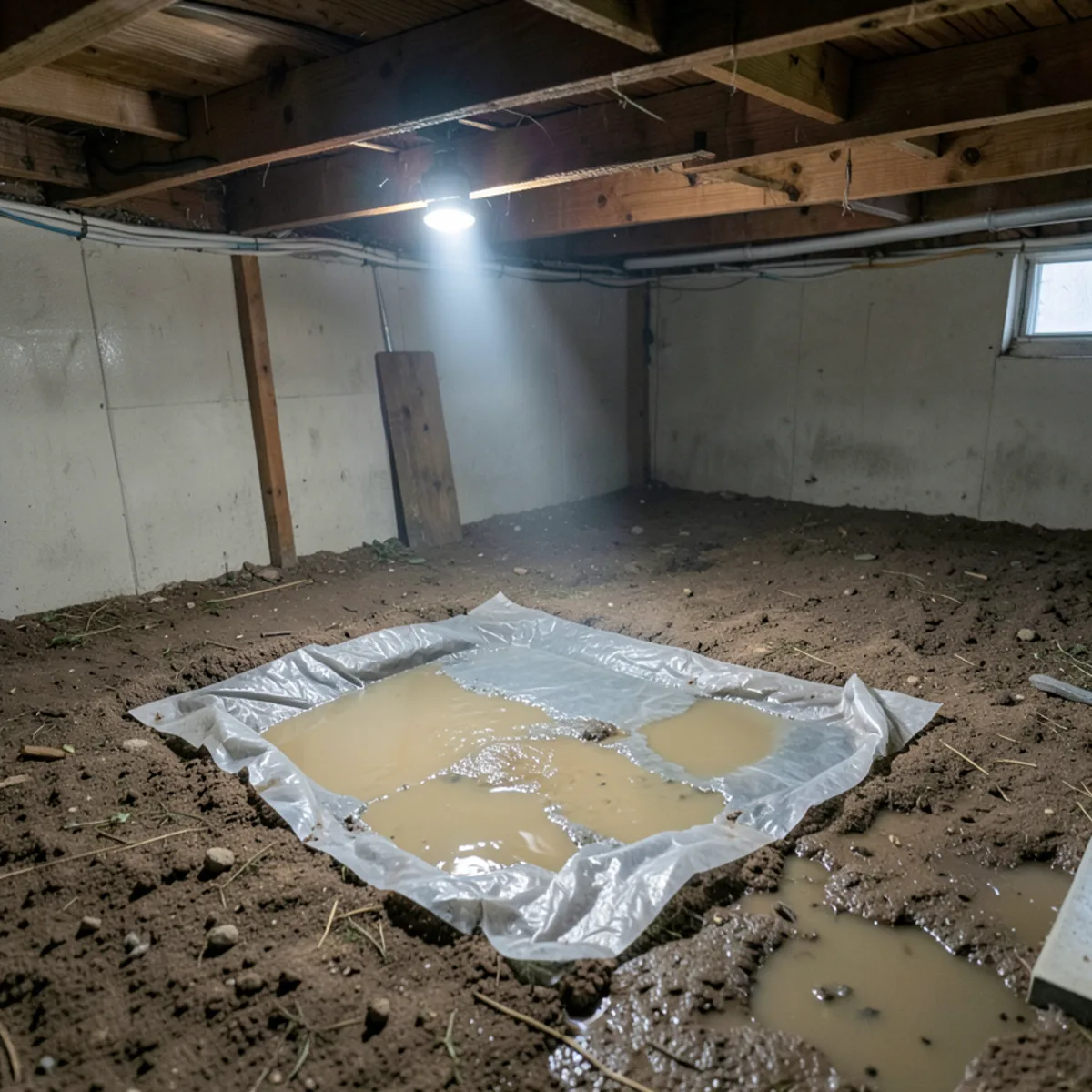
Crawl spaces sit at or below grade, so groundwater and snowmelt collect there first. On sloped lots near the foothills, runoff finds the crawl space fast. Without a pump, that water sits and evaporates upward into the house.
Many crawl spaces around Littleton sit under split-level and older ranch homes, or on sloped lots near the foothills where runoff reaches the uphill foundation first. The crawl floor is often bare soil or gravel with a thin plastic sheet, so water that gets in has nowhere to go until it evaporates into the house above.
What a crawl space system involves
- A compact basin set at the crawl space low point
- A pump sized for tight, low-clearance access
- Discharge routed out and away from the foundation
- Pairs well with a vapor barrier / encapsulation for a dry, sealed space
- Optional alarm so you know it's working out of sight
Signs your crawl space needs a sump pump
- Standing water or wet soil in the crawl space after storms or snowmelt
- A musty smell in the rooms above
- Condensation, mold, or dark staining on joists and subfloor
- A vapor barrier with water pooling on top of it
- Sagging insulation or rusting ductwork and pipe hangers
What standing water does under a house
A wet crawl space rarely floods the living space directly. The damage is slower. Moisture rises into the floor framing and subfloor, feeding mold and wood rot. Fiberglass insulation between the joists soaks up water and sags. Ductwork and pipe hangers rust. And because warm air rises through a house, damp, musty crawl-space air is drawn up into the rooms above, which is why many homeowners first notice the smell, not the water.
Getting water to the pump across a crawl floor
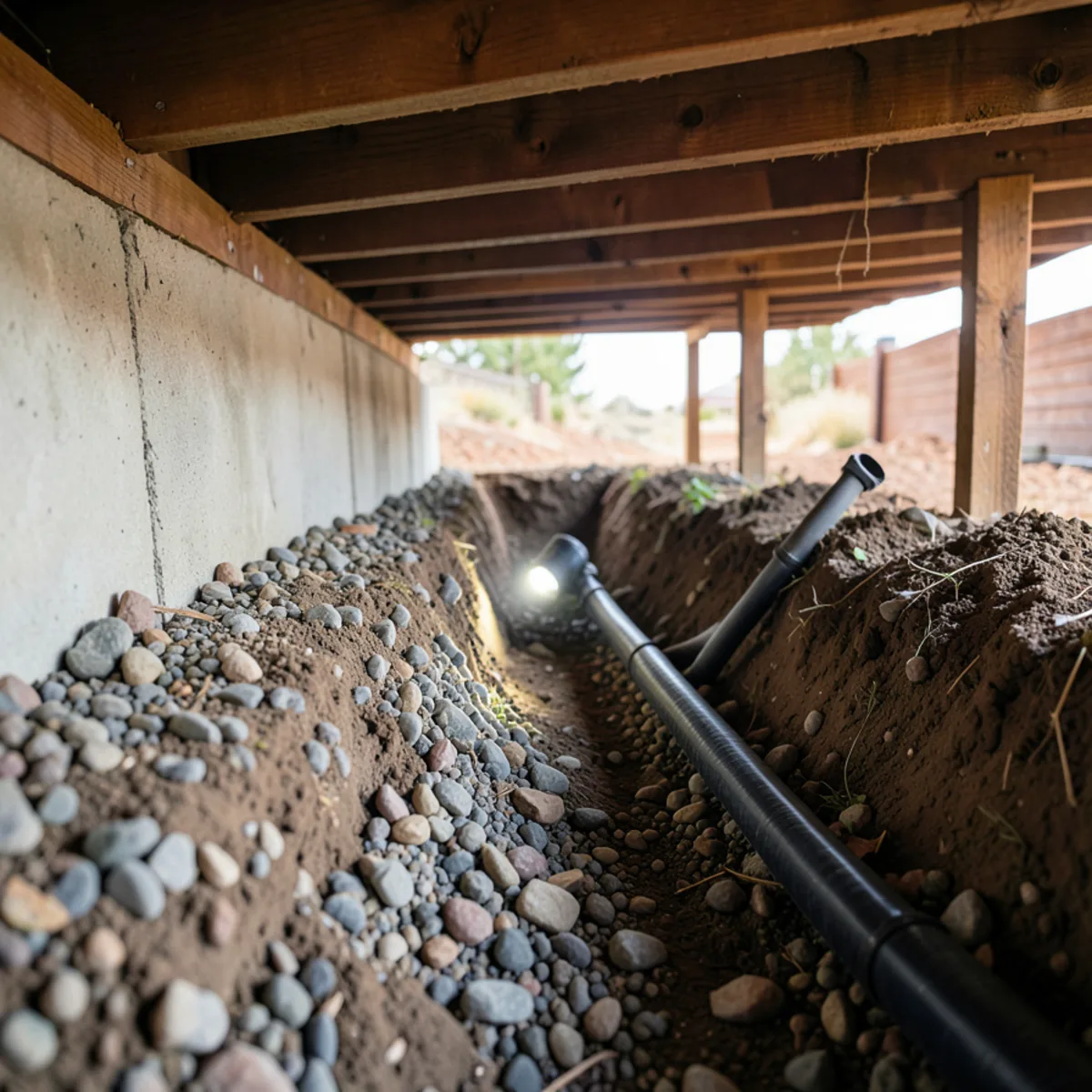
A crawl space floor is rarely level, and water collects in more than one low spot. A shallow gravel trench, sometimes with perforated pipe, carries water from those spots and from along the uphill foundation wall to the basin. That small amount of drainage work is often what makes the difference between a pump that runs and a crawl space that still has puddles.
The discharge has to leave through the rim joist or foundation wall and run outside below grade, the same as in a basement, so it releases water away from the house instead of back toward the crawl.
Sump pumps, vapor barriers, and encapsulation
A vapor barrier keeps ground moisture from evaporating into the crawl space, but it can't remove water. When water collects under or on top of the plastic, the barrier just hides the problem. A sump basin at the low point gives that water somewhere to go.
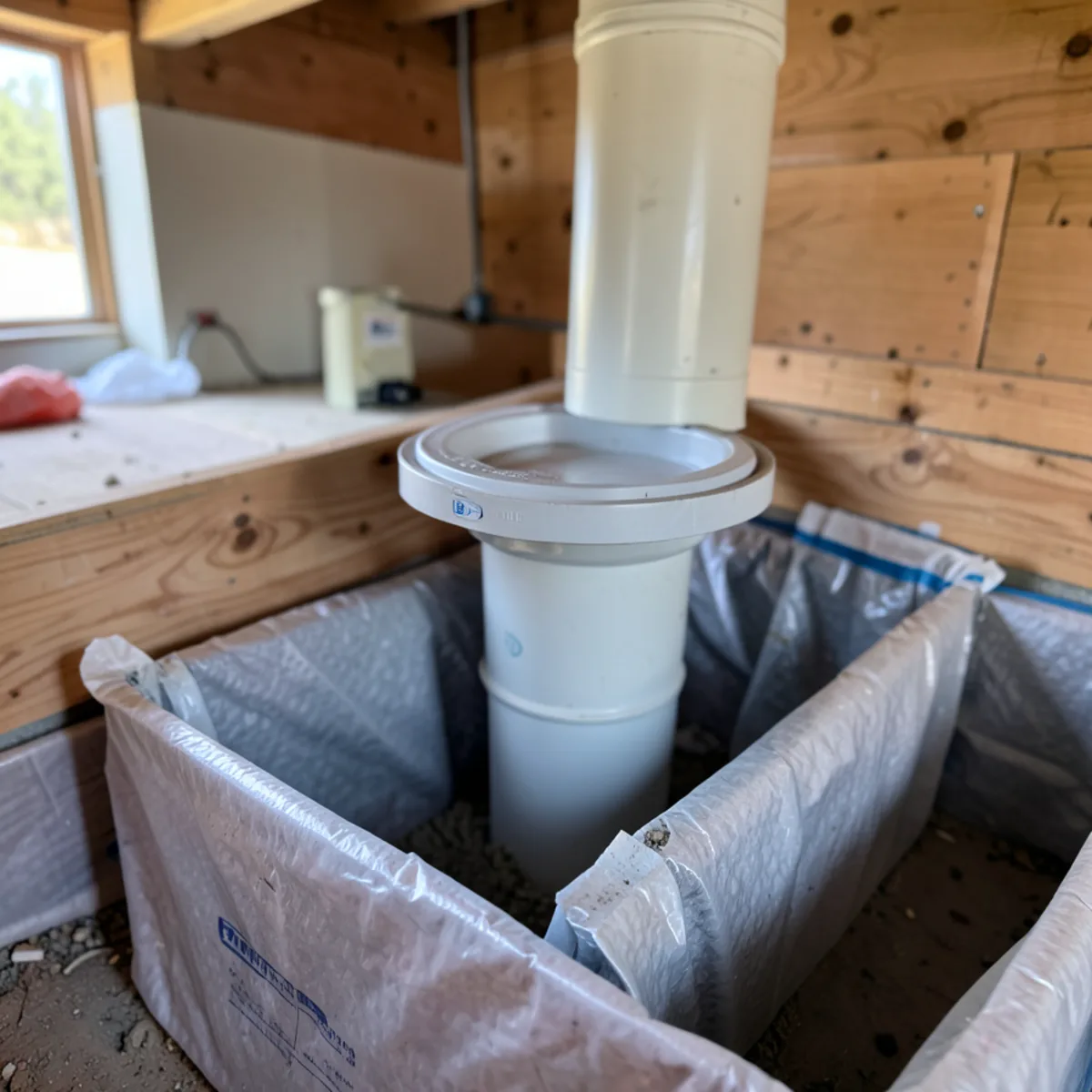
In a fully encapsulated crawl space, the basin sits under the liner with a sealed lid, and the liner is lapped and sealed around it. That keeps the space dry and closed off, and it's the same sealed-lid approach we use in basements where radon is a concern.
Choosing the pit and pump for a crawl space
Crawl spaces often have less than three feet of clearance, so the basin is usually smaller and the pump compact. A submersible pump is the usual choice because it fits inside the basin and runs quietly under the floor.
Because nobody looks in a crawl space often, we recommend a high-water alarm or a Wi-Fi sensor with every crawl space pump. You'll know if it stops working long before the smell tells you.
What a crawl space sump pump costs depends on
Access sets the pace. A tall crawl with a good hatch is straightforward; a space with 18 inches of clearance, ductwork in the way, and a long crawl to the low point takes much longer. Digging the basin in soil or gravel, trenching drainage to it, and the length of the discharge line make up most of the rest. Adding a vapor barrier or full encapsulation, an alarm, or a dedicated outlet are priced as separate options, so you can choose the level of protection.
Vented vs. sealed crawl spaces and code
Building codes treat vented and sealed (unvented) crawl spaces differently. Converting a vented crawl to a sealed one comes with requirements for the vapor retarder and for air movement or conditioning, so check with your city or county building department before closing vents. The pump also needs a GFCI-protected outlet, and in many crawl spaces that means adding one.
Access and working conditions
We'll ask about the hatch size and clearance before the visit so we bring the right pump and tools. If the crawl has standing water, sharp debris, or signs of pests, we deal with those safely first. A clear path from the hatch to the low point makes the work faster and the future maintenance easier.
How Our Crawl Space Sump Pump Installation Process Works
- 1
Check access
Hatch size, clearance, and the route to the crawl's low point.
- 2
Map the water
Where it collects, where it enters, and how the floor slopes.
- 3
Dig the basin
Set a compact, lidded basin in gravel at the true low point.
- 4
Trench to the basin
Shallow gravel drainage from other wet spots and the uphill wall.
- 5
Pump and discharge
Compact submersible, check valve, and a line out through the rim joist to a safe outlet.
- 6
Seal and test
Lap the vapor barrier around the basin, add an alarm, and run full cycles.
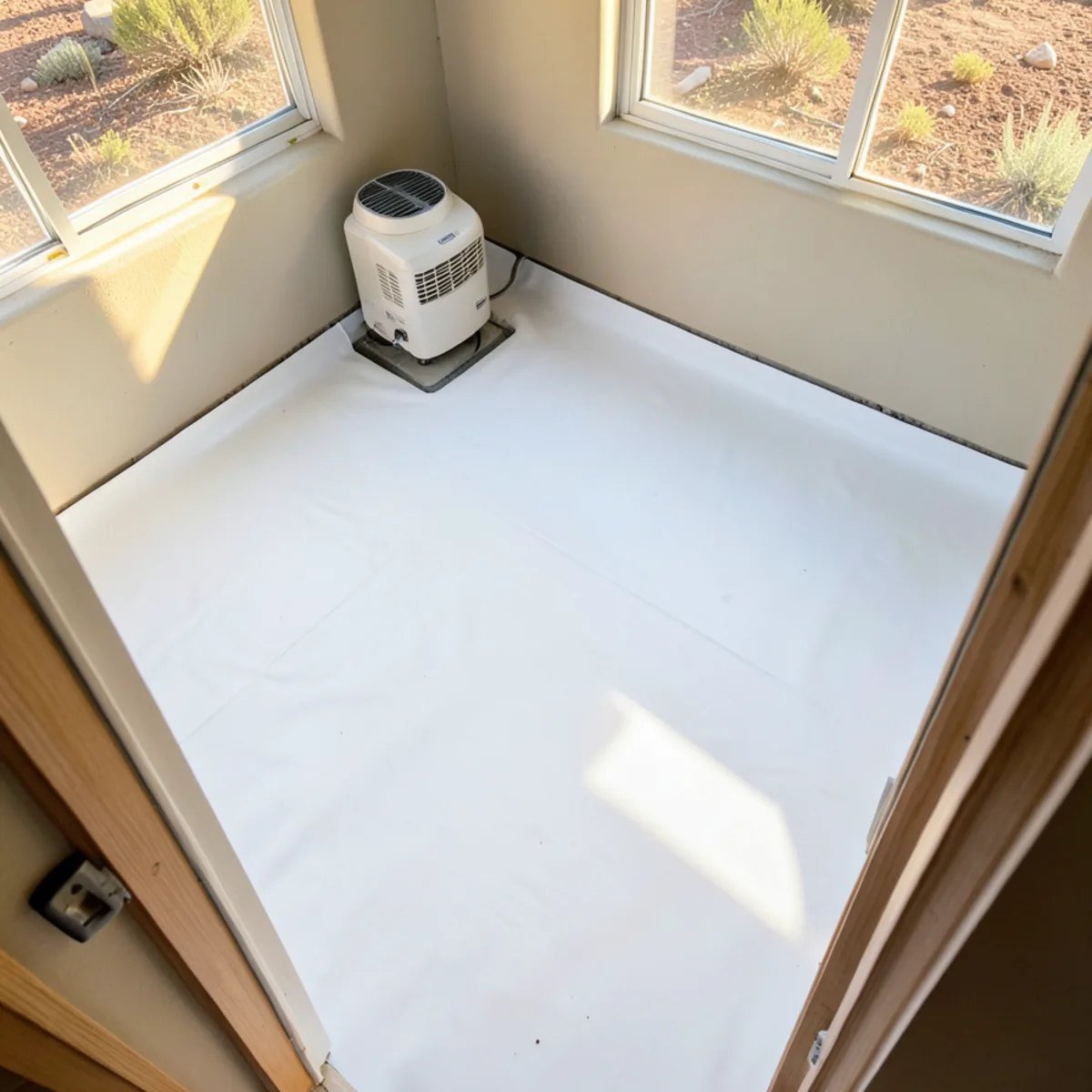
Crawl Space Sump Pump Installation: what the work looks like
Why Homeowners Choose Us for Crawl Space Sump Pump Installation
Crawl spaces are cramped, out of sight, and easy to get wrong. As sump specialists we treat them like any other pit: find the true low point, get the water to it, and send it far enough from the house that it doesn't come back.
We're based in Littleton at 8 W Dry Creek Cir and schedule crawl-space work by appointment, with an upfront estimate that prices drainage, encapsulation, and alarms as separate options.
- Lower humidity in the living space above
- Protection for framing and stored items
- Systems built for tight crawl space access
- Pairs with encapsulation for a fully dry space
- Optional alarm for out-of-sight peace of mind
Services That Pair With Crawl Space Sump Pump Installation
Guides on Crawl Space Sump Pump Installation
Helpful Guides & Costs
Where We Provide Crawl Space Sump Pump Installation
See every community on the service areas page.
Crawl Space Sump Pump Installation FAQs
If the crawl space shows standing water, stays humid, or smells musty after storms, yes. A sump pump removes the water that's driving humidity and odor up into your home.
Yes — we use compact basins and pumps designed for low clearance. We assess access first and choose equipment that fits the space.
It depends on access and clearance, whether a new basin must be dug, how far the discharge has to run, and whether you add an alarm or encapsulation. Call (207) 419-2600 for an on-site estimate.
At the lowest point where water collects, usually along the downhill wall. Trenching or a perimeter drain can carry water from other areas to the basin.
Often it's worth pairing them. A vapor barrier plus a sump pump gives you a dry, sealed crawl space — the pump handles liquid water and the barrier handles ground moisture.
It needs a GFCI-protected outlet close enough that no extension cord is required. Many crawl spaces don't have one, so adding an outlet is often part of the job and may need an electrical permit.
Water under the house?
A crawl space pit at the low point, plus drainage and a sealed liner, keeps water away from joists and ductwork. We'll look before recommending anything.
- Low point found and pit placed
- Drainage and liner options explained
- Dehumidifier advice when humidity is the issue