
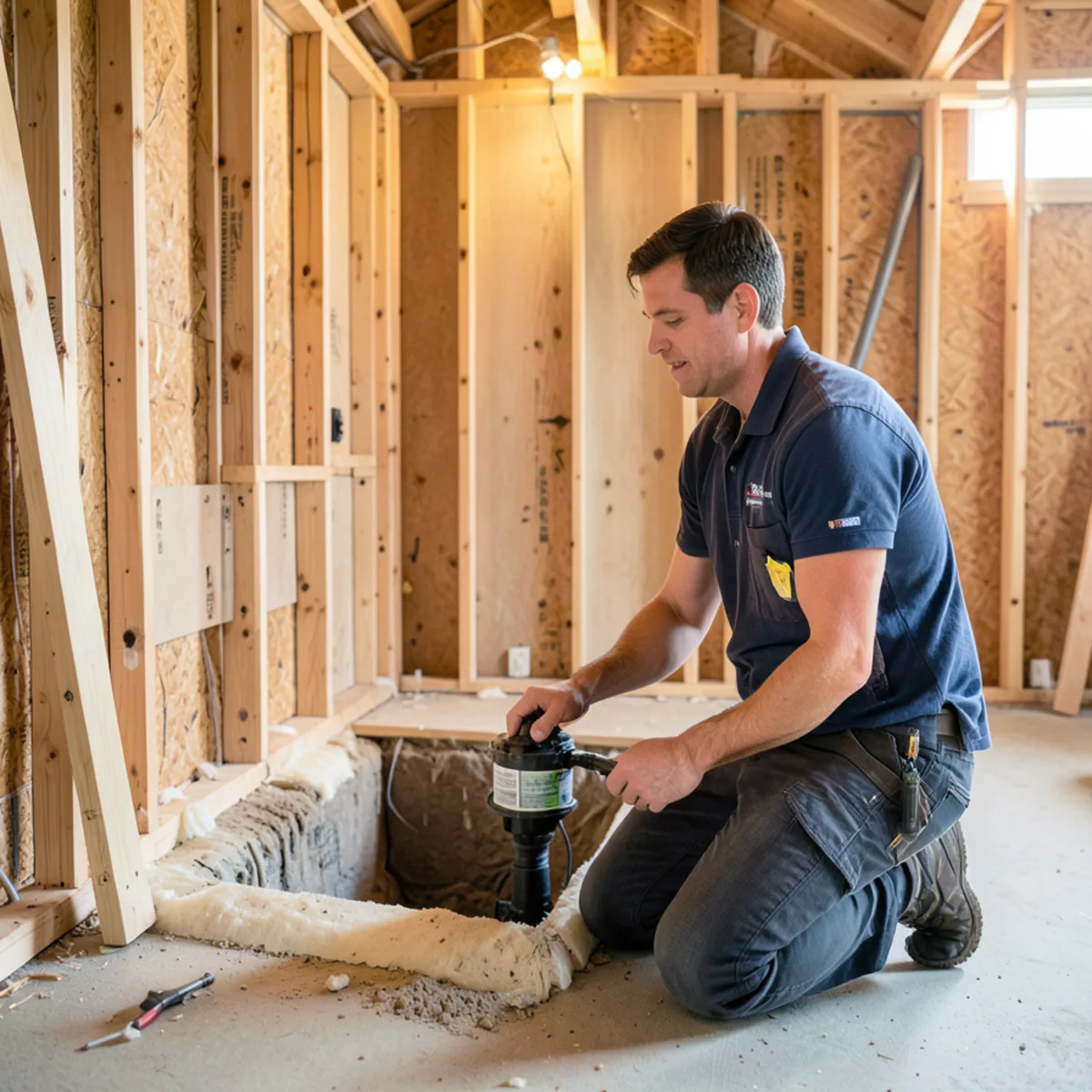
Sump Pump Service
Basement Sump Pump Installation
Finished or unfinished — protect the lowest level of your home.
A basement sump pump is the core of a dry lower level. Whether your basement is finished living space or unfinished storage, a properly installed system collects groundwater at the low point and moves it out before it reaches the floor. Littleton Sump Pump Pros installs basement sump systems across the Littleton area.
Finished basements raise the stakes — drywall, flooring, and stored belongings are all on the line — so the system has to be built to keep up.
- Local Littleton Service
- Professional Installation
- Clear, Upfront Estimates
- Battery Backup Options
- Careful, Clean Workmanship
- Emergency Help Available
Finished vs. unfinished basements
An unfinished basement can tolerate the occasional damp floor; a finished one can't. If you're finishing the space — or already have — we'll often recommend a higher-capacity pump, a sealed lid, and a battery backup so a single failure doesn't ruin the room.
The difference shows up in the details. In an unfinished space, the pit can sit wherever water collects and the pipes can run in the open. In a finished space, the pit has to stay reachable behind an access door, the pump has to be quiet enough not to be heard through a bedroom wall, and the system needs a backup and an alarm because nobody may be downstairs when it fails.
What to do before you finish a basement
Finishing a basement locks in whatever water protection is there on the day the drywall goes up. These are the steps that are easy before framing and expensive after.
- Watch the space through one wet spring, or ask us to assess it, before committing
- Install or upgrade the pit, pump, and check valve before framing starts
- Add a battery backup and a high-water alarm while everything is open
- Plan a removable access panel or door over the pit; never wall it in
- Put a GFCI-protected outlet next to the pit so no extension cord is ever needed
- Route the discharge so it doesn't pass through future finished walls
Where the pit goes in a finished room, and keeping it quiet
The best spot is a utility room, storage closet, or the space under the stairs, as long as it's at or near the low point. When the low point is in the middle of a future bedroom, a short drain run to a pit in the utility area is often better than a pit in the bedroom floor.
Noise is the most common complaint about pumps in finished basements. A cast-iron submersible runs quieter than most, a spring-loaded or quiet-close check valve stops the thud at shutoff, and a sealed lid and pipe isolation keep vibration out of the framing.
Avoid putting the pit in a doorway, hallway, or anywhere furniture will end up on top of it. You'll need to lift the lid at least once a year, and a pump that's hard to reach is a pump that never gets tested.
Adding a bathroom or laundry downstairs?
A sump pump handles groundwater only. If the finish includes a toilet, shower, laundry, or wet bar below the main sewer line, those fixtures need a separate sealed sewage ejector basin with its own vent. It's a different system with different rules, and planning both at once avoids running two sets of pipes through the same walls twice.
A complete basement system
Every part of the system has to work for the whole thing to protect the room. A good pump in a pit at the wrong spot, or a strong primary with no backup, still leaves the finish exposed on the worst night of the year. This is what a complete basement system includes.
- Pit located at the true low point of the basement
- Pump sized to the water load (cast-iron for longevity)
- Check valve and discharge routed below the frost line, away from the house
- Sealed basin lid to control humidity and odor
- Battery backup or combination system for finished spaces
Signs a finished basement's system isn't keeping up
Finishes hide water. By the time it shows on the carpet, it has usually been wicking into the bottom of the drywall and the framing for a while. These quieter signs show up first, and any one of them is worth a call before the next wet season.
- A musty smell in one room or behind furniture along an outside wall
- Swollen or stained baseboard and the bottom edge of drywall
- Rusty carpet tack strip or a damp carpet pad at the perimeter
- White mineral deposits on concrete behind storage shelves
- The pump running far more often than it did before the space was finished
What a basement sump pump costs in a finished vs. unfinished space
In an unfinished basement, the cost is mostly the pit, pump, discharge, and any backup. In a finished basement, add the time to protect floors and furniture, cut back and restore flooring around a new pit, run the discharge through or around finished walls, and fit an access panel. Doing the work before finishing avoids almost all of that, which is why we encourage people planning a finish to call first. Backups, alarms, and quiet-close check valves are priced as options.
Coordinating with a basement finish permit
Basement finishes are usually permitted work, and the building department's inspections follow the framing, electrical, and plumbing stages. Getting the sump system and its outlet in place before those inspections keeps the schedule clean. We can coordinate timing with your contractor so the pit and discharge are done before walls close.
How Our Basement Sump Pump Installation Process Works
- 1
Walk the space
Current finish, planned layout, and where water has shown up.
- 2
Pick the location
A pit at or near the low point that stays accessible after finishing.
- 3
Protect the room
Floor and furniture protection before any cutting or drilling.
- 4
Install the system
Pit, quiet pump, check valve, discharge, and a sealed lid.
- 5
Add backup and alarm
Battery or combination backup plus a high-water alarm for finished space.
- 6
Test and hand over
Full cycle test, then we show you the access panel and how to test it yourself.
Basement Sump Pump Installation: what the work looks like
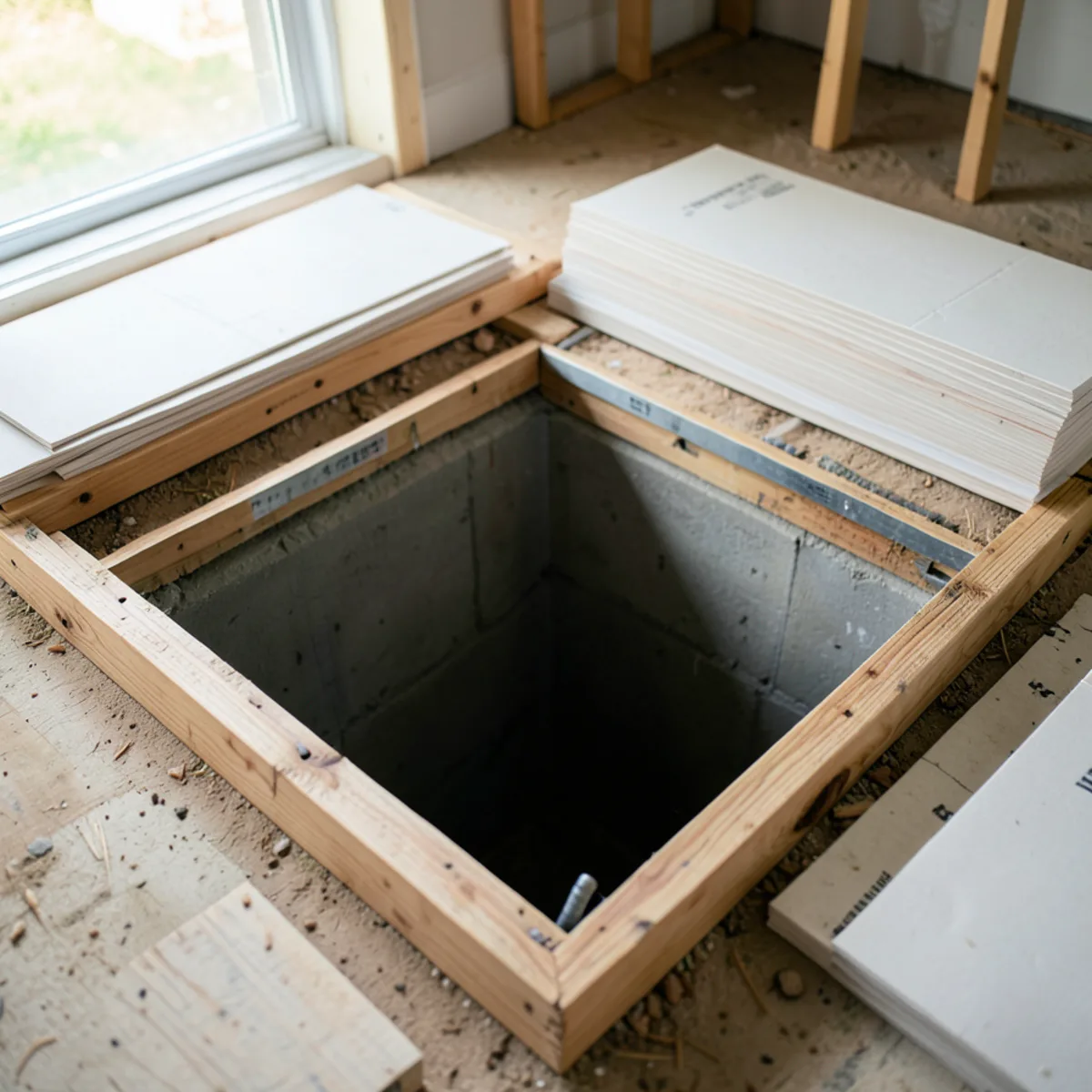
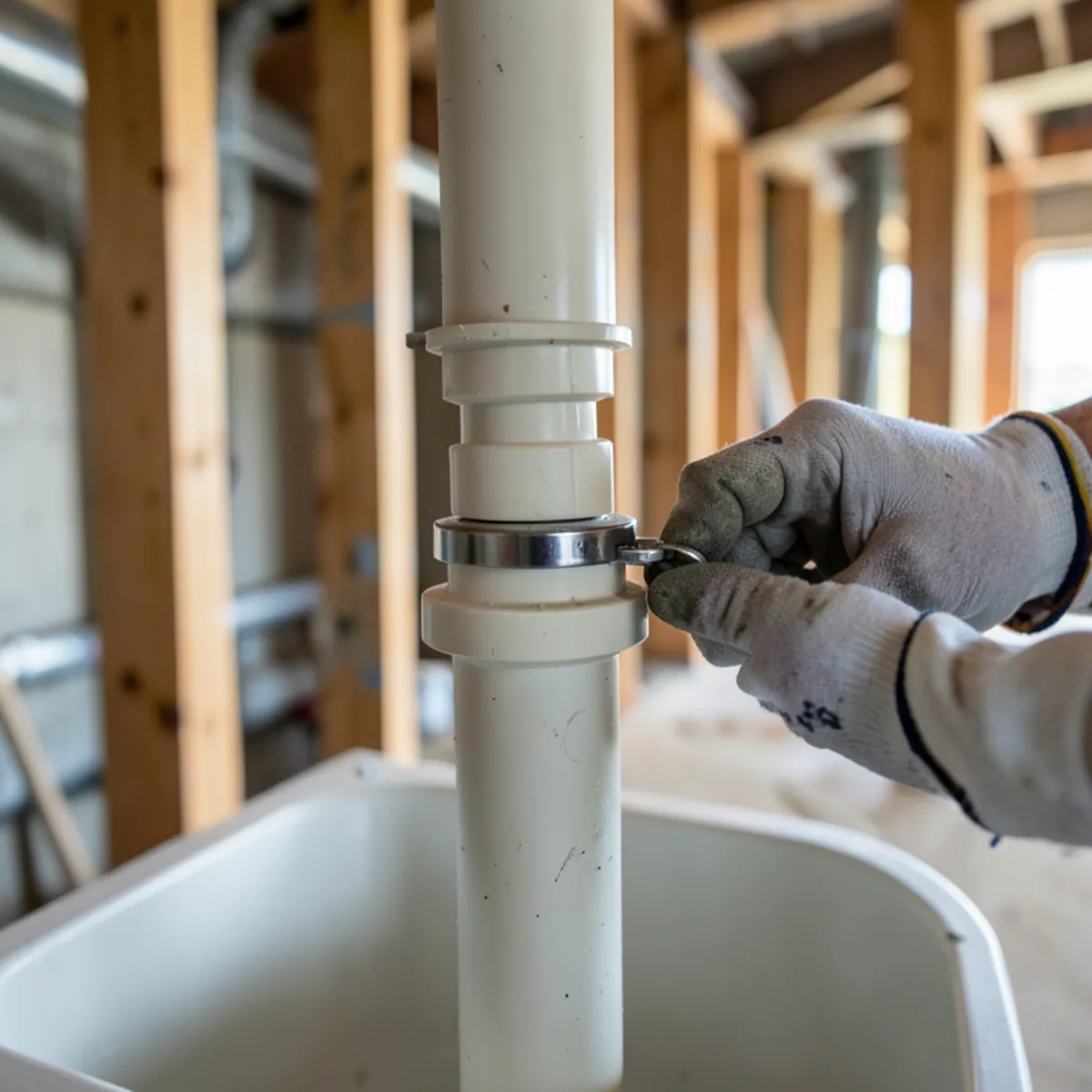
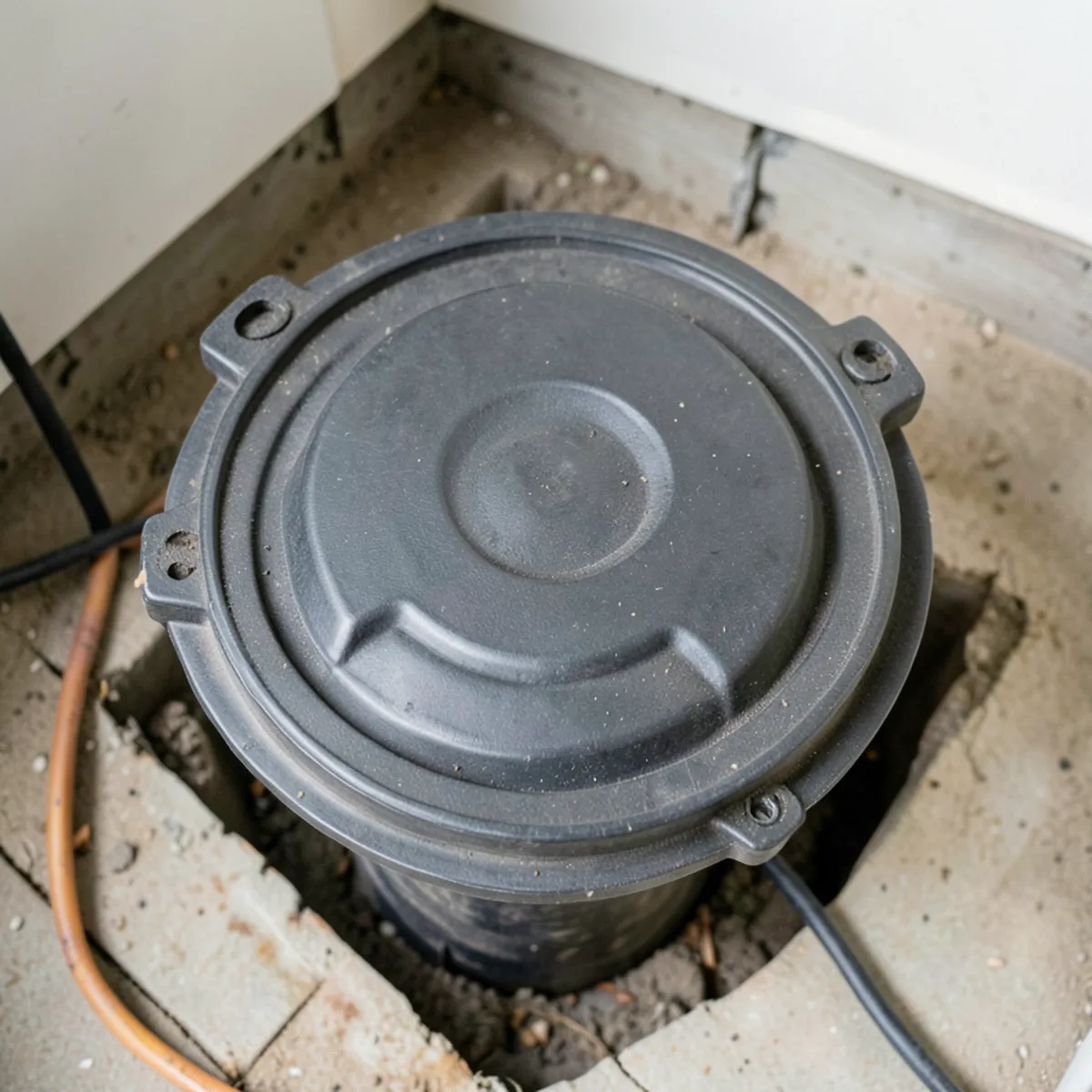
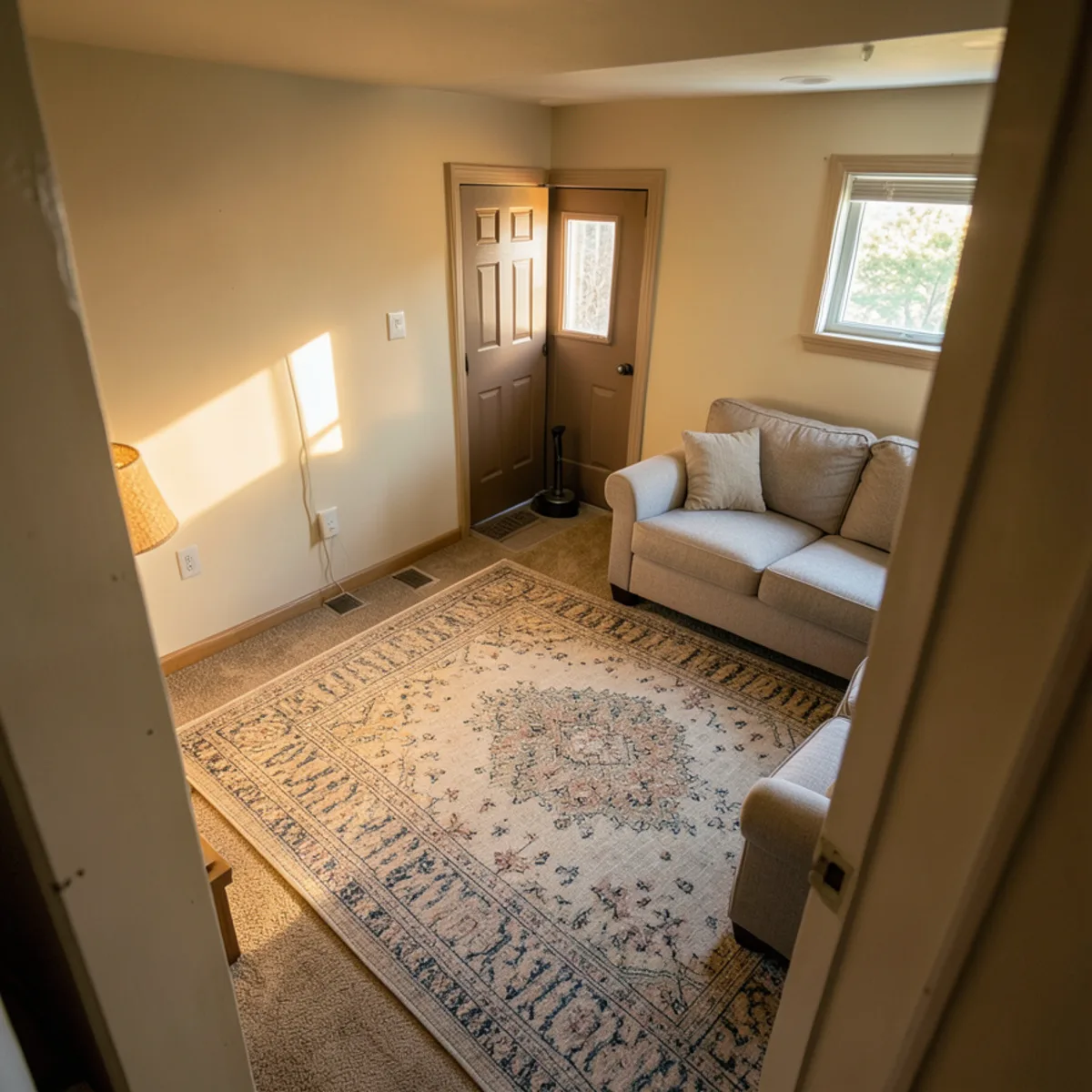
Why Homeowners Choose Us for Basement Sump Pump Installation
Basements are where our work matters most, and finished ones are where mistakes cost the most. We plan each install around the room it's in: access, noise, the finish you're protecting, and what happens if the power goes out while nobody's home.
We're based in Littleton at 8 W Dry Creek Cir, work by appointment, and can time the job around a basement finish so the system is in before the walls go up.
- Protection for finished living space and storage alike
- Right-sized for Littleton clay-soil water loads
- Sealed lid and backup options for finished basements
- Discharge routed below frost line and away from the home
- Clean install and clear walkthrough
Services That Pair With Basement Sump Pump Installation
Guides on Basement Sump Pump Installation
Helpful Guides & Costs
Where We Provide Basement Sump Pump Installation
See every community on the service areas page.
Basement Sump Pump Installation FAQs
For finished basements we usually recommend a reliable cast-iron submersible primary paired with a battery backup, plus a sealed lid. The backup is key — a power outage shouldn't put your finished space at risk.
We work to minimize disruption — locating the pit carefully and restoring the area cleanly. We'll walk you through exactly what's involved before starting.
It collects groundwater in a pit at the low point and pumps it out and away from the foundation before it can rise to the floor, keeping the slab and walls from taking on water.
Yes, if the basement has ever had water or sits on clay soil with a high spring water table. Installing the pit, pump, and backup before framing is quicker and cheaper, and it lets you plan an access panel instead of cutting one later.
Yes, and it's a common choice in finished basements. The closet needs a door or removable panel for access, room to lift the pump out, and a protected outlet. A sealed lid keeps humidity and odor out of the closet.
A working pump in a clean, sealed pit shouldn't. Odors usually come from stagnant water or sludge in an open pit, or from a dry floor-drain trap nearby. A sealed lid and an occasional pit cleaning keep a finished basement smelling like the rest of the house.
Finishing your basement?
Put the sump system in before the walls go up. We'll place the pit, plan access, and add a backup while it's all still open.
- Pit set before framing and drywall
- Access door planned in
- Quiet valve and sealed lid for living space