
Basement Waterproofing vs a Sump Pump: What Littleton Homes Need
Quick answer
Waterproofing keeps water out of the walls; a sump pump removes water that collects under and around the foundation. In Littleton's clay, the most common lasting fix for a wet basement is interior drainage that carries water to a sump pump, plus better grading and downspouts outside. Exterior waterproofing is the most thorough option but also the most disruptive.
When a basement gets wet, homeowners hear two different pitches: waterproof the walls, or install a sump pump. They aren't competing ideas. Waterproofing is about stopping water at the wall. A sump system is about giving water that reaches the foundation somewhere to go.
Which one you need depends on where the water comes from, how much of it there is, and how much digging you're willing to do. Here's how the options compare in clay-heavy soil like Littleton's.
- Local Littleton Service
- Professional Installation
- Clear, Upfront Estimates
- Battery Backup Options
- Careful, Clean Workmanship
- Emergency Help Available
What "Waterproofing" Actually Covers
Waterproofing is a broad word. It can mean a membrane applied to the outside of the foundation after digging down to the footing, a sealer painted on the inside of the walls, crack injection, or an interior drainage system with a sump pump. Contractors use the term differently, so it's worth asking exactly which method is being proposed.
The methods fall into two groups: ones that try to block water at the wall, and ones that relieve the water pressure by collecting and removing it. Most lasting fixes in clay soil include the second group.
Exterior Waterproofing
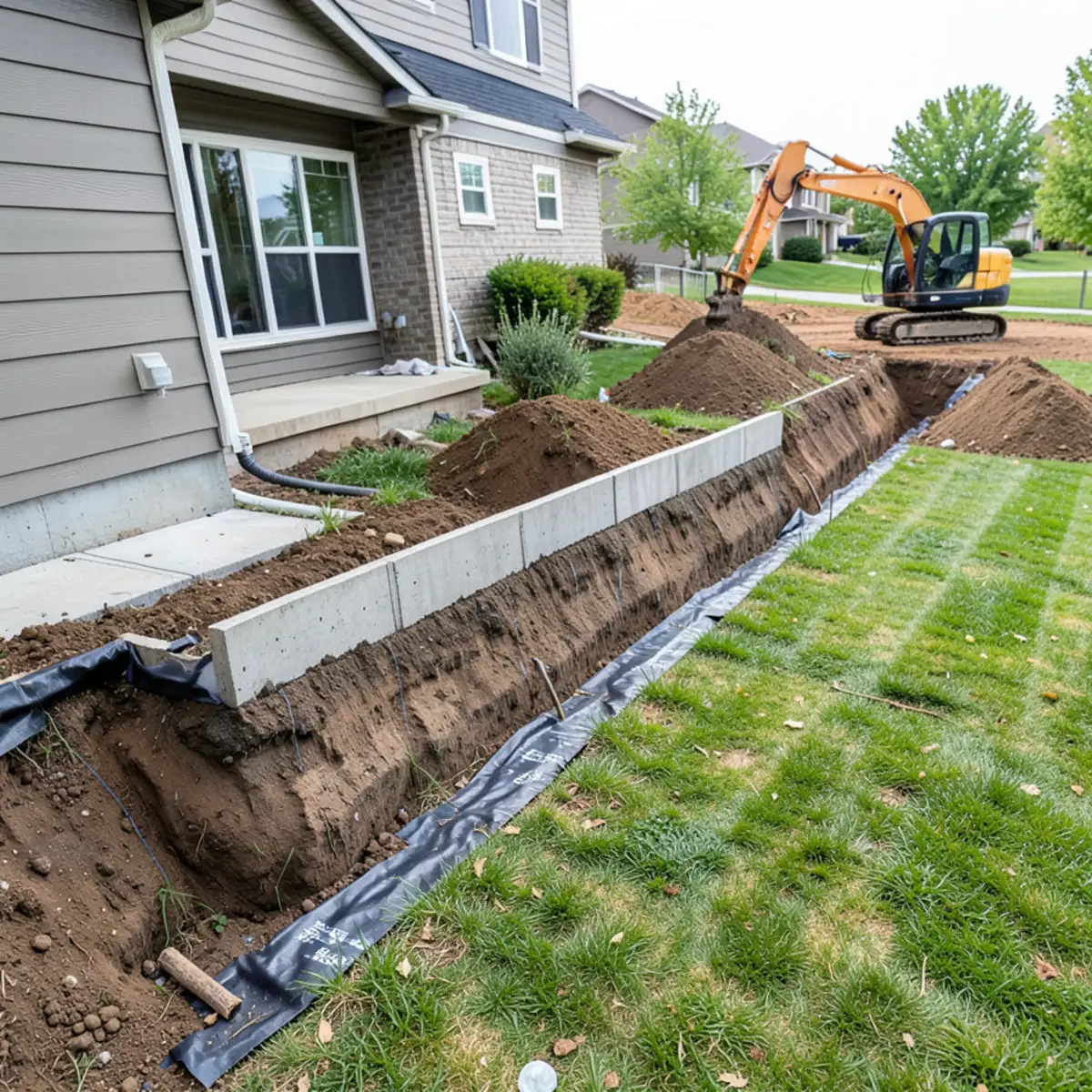
Exterior waterproofing means excavating around the foundation, cleaning the wall, applying a membrane or coating, and usually adding drain tile at the footing that carries water away. It stops water before it touches the wall, which makes it the most complete approach.
It's also the most disruptive. Decks, patios, landscaping, and utility lines often have to be moved, and the work depends on access around the house. It makes the most sense during new construction, a major renovation, or when a wall needs exterior repair anyway.
When Exterior Work Makes Sense Anyway
Exterior waterproofing is easiest to justify when the ground is already being opened: an addition, a new patio, a sewer line repair along the house, or a foundation wall that needs exterior repair. In those cases the excavation cost is shared, and adding a membrane and footing drain is a smaller step. On a finished, landscaped lot with no other work planned, interior drainage usually reaches the same dry result with far less disruption.
Interior Drainage and a Sump Pump
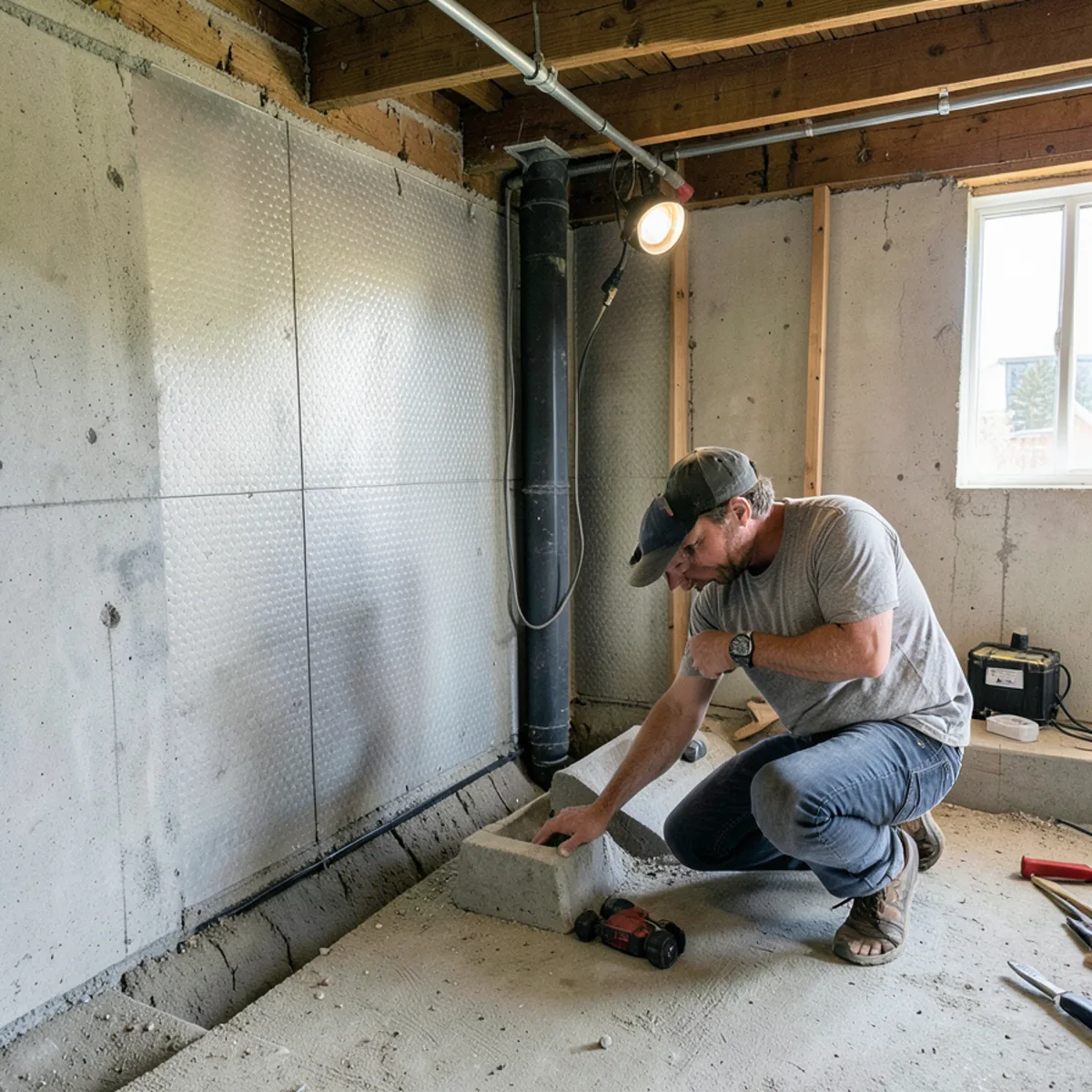
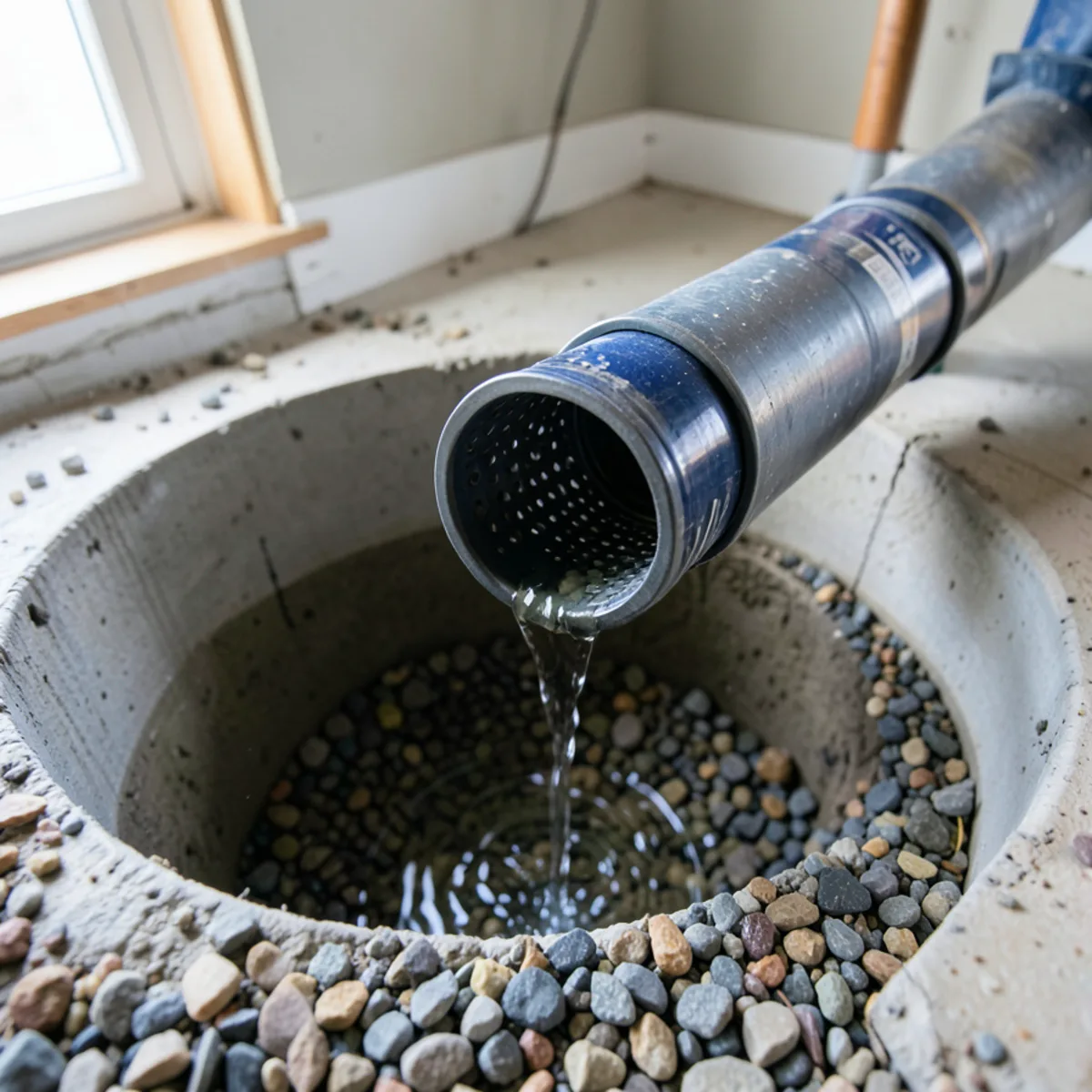
Interior drainage works from inside. A narrow channel is cut along the edge of the basement floor, perforated pipe is laid in gravel at the footing, and the pipe carries water to a sump basin. The pump removes it. A dimpled membrane on the lower wall can direct seepage down into the drain.
This approach doesn't stop water from reaching the wall. It stops water from building up there, which relieves the pressure that pushes it through cracks and the floor joint. In clay soil, where water lingers for weeks after snowmelt, relieving that pressure is usually what keeps a basement dry.
What Living With Interior Drainage Is Like
Once installed, an interior drain system is mostly invisible. The trench is covered with new concrete flush with the floor, and the only visible part is a sealed sump lid, usually in a utility area. The main upkeep is the pump: test it before snowmelt and storm season, clean the pit once a year, and replace the pump when it ages. A backup pump protects the system during power outages, which matters more once the whole basement depends on one pit.
Sealers and Crack Injection
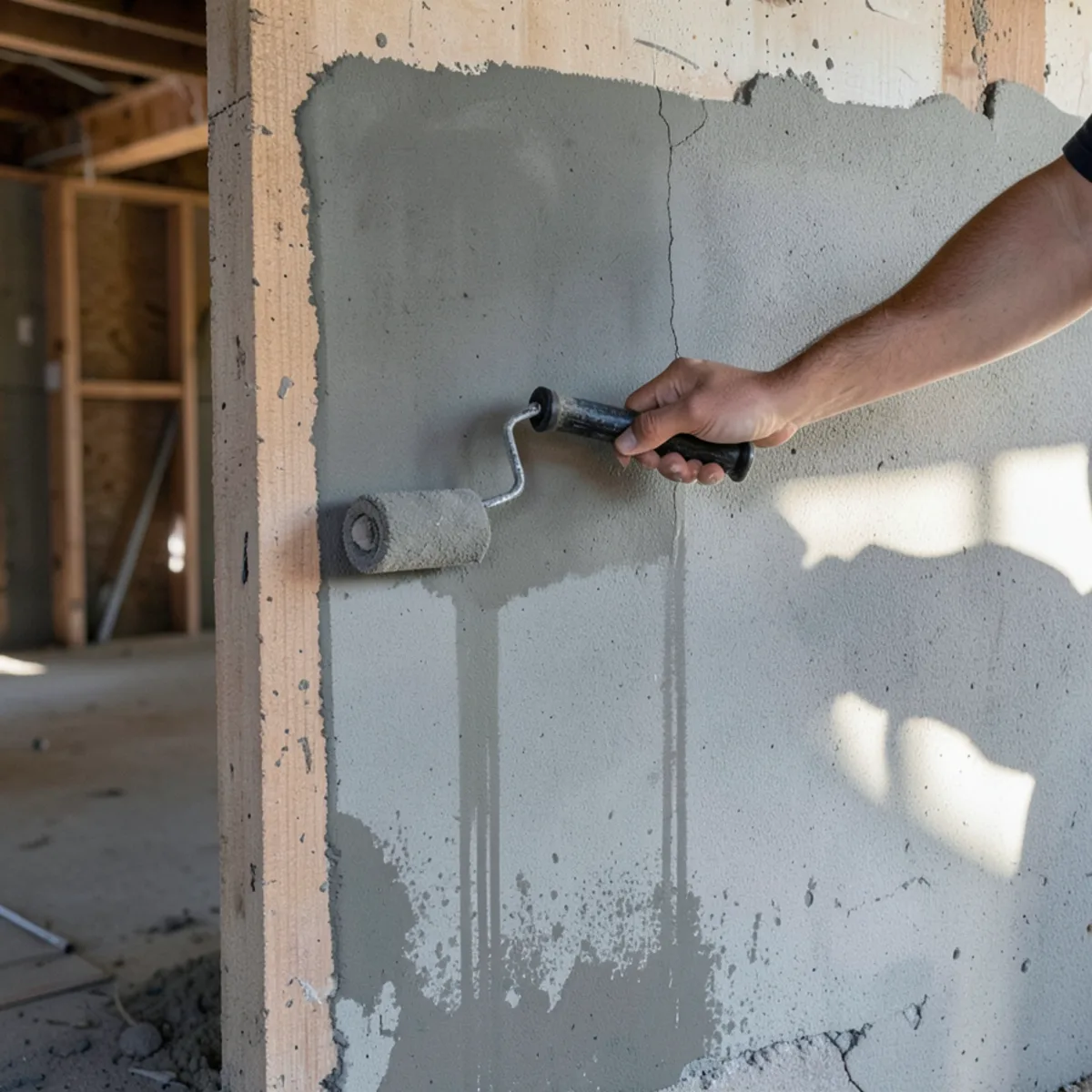
Interior sealers and paints can reduce dampness on walls that sweat or seep lightly, but they can't hold back water under real pressure. Water that can't get through the wall often finds the floor joint instead.
Crack injection seals individual cracks and works well for an isolated leak through a poured wall. If water is coming in at many points, or along the base of every wall, it treats the symptom rather than the cause.
Sealers are still useful as a finishing step after drainage is in place, to cut down on light dampness and make the walls easier to clean.
Comparing the Options
- Exterior membrane plus footing drain: most complete, most disruptive; best during major renovation
- Interior drain tile to a sump pump: relieves pressure, works from inside; the usual fix for seepage at the floor joint
- Sump pump alone: handles groundwater that already reaches an existing drain or the pit
- Interior sealer: helps light dampness and condensation; not for water under pressure
- Crack injection: good for a single leaking crack in a poured wall
- Grading, gutters, downspouts: cheapest step; reduces the water every other method has to handle
What Works Best in Littleton's Clay
Expansive clay holds water against foundations long after the rain stops, and spring snowmelt keeps it saturated for weeks. That steady pressure is why coatings alone often fail here and why drainage plus a sump pump is the most common lasting fix.
Start outside, though. Downspouts that end at the foundation and soil that slopes toward the house send water exactly where you don't want it. Fixing those costs little and makes any interior system work less hard.
It also helps to know your soil's timing. Water that shows up a day after heavy rain points to surface water near the foundation. Water that appears in March and stays for weeks points to groundwater, which is the pattern interior drainage and a pump are designed for.
When It's a Structural Problem
Horizontal cracks, walls bowing inward, or cracks that are wide or growing are structural concerns, not waterproofing problems. Have a structural engineer look before anyone adds drainage. We focus on interior drainage and sump systems, and we'll tell you plainly when a wall needs a different specialist first.
Once any structural repair is done, the drainage and sump work can go ahead as planned.
From the field
How We Decide What a Wet Basement Needs
We start by finding where and when the water shows up. Water at the floor joint along several walls after snowmelt points to groundwater pressure, and that's a drainage-and-pump job. A single damp crack after storms may only need sealing and a downspout fix.
We also do the foil test on damp walls first. A surprising number of 'leaks' turn out to be summer condensation, which a dehumidifier solves for far less than any waterproofing system.
Relieve the Pressure, Then Seal What's Left
Waterproofing and sump pumps aren't rivals. In Littleton's clay, the reliable fix for most wet basements is to manage water outside, relieve pressure with drainage and a sump pump, and seal any individual cracks that still leak. Exterior waterproofing makes sense when you're digging anyway.
Questions about your own system? Call (207) 419-2600 and talk it through with a local sump specialist.
Local help nearby
Basement Waterproofing vs a Sump Pump: What Littleton Homes Need: Common Questions
A sump pump removes water that reaches it. If your basement has drain tile that feeds the pit, the pump may be enough. If water enters along the walls with nowhere to go, interior drainage to the pit is usually needed too.
No. It collects water at the footing and carries it to the pump before it builds up. Exterior waterproofing is the method that keeps water off the wall itself.
Sealers help with light dampness and condensation. They usually can't hold back water under pressure from saturated clay, and the water often moves to the floor joint instead.
We focus on sump pumps and interior drainage. If your basement needs exterior excavation or structural repair, we'll say so and explain what to ask a specialist.
Keep reading
 Basement Flood Prevention
What Causes Water to Seep Through Basement Walls?
Damp streaks, wet corners, or beads of water on basement walls trace back to drainage and pressure outside. Here's what causes wall seepage and how to stop it.
 Basement Flood Prevention
Why Water Is Seeping Through Your Basement Floor
Damp spots or puddles rising through a concrete basement floor almost always point to water pressure under the slab. Here's what causes it and how to stop it.
 Basement Flood Prevention
Sump Pump vs French Drain: Which Does Your Basement Need?
A French drain collects and redirects water. A sump pump lifts it out of the house. Many wet basements need both working together. Here's how to decide.
Get Local Help: Basement Flood Prevention
Get professional sump pump help from a local Littleton specialist. Clear, upfront estimates and careful, clean workmanship.
Available by appointment. Emergency sump pump help available.