
Sump Pump Service
Foundation Leak Repair
Clay-soil pressure drives water through the foundation — we manage it.
When water seeps in where the foundation wall meets the floor, the soil outside is usually the culprit. Littleton's expansive clay swells when saturated and drives water against the foundation under pressure. Foundation leak repair in Littleton, CO takes a drainage-first approach — relieving that pressure and managing the water. Littleton Sump Pump Pros assesses and solves it.
We're a sump pump and basement-water specialist, so we focus on the water side: collecting and removing groundwater so it stops pushing on the foundation.
- Local Littleton Service
- Professional Installation
- Clear, Upfront Estimates
- Battery Backup Options
- Careful, Clean Workmanship
- Emergency Help Available
How clay soil drives foundation seepage
Saturated clay expands and presses against basement walls — hydrostatic pressure. That pressure forces water through hairline cracks and the cove joint. Dry it out and the clay shrinks, which can crack the wall further. It's a cycle that surface fixes alone don't break.
The pressure isn't constant. It builds during spring snowmelt and after long rains, then falls as the soil dries in late summer. That's why foundation seepage around Littleton often follows the calendar, and why a fix has to handle the wettest week of the year, not an average one.
Swelling soils along the Front Range
The Colorado Geological Survey has long identified swelling soils and bedrock as a significant hazard along the Front Range. These clays can expand dramatically when wet. Against a basement wall, that swelling adds force on top of the water pressure, which is why keeping water away from the foundation and relieving it below the slab protects both the basement and the wall itself.
Reading foundation cracks: leak or structural?
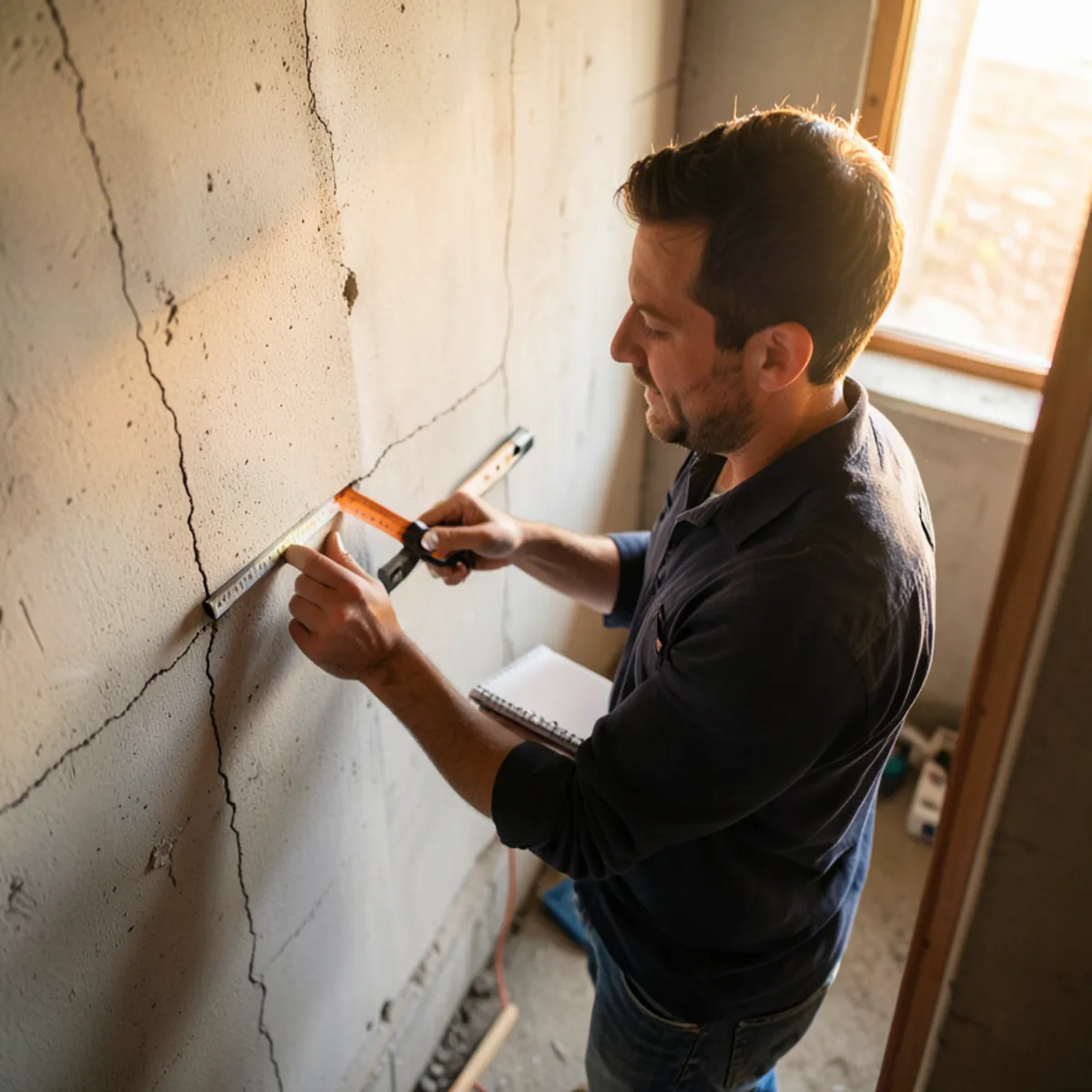
Most poured concrete foundations develop a few thin vertical cracks as the concrete cures and shrinks. They're common, rarely structural, and they can still leak when the soil outside is saturated. Water through those cracks is a water-management problem.
Other cracks tell a different story. Horizontal cracks, stair-step cracks in block walls, cracks that are wider at one end, walls that bow inward, and cracks that keep growing are signs of movement. Those need a structural assessment before any water fix, because drainage alone won't stop a wall that's moving.
When to call a structural engineer
- A horizontal crack or a wall that bows or leans inward
- Cracks wider than about a quarter inch, or with one side offset from the other
- Cracks that have grown since you first noticed them
- Doors and windows upstairs that suddenly stick or won't latch
- New cracks in the slab or drywall above a cracked foundation wall
Signs of foundation seepage
Seepage usually announces itself slowly. You may never see running water, just evidence that water has been there and dried.
- A damp or dark band along the base of the wall after rain or snowmelt
- White, chalky efflorescence on the concrete near cracks or the floor seam
- Water lines or rust marks on items stored against the wall
- Peeling paint or blistered sealer on the foundation wall
- Dampness that's worse on one side of the house than the others
A drainage-first solution
Patching the inside of a wall treats the symptom. Taking the water pressure away treats the cause, and it protects every crack on that wall at once, including the ones that haven't leaked yet. That's why our plan starts with where the water goes, not with a tube of sealant.
- Assess where and why water is entering at the foundation
- Relieve hydrostatic pressure by collecting groundwater in a sump system
- Route discharge below the frost line and well away from the wall
- Coordinate grading and surface drainage to reduce the water load
- Refer specialized structural work when that's truly what's needed
Drainage options for foundation seepage
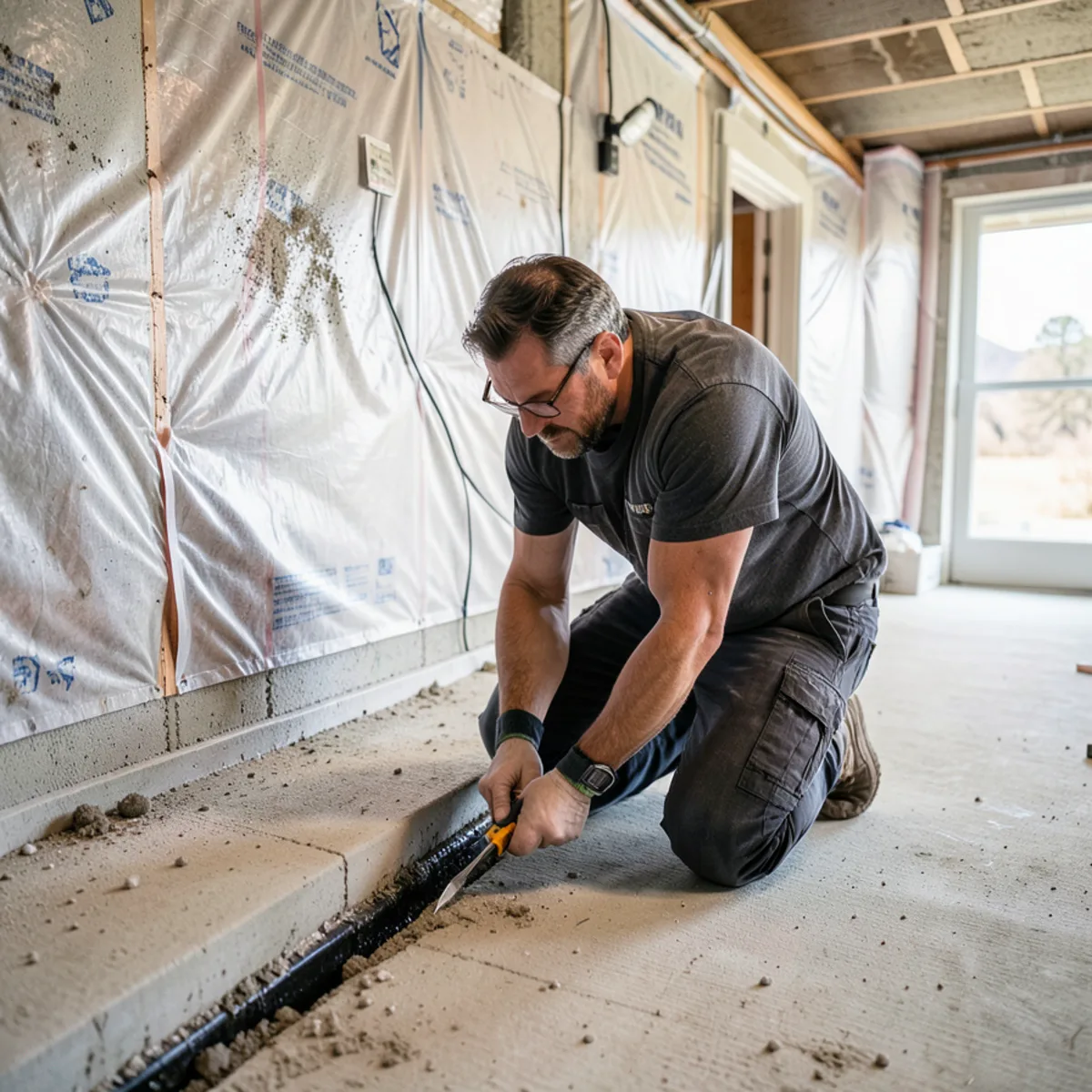
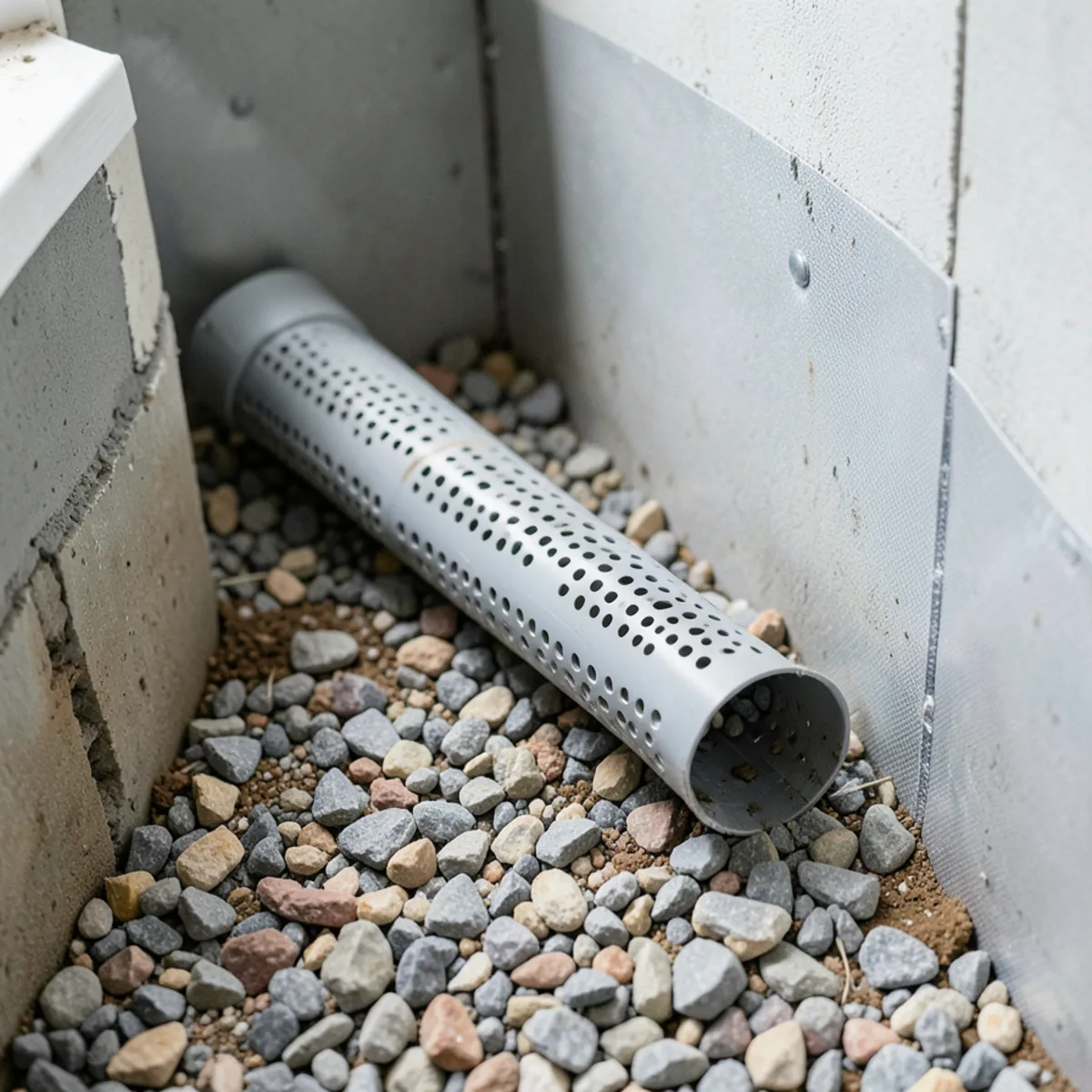
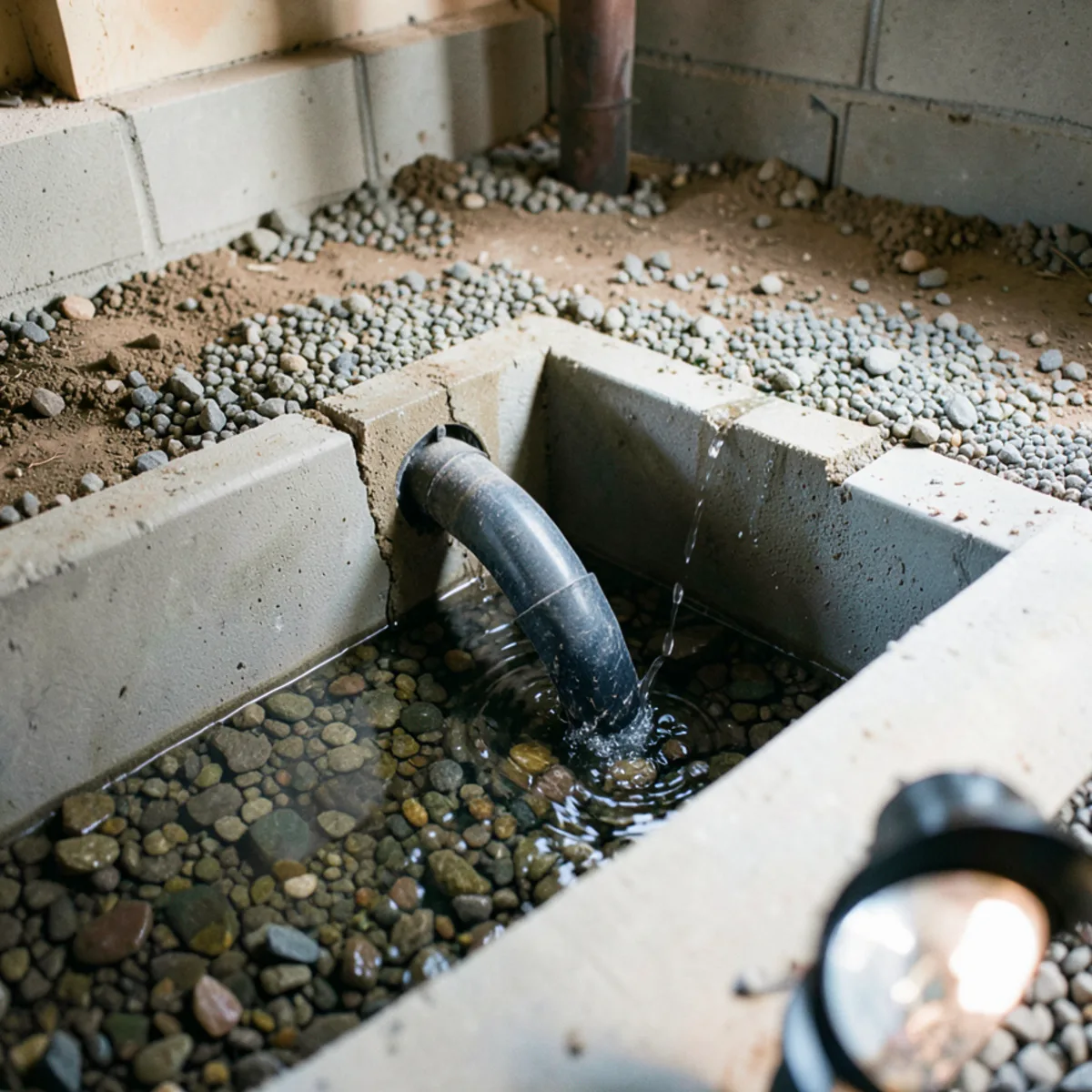
When the cause is water pressure rather than movement, the most reliable fix works from the inside: an interior perimeter drain along the leaking wall carries water below the slab to a sump pit, and the pump sends it outside. The wall stops getting wet because the water never builds up against it.
Outside, the cheapest help is reducing how much water reaches that wall: extending downspouts, rebuilding grade that slopes toward the house, and moving sprinkler heads that spray the foundation. Sealing an individual non-structural crack by injection can stop a single leak, and it's typically done by foundation repair contractors; we'll tell you when that's the simpler answer.
Sprinklers and landscaping against the foundation
Summer seepage on one wall often traces back to the yard. Sprinkler heads that spray the siding, flower beds watered daily right against the foundation, and edging that traps water in a bed all keep the clay beside the wall saturated. Pointing heads away from the house, switching foundation beds to drip irrigation, and keeping thirsty plantings a few feet out can noticeably reduce the water load on that wall.
What foundation leak repair costs depends on
The water-side fix is priced by what it takes to relieve the pressure. A sump upgrade and better discharge cost far less than a full interior perimeter drain, which is priced by the length of wall, slab thickness, and finished space to remove and restore. Outside fixes like downspout extensions are inexpensive. Structural repairs, if an engineer calls for them, are a separate scope with their own contractors and costs.
Permits and engineering
Structural foundation repairs usually need an engineer's design and a building permit. Interior drainage and a new pit may need a permit depending on your city or county, and any exterior digging requires a Colorado 811 locate. We keep our work on the drainage side and coordinate with your engineer or foundation contractor when both are needed.
How Our Foundation Leak Repair Process Works
- 1
Look at the wall
Where water enters, crack pattern, and any signs of movement.
- 2
Sort leak from structure
Water-pressure seepage we can fix, or movement that needs an engineer.
- 3
Check the outside
Grading, downspouts, sprinklers, and window wells along that wall.
- 4
Plan the relief
Sump upgrade, discharge fix, or interior perimeter drain to a sealed pit.
- 5
Install
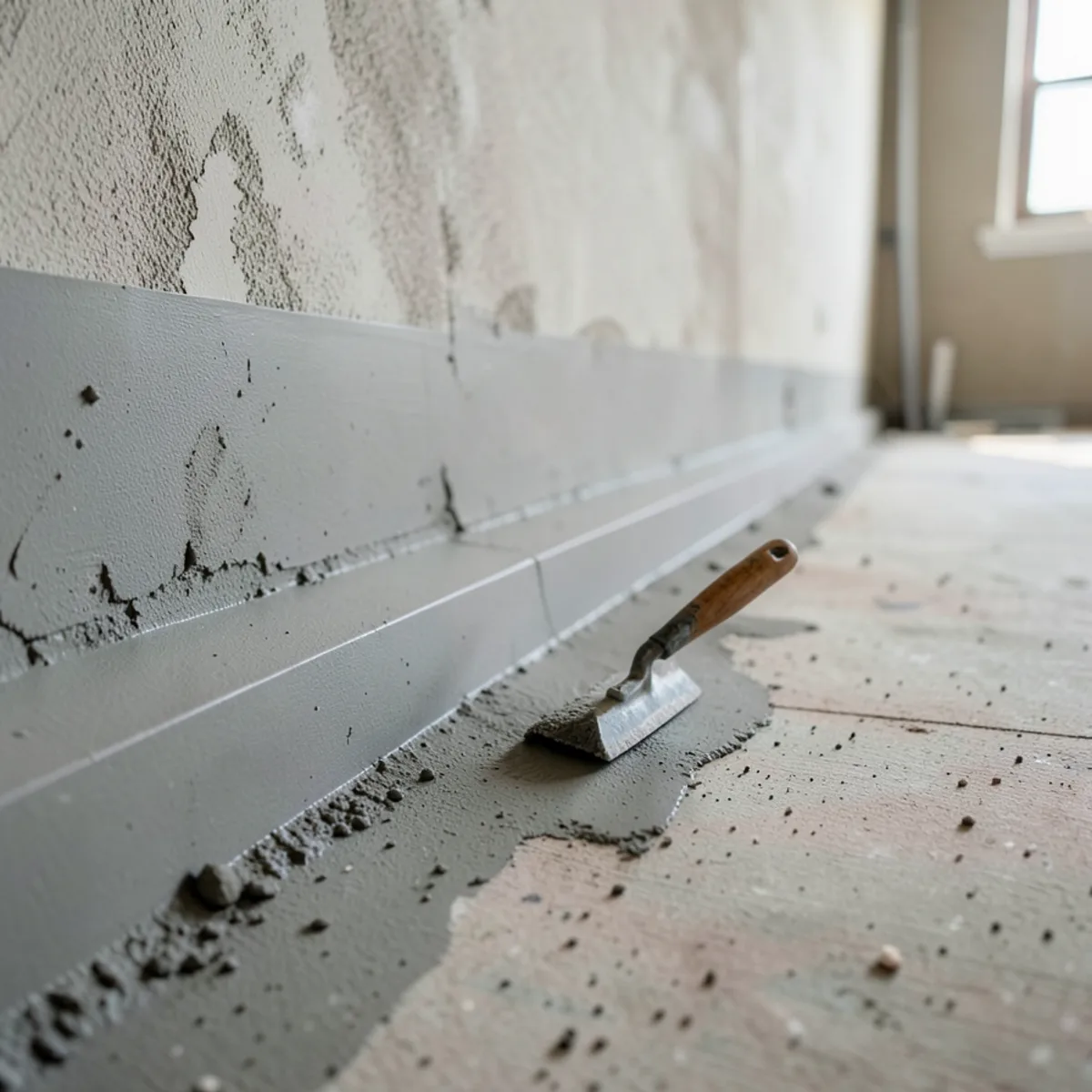
Drainage, pit, pump, and discharge, with the floor restored cleanly.
- 6
Confirm through a wet spell
Check the wall again after the next heavy rain or snowmelt.
Foundation Leak Repair: what the work looks like
Why Homeowners Choose Us for Foundation Leak Repair
We're basement-water specialists, not foundation contractors, and that's the point: we fix the water side properly and tell you honestly when a crack needs an engineer instead of a drain.
We're based in Littleton at 8 W Dry Creek Cir, work by appointment, and coordinate with your engineer or foundation contractor when a job needs both.
- Drainage-first approach that relieves clay-soil pressure
- Groundwater collected and removed by a sump system
- Discharge routed far from the foundation
- Surface drainage coordination
- Honest referral for true structural work
Services That Pair With Foundation Leak Repair
Guides on Foundation Leak Repair
Helpful Guides & Costs
Where We Provide Foundation Leak Repair
See every community on the service areas page.
Foundation Leak Repair FAQs
That's the cove joint, and it's the most common entry point. Saturated clay soil pushes groundwater up and in under pressure. Relieving that pressure with a sump system is usually the core fix.
We focus on the water side — collecting and removing groundwater so it stops pressing on the foundation. For structural crack repair, we'll tell you honestly when a specialist is the right call.
In many cases, yes. By collecting groundwater before it builds pressure against the wall, a properly sized sump system addresses the root cause of clay-soil seepage.
A thin vertical crack in poured concrete usually isn't structural, though it can leak. Horizontal cracks, stair-step cracks, wide or offset cracks, and bowing walls are signs of movement and should be looked at by a structural engineer.
Sealing a crack from the inside can stop a small leak, but if water pressure builds behind it, the water often finds the next weak spot. Relieving the pressure with drainage is the more lasting fix for active seepage.
It helps when surface water is the main source. Soil that slopes away from the house, plus downspouts that empty well out, reduces how much water reaches the wall. It won't stop groundwater rising from below; that needs drainage and a sump.
Water at the footing?
When water comes in along the base of the walls, interior drainage to a sump pit is often the lasting fix. Structural cracks get an engineer's look first.
- Drainage route planned to the pit
- Structural concerns flagged honestly
- Floor restored flush after the work