What Causes Water to Seep Through Basement Walls?
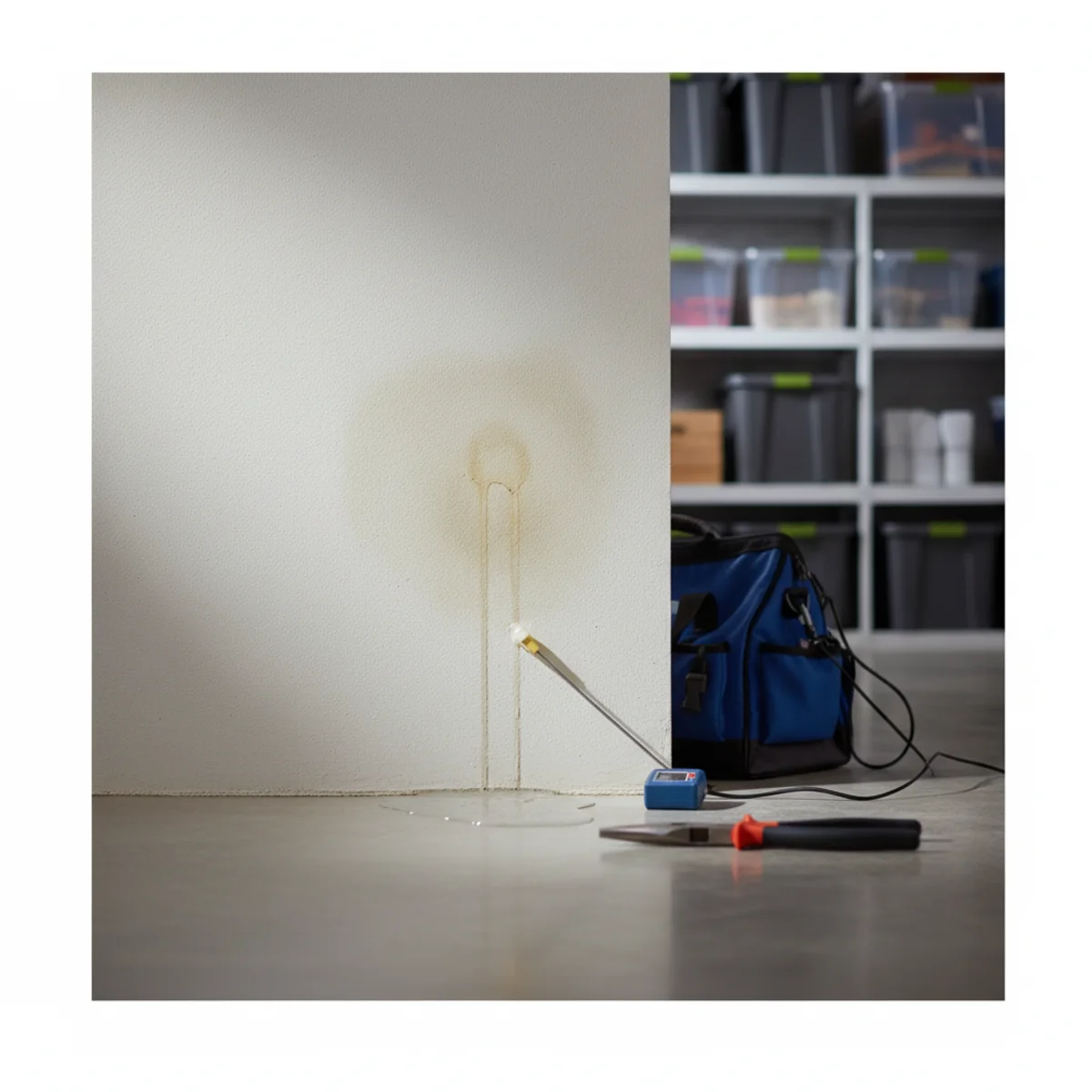
You notice a dark streak running down a basement wall, or the bottom corner feels damp to the touch. Maybe there's a white chalky residue, or actual beads of water after a storm. Something is getting through the wall, and you want to know why.
Basement walls hold back tons of soil, and that soil holds water. When drainage outside fails or the ground stays saturated, water pushes against the wall and works its way through cracks, joints, and porous concrete or block. It's one of the most common basement problems we see across Littleton and the south metro, and it rarely fixes itself.
Understanding the cause is the first step to a fix that lasts. This guide covers what makes water seep through basement walls, how to read the warning signs, the outside failures behind most cases, and why managing the water usually matters more than patching the wall.
- Local Littleton Service
- Professional Installation
- Clear, Upfront Estimates
- Battery Backup Options
- Careful, Clean Workmanship
- Emergency Help Available
It Starts With Pressure From Outside
The wall isn't the real problem. The water against it is. After rain or snowmelt, the soil around your foundation soaks up water and presses inward. That's lateral hydrostatic pressure, and it's relentless; it pushes around the clock for as long as the ground stays wet.
Littleton's expansive clay turns this into a cycle. Wet clay swells and squeezes the foundation; dry clay shrinks and pulls away, opening gaps that fill with water the next time it rains. The swelling and shrinking also stresses the wall itself, encouraging the very cracks that water later uses as an entry point.
So when you see water on a basement wall, picture saturated soil on the other side pushing it through. Any fix that ignores that pressure is fighting the symptom, not the cause, which is why so many quick patches fail within a season or two.
The amount of pressure also depends on how the lot drains and how deep the wall sits. A walkout basement on a slope behaves differently than a full basement on flat ground. But the principle holds everywhere in clay country: keep the soil drier and you lower the pressure that drives water through the wall in the first place.
Common Entry Points for Wall Seepage
Water takes the easiest path through a wall, and certain spots fail first. If you can identify where yours is coming through, you'll understand the cause faster and explain it clearly when you call for help, which usually means a quicker, more accurate fix.
Inspect the wall right after a heavy rain, when seepage is most visible and the source is easiest to trace. Mark each damp spot with a pencil so you can tell later whether it's spreading from storm to storm. Look for the usual suspects below.
Pay special attention to the corners and the bottom few inches of the wall. Those are the lowest, highest-pressure zones, and they tend to weep before anything higher up does. A reading there tells you how hard the soil is pushing.
- Cracks from settling or clay movement, especially vertical and diagonal cracks.
- Mortar joints in concrete block walls, which are porous and weep under pressure.
- The cove joint where the wall meets the floor, a frequent shared leak point.
- Tie-rod holes and form penetrations left over from when the foundation was poured.
- Around basement windows and window wells that pool water against the wall.
- Where pipes, vents, or service lines pass through the wall.
The Outside Drainage Failures Behind It
Much of what shows up on your interior walls traces back to water management outside that has quietly broken down. The fixes here are often simpler and cheaper than anything involving the wall itself, so always start with them before assuming the worst.
Clogged or overflowing gutters spill water straight down the foundation. Downspouts that end right at the wall concentrate a roof's worth of runoff in one spot. And over years, the soil grade settles until it slopes back toward the house, funneling water exactly where you don't want it.
Window wells are another classic offender. Without a cover, gravel, and a working drain, they fill like a bucket during a storm and push water through the window frame and the surrounding wall. Fixing the water outside reduces the pressure inside, sometimes enough to stop minor seepage on its own, and it makes any interior fix work better.
Spend an hour walking the perimeter during the next rain. You'll often find the fix is a downspout extension and a few wheelbarrows of soil to correct the grade, not anything involving the wall itself. Start with the cheap, reversible changes outside before you commit to interior work.
Wall Seepage Often Means Floor Trouble Too
Here's something many homeowners miss: if water is pressing hard enough to come through your walls, it's usually pressing on the slab too. Wall seepage and floor seepage are two symptoms of the same saturated soil and the same pressure, even when only one shows up first.
That's why a sealer brushed on a single wet wall so often disappoints. It might hide one streak while water simply moves to the next weak point, or comes up through the floor instead. Coatings can also trap moisture inside the wall, and under real pressure they blister and fail.
The reliable approach is to relieve the water, not just block it. An interior perimeter drain that collects water at the wall-floor joint and routes it to a sump basin gives the pressure an exit. From there a pump moves it out and away from the house. If you're seeing water on both surfaces, our wet basement repair starts by diagnosing the whole system, not one wall.
Treat the wall and the floor as one problem and you stop playing whack-a-mole with new wet spots every spring.
When It's More Than Seepage
Most wall moisture is a drainage problem. But sometimes a wall is telling you about a structural issue. Watch for cracks that are widening over time, horizontal cracks, walls that bow inward, or a step-crack pattern climbing through block mortar joints. Those go beyond cosmetic.
Those signs mean the soil pressure is doing more than letting water in; it's actually moving the wall. That's a foundation concern, and it deserves a closer look before you finish or refinish the space and seal the evidence behind drywall.
If your walls are wet and you're unsure whether you're dealing with simple seepage or something structural, get eyes on it. We can assess the water side and point you in the right direction. Call (207) 419-2600 for a clear, upfront estimate. Our foundation leak repair work addresses the water intrusion at the source so the wall stays dry.
Frequently Asked Questions
Keep Reading
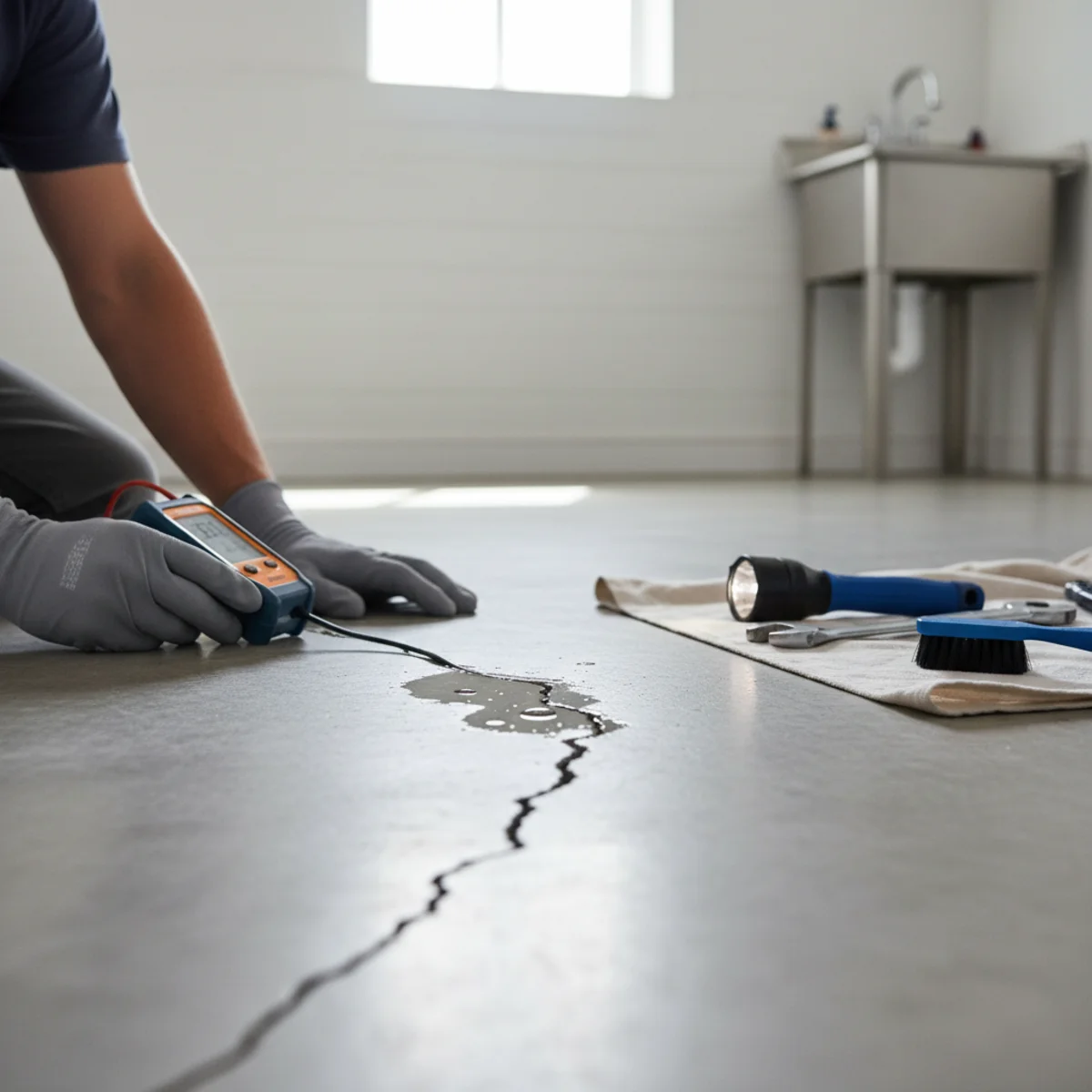 Basement Flood Prevention
Why Water Is Seeping Through Your Basement Floor
Damp spots or puddles rising through a concrete basement floor almost always point to water pressure under the slab. Here's what causes it and how to stop it.
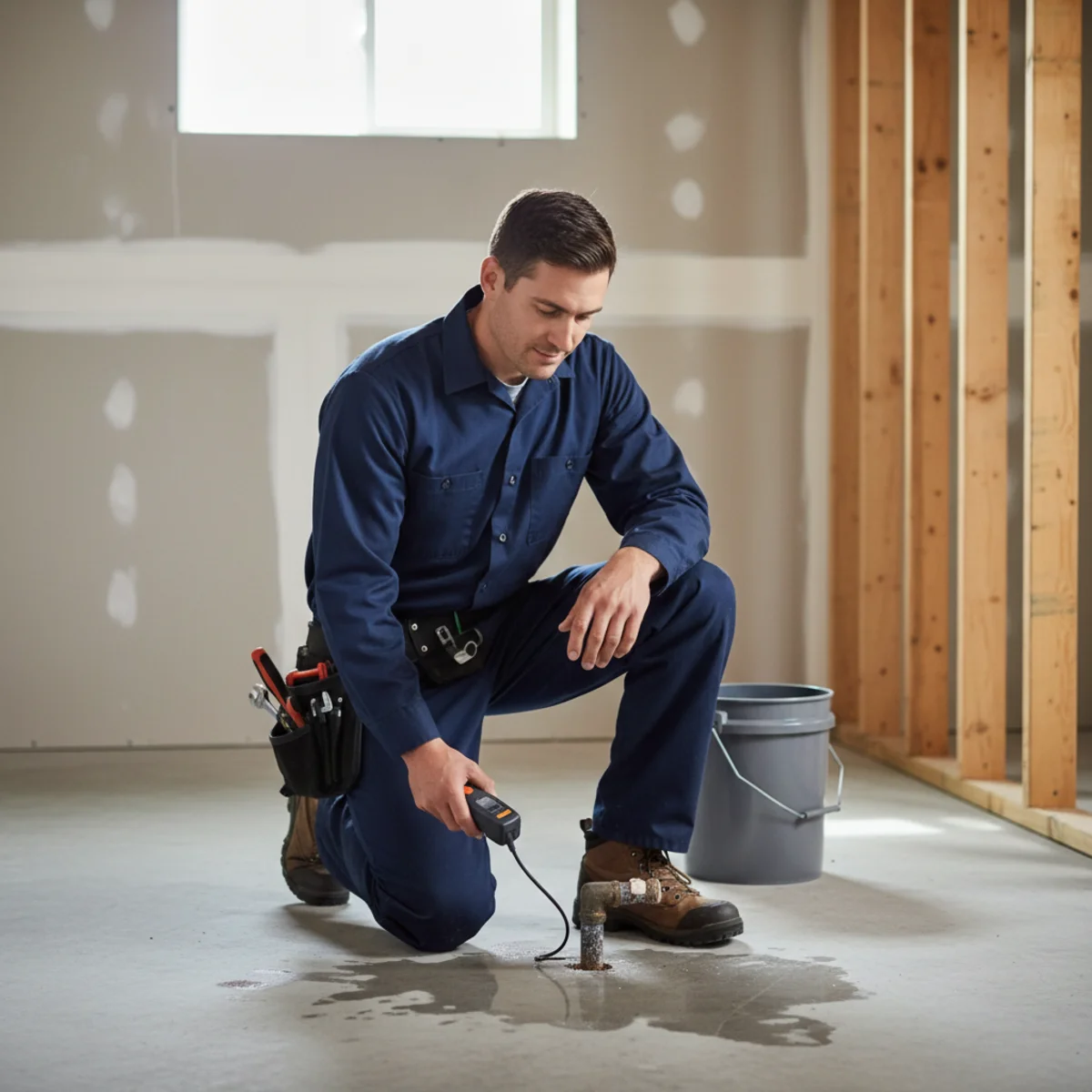 Littleton Homeowner Guides
Common Basement Water Problems in Littleton Homes
From expansive clay to spring snowmelt, Littleton basements face specific water threats. Here are the common problems and how to get ahead of them.
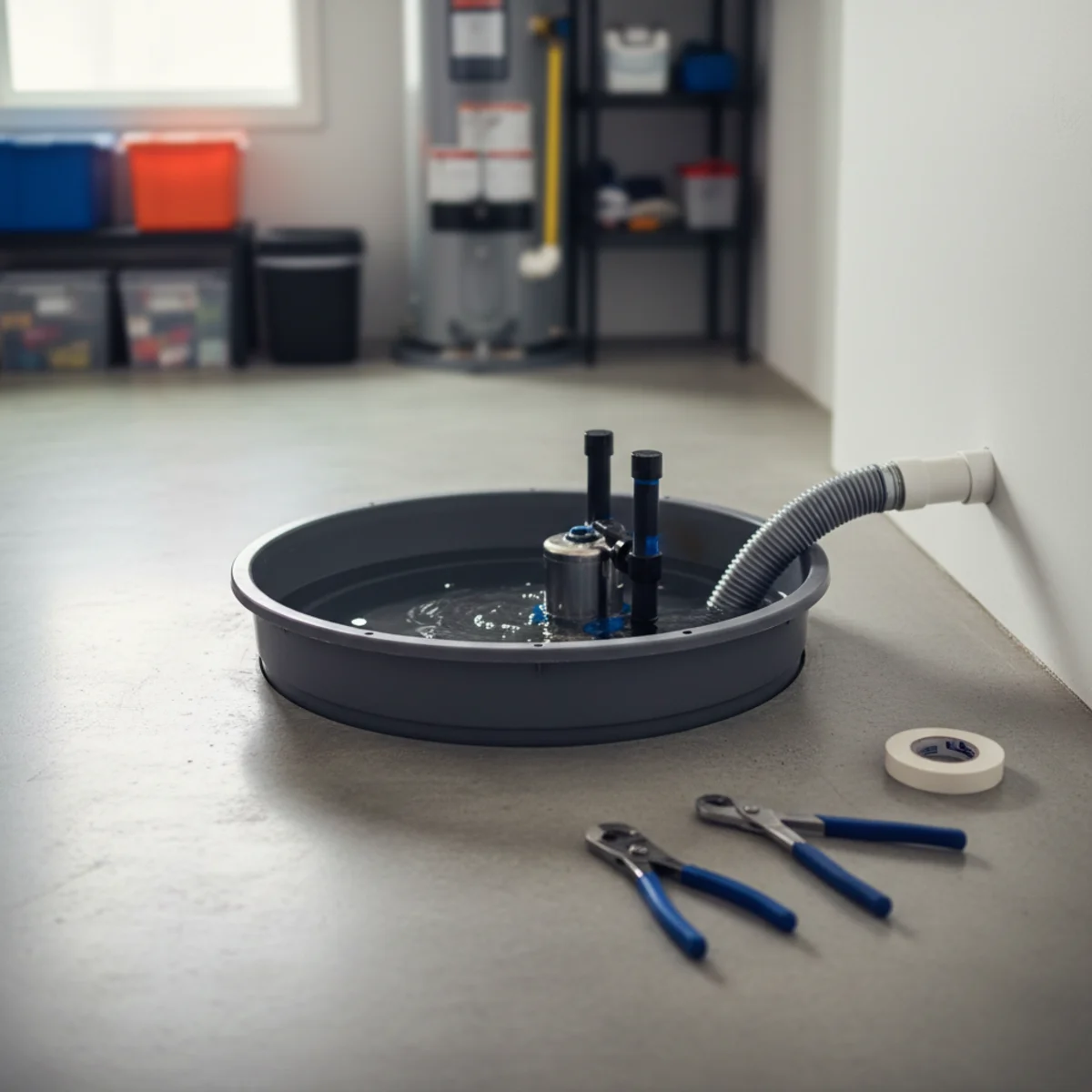 Sump Pump Basics
How Sump Pumps Help Protect Your Foundation
A sump pump keeps water off the basement floor, but its bigger job is relieving the pressure that works against your foundation. Here is how that protection works in Littleton.
Protect Your Basement Before the Next Storm
Get professional sump pump help from a local Littleton specialist. Clear, upfront estimates and careful, clean workmanship.
Available by appointment. Emergency sump pump help available.