
Sump Pump Service
Wet Basement Repair
Damp walls, musty smells, and seepage point to a water-management problem.
A wet basement isn't just unpleasant — it's a sign that water is getting in and staying. Wet basement repair in Littleton, CO means finding the source of the dampness, seepage, or musty odor and fixing the water management, not just painting over the symptoms. Littleton Sump Pump Pros diagnoses and solves chronic basement moisture.
Damp walls and musty air usually trace back to groundwater the home isn't moving away fast enough.
- Local Littleton Service
- Professional Installation
- Clear, Upfront Estimates
- Battery Backup Options
- Careful, Clean Workmanship
- Emergency Help Available
What causes a chronically wet basement
A wet basement is different from a flooded one. There may never be standing water, just walls that feel cool and damp, a floor that darkens in patches after rain, and air that smells musty no matter how often you clean. That steady dampness usually has one of a handful of causes, and often more than one at once.
- Groundwater pressure pushing moisture through the wall-floor seam
- No sump system, or one that's undersized for the water load
- A discharge line that releases water too close to the foundation
- Poor grading and downspouts dumping surface water at the wall
- Foundation cracks letting water seep in under pressure
Condensation or seepage? A simple test
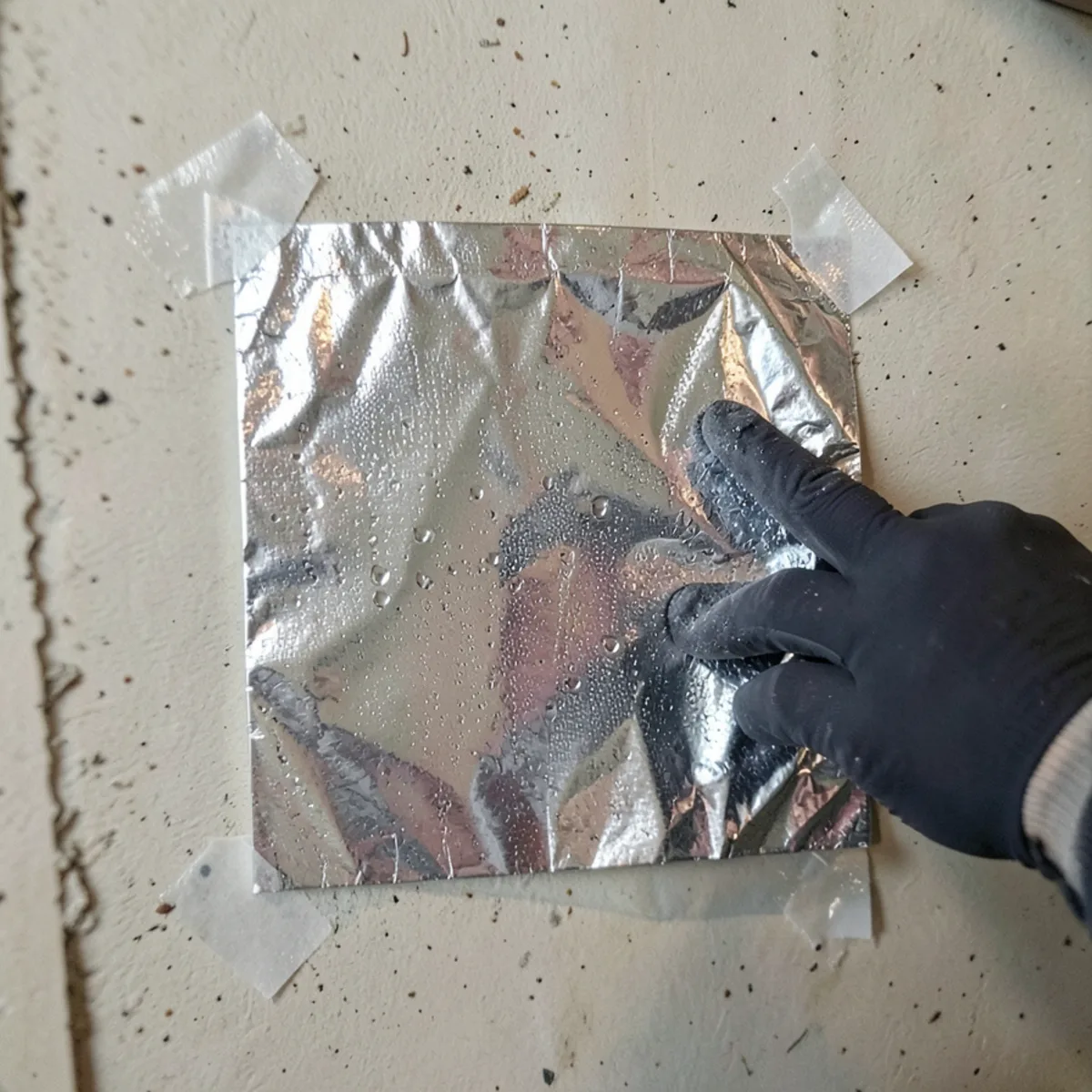
Tape a square of aluminum foil tightly to the damp part of the wall or floor and leave it for a day or two. If moisture forms on the room side of the foil, the problem is condensation: humid air meeting a cool surface. If moisture forms underneath, against the concrete, water is coming through the foundation. The answer changes the fix completely, which is why we start here.
What the season tells you
Around Littleton, timing is a strong clue. Dampness that peaks during spring snowmelt and after long rains, then fades in late summer, points to groundwater seeping in. Dampness that peaks in July and August, when the air is warm and humid and the concrete is still cool, points to condensation. Many basements have a little of both, which is why the fix is often a combination.
When the problem is humidity, not water coming in
Some damp basements have no leak at all. Warm, humid summer air drifts downstairs, meets cool concrete, and condenses. Clothes dryers vented indoors, open sump pits, and stored firewood add more moisture. The EPA recommends keeping indoor humidity below 60 percent, ideally between 30 and 50.
The fixes are simple: a properly sized dehumidifier draining to a floor drain or the sump pit, a sealed sump lid, dryer and bathroom vents that exhaust outside, and keeping basement windows closed on humid days. A hygrometer tells you whether it's working.
Size the dehumidifier for the space and how damp it is, not the smallest unit on the shelf. A unit that runs constantly without lowering the reading is undersized, and one emptied by hand every day will eventually be forgotten, so a continuous drain is worth the setup.
What about basement waterproofing?
Waterproofing means different things depending on who says it. Interior coatings and waterproof paints can reduce minor dampness on sound walls, but they can't stop water under pressure from saturated clay; the water finds the seams, peels the coating, or comes up at the floor.
Lasting interior waterproofing is really water management: relieving the pressure with drainage and a sump system, and keeping surface water away from the foundation outside. Exterior excavation waterproofing, digging down to the footing and membrane-coating the outside of the wall, is a larger job handled by foundation contractors. We'll tell you plainly which approach your basement needs.
What chronic dampness does to a house
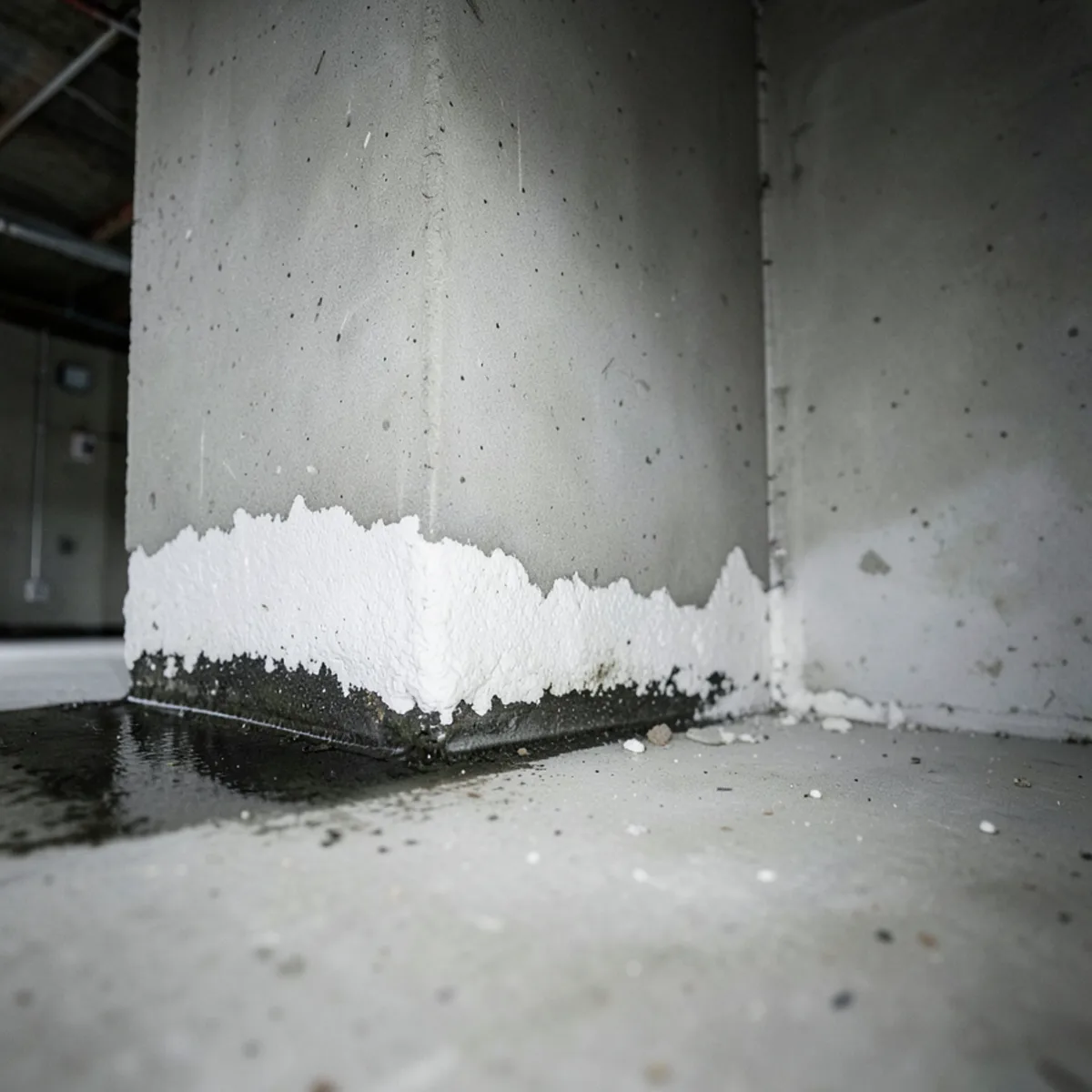
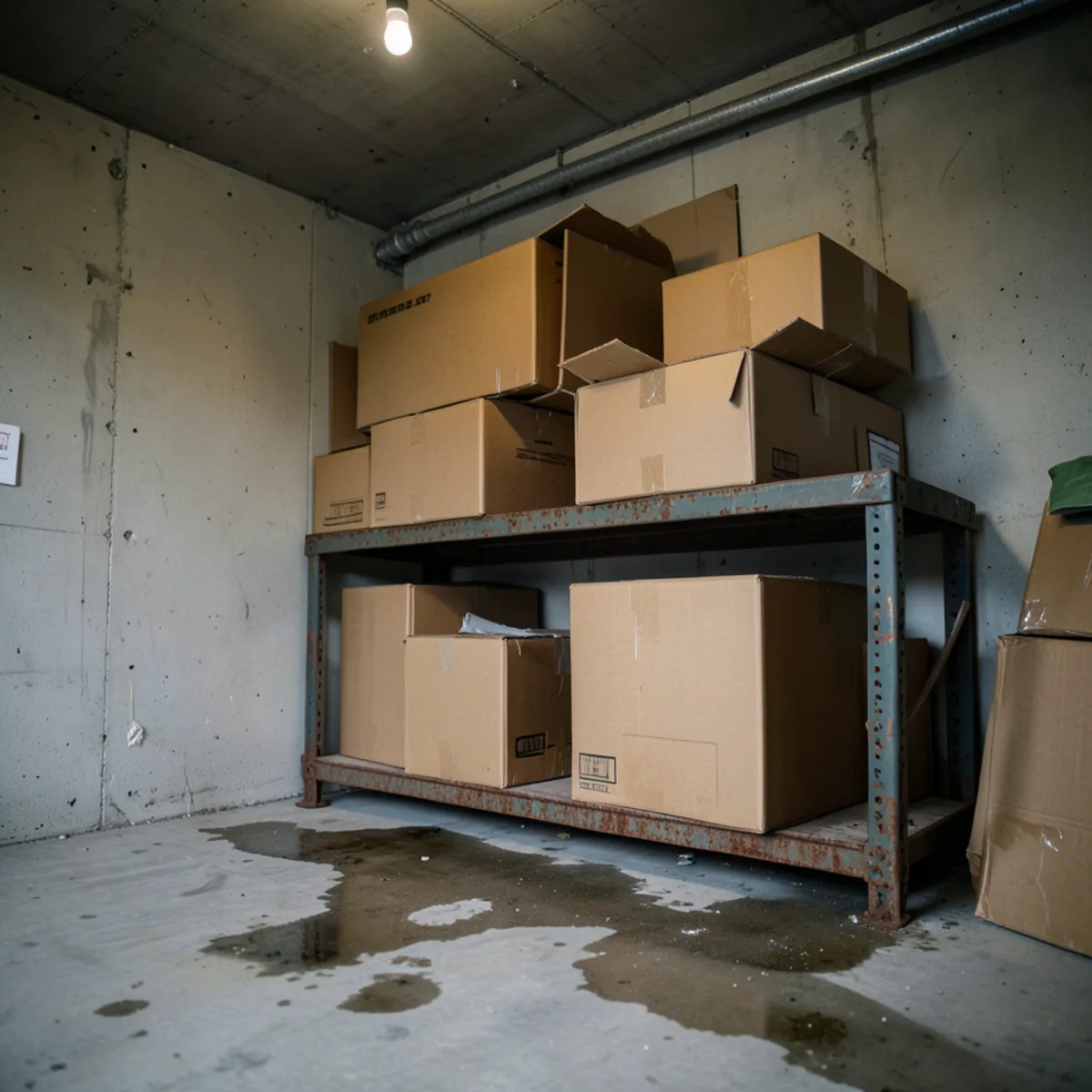
Living with a damp basement costs more than it seems. Mold grows on drywall paper, carpet backing, and anything stored in cardboard. Wood framing and sill plates in contact with damp concrete soften over time. Dust mites thrive in humid air, and the musty smell travels upstairs through stairwells and ductwork. Steady moisture moving through the foundation also carries minerals that slowly weaken the concrete surface, which is what the white efflorescence on the wall is telling you.
Fixing it for good
The right fix depends on the source. Often it's installing or upgrading a sump system and correcting the discharge so water leaves the house. Sometimes it's addressing a specific seepage point or coordinating drainage.
We diagnose first, then recommend the solution that matches the problem — no upselling work you don't need.
When seepage comes through along the walls, the lasting fix is often an interior perimeter drain: a channel cut along the inside of the foundation, gravel and perforated pipe laid below the slab, and the water carried to a sump pit where the pump sends it outside. It relieves the water pressure against the wall instead of trying to hold it back.
What wet basement repair costs depends on
The range is wide because the fixes are so different. A dehumidifier, a sealed lid, and downspout extensions cost little. A new or upgraded sump pump and discharge is a mid-sized job. An interior perimeter drain is priced by the length of wall it runs along, the slab thickness, and how much finished space has to be opened and restored. We diagnose before we quote so you only pay for the fix that matches the source.
Permits and radon considerations
Cutting the slab for an interior drain and a new pit, or adding a pump circuit, may need a permit from your city or county building department. In Colorado, where radon is common, a new drain and pit should be sealed and can be tied into a mitigation system, so the drainage work doesn't open a new path for soil gas.
How Our Wet Basement Repair Process Works
- 1
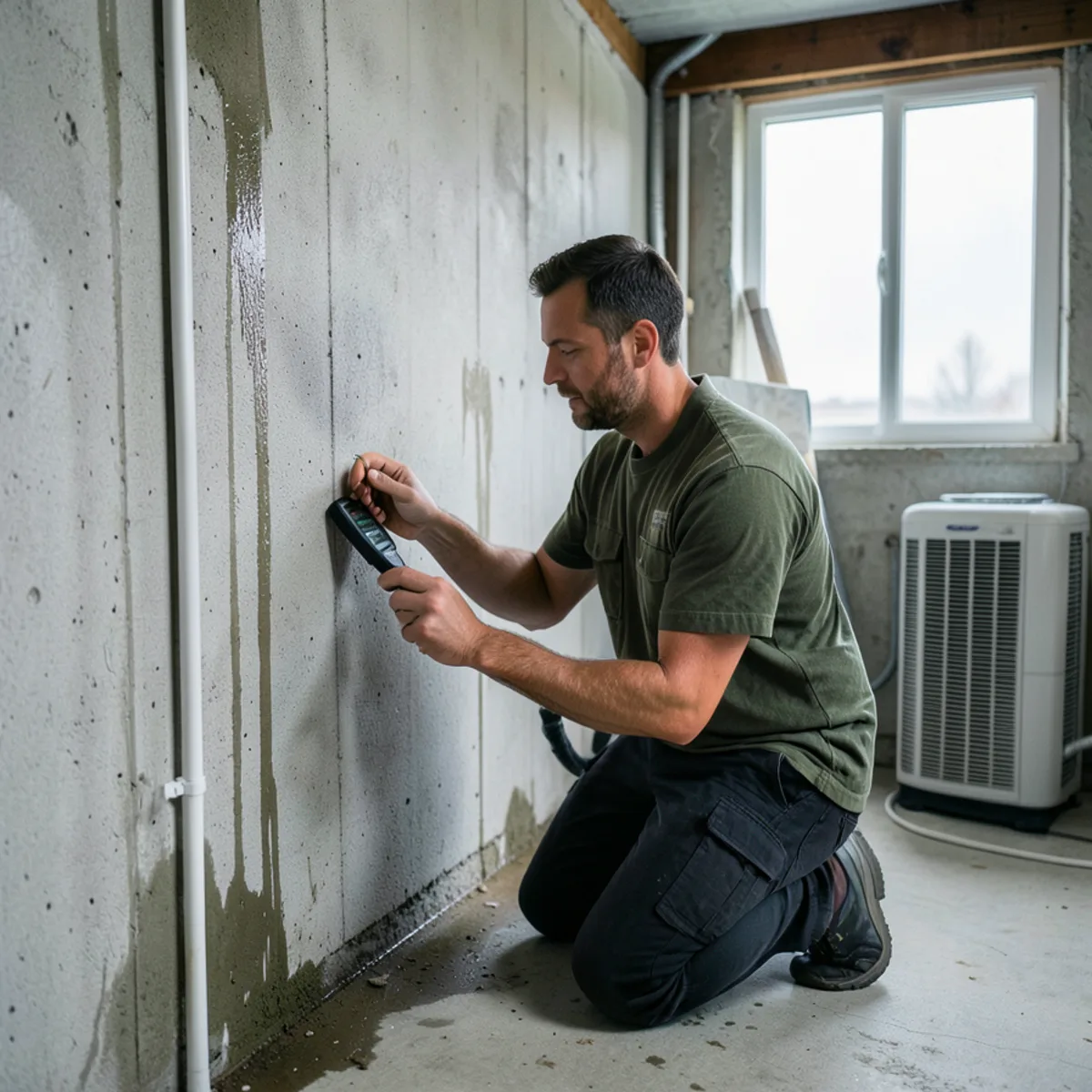
Map the dampness
Where, when, and after what weather the walls and floor get wet.
- 2
Test the source
Foil test, moisture readings, and humidity measurement.
- 3
Check the outside
Grading, downspouts, window wells, and the sump discharge outlet.
- 4
Match the fix
Humidity control, sump work, drainage, or exterior changes, priced separately.
- 5
Install
Dehumidification, sump upgrade, or interior perimeter drain to a sealed pit.
- 6
Confirm it's dry
Re-check moisture and humidity after the next wet spell.
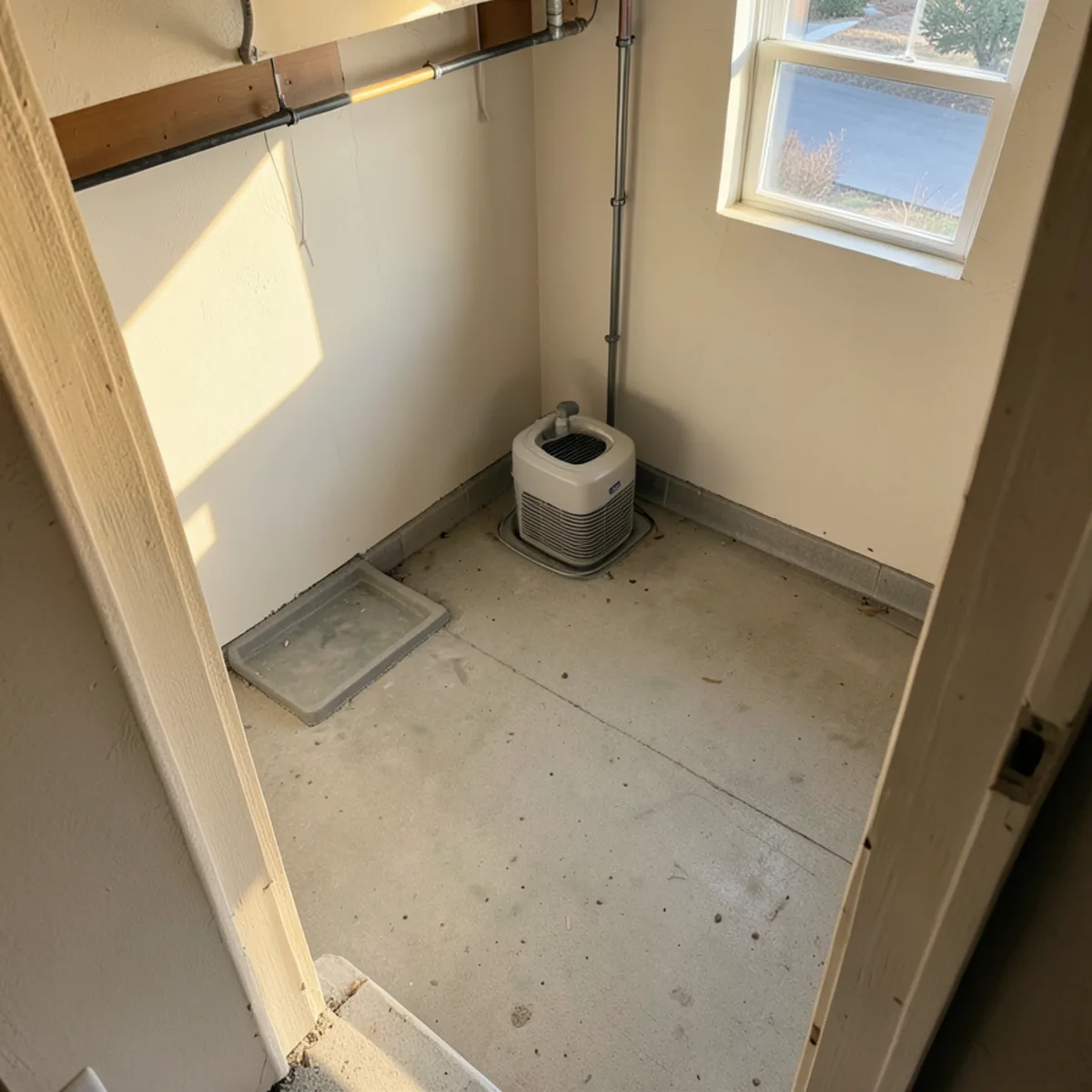
Wet Basement Repair: what the work looks like
Why Homeowners Choose Us for Wet Basement Repair
Wet basements attract a lot of cosmetic fixes. As basement-water specialists we start with the source, and if the answer is a dehumidifier rather than a drainage system, that's what we'll recommend.
We're based in Littleton at 8 W Dry Creek Cir and work by appointment across the south and west Denver Metro, with every option priced separately before any work begins.
- Source diagnosis, not cosmetic cover-ups
- Sump system installation or upgrade where needed
- Discharge and drainage correction
- Lower humidity, less mold and odor risk
- Honest, matched-to-the-problem recommendations
Services That Pair With Wet Basement Repair
Guides on Wet Basement Repair
Helpful Guides & Costs
Where We Provide Wet Basement Repair
See every community on the service areas page.
Wet Basement Repair FAQs
Usually groundwater the home isn't moving away fast enough — no sump system, an undersized one, or a discharge that releases water back near the foundation. We find the specific cause and fix the water management.
In most cases it's the core of the fix, paired with proper discharge routing. If the dampness comes from a specific crack or surface drainage, we address that too.
It can be. Chronic moisture invites mold, damages stored items and finishes, and can signal water working against the foundation. It's worth diagnosing rather than ignoring.
Only for minor dampness on walls that aren't under water pressure. When saturated clay pushes water against the foundation, coatings peel or the water comes in at the floor seam. Drainage to a sump system is the lasting fix in those cases.
Below 60 percent, and ideally between 30 and 50, according to EPA guidance. A simple hygrometer shows where you are. A dehumidifier draining to a floor drain or the sump pit is usually enough if no water is actually coming in.
That powder is efflorescence: minerals left behind when water passes through concrete and evaporates. It isn't harmful itself, but it shows that water is moving through the wall, so it's worth finding out where that water comes from.
Damp, musty, or stained?
Not every wet basement needs a pump. We'll find out whether it's condensation, seepage, or a plumbing leak before suggesting a fix.
- Moisture source identified first
- Simple fixes tried before big ones
- Clear explanation of each option