
Common Basement Water Problems in Littleton Homes
Water in the basement is never a good surprise. A damp corner. A puddle by the floor. A musty smell that will not quit. In Littleton, these problems are common enough that most homeowners deal with one version or another sooner or later.
The reasons are local. Our expansive clay soil, our pattern of snowmelt and summer thunderstorms, and our freeze-thaw winters all push water toward the lowest point of your home. Understanding which problem you have is the first step to fixing it for good instead of mopping the same spot every spring.
This guide walks through the most common basement water problems we see in Littleton homes, what causes each one, and the practical steps to keep your basement dry. We will keep it specific to the conditions here on the Front Range, from Columbine to Ken Caryl to Highlands Ranch.
- Local Littleton Service
- Professional Installation
- Clear, Upfront Estimates
- Battery Backup Options
- Careful, Clean Workmanship
- Emergency Help Available
Expansive Clay and Hydrostatic Pressure
Littleton sits on expansive clay soil, and that single fact drives much of the water trouble here. Clay swells when it absorbs water and shrinks when it dries. That constant swelling and shrinking moves against your foundation year-round, working at every seam and crack.
When the clay around your foundation is saturated, it holds water against the walls and floor. That builds hydrostatic pressure, the force of groundwater pushing inward. Given enough pressure and a path, water finds its way through hairline cracks, cold joints, and the seam where the wall meets the floor.
This is why so many Littleton basements stay dry for years and then start leaking after a wet spring. The pressure had been building, and eventually it found a way in. A sump system gives that water a place to go before it reaches your living space, relieving the pressure rather than fighting it at the wall. Homes around Columbine, Ken Caryl, and Southglenn sit on this same expansive clay, so the pattern repeats across the area.
Snowmelt and Summer Storms
The Front Range delivers water in bursts. A warm spell in spring can melt weeks of snowpack in a matter of days, sending a surge into the water table. Then summer brings fast, heavy thunderstorms that dump a lot of rain in a short window.
Both events raise groundwater quickly and overwhelm basements that handle gentler conditions fine. A pit that rarely runs in a dry stretch can suddenly cycle nonstop during snowmelt. If your pump is undersized, aging, or missing a backup, these are the moments it gets exposed. Many homeowners go years without a wet basement, then hit one big runoff year and discover the pump was never up to the job.
Grading and gutters matter here too. Snowmelt runoff and storm water that pools against the foundation, instead of draining away, feeds straight into the soil pressing on your walls. Keeping water moving away from the house, with proper grading and downspout extensions, lightens the load on everything downstream.
The Most Common Problems We See
Basement water shows up in a handful of recognizable patterns. Knowing which one you have points you toward the right fix, because the cure for floor seepage is not the same as the cure for a wall that weeps.
Some of these are quick fixes. Others point to a drainage or foundation issue that needs a real plan. Either way, naming the problem is the start. Walk your basement after the next storm and see which of these you recognize.
- Water seeping up through cracks in the basement floor under pressure
- Water weeping through basement walls or at the wall-floor joint
- A sump pit that overflows or a pump that cannot keep up in storms
- A musty, damp smell signaling ongoing moisture even without visible water
- Efflorescence, the white chalky residue left on concrete by water passing through
- Pooling near the foundation from poor grading, downspouts, or snowmelt runoff
- Foundation cracks that widen and weep as the clay swells and shrinks
Freeze-Thaw and Frozen Discharge Lines
Winter adds its own twist. Our freeze-thaw cycle, repeated swings above and below freezing, works at shallow cracks in the foundation and in discharge lines, widening them a little more each season.
The discharge line is a frequent winter casualty. If the line that carries water away from your pump runs too shallow or has a low spot where water sits, it can freeze into an ice plug. When that happens, the pump runs but the water has nowhere to go, and it can back up into the pit and the basement.
A discharge line set up for Colorado winters, with proper slope and depth and a clear path below the frost line, avoids most of this. If yours freezes every year, that is a fixable design problem, not something you should have to live with each January.
Why Finished Basements Raise the Stakes
An unfinished basement that takes on a little water is a nuisance you can mop up. A finished basement is a different story. Drywall, carpet, flooring, and everything stored down there turn a minor leak into an expensive loss, and a slow leak behind a finished wall can grow mold before you ever see it.
That higher stake is exactly why prevention pays off in a finished space. A reliable primary pump, a backup for power outages, a sealed basin lid, and a properly graded discharge line are not luxuries when there is a living room down there. They are what keeps the investment intact.
Sealed basin lids do double duty in many Littleton homes, helping with radon control while keeping pit moisture and humidity out of the finished space. If you are finishing a basement or already have, it is worth confirming your water defenses are up to the job before you trust them with the room.
What to Do Next
Start by figuring out where the water comes in and when. A floor that seeps under storm pressure, a wall that weeps at the joint, and a pit that overflows each point to different fixes. Note the timing, snowmelt, heavy rain, or year-round, and snap a few photos for reference.
From there, the right step depends on the problem. It might be a sump pump install or upgrade, a discharge line redone for winter, a basin and sealed lid, or foundation leak repair. The goal is a system suited to Littleton's clay and weather, not a patch that fails the next wet spring.
If you want a professional read on what is happening, a local inspection sorts it out. We work in Littleton basements constantly and can tell you what the water is doing and what it will take to keep it out, with careful, clean workmanship and a clear, upfront estimate.
Frequently Asked Questions
Keep Reading
 Basement Flood Prevention
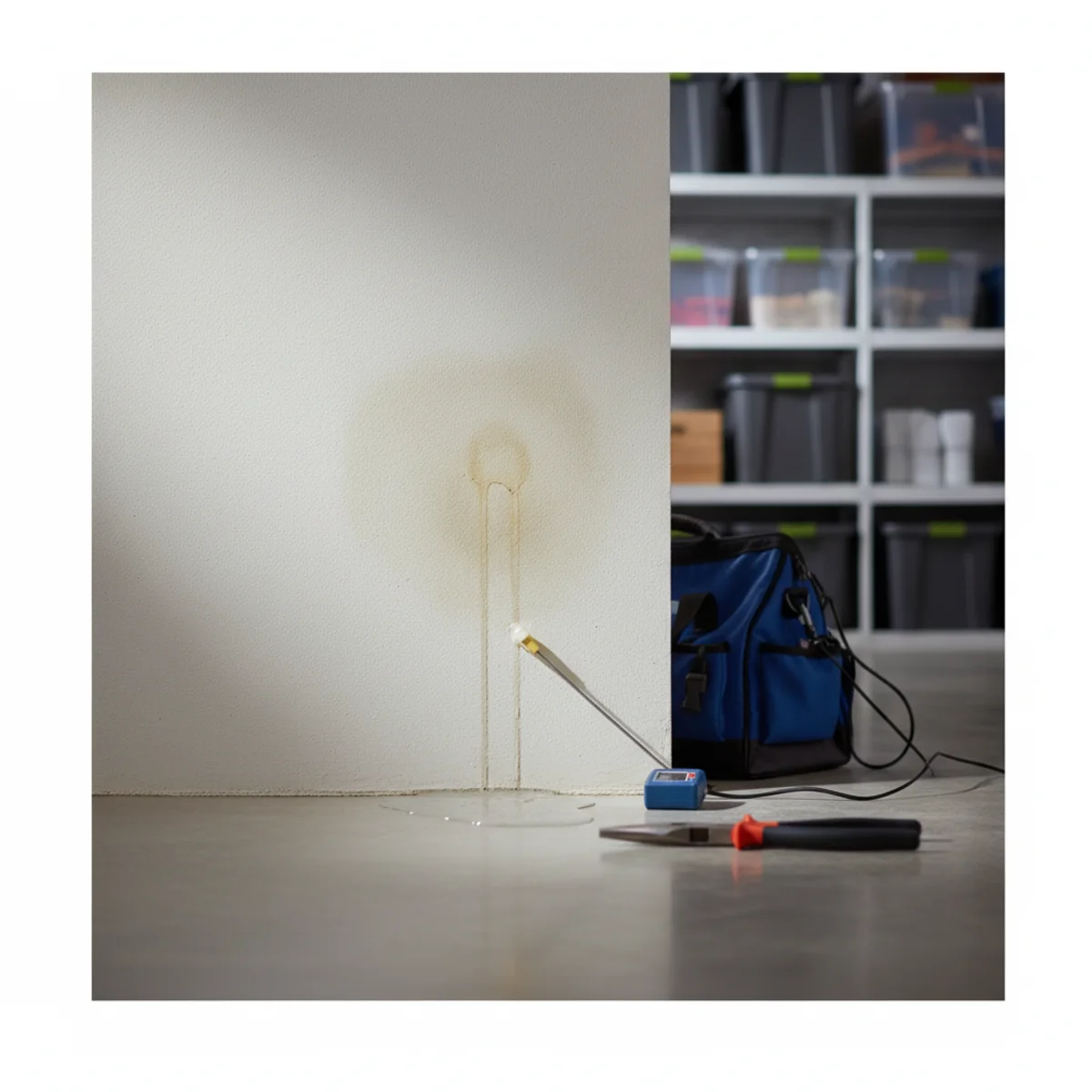
Why Water Is Seeping Through Your Basement Floor
Damp spots or puddles rising through a concrete basement floor almost always point to water pressure under the slab. Here's what causes it and how to stop it.
 Basement Flood Prevention
What Causes Water to Seep Through Basement Walls?
Damp streaks, wet corners, or beads of water on basement walls trace back to drainage and pressure outside. Here's what causes wall seepage and how to stop it.
 Basement Flood Prevention
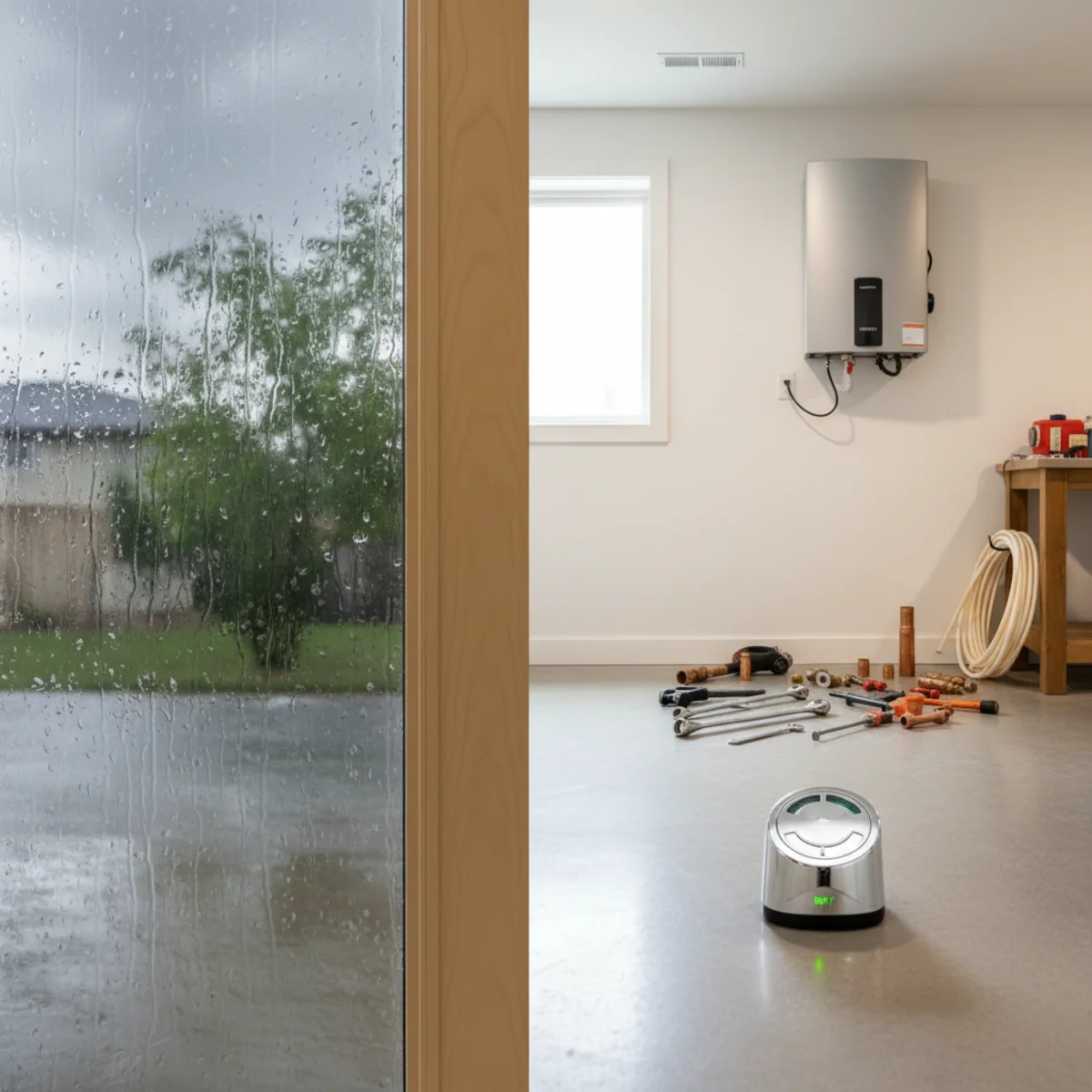
How to Prevent Basement Flooding During Heavy Rain
Heavy Front Range rain and snowmelt push water against your foundation fast. Here is how to keep your basement dry before, during, and after a storm.
Protect Your Basement Before the Next Storm
Get professional sump pump help from a local Littleton specialist. Clear, upfront estimates and careful, clean workmanship.
Available by appointment. Emergency sump pump help available.