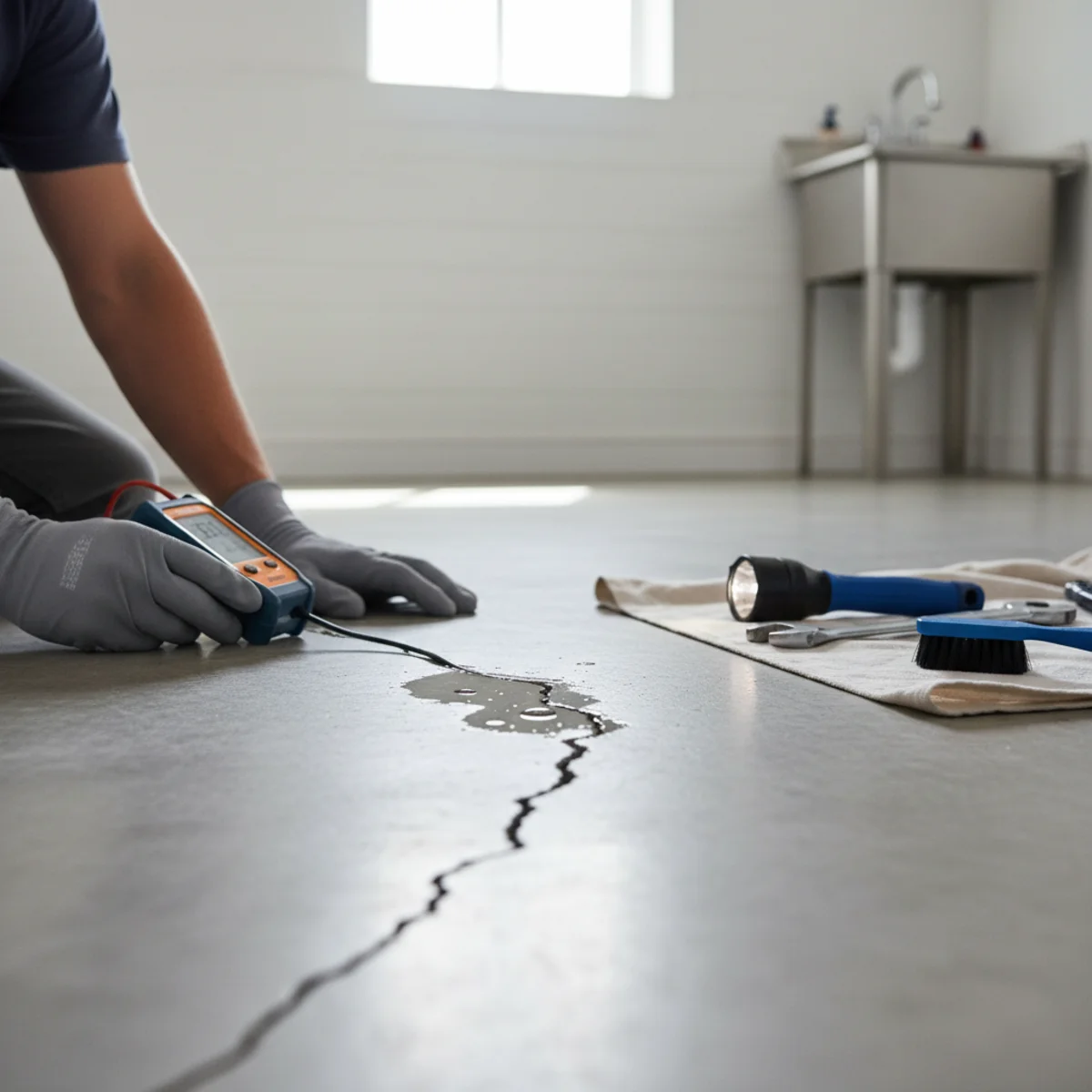
Why Water Is Seeping Through Your Basement Floor
You walk down to the basement and find a damp patch on the concrete, or a thin puddle near the middle of the floor with no obvious source. The walls look fine. The water just seems to be coming up through the slab itself.
It's an unsettling thing to see, because concrete feels like it should be solid. But a basement floor is not waterproof. It's a slab poured over soil and gravel, and when the water table or saturated clay underneath builds enough pressure, water finds its way up through cracks, control joints, and the seam where the floor meets the wall. The concrete doesn't have to fail; it just has to have a path.
The good news: water seeping through a basement floor is a solvable problem once you understand what's driving it. This guide explains the causes specific to Littleton homes, how to confirm what you're actually seeing, and the fixes that genuinely hold, from sealing to a proper sump system.
- Local Littleton Service
- Professional Installation
- Clear, Upfront Estimates
- Battery Backup Options
- Careful, Clean Workmanship
- Emergency Help Available
The Main Culprit: Hydrostatic Pressure
Most water that comes up through a basement floor is pushed there by hydrostatic pressure. After heavy rain or spring snowmelt, the soil under and around your foundation saturates. Water has weight, and saturated ground creates upward and inward pressure against your slab and walls. Give that pressure any opening and it forces water through.
Littleton's expansive clay makes this worse. Clay swells when wet and holds water tightly instead of letting it drain away. So instead of moisture passing through the soil and moving on, it sits against your foundation and presses. Concrete has tiny pores and hairline cracks, and under enough pressure, water is forced right through them and onto your floor.
This is why the seeping often appears at the same times every year: during the wettest weeks of spring and after big summer storms. The pressure rises with the groundwater, the floor weeps, and then as the soil dries out the seeping stops on its own. That on-again, off-again pattern is a strong clue you're dealing with pressure, not a fixed leak.
Where Water Actually Comes Through
Water rarely comes up through the solid middle of an intact slab. It looks for the path of least resistance, and there are a handful of predictable weak points. Knowing where to look helps you describe the problem accurately and choose the right fix instead of chasing the wrong one.
Walk the floor when it's actively damp and trace the wettest points back to their origin. Keep a flashlight low and watch for the sheen of moisture spreading from a joint or crack. You'll usually find one of the spots below.
- The cove joint, where the basement floor meets the foundation wall, is the most common entry point.
- Control joints and expansion joints, the intentional grooves cut into the slab, often weep first.
- Cracks in the slab from settling or shrinkage, which widen under pressure and let more through.
- Around the sump basin if it's overflowing or was never sealed properly.
- Penetrations where pipes or support posts pass through the floor.
- Old floor drains that back up when the surrounding soil is saturated.
Ruling Out Condensation
Before you assume the worst, make sure you're actually dealing with seepage and not condensation. In a humid basement, moisture in the air condenses on cool concrete and can leave the floor damp, which looks similar at a glance and leads people to expensive fixes they didn't need.
There's a simple test. Tape a square of aluminum foil or plastic sheeting tightly to a dry spot on the floor and leave it for a day or two. If moisture forms on top of the foil, facing the room, it's condensation from humid air. If moisture appears underneath, between the foil and the concrete, water is coming up through the slab.
Condensation is fixed with a dehumidifier, better ventilation, and insulating cold surfaces. Seepage through the slab is a water-pressure problem, and that's a completely different repair. Running the test first saves you from solving the wrong one.
It's also possible to have both at once, especially in late spring when the air is humid and the ground is still saturated. If the foil test is ambiguous or you see moisture on both sides, treat the seepage as the priority; air moisture is the easier half to manage once the groundwater is under control.
The Fix That Actually Works: A Sump System
You can patch a crack or apply a sealer, and for minor, occasional dampness that may buy you time. But sealing the inside of a slab doesn't relieve the pressure underneath. The water is still there, still pushing, and it will eventually find another path or break through the patch.
The durable solution is to give that water somewhere to go before it reaches your floor. That usually means an interior drainage system feeding a sump basin, with a properly sized pump that lifts the water out through a discharge line and away from the house. Instead of fighting the pressure, you relieve it, which is a fight you can actually win.
If your home doesn't have a sump pit yet, a basin installation is the foundation of the whole system. If you already have one but the floor still seeps, the pump may be undersized for the inflow, the basin may need a perimeter drain tied into it, or the system may simply need service. Our wet basement repair work starts with figuring out which of those it is.
Done right, you stop mopping every spring and the floor stays dry through the wet season, because the water is leaving the way it should.
When to Stop DIYing and Call
Some moisture problems are weekend projects. A little condensation, a single hairline crack, better grading and downspouts outside; those you can often handle yourself with good results. But seeping that returns every wet season, spreads across more of the floor, or shows up in a finished basement is telling you the underlying pressure isn't being managed.
Standing water is another clear signal. If you're mopping up puddles or your floor is wet across a wide area, the volume has outpaced any patch you could apply. At that point you need a system that moves water out, not a product that tries to hold it back against the pressure.
We focus on drainage and keeping basements dry across Littleton and the south metro, including Highlands Ranch, Columbine, and Ken Caryl. If your floor keeps seeping, call (207) 419-2600 for a clear, upfront estimate on what your home actually needs. We'll look at the whole picture, the basin, the pump, the discharge, and the grade outside, rather than selling you a patch that won't hold.
Frequently Asked Questions
Keep Reading
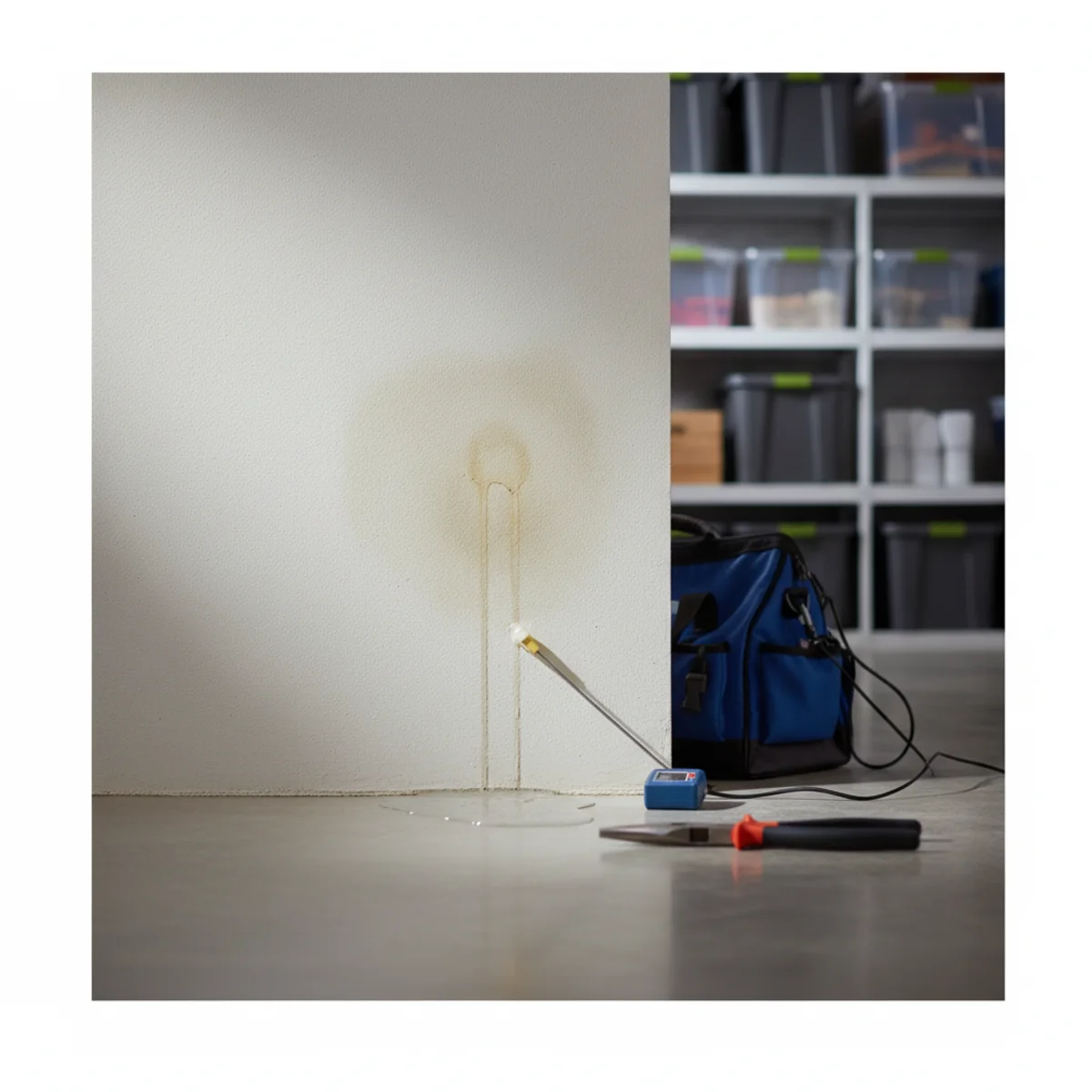 Basement Flood Prevention
What Causes Water to Seep Through Basement Walls?
Damp streaks, wet corners, or beads of water on basement walls trace back to drainage and pressure outside. Here's what causes wall seepage and how to stop it.
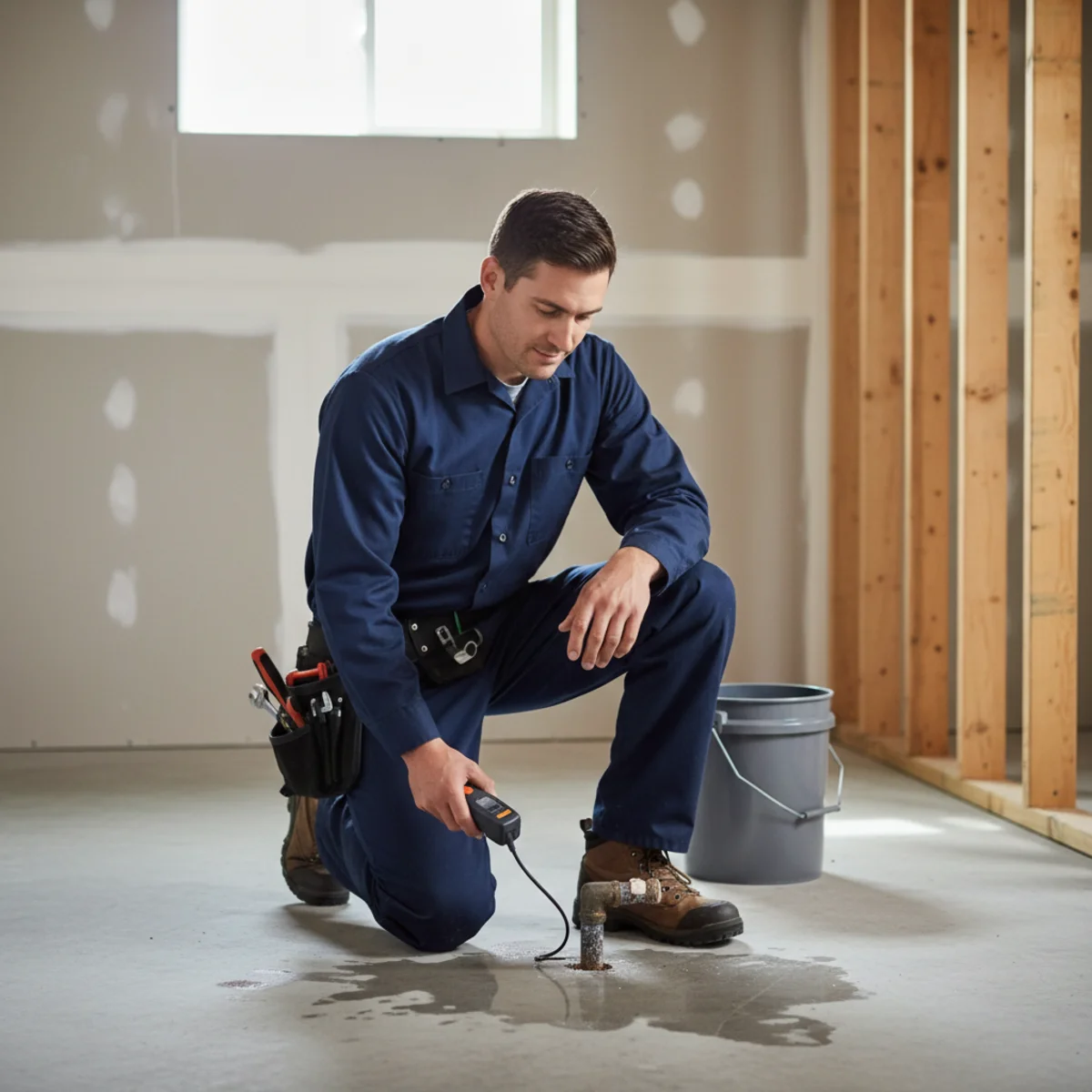 Littleton Homeowner Guides
Common Basement Water Problems in Littleton Homes
From expansive clay to spring snowmelt, Littleton basements face specific water threats. Here are the common problems and how to get ahead of them.
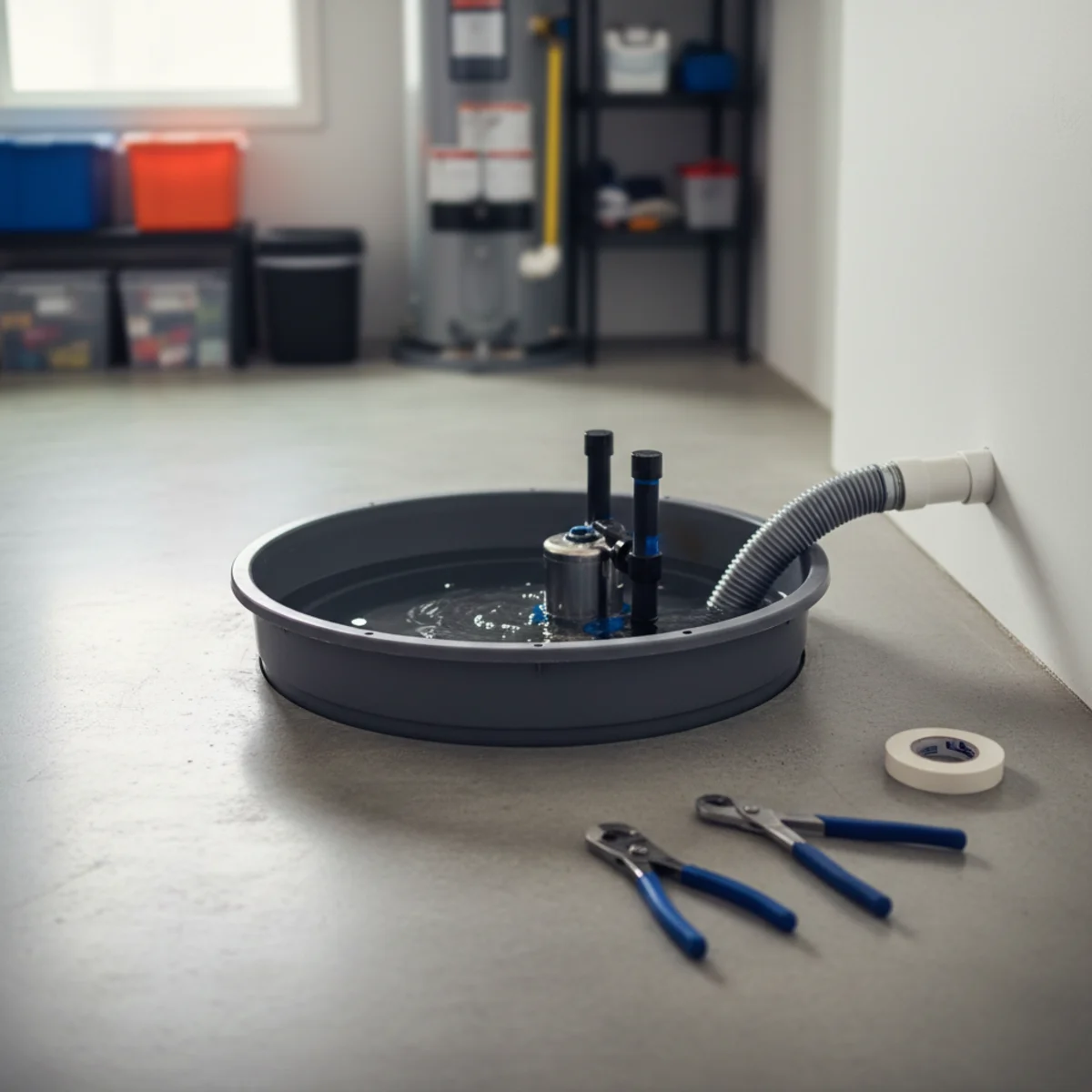 Sump Pump Basics
How Sump Pumps Help Protect Your Foundation
A sump pump keeps water off the basement floor, but its bigger job is relieving the pressure that works against your foundation. Here is how that protection works in Littleton.
Protect Your Basement Before the Next Storm
Get professional sump pump help from a local Littleton specialist. Clear, upfront estimates and careful, clean workmanship.
Available by appointment. Emergency sump pump help available.