
Sump Pump Service
Sump Pump Basin & Pit Installation
The pit is the foundation of the whole system — sized and sealed correctly.
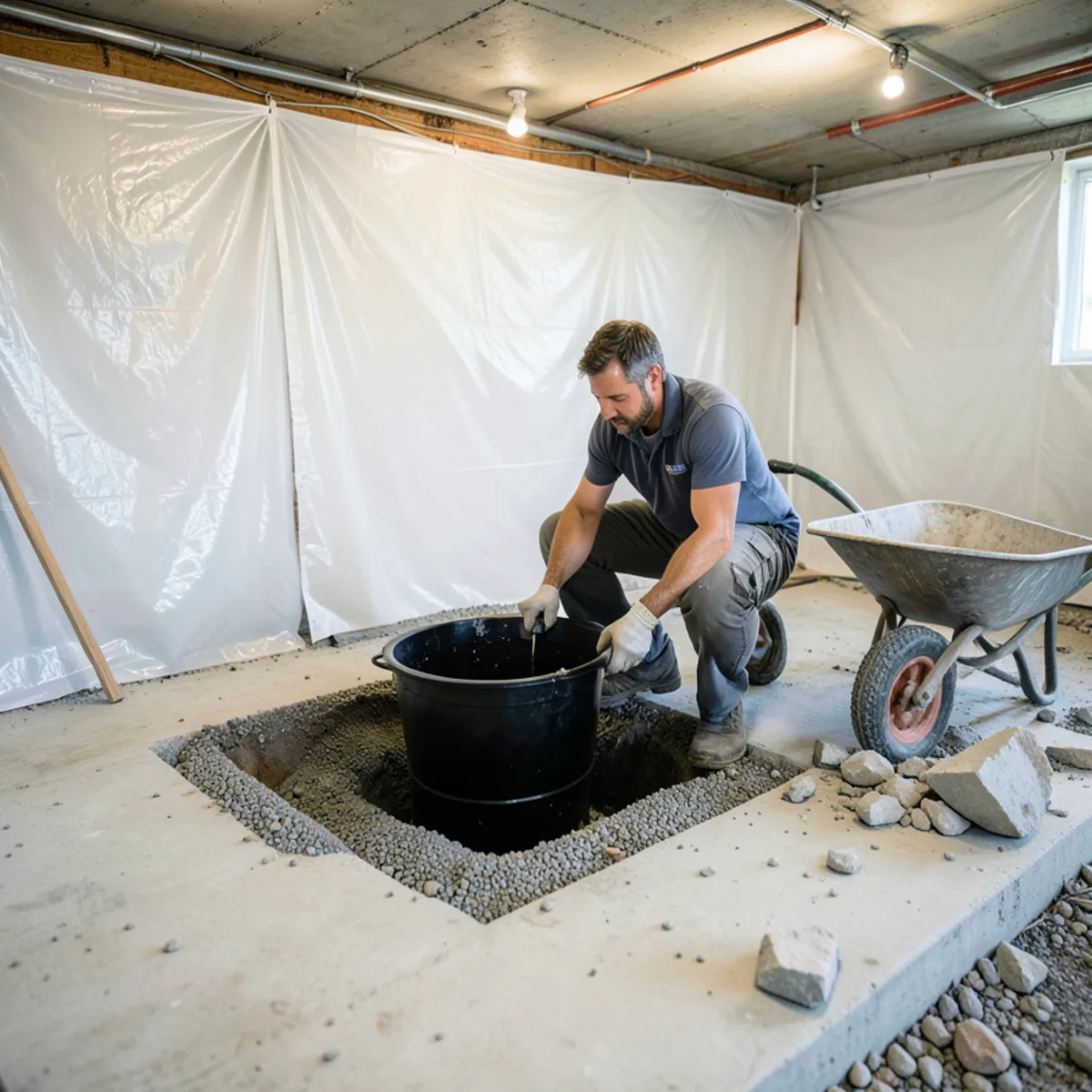
The basin — the pit your pump sits in — is the foundation of the whole system. Too shallow and the pump short-cycles; too small and it can't buffer a heavy water load; unsealed and it lets humidity and radon into the basement. Littleton Sump Pump Pros installs properly sized sump basins and pits for Littleton homes.
If you're adding a sump system where none existed, this is step one: cutting and setting a pit at the true low point of the basement or crawl space.
- Local Littleton Service
- Professional Installation
- Clear, Upfront Estimates
- Battery Backup Options
- Careful, Clean Workmanship
- Emergency Help Available
What a properly built pit involves
A basin is a lined hole through the slab into the soil, and its job is to collect groundwater at the lowest point and hold enough of it for the pump to work in steady cycles. Where it goes, how deep it sits, and how water gets into it decide whether the pump above it lasts ten years or three.
- Locating the true low point where water collects
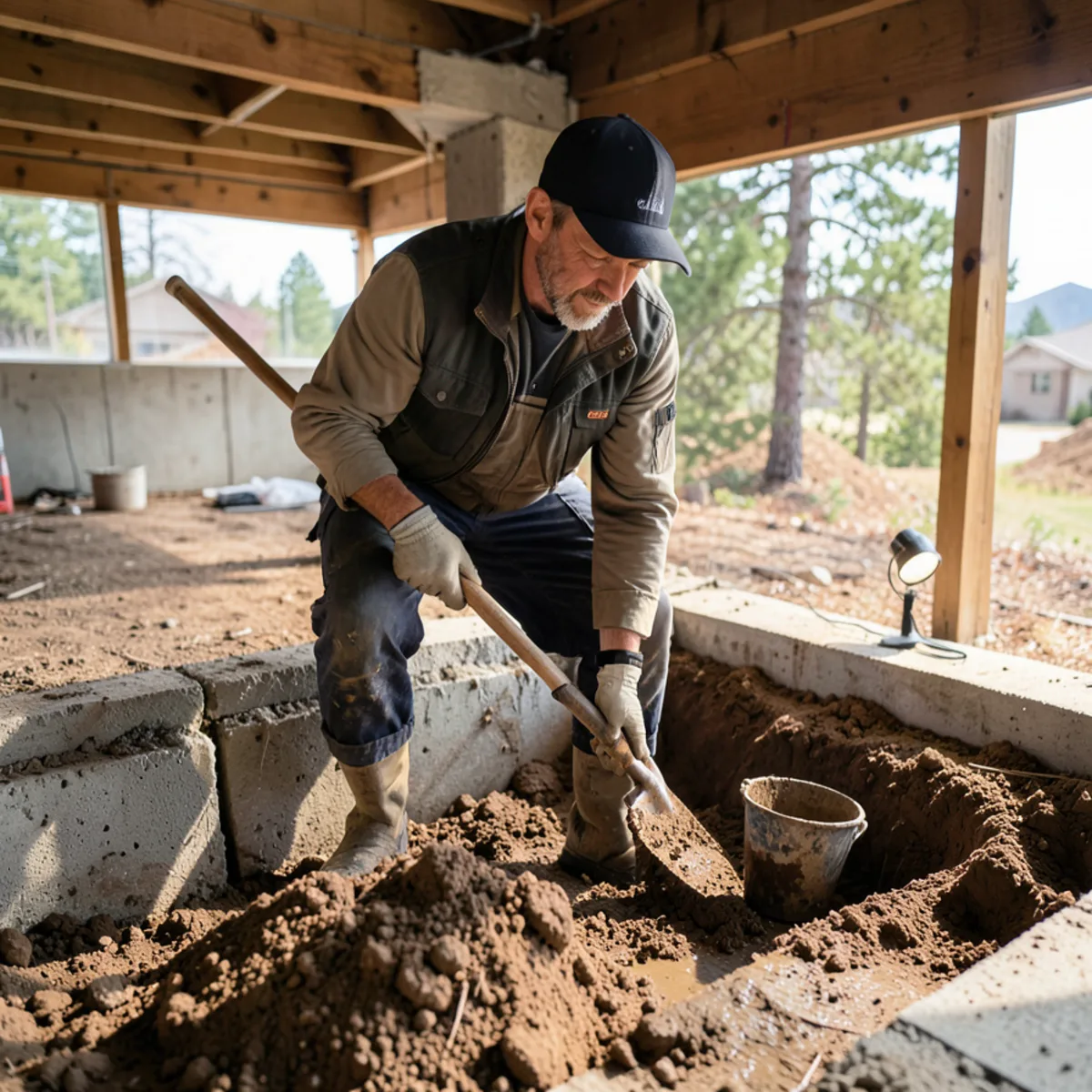
- Cutting the concrete and excavating to the right depth for clay soil
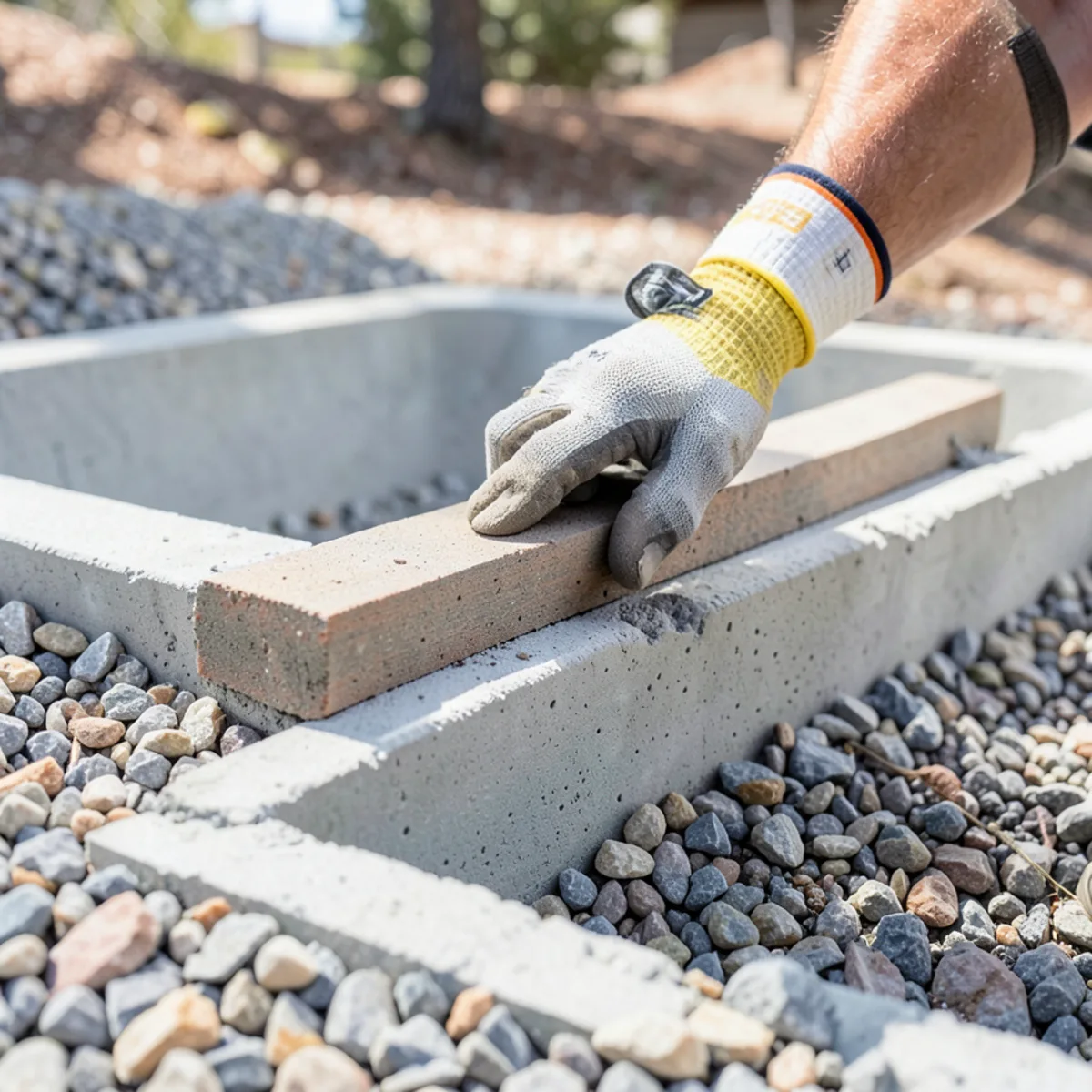
- Setting a correctly sized basin/liner on a gravel base
- Perforations and gravel to let groundwater enter the pit
- A sealed lid to control humidity, odor, and radon tie-ins
- Clean concrete restoration around the new basin
Sizing for clay-soil water loads
In Littleton's clay soil, the pit has to hold enough water to keep the pump from cycling on and off every few seconds, while still triggering before water reaches the floor. Depth and diameter both matter.
For homes finishing a basement or fighting a high water table, a larger basin — or a dual-pit setup — gives the system the capacity to keep up.
Basin types and sizes
Most residential basins are rigid polyethylene liners. Common sizes run from about 18 inches across and 22 inches deep for a light water load up to 24 or 30 inches for heavier loads, finished basements, or a primary and backup pump in the same pit. Perforated basins let groundwater in through the walls, which suits pits fed by surrounding soil; solid basins with inlet holes suit pits fed by drain tile. Either way, the liner sits on a gravel bed with gravel around it so silt stays out.
When two pits beat one bigger pit
A single larger basin is usually the answer, but not always. In long basements where water comes in at opposite ends, in homes with a split-level lower floor, or where a high water table keeps one pit running for weeks, a second pit with its own pump spreads the load and gives you redundancy if one pump fails. Each pit can have its own discharge, or both can share one with separate check valves. We recommend it only when the water pattern calls for it.
Signs your pit needs to be replaced or enlarged
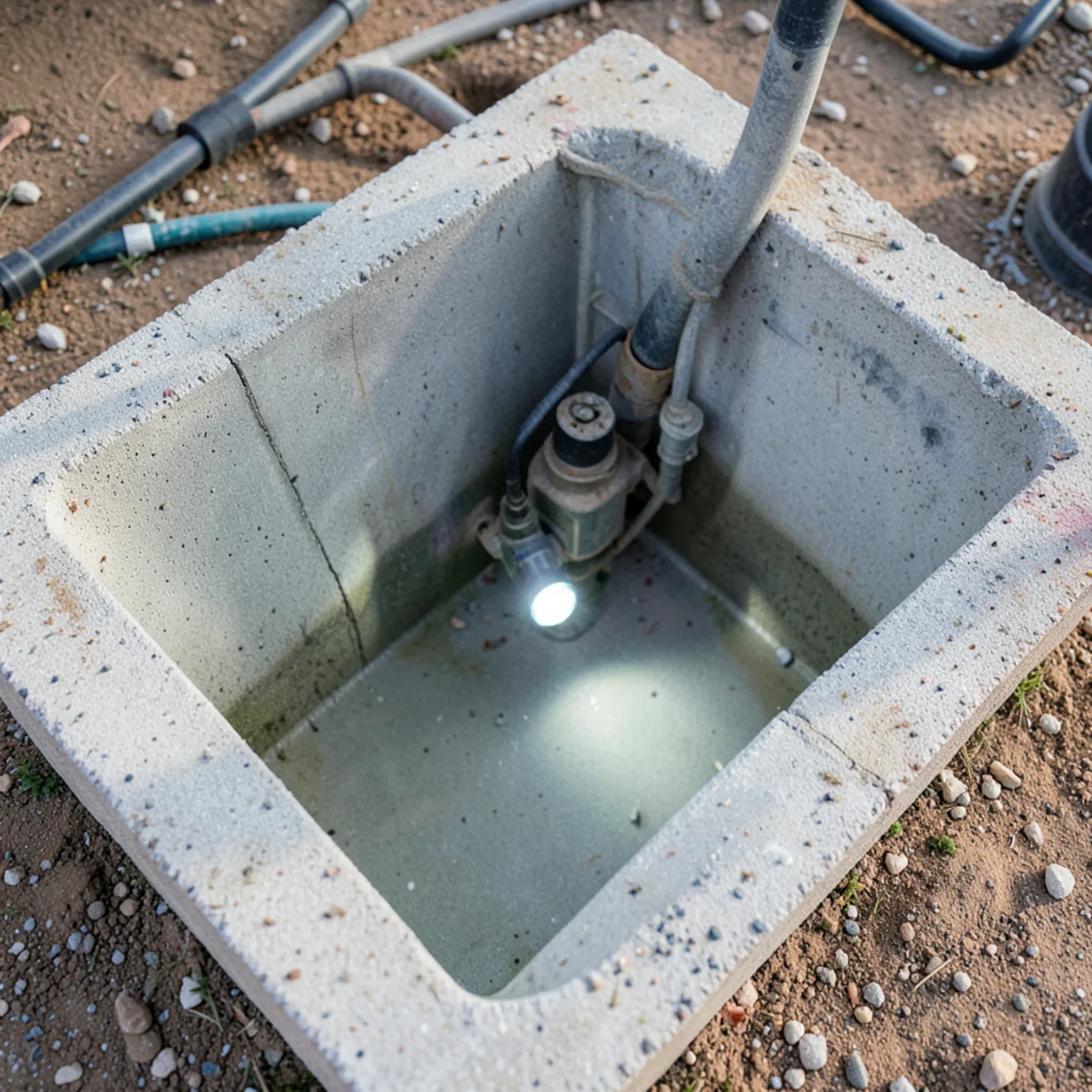
A poor pit quietly shortens the life of every pump that sits in it. Short-cycling wears out switches and motors, a crushed liner lets gravel reach the impeller, and a pit in the wrong spot lets water spread across the floor before it ever arrives. These are the signs we look for.
- The pump starts and stops every few seconds when water is coming in
- There's no room for a backup pump or the float rubs the walls
- The liner is cracked or crushed, or soil and gravel wash into the pit
- The pit is an unlined hole or a section of clay pipe in the floor
- Water appears on the floor around the basin before the pump starts
- The pit isn't at the basement's low point, so water collects elsewhere
Connecting interior drain tile
When a home has, or is getting, an interior perimeter drain, the basin becomes its collection point. The drain pipe enters through an inlet cut in the basin wall below the floor, and the gravel bed is shaped so water from the drain reaches the pit freely. Setting the basin deep enough for the drain to slope into it is part of the plan from the start.
If there's no drain tile yet, a perforated basin in a generous gravel bed collects water from the soil around and beneath it. Placing that basin where a future perimeter drain could reach it keeps the option open if seepage along the walls becomes a problem later.
What a sump basin installation costs depends on
Cutting concrete and digging are most of the job, so the price follows the slab and the soil. A standard slab over clay is routine; a thick slab, heavy rebar, rock under the floor, or a high water table that fills the hole as we dig all add time. Finished floors around the pit have to be cut back and restored. Before any cutting we check for radiant heat tubing, plumbing, or electrical runs in the slab, because hitting one is far more expensive than finding it. The basin size, lid type, and concrete patch round out the price.
Rules for cutting a new pit
Cutting a new pit and adding a pump circuit is the kind of work that's more likely to need a plumbing or electrical permit, so we confirm the requirement with your city or county building department first. The pump needs a GFCI-protected outlet near the pit, and in homes with radon mitigation, the new basin must be sealed and may be tied into the existing system.
How Our Sump Basin Installation Process Works
- 1
Find the low point
Where water actually collects, and where drain tile can reach.
- 2
Scan before cutting
Check the slab for radiant tubing, pipes, and wiring in the cut area.
- 3
Cut and dig
Saw-cut the slab, break it out, and excavate through the clay to depth.
- 4
Set the basin
Gravel bed, basin set level, inlets aligned, gravel backfill around it.
- 5
Patch the floor
Restore concrete cleanly around the basin and fit a sealed lid.
- 6
Fit and test
Install the pump and discharge, then fill the pit and run full cycles.
Sump Basin Installation: what the work looks like
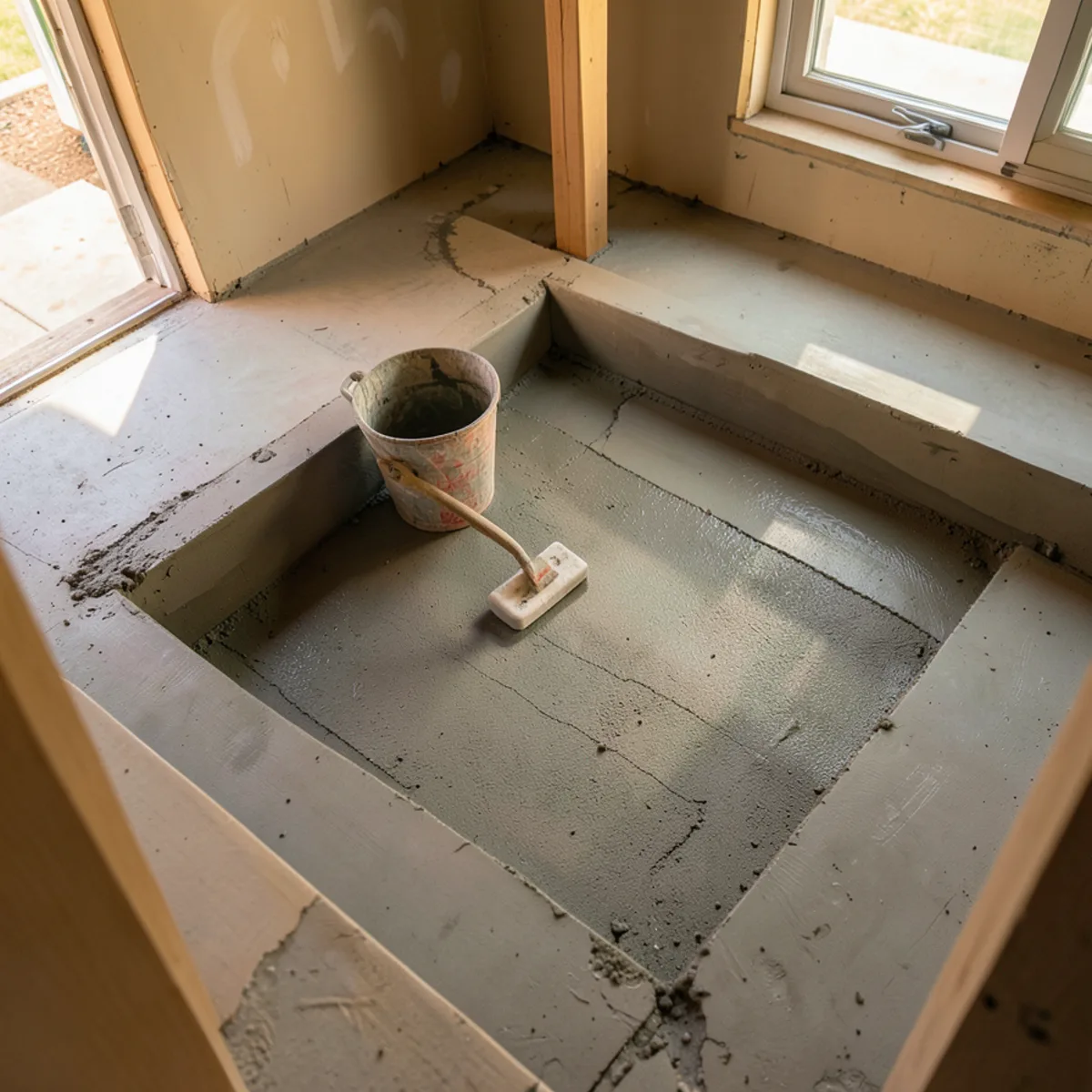
Why Homeowners Choose Us for Sump Basin Installation
We set basins as sump specialists, so the pit is planned around the pump, the backup, the drain tile, and the discharge it has to serve, not just dug where it's convenient.
We work out of Littleton at 8 W Dry Creek Cir, by appointment. You'll get an upfront estimate, a clean cut and patch, and a full test of the finished system.
- A pit sized for Littleton's clay-soil water load
- Sealed lids to control humidity, odor, and radon
- Foundation for a reliable, low-cycling pump
- Dual-pit options for high-demand basements
- Clean concrete restoration
Services That Pair With Sump Basin Installation
Guides on Sump Pump Basin & Pit Installation
Helpful Guides & Costs
Where We Provide Sump Basin Installation
See every community on the service areas page.
Sump Basin Installation FAQs
Deep and wide enough to hold a useful reserve of water so the pump doesn't short-cycle, while still triggering before water reaches the floor. The right dimensions depend on your water load and soil — we size it on-site.
A sealed lid is a good idea in Colorado. It controls basement humidity and odor and supports radon mitigation tie-ins, which many local basements need.
Yes. We locate the low point, cut and excavate, and set a new basin — then build the pump, check valve, and discharge system around it.
Yes. We cut back the flooring around the pit location, protect the rest of the room, and restore the finish edges afterward. Choosing a spot in a utility or storage area keeps the visible patch to a minimum.
It means we have to locate the tubing before cutting. We check the slab in the planned location and adjust the pit position to avoid the loops. Cutting blind into a radiant slab is a costly mistake we avoid.
Often, yes. Two pumps and two floats need room to work without tangling, and a narrow builder pit usually doesn't have it. A wider basin also gives the system more capacity during heavy runoff.
Is your pit big enough?
A small pit makes even a good pump cycle too often. We'll measure yours and tell you whether a larger basin would help.
- Existing pit measured and evaluated
- Larger basin set in gravel
- Room left for a backup pump