
Sump Pump Service
Basement Flood Prevention
A layered approach that stops water before it reaches the floor.
Basement flood prevention is about stopping water before it reaches the floor — not cleaning it up afterward. For Littleton homes, that means a layered approach: a properly sized sump system, a backup for outages, and drainage that moves water away from the foundation. Littleton Sump Pump Pros builds prevention plans for local conditions.
The cheapest flood is the one that never happens. Prevention costs a fraction of cleanup and restoration.
- Local Littleton Service
- Professional Installation
- Clear, Upfront Estimates
- Battery Backup Options
- Careful, Clean Workmanship
- Emergency Help Available
The layers of real flood prevention
No single product keeps every basement dry. Each layer covers a different failure: the primary pump handles everyday groundwater, the backup covers the outage, the discharge keeps pumped water from coming straight back, and the outside fixes keep surface water from reaching the wall in the first place. Most homes need some of these, not all of them, and the assessment decides which.
- A primary sump pump sized for your water load
- A battery or water-powered backup for power outages
- A discharge line below the frost line, terminating away from the house
- A sealed pit and, where useful, a high-water alarm
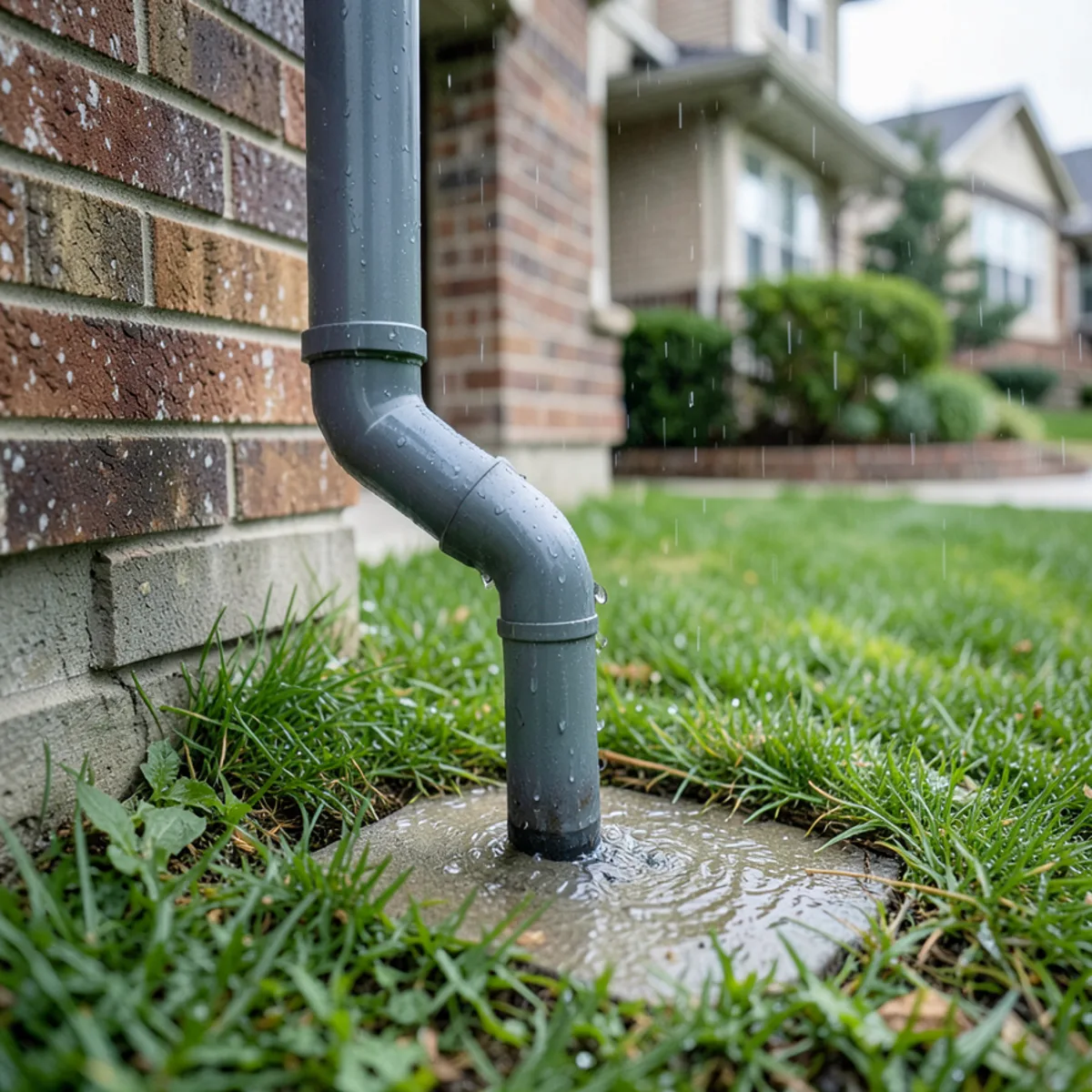
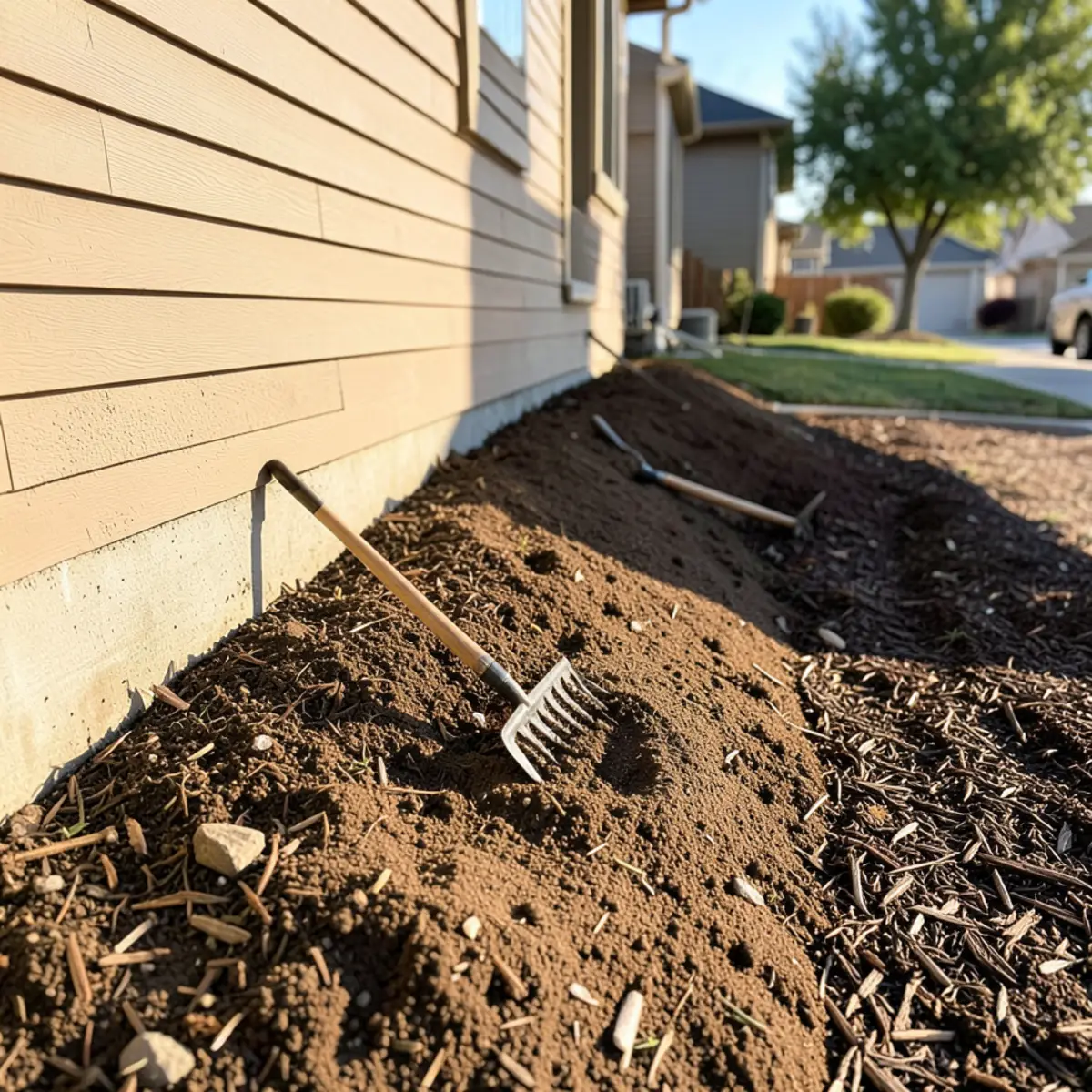
- Grading and downspout coordination so surface water drains away
- Sealing obvious entry points where water comes through the wall-floor seam
Built for Littleton's water threats
Spring snowmelt and fast summer storms saturate clay soil, which then squeezes water toward the foundation. A prevention plan accounts for all of it — the pump for groundwater, the backup for outages, and drainage for surface runoff.
We focus on the whole picture so you're not solving one leak while another is forming.
The four ways water reaches a basement
Prevention starts with knowing which path the water takes, because each one has a different fix. Groundwater rises from below and pushes through the joint where the wall meets the floor, or up through cracks in the slab; that's the sump pump's job. Surface water runs off roofs, driveways, and saturated lawns and soaks the soil against one wall, or pours in through a window well.
The other two paths don't involve the soil at all. During heavy storms, an overloaded sewer main can push water back up through the lowest floor drain. And sometimes the water is from inside the house: a water heater, washer hose, or supply line. A good assessment rules each one in or out before anything is installed.
Start outside: the inexpensive fixes
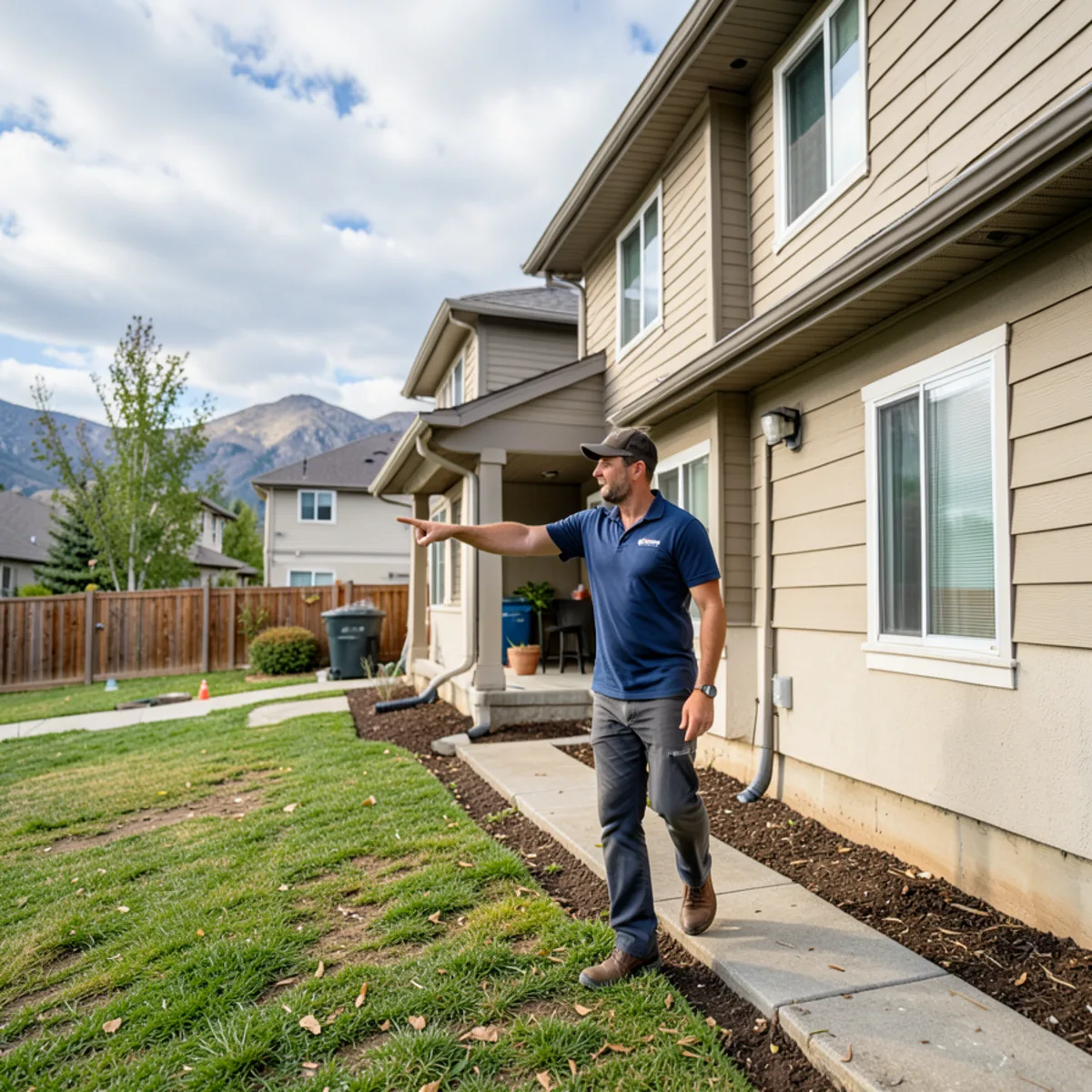
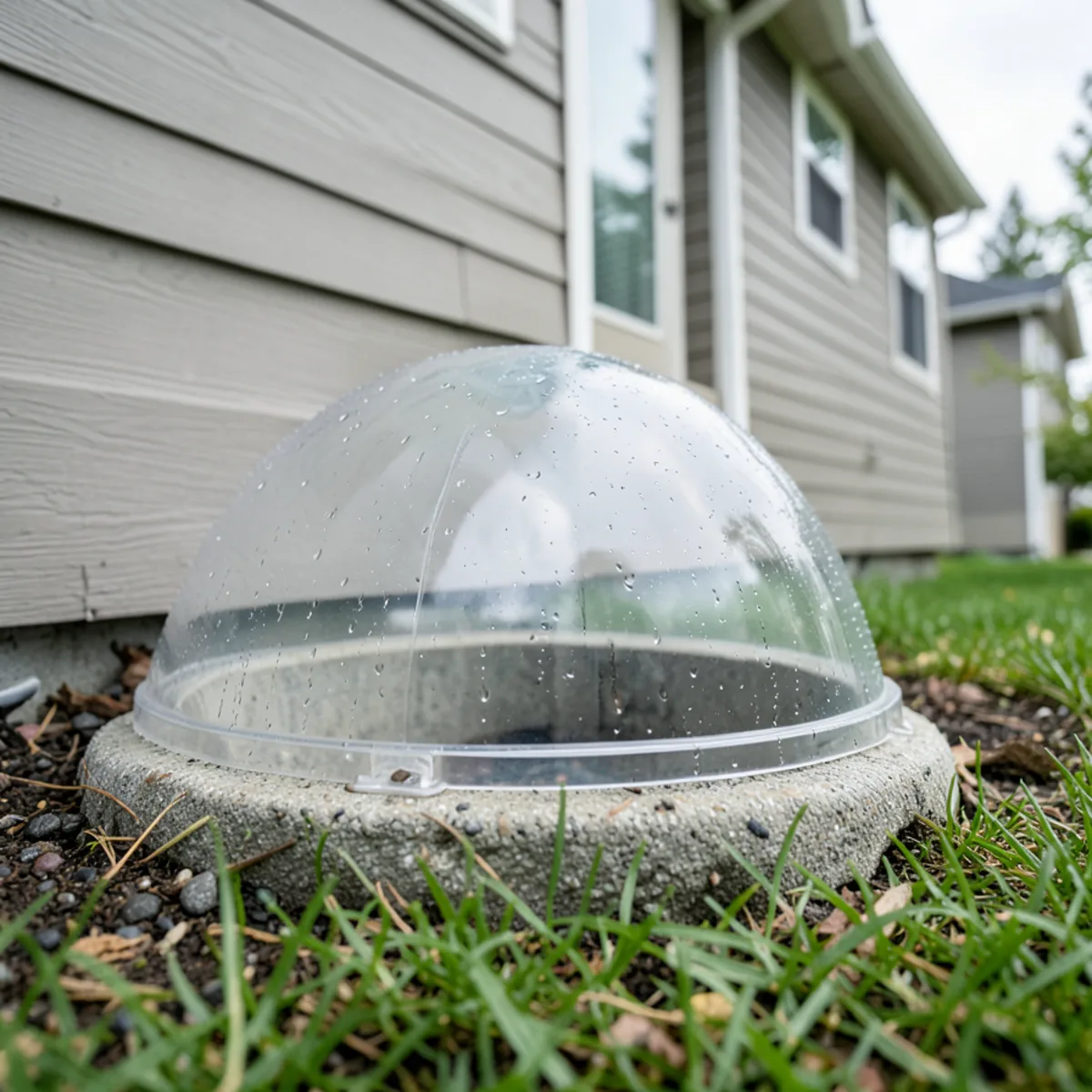
Some of the most effective prevention costs very little. Downspouts that dump at the foundation can be extended several feet out. Low spots where soil has settled against the house can be built back up so water drains away. Window wells can get a drain or a cover. We point these out during the assessment; many homeowners handle them, and the sump-side work is planned around them.
What a flood-prevention assessment covers
We start with the history: where water showed up, how much, and in what weather. Then we look at the sump system under load, the discharge outlet, the grading and downspouts, window wells, and any floor drains. The result is a short, prioritized plan, with the layer most likely to have prevented your last water problem at the top.
If your basement has never had water but you're about to finish it, the same assessment tells you what to put in place before the drywall goes up, when it's cheapest to do.
What flood prevention costs
Because prevention is layered, you pay for the layers you need. Outside fixes like downspout extensions are inexpensive. A new or upgraded primary pump, a backup system, a high-water alarm, and a discharge line trenched below the frost depth are each priced on their own. We list each recommendation with its cost so you can do the most important layer now and the rest later, and so you can compare the total against the cost of a single finished-basement cleanup.
Permits and the sewer side
A backwater valve on the main sewer line is plumbing work that typically needs a permit from your city or county building department. Sump discharges must release groundwater outside, not into the sanitary sewer. We tell you which parts of a prevention plan involve permits so there are no surprises.
How Our Basement Flood Prevention Process Works
- 1
Map past water
Where it appeared, how much, and what the weather was doing.
- 2
Test the sump system
Load-test the pump, backup, check valve, and discharge.
- 3
Walk the outside
Grading, downspouts, window wells, and where water collects.
- 4
Rank the layers
A prioritized list of fixes, each with its cost.
- 5
Install what you choose
Pump, backup, alarm, or discharge work, done in one visit where possible.
- 6
Verify
Test the system and check that water now routes away from the home.
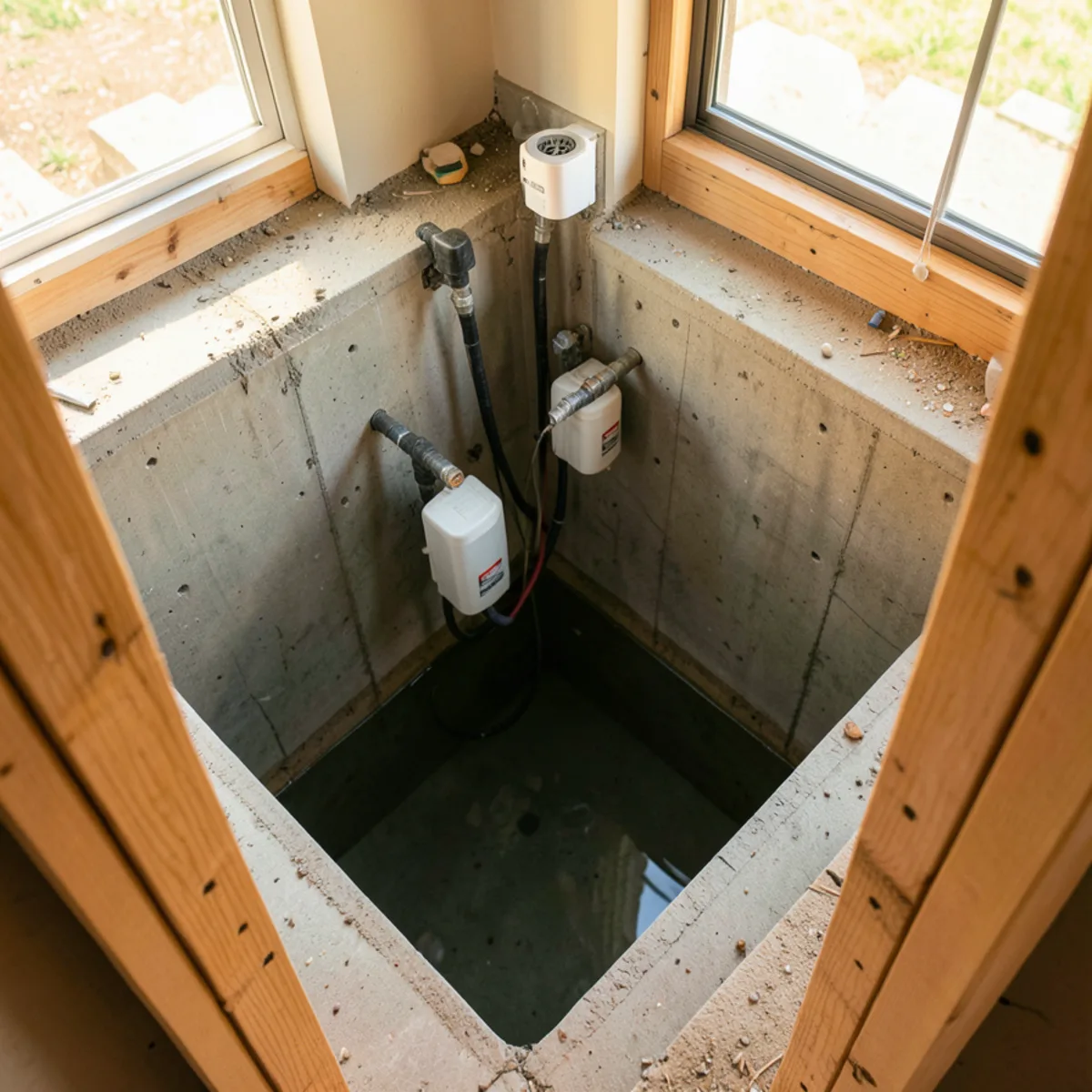
Basement Flood Prevention: what the work looks like
Why Homeowners Choose Us for Basement Flood Prevention
Because we focus on sump systems and basement water, we look at prevention the way water does: one path at a time. That keeps the plan honest — if the fix is a downspout extension rather than new equipment, that's what we'll tell you.
We're based in Littleton at 8 W Dry Creek Cir, work by appointment across the south and west Denver Metro, and price every layer separately so you control the scope.
- Stops water before it reaches the floor
- Layered protection: pump, backup, and drainage
- Built for Colorado snowmelt and clay soil
- Far cheaper than flood cleanup and restoration
- Clear, upfront estimate
Services That Pair With Basement Flood Prevention
Guides on Basement Flood Prevention
Helpful Guides & Costs
Where We Provide Basement Flood Prevention
See every community on the service areas page.
Basement Flood Prevention FAQs
Yes — it's the core of prevention. A sump pump removes groundwater before it rises to the floor. Paired with a backup and proper discharge, it's the most effective defense for most basements.
Make sure your sump pump is reliable and sized correctly, add a backup for outages, route the discharge away from the house, and keep gutters and grading moving surface water away from the foundation.
A failed or undersized sump pump during heavy runoff — often combined with a power outage and no backup. Clay soil holding water against the foundation makes it worse.
Test your sump pump with a bucket of water and check where your downspouts empty. Those two checks catch the most common causes we see in Littleton basements: a pump that doesn't start and roof water soaking the soil against one wall.
It depends on the cause and your policy. Many standard policies exclude water that backs up from a sump or drain unless you add water backup coverage, and surface flooding usually needs separate flood insurance. Check with your agent before you need to file.
A backwater valve on the main sewer line stops sewer water from flowing back into the house during a surcharge. It's separate from the sump system and typically requires a permit. We can tell you whether your home is a good candidate.
Get ahead of the next storm
Most basement flooding is preventable with a mix of yard fixes and a ready pump. We'll check both and tell you which matters most at your house.
- Gutters, downspouts, and grading reviewed
- Pump and backup tested
- Prioritized list, cheapest fixes first