
Sump Pump Service
Basement Water Removal
Get standing water out fast — then fix why it got in.
When there's standing water in the basement, the first priority is getting it out fast. Basement water removal in Littleton, CO means rapid pump-out to limit damage — and then identifying why the water got in so it doesn't happen again. Littleton Sump Pump Pros offers urgent help; call (207) 419-2600.
Every hour standing water sits, more drywall wicks, more flooring lifts, and mold risk climbs.
- Local Littleton Service
- Professional Installation
- Clear, Upfront Estimates
- Battery Backup Options
- Careful, Clean Workmanship
- Emergency Help Available
Getting the water out
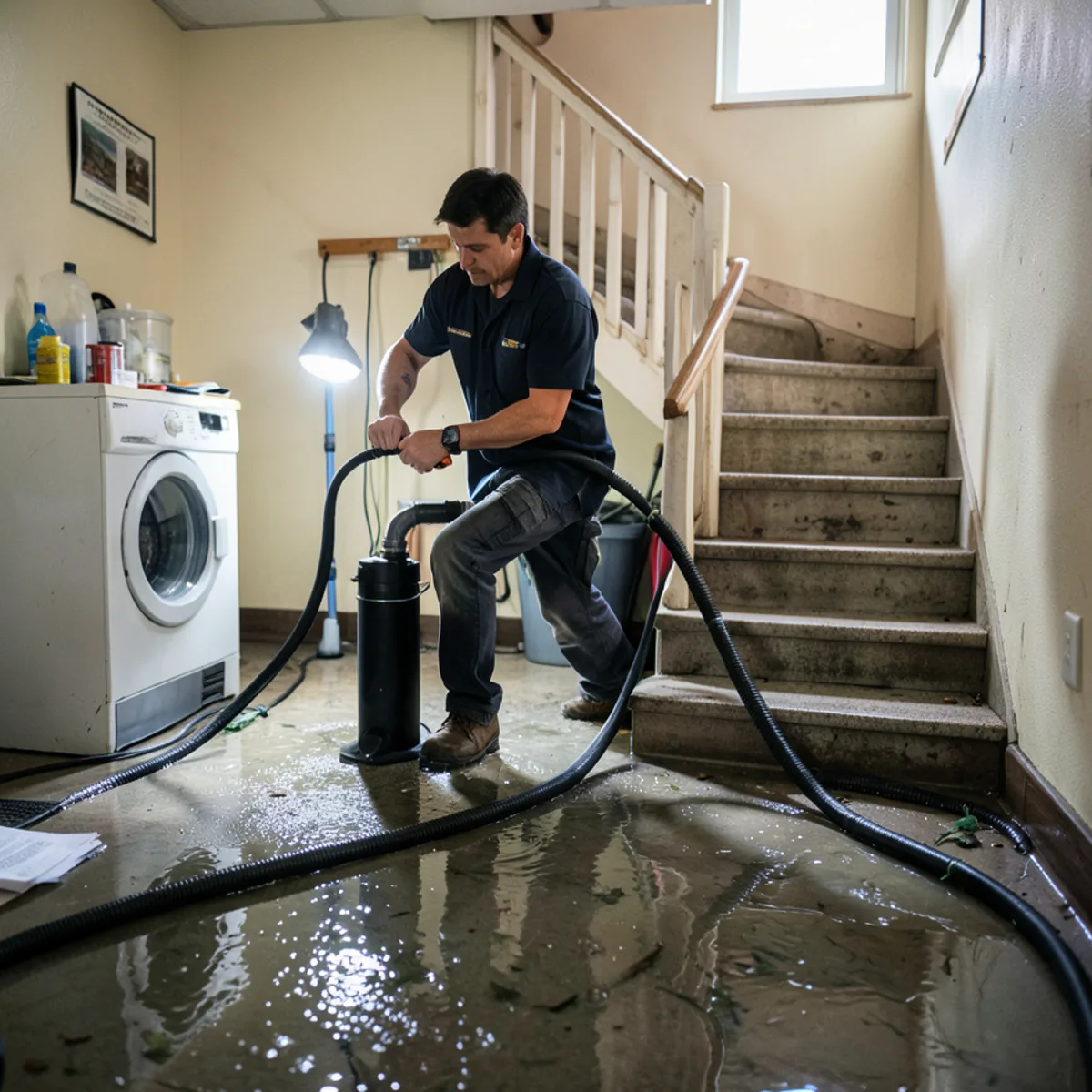
We use submersible utility pumps and the right hoses to clear standing water quickly, then help you understand the source — a failed sump pump, a frozen discharge, seepage through the wall-floor seam, or surface water finding its way in.
We pump from the lowest point, keep hoses running outside and away from the foundation, and finish with wet vacs on the last film of water that pumps can't reach. While the water drops, we're already looking for the source, because a basement that refills overnight means the removal was only half the job.
- Rapid pump-out of standing water
- Diagnosis of the water source
- Sump pump repair or replacement if that's the cause
- Guidance on drying out and next steps
- A prevention plan so the next storm doesn't repeat it
Before anyone steps into the water
Standing water around outlets, extension cords, or appliances can be energized, so nobody should wade in until power to the area is off, from a panel you can reach without crossing the water. If the furnace or water heater sat in water, don't relight or restart them; have them checked first. Watch for floating debris and slippery stairs, and keep children and pets upstairs.
Clean water, gray water, or sewage: why it matters
Not all basement water is the same, and the type decides how it's handled. Groundwater from an overflowing sump pit or seepage is usually clean when it first arrives. Water from a washing machine or a dishwasher line is gray water and carries more contamination. Water that came up through a floor drain or a basement toilet during a storm may be sewage, and it needs protective equipment and stricter cleanup.
The longer any water sits, the worse it gets, which is another reason to move fast. Clean water left for a day or two in a warm basement can start growing bacteria and mold, and porous materials it touched may no longer be salvageable.
After the water is gone
Removal is step one. The lasting fix is preventing the next event — a reliable pump, a backup, and discharge that actually carries water away from the house. We'll lay out exactly what your basement needs.
When the sump system caused the water, the fix usually falls into one of three places: the pump itself (age, float, or check valve), power (no backup during an outage), or the discharge (frozen, clogged, or releasing too close to the house). When the system did its job and water still came in, the answer is drainage or an entry point, and we'll show you which.
Drying out: the first 48 hours
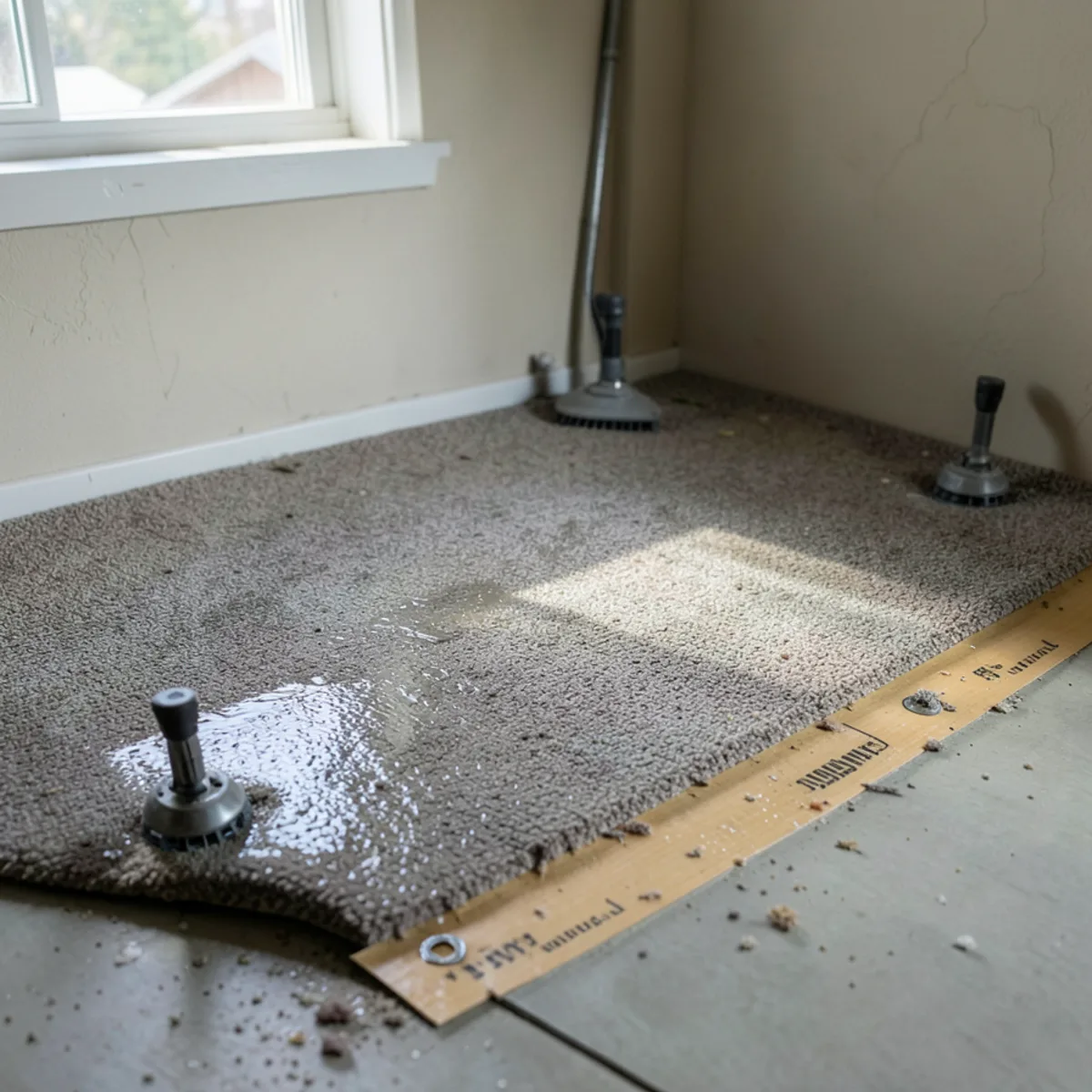
Once the water is out, drying decides how much has to be replaced. Wet carpet pad almost always comes out; carpet can sometimes be saved if it's dried quickly from clean water. Drywall wicks water upward, so the wet section is usually cut away a little above the water line to let the wall cavity dry. Fans and a dehumidifier running continuously, with the basement closed off from humid outdoor air, do most of the work.
We're sump and basement-water specialists, not a restoration company. For large losses, sewage, or finished basements with water in the walls, a water-damage restoration contractor with drying equipment and moisture monitoring is the right call, and we'll tell you when you've reached that point.
When to worry about mold
The EPA's guidance is to dry wet building materials within 24 to 48 hours to prevent mold growth. Past that window, or if you see spotting or smell a strong musty odor behind baseboards, assume mold may be present in hidden areas. Small areas on hard surfaces can be cleaned; larger growth or anything inside walls is a job for a mold remediation professional.
Record the damage before cleanup
Photograph the water level on walls and stored items, the source if you can see it, and every damaged material before it's thrown away. Keep the failed pump if one was involved. If your policy includes water backup coverage, those records are what the adjuster will ask for.
What basement water removal costs depends on
The amount of water and how easy it is to reach are the main factors. A few inches across an open, unfinished floor is quick; deep water in a finished basement full of furniture takes longer and more equipment. Debris in the water, long hose runs to a safe release point, and after-hours timing add cost. Fixing the cause — a pump, a frozen discharge, an entry point — is priced separately once we know what it is.
Where pumped water is allowed to go
Clean groundwater pumped out of a basement goes outside, on your property and away from the foundation. Water that may contain sewage must not be pumped onto lawns, into the street, or into storm drains; it's handled as contaminated cleanup and goes to the sanitary sewer or is removed by a restoration contractor.
How Our Basement Water Removal Process Works
- 1
Make the area safe
Power isolated, appliances checked, and a safe path to the low point.
- 2
Identify the water
Clean groundwater, gray water, or possible sewage, which sets how it's handled.
- 3
Pump it out
Submersible utility pumps from the low point, hoses run well away from the house.
- 4
Finish with wet vacs
Remove the last thin layer of water that pumps can't reach.
- 5
Find and fix the source
Pump failure, frozen discharge, seepage, or plumbing, repaired or scheduled.
- 6
Plan the drying
What to remove, how to dry, and when to bring in a restoration contractor.
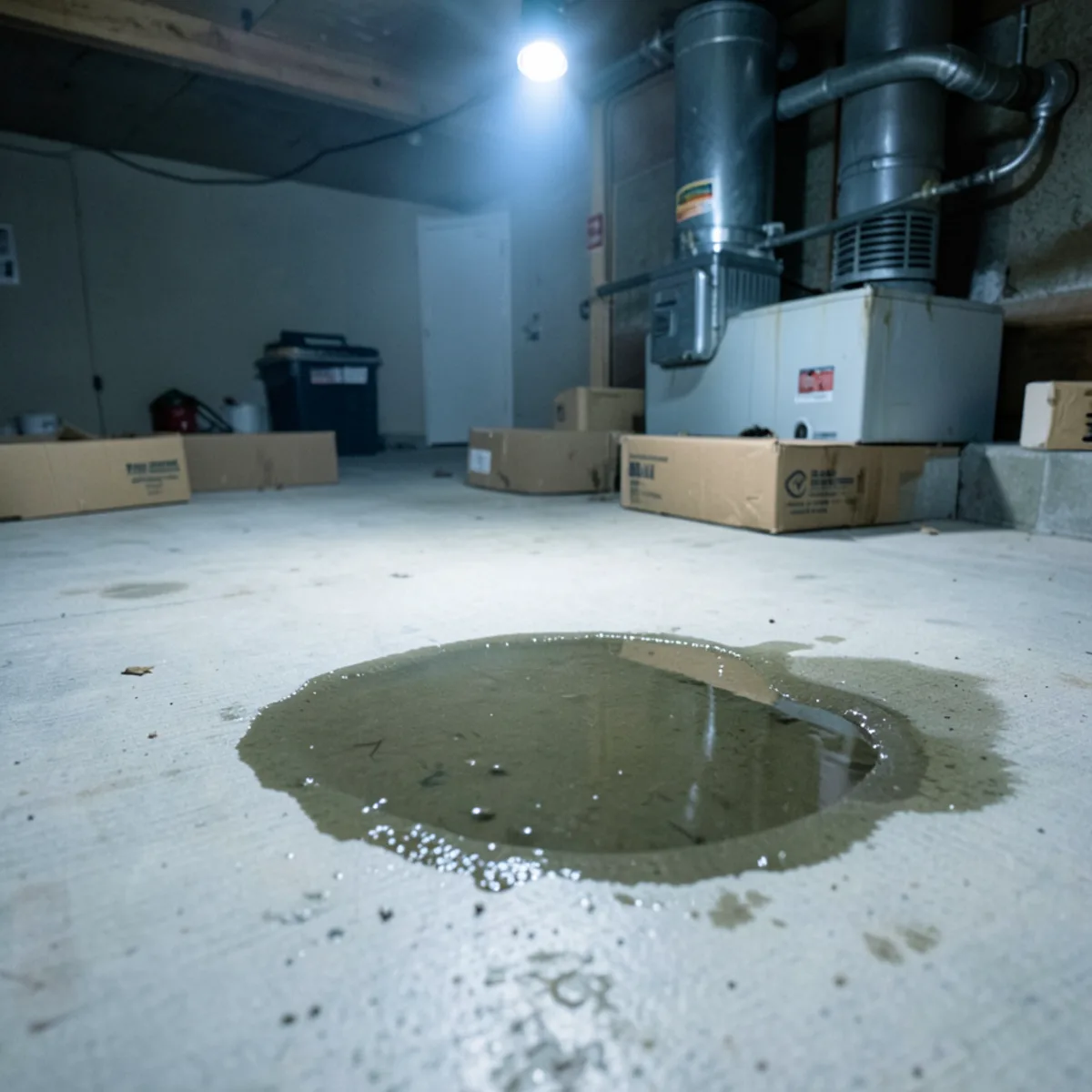
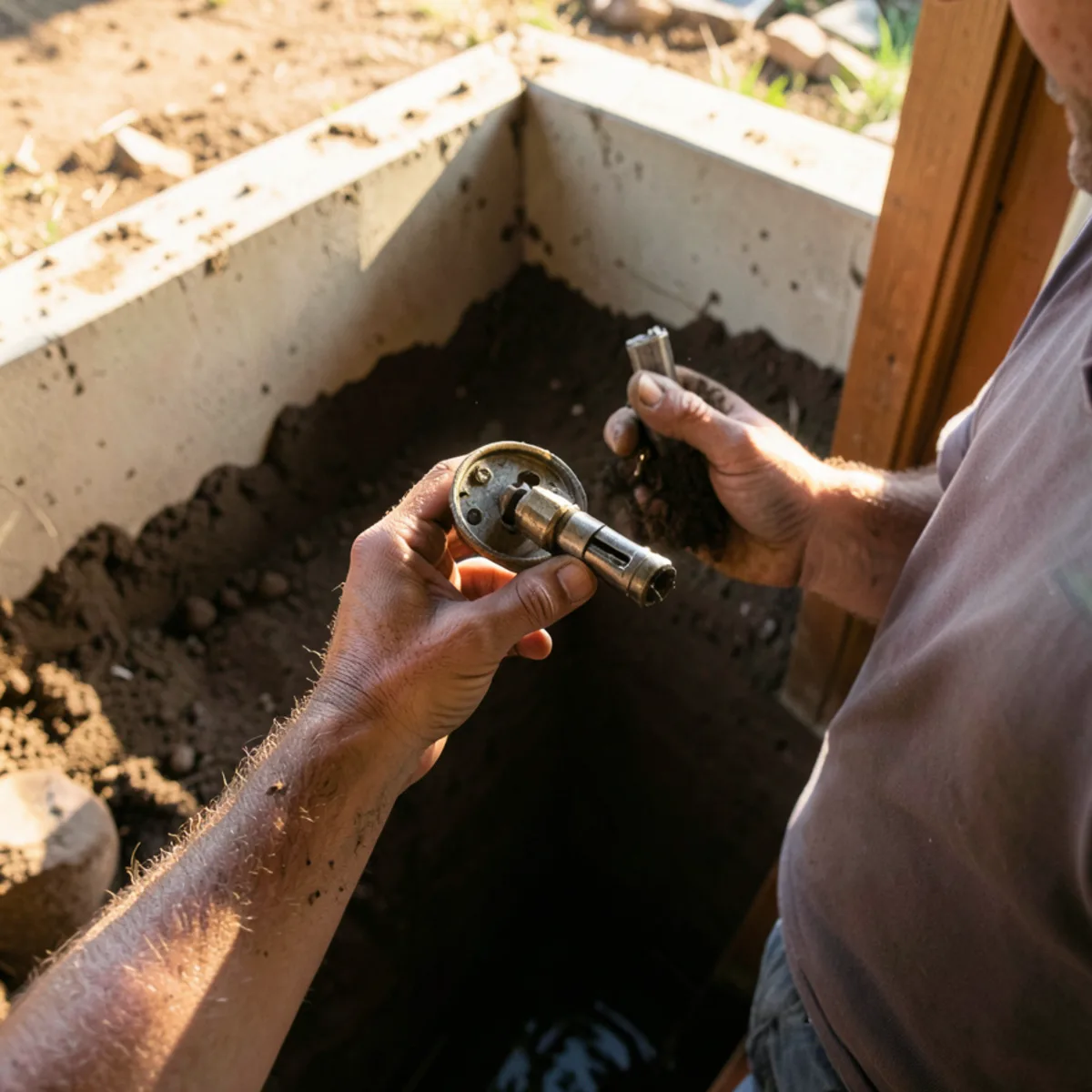
Basement Water Removal: what the work looks like
Why Homeowners Choose Us for Basement Water Removal
Most basement water we pump out traces back to a sump system, which is exactly what we specialize in. That means the removal and the fix come from the same visit, instead of one company drying the room and another guessing at why it flooded.
We're based in Littleton at 8 W Dry Creek Cir. Emergency sump pump help is available, and we're straightforward about when a restoration contractor should take over the drying.
- Fast pump-out to limit damage
- Source diagnosis, not just cleanup
- Repair or replacement of a failed pump
- A prevention plan to stop the next flood
- Urgent local help available
Services That Pair With Basement Water Removal
Guides on Basement Water Removal
Helpful Guides & Costs
Where We Provide Basement Water Removal
See every community on the service areas page.
Basement Water Removal FAQs
For the water itself and the plumbing cause — a failed pump, frozen discharge, or seepage — call (207) 419-2600. For large losses you may also involve your insurer and a restoration company for drying and rebuild.
With the right utility pumps, standing water comes out quickly. The bigger job is usually finding and fixing the cause so it doesn't refill.
Stay out of standing water near electrical outlets, move valuables to higher ground, and if it's safe, start removing water with a wet/dry vac. Then leave the source diagnosis to us.
Not always. Clean groundwater from a sump overflow is low risk at first, but water that came up through a floor drain or toilet may contain sewage. Treat any water of unknown source as contaminated: wear boots and gloves, and keep children and pets away.
We remove the water, fix the cause, and give you a clear drying plan. For large losses, sewage, or water inside finished walls, we recommend a water-damage restoration contractor with commercial drying and moisture-monitoring equipment.
With wet materials removed and fans and a dehumidifier running, a lightly flooded unfinished basement often dries in a few days. Finished basements with wet drywall, carpet, or framing take longer, and moisture readings, not appearance, should decide when it's dry enough to rebuild.
Water on the floor now?
We'll get the water out, help you protect what it touched, and find out why the pump didn't keep up so it doesn't repeat.
- Water pumped out quickly
- Cause traced at the pit
- Repair or replacement on the same visit when possible