
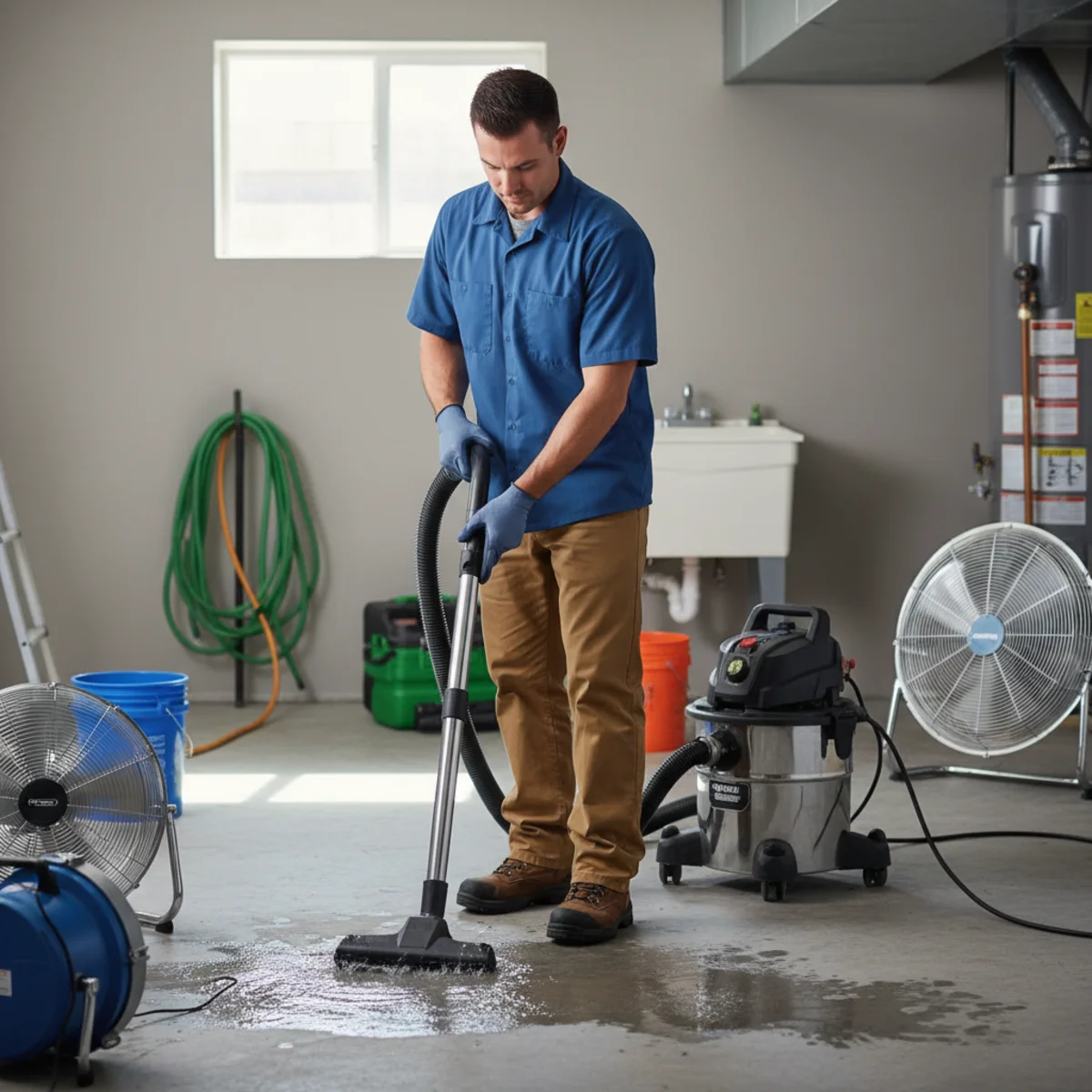
Does Homeowners Insurance Cover Sump Pump Failure?
Quick answer
Usually not under a standard homeowners policy. Most exclude water that backs up from a drain or overflows from a sump pump unless you've added a water backup and sump discharge endorsement. Flood insurance rarely fills the gap. Check your policy's endorsements and limits before you need to file a claim.
A sump pump fails, the basement takes on water, and the first call after the cleanup is often to the insurance company. That is when many homeowners find out their standard policy does not cover it.
We are not insurance agents, and every policy is different. But after many basement floods we know the questions worth asking before you need to file a claim.
- Local Littleton Service
- Professional Installation
- Clear, Upfront Estimates
- Battery Backup Options
- Careful, Clean Workmanship
- Emergency Help Available
Standard Policies Often Exclude It
Many standard homeowners policies exclude damage from water that backs up through drains or overflows from a sump pump. The pump failing is treated differently from a sudden pipe burst inside a wall.
Flood insurance usually does not fill the gap either. It typically covers surface flooding from outside, not a sump that overflowed from groundwater.
The Water Backup Endorsement
Most insurers offer an add-on, usually called water backup and sump discharge or overflow coverage. It is often inexpensive relative to the cost of a finished-basement cleanup.
Coverage limits vary a lot. A low limit may not cover drywall, flooring, and contents in a finished basement, so ask what the limit is and whether you can raise it.
What Water Backup Coverage Typically Pays For
When the endorsement applies, it generally covers the damage the water causes rather than the equipment that failed. That usually means drywall, flooring, carpet and pad, baseboards, and personal property stored in the basement, along with the cost of removing water and drying the space.
What it typically doesn't cover is the pump itself, routine wear, or damage that built up slowly over months. A pump that quietly failed and let water seep in for weeks may be treated differently from one that stopped during a storm. Policies vary, so read the wording or ask your agent for examples.
- Usually covered: water removal, drying, damaged finishes, and stored belongings
- Often not covered: the failed pump, worn parts, and gradual long-term seepage
- Watch for: a separate deductible and a limit that may be far below your finished-basement value
Gray Areas That Cause Claim Disputes
A few situations come up again and again when sump-related claims are reviewed. The first is timing: damage from a sudden failure during a storm is treated very differently from slow seepage that was ignored for months. The second is maintenance. If the pump was clearly worn out or the pit was packed with silt, an insurer may question whether the failure was preventable.
The third is the water's source. Water that came up through a floor drain from the city sewer and water that overflowed the sump pit are different causes, though many water backup endorsements cover both. Surface water flowing in from outside, such as through a window well during a downpour, may fall under flood rules instead. When you call your agent, describe exactly where the water came in.
Questions to Ask Your Agent
- Does my policy cover water backup or sump pump overflow?
- What is the limit, and is it enough for my finished basement?
- Is there a separate deductible for water backup claims?
- Does coverage change if the pump failed from age versus a power outage?
- Do I get a discount for a battery backup or water alarm?
If You Need to File a Claim
Act quickly but document before you clean. Adjusters work from evidence, and the first hours after a failure are when it's easiest to capture.
- Stop the water and make the area safe before anything else
- Photograph the water line, the damage, and the failed pump in place
- Keep the pump and any damaged parts until the adjuster says otherwise
- Start drying right away to limit further damage, and keep receipts
- Call your agent or insurer as soon as you can and note the claim number
- Ask for the cause of failure in writing if a contractor diagnoses it
Maintenance Records Can Matter
Insurers may look at whether a failure was sudden or the result of neglect. Keep receipts for a new pump, notes from annual service, and photos of the system.
Dated records of maintenance are useful whatever your policy says, because they also tell you when the pump and backup battery are due for replacement.
Reducing the Risk in the First Place
The cheapest claim is the one you never file. Most sump-related floods we see come from three things: an old pump that quit, a power outage during a storm, or a frozen or clogged discharge line.
A primary pump in good condition, a battery backup, a high-water alarm, and a discharge line below the frost line cover all three.
Photos help too. A dated picture of a new pump, backup, or alarm, kept with your receipts, shows the system was maintained if you ever need to file a claim.
Coverage vs. Prevention: Where the Money Goes
Adding water backup coverage is usually inexpensive compared with the cost of drying and rebuilding a finished basement, so it's worth pricing even if you've never had a problem. But coverage has limits and deductibles, and it doesn't stop the disruption of a flooded lower level.
Prevention works on the same problem from the other side. A battery backup, a high-water alarm, and an annual pump test cost a fraction of a cleanup and reduce the chance you'll ever need to use the coverage. Most homeowners with finished basements end up doing both.
From the field
What We See After Sump Pump Floods
When we're called after a basement flood, the pump is rarely the whole story. The most common pattern is an older pump that would have kept up on its own, a power outage during a storm, and no backup. The second is a discharge line that froze or ended too close to the house, so the pump was working but recycling its own water.
Both are fixable before they cause a claim. If you're reviewing your policy anyway, it's a good moment to test the pump, check the backup battery's age, and walk outside to see where the discharge actually ends.

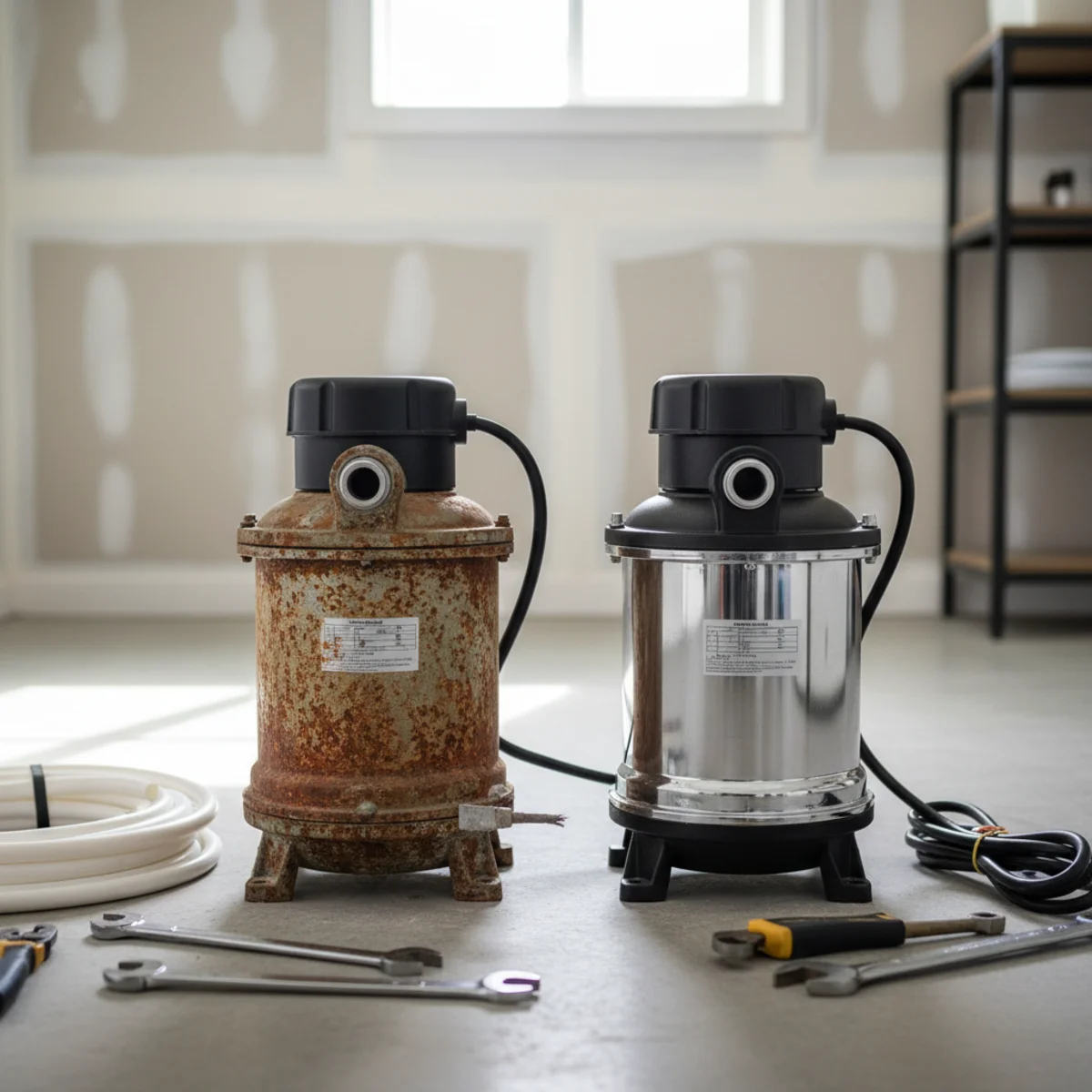

The Short Version
Don't assume your homeowners policy covers sump pump overflow. Ask specifically about water backup and sump discharge coverage, its limit, and its deductible. Then reduce the odds of needing it: keep the pump in good shape, add a backup, and make sure the discharge carries water well away from the house. Coverage pays for the damage; prevention keeps the basement usable.
Questions about your own system? Call (207) 419-2600 and talk it through with a local sump specialist.
Related services
Local help nearby
Does Homeowners Insurance Cover Sump Pump Failure: Common Questions
Only if your policy includes water backup or sump overflow coverage. Many standard policies exclude it, so check with your agent and consider adding the endorsement.
Usually not. Flood insurance typically covers surface water from outside the home, while sump overflow is groundwater backing up inside. Water backup coverage is the usual fix.
Power outages during storms, stuck or worn float switches, aging motors, and frozen or clogged discharge lines are the most common causes we see.
It depends on the pump type, whether the basin and discharge need work, and whether you add a backup. See our replacement cost guide, or call for an on-site estimate.
Usually not. The endorsement generally covers damage the water causes, such as finishes and belongings, rather than the failed equipment. Check your policy wording, since some insurers handle it differently.
Keep reading
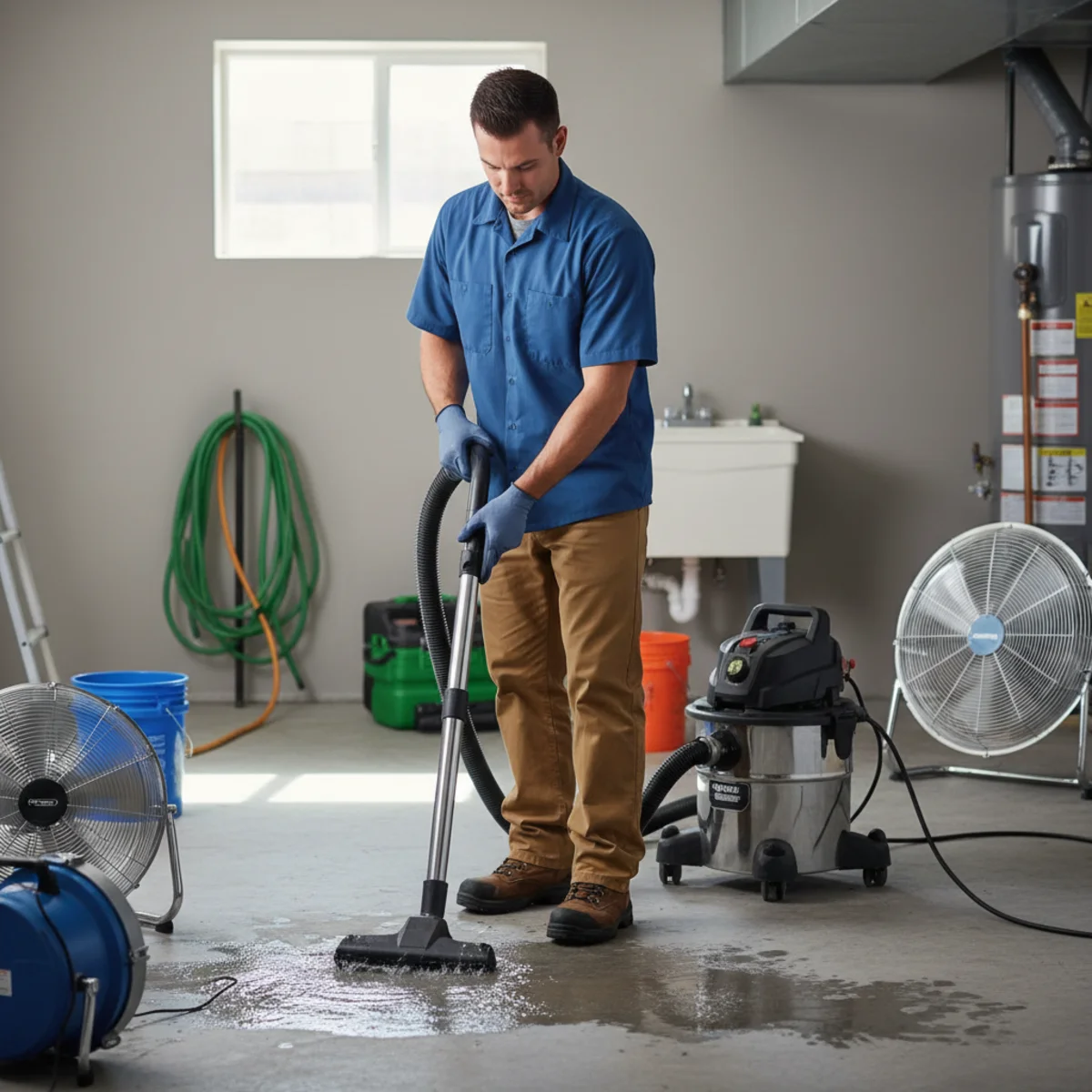 Basement Flood Prevention
Basement Flood Cleanup After Sump Pump Failure
When a sump pump fails and the basement floods, the first hours matter. Here is a safe, practical cleanup sequence for Littleton homeowners, and how to stop it happening again.
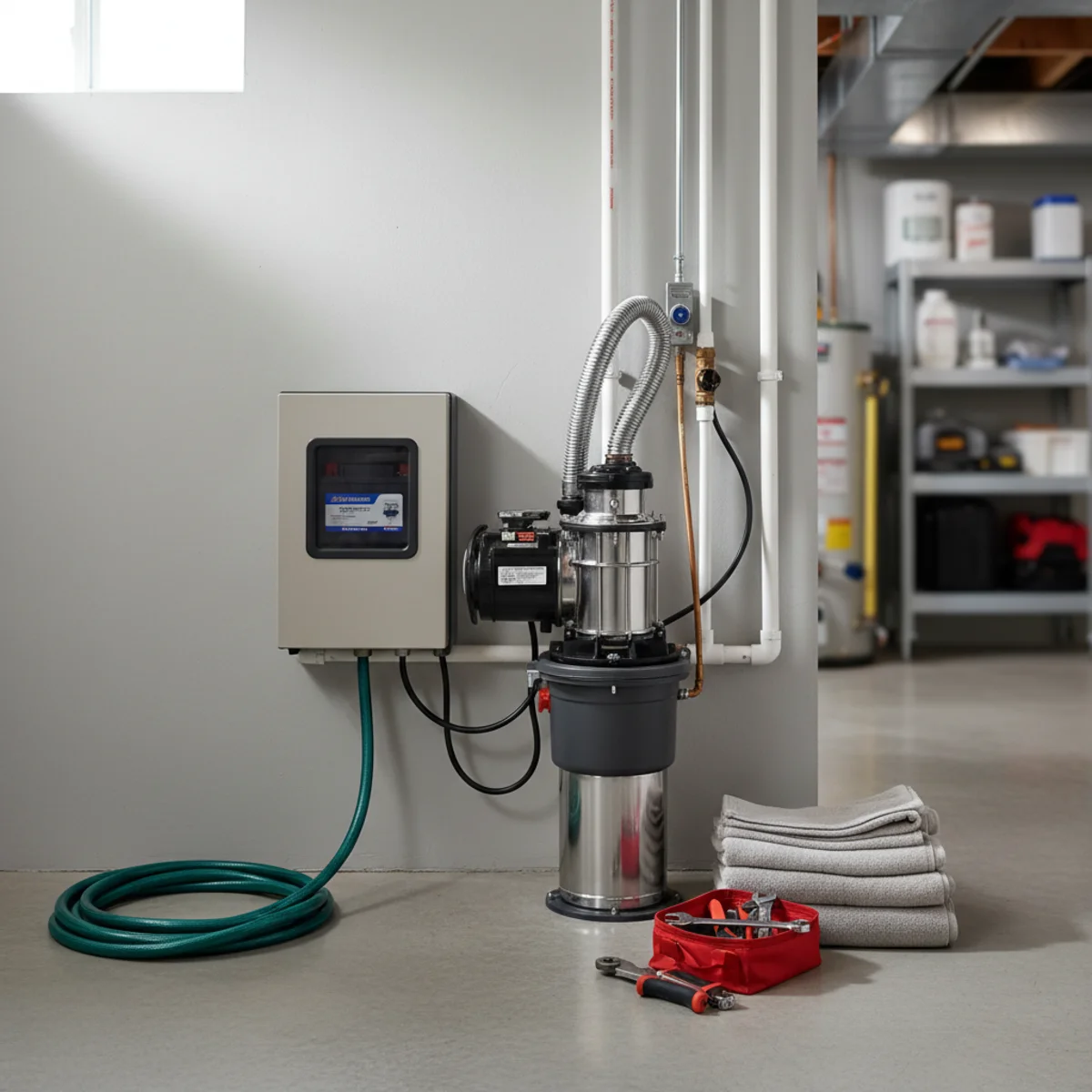 Backup Pump Systems
Is a Battery Backup Sump Pump Worth It?
Storms knock out power right when your sump pump matters most. Here is when a battery backup sump pump is worth it for a Littleton basement, and when it is essential.
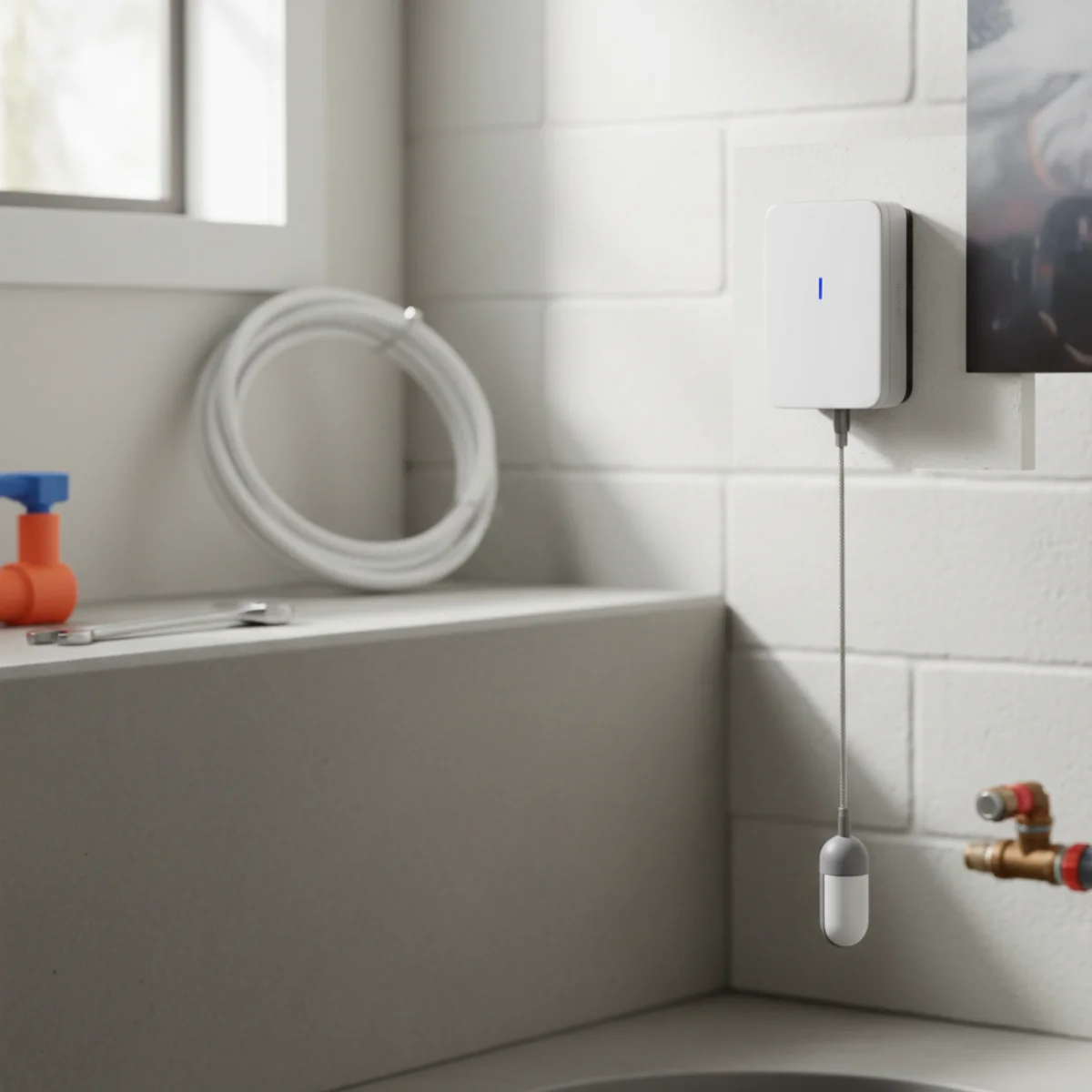 Backup Pump Systems
Sump Pump Alarms: What They Do and Why They Matter
A sump pump alarm is the cheapest insurance in your basement. It warns you the moment water rises too high — before a quiet pump failure becomes a flooded floor.
Get Local Help: Costs & Replacement
Get professional sump pump help from a local Littleton specialist. Clear, upfront estimates and careful, clean workmanship.
Available by appointment. Emergency sump pump help available.