Sump Pump Alarms: What They Do and Why They Matter
Your sump pump works in the dark, in a corner of the basement, where nobody's watching. So when it fails, you usually don't find out until water's already on the floor. By then the damage is done.
A sump pump alarm fixes that blind spot. It watches the water level for you and sounds off the moment the water climbs higher than it should. That early warning is often the difference between a quick fix and a full basement cleanup.
For what it costs, an alarm is the best protection per dollar in the whole system. Here's how they work, the types available, and why every pit should have one.
- Local Littleton Service
- Professional Installation
- Clear, Upfront Estimates
- Battery Backup Options
- Careful, Clean Workmanship
- Emergency Help Available
What a Sump Pump Alarm Actually Does
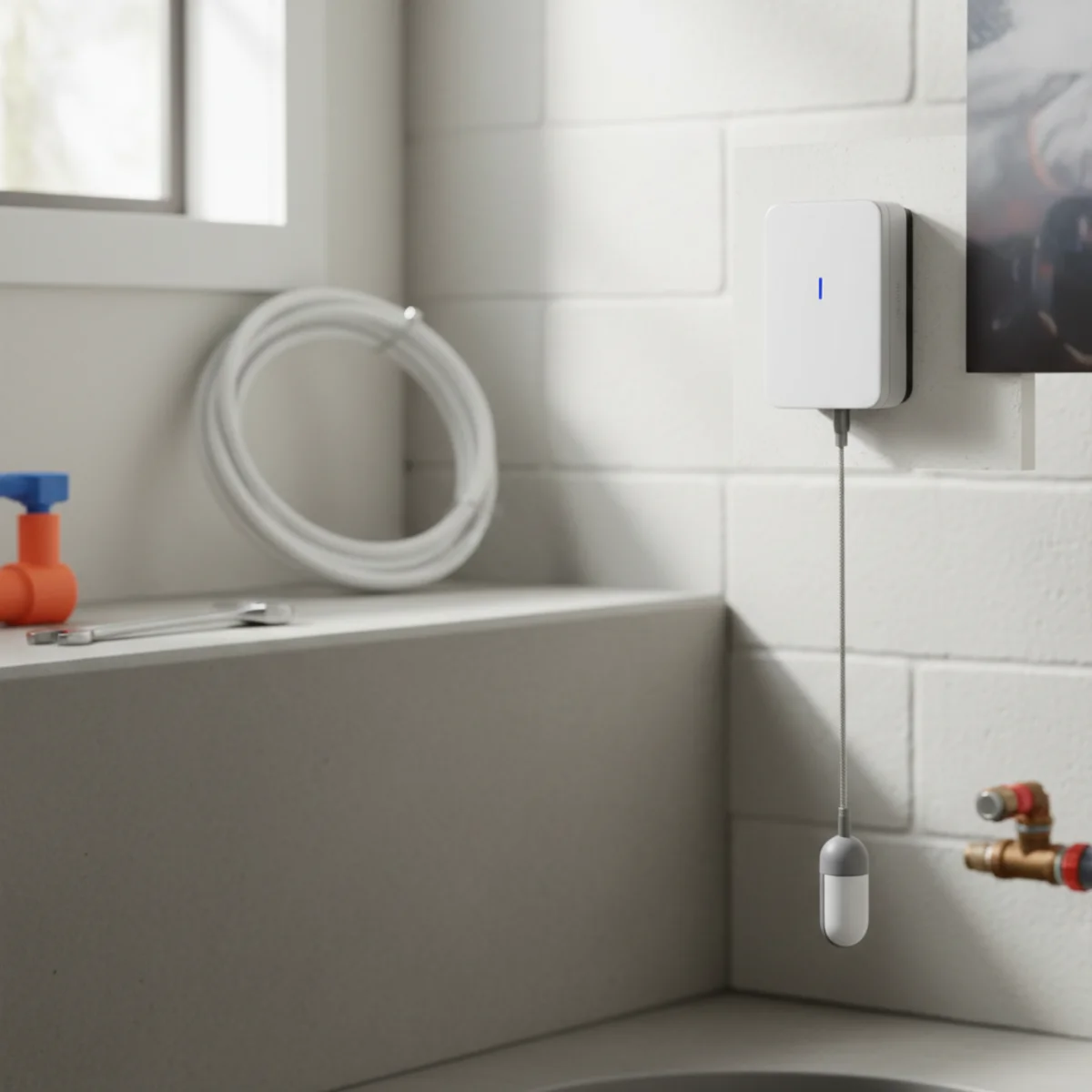
An alarm is simple. A sensor or float sits in the pit, set above the level where your pump normally switches on. As long as the pump is keeping up, the water never reaches that height and the alarm stays quiet.
If the water climbs past that point, something's wrong — the pump failed, the float stuck, the breaker tripped, or the discharge line is blocked or frozen. The alarm trips and sounds before the water reaches your slab.
Notice how many different failures one alarm catches. It doesn't care why the water is rising — a dead motor, a jammed float, a tripped breaker, a frozen winter discharge line, or simply more groundwater than the pump can move all trip the same warning. That's what makes it such efficient protection.
That's the whole value. It doesn't pump water. It tells you the pump isn't, while you still have time to do something about it. In a wet Littleton spring, that warning can come hours before the floor would have flooded.
Types of Sump Pump Alarms
Alarms range from a basic battery-powered buzzer to a smart unit that texts your phone. The right one depends on how you use the space and how much warning you want.
One detail that's easy to miss: an alarm that plugs into the wall is useless during the power outage that takes out your pump. If your alarm runs on house power and the storm knocks the power out, the pump and the alarm go down together. That's why a battery-backed or self-powered alarm is the baseline we recommend, not the upgrade.
Here's how the main types compare so you can match one to your situation.
- Basic local alarm — a sensor and a loud buzzer in the basement; cheap and effective if someone's home to hear it
- Battery-powered alarm — keeps working during a power outage, when failures are most likely; a must if your alarm runs on house power
- Smart Wi-Fi alarm — sends an alert to your phone, so you know even when you're away or asleep upstairs
- Combination units — pair a high-water alarm with monitoring of the pump itself and the backup battery
- Built-in backup alarms — many battery backup pumps include an alarm that also warns when the battery is low
An Alarm Works Best With a Backup
An alarm tells you there's a problem. A backup pump fixes it without you. Together they're a complete safety net, and that's how we like to set up a pit that matters. One is a smoke detector; the other is the fire extinguisher. You want both, not one or the other.
Picture a storm power outage during spring melt — common along the Front Range. The main pump is dead because there's no power. A battery backup sump pump keeps pumping on its own, and a battery-powered alarm warns you that the main pump is down and you're running on backup. You get protection now and a heads-up to deal with it before the battery runs low.
That early warning on the backup matters more than people realize. A backup battery only lasts so long, and if you don't know it's been carrying the load since you left for work, it can run flat before you get home. The alarm turns a silent countdown into a problem you can actually get ahead of.
Without the backup, the alarm just tells you the basement is about to flood and you can't stop it from across town. The alarm is the warning; the backup is the action. For a finished basement or a home you leave for stretches, run both.
Why a Smart Alarm Is Worth It
A local buzzer only helps if someone's home to hear it. Plenty of failures happen at the worst times — overnight, mid-vacation, or in a finished basement nobody's been in for days. A loud alarm in an empty house protects nothing.
A smart sump pump alarm sends the alert to your phone. You get the warning whether you're upstairs asleep or two states away, and you can call a neighbor or call us before the water rises. Some units also log how often the pump runs, which is an early hint that the pump is wearing out or seeing more water than usual.
That run-history feature quietly doubles as maintenance. If you can see the pump suddenly cycling far more than it did last month, that's a clue worth acting on before storm season — a stuck float, a failing check valve, or rising groundwater. The alarm stops being just a flood warning and becomes a window into how the whole system is doing.
If you travel, rent the place out, or have a finished basement full of things you'd hate to lose, the smart option pays for itself the first time it catches a failure you'd otherwise have slept through.
Test the Alarm With the Pump
An alarm you never test is a guess. Check it on the same schedule you test the pump — at minimum before storm season and before the spring melt.
Testing is easy: pour water into the pit until the level rises, confirm the pump kicks on, and keep going (or lift the alarm float) until the alarm sounds. For battery-powered and smart units, confirm the battery is good and the phone alert actually arrives. A dead battery means a silent alarm when you need it most.
While you're testing, glance at where the alarm float or sensor sits. It should be set above the pump's on level but low enough to warn you well before water reaches the floor. If it's mounted too high, the alarm only sounds once water is already near the slab, which defeats the early-warning purpose. A quick check now beats finding out during a storm.
If your pit doesn't have an alarm yet, it's a quick add and one of the smartest upgrades you can make. Want help choosing or installing one? Call (207) 419-2600 — emergency sump pump help is available too if your pump has already quit.
Frequently Asked Questions
Keep Reading
 Backup Pump Systems
Is a Battery Backup Sump Pump Worth It?
Storms knock out power right when your sump pump matters most. Here is when a battery backup sump pump is worth it for a Littleton basement, and when it is essential.
 Maintenance & Troubleshooting
How to Test Your Sump Pump Before a Storm
The time to find out your pump is dead is not during the storm. Here's a five-minute test you can run yourself before the rain hits.
 Backup Pump Systems
Complete Guide to Sump Pumps with Battery Backup
A primary sump pump is useless when the power goes out, and storms cause both. Here's a complete guide to sump pumps with battery backup for Front Range homes.
Protect Your Basement Before the Next Storm
Get professional sump pump help from a local Littleton specialist. Clear, upfront estimates and careful, clean workmanship.
Available by appointment. Emergency sump pump help available.