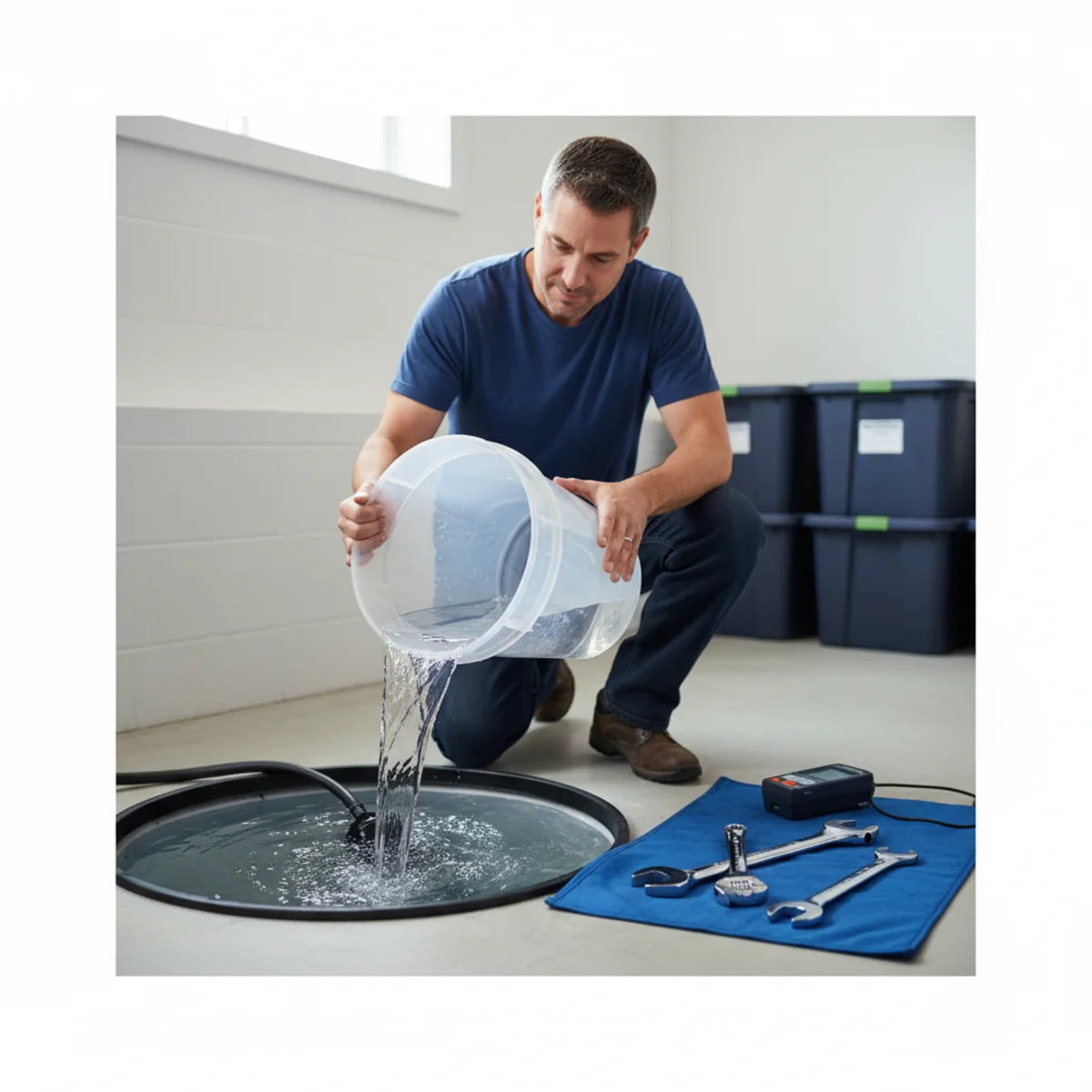
How to Test Your Sump Pump Before a Storm
The forecast says heavy rain or a fast spring melt is coming. Your basement's only defense is a pump sitting in a pit, and you have no idea if it still works.
Most people never test their sump pump. They just hope. Then a storm rolls through, the power flickers or the pit fills fast, and they learn the hard way that the pump quit months ago.
Testing takes about five minutes. You don't need tools or experience. This guide walks you through it step by step so you know your pump will run when the water rises, not after the basement is already wet.
- Local Littleton Service
- Professional Installation
- Clear, Upfront Estimates
- Battery Backup Options
- Careful, Clean Workmanship
- Emergency Help Available
Why Test Before Every Storm Season
A sump pump can sit untouched for months between heavy weather. In that time the float can stick, debris can settle in the pit, the check valve can fail, or the motor can quietly die. None of it shows until the pump is asked to work.
Front Range weather doesn't ease in gently. Spring snowmelt runoff and sudden summer thunderstorms can fill a pit fast, and that's the worst time to discover a dead pump. Littleton's clay-heavy soil holds water against the foundation and drives groundwater into the basin under hydrostatic pressure, so when it's wet, your pump earns its keep.
There's a second reason testing matters more here than in milder climates. Our wet stretches come in bursts. A pump can go from bone dry to running every few minutes in the span of an afternoon. A unit that's been idle all winter doesn't get a gentle warm-up; it gets thrown straight into the deep end during the first big melt or downpour. Testing ahead of time lets you find the weak link before the water does.
A quick test before storm season, and again before any big forecast, is the cheapest insurance you'll ever buy for a basement. It costs you five minutes and a few buckets of water, against the price of pulling up soaked carpet and drying out a finished basement.
The Five-Minute Test, Step by Step
Here's the whole process. Take it in order and you'll know exactly where your pump stands. You don't need a meter or any special gear, just a few buckets of water and a couple of minutes.
The whole point is to make the pump do its real job on demand. Lifting the float by hand only proves the motor spins. Pouring water in proves the float trips at the right level, the pump moves real volume, the discharge line carries it outside, and the check valve holds. That's the full chain, tested the way a storm would test it.
If the pump runs, clears the water, and shuts off on its own, you're in good shape. If anything hangs up, you've found a problem with time to fix it.
- Confirm the pump is plugged into a working outlet and the cord isn't damaged.
- Lift the lid and look in the pit for debris, mud, or buildup around the float.
- Slowly pour several buckets of water into the basin until the float rises.
- Watch the pump switch on by itself as the water level climbs.
- Confirm water moves quickly through the discharge line and out the exterior outlet.
- Make sure the pump shuts off on its own once the pit empties.
- Listen for the check valve: a soft clunk is fine; water rushing back into the pit is not.
What the Results Tell You
How the pump behaves during the test points straight to the problem. Pay attention to each stage, because the symptom tells you where to look.
If the pump doesn't start when the float rises, you've got a power issue, a stuck float, or a dead motor. If it runs but barely moves water, the impeller may be clogged or the discharge line may be blocked. If it runs and won't shut off, the float is likely stuck up. And if water pours back into the pit after the pump stops, the check valve is failing.
Listen as well as watch. A healthy pump has a steady, confident hum and clears the pit quickly. Grinding, rattling, or a strained whine means worn bearings or a partly jammed impeller, and a pump making those sounds on a calm test day is one that may give out under a real load. Trust your ears here.
Also step outside and watch where the discharge line ends. Water should exit well away from the foundation, not pool right next to it where it'll just seep back down. A discharge line that dumps at the foundation feeds the very problem the pump is fighting, and in winter that pooled water is exactly what freezes and blocks the line.
- Pump won't start: power, stuck float, or failed motor
- Runs but moves little water: clogged impeller or discharge line
- Won't shut off: float stuck in the up position
- Water returns to the pit: failing check valve
- Pools near the foundation: discharge line ends too close
Don't Forget the Backup
Storms and power outages travel together. If you have a battery backup, the storm test isn't complete until you've confirmed the backup works too.
Check the backup battery's charge and age. Batteries lose capacity over time and a tired one may not last through an outage. Trigger the backup pump the same way you tested the main, by raising the water, and confirm it runs on its own. If you have a high-water alarm, make sure it sounds.
If you don't have a backup at all, the test is a good reminder of the gap. A power outage during a Front Range storm leaves a standard pump dead in the water. A battery or water-powered backup keeps the pit clear when the grid goes down.
Test Safely, and Test Often Enough
Testing is simple, but a sump pit is still a mix of water and electricity, so a little care goes a long way. Make sure your hands are dry, the outlet and cord are in good condition, and the area around the pit is clear before you reach in. If you ever see frayed wiring or a scorched outlet, stop and have it looked at rather than running the pump.
How often is often enough? A good rule for the Front Range is to test at the start of spring before the snowmelt, again heading into summer storm season, and any time a serious system is in the forecast. If your pump runs hard and often, or your basement is finished, lean toward checking it more frequently rather than less.
Keep it simple and keep it regular. A pump you test on a schedule is a pump you can trust. A pump you only think about when it's already too late is a flood waiting to happen.
Found a Problem? Fix It Before the Rain
A failed test is good news in disguise. You found the problem on a dry day instead of mid-flood.
Some issues are simple. A stuck float, a clogged pit, or a bad check valve are quick fixes. Others, like a dead motor or a pump that's simply worn out, mean it's time for a replacement before the next big storm.
If your test turned up trouble and the forecast is closing in, don't wait. Emergency sump pump help is available — call (207) 419-2600. We'll get your system storm-ready with clear, upfront pricing and clean workmanship.
Frequently Asked Questions
Keep Reading
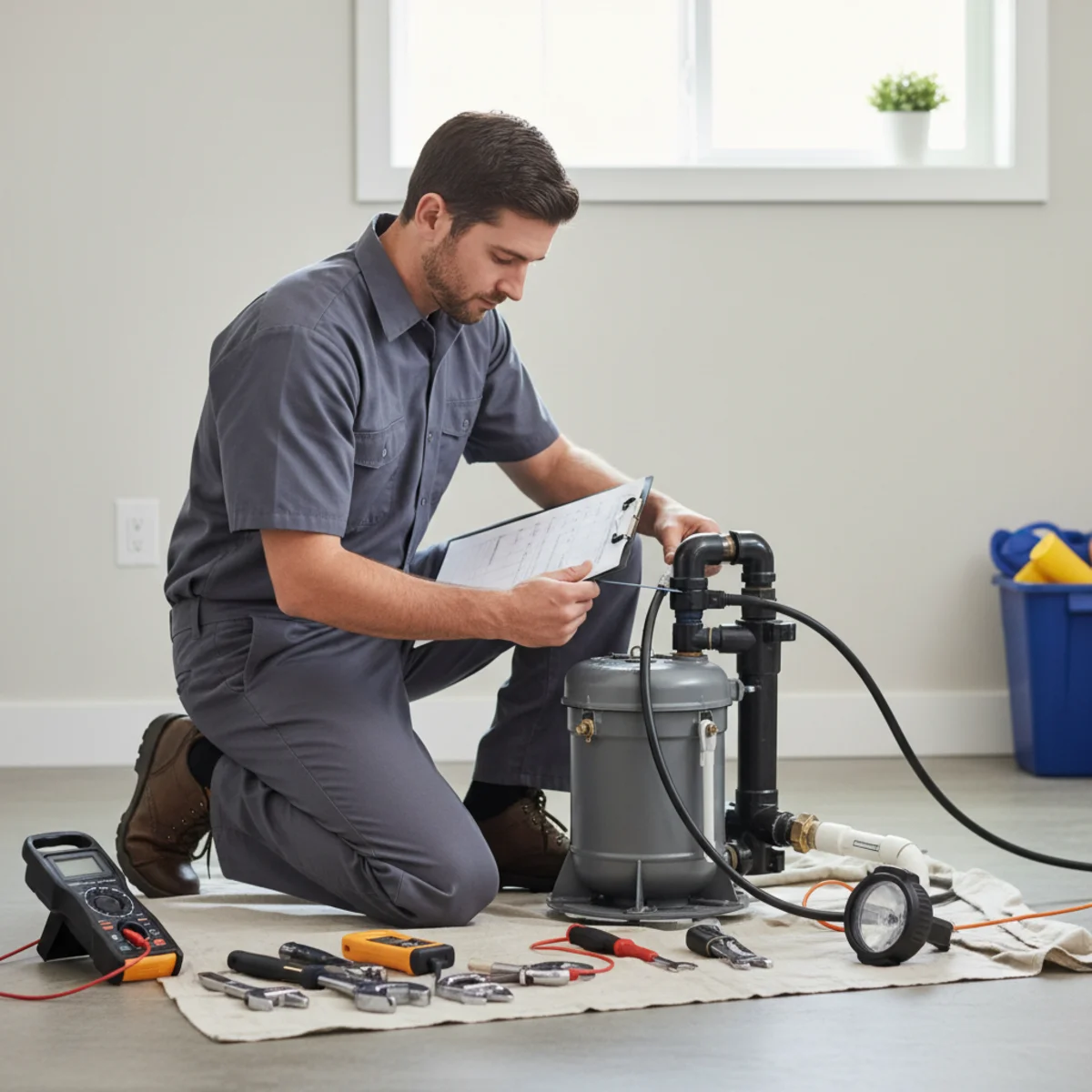 Maintenance & Troubleshooting
Sump Pump Maintenance Checklist for Colorado Homeowners
A sump pump only works if you keep it working. This season-by-season checklist keeps your basement protected through Colorado's wild weather swings.
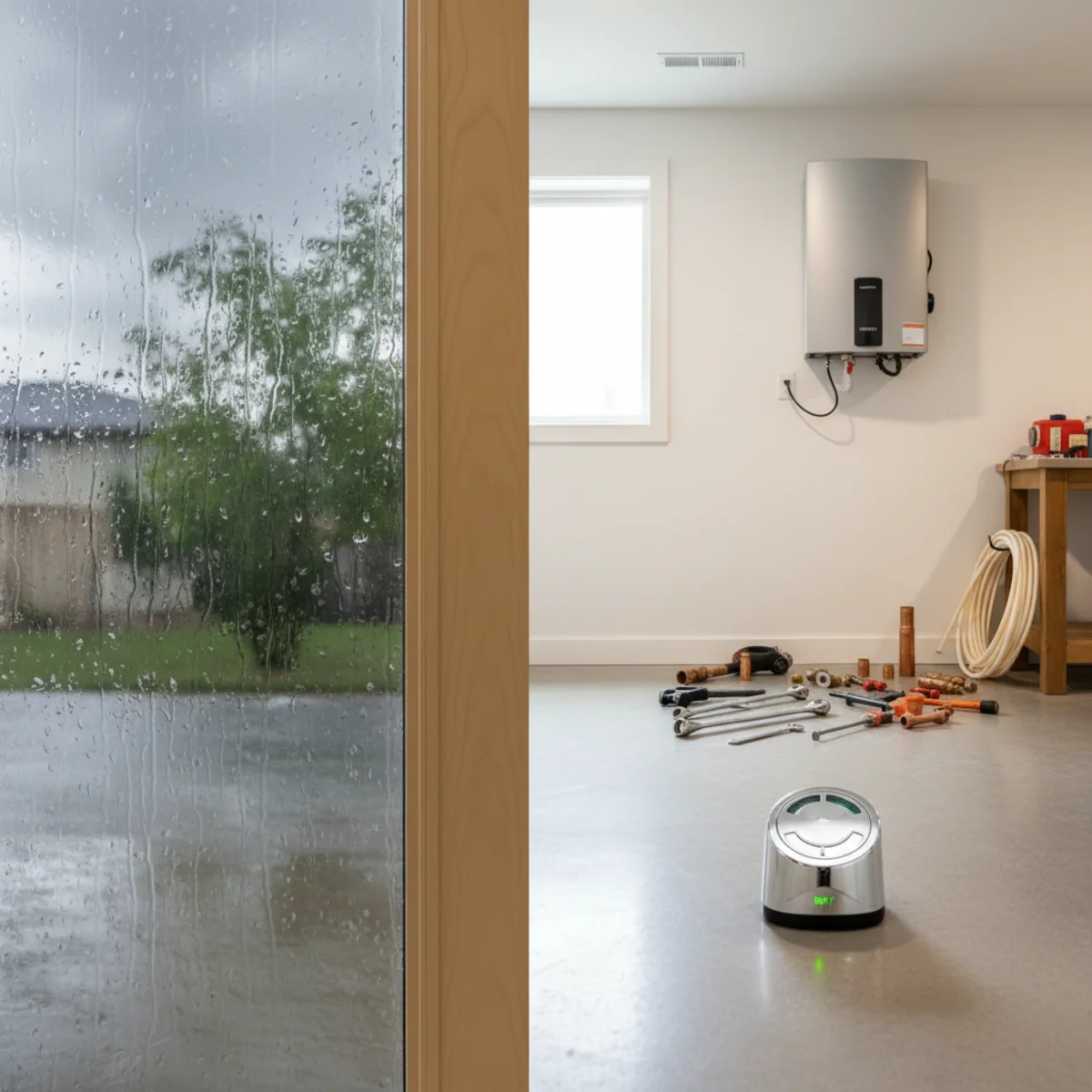 Basement Flood Prevention
How to Prevent Basement Flooding During Heavy Rain
Heavy Front Range rain and snowmelt push water against your foundation fast. Here is how to keep your basement dry before, during, and after a storm.
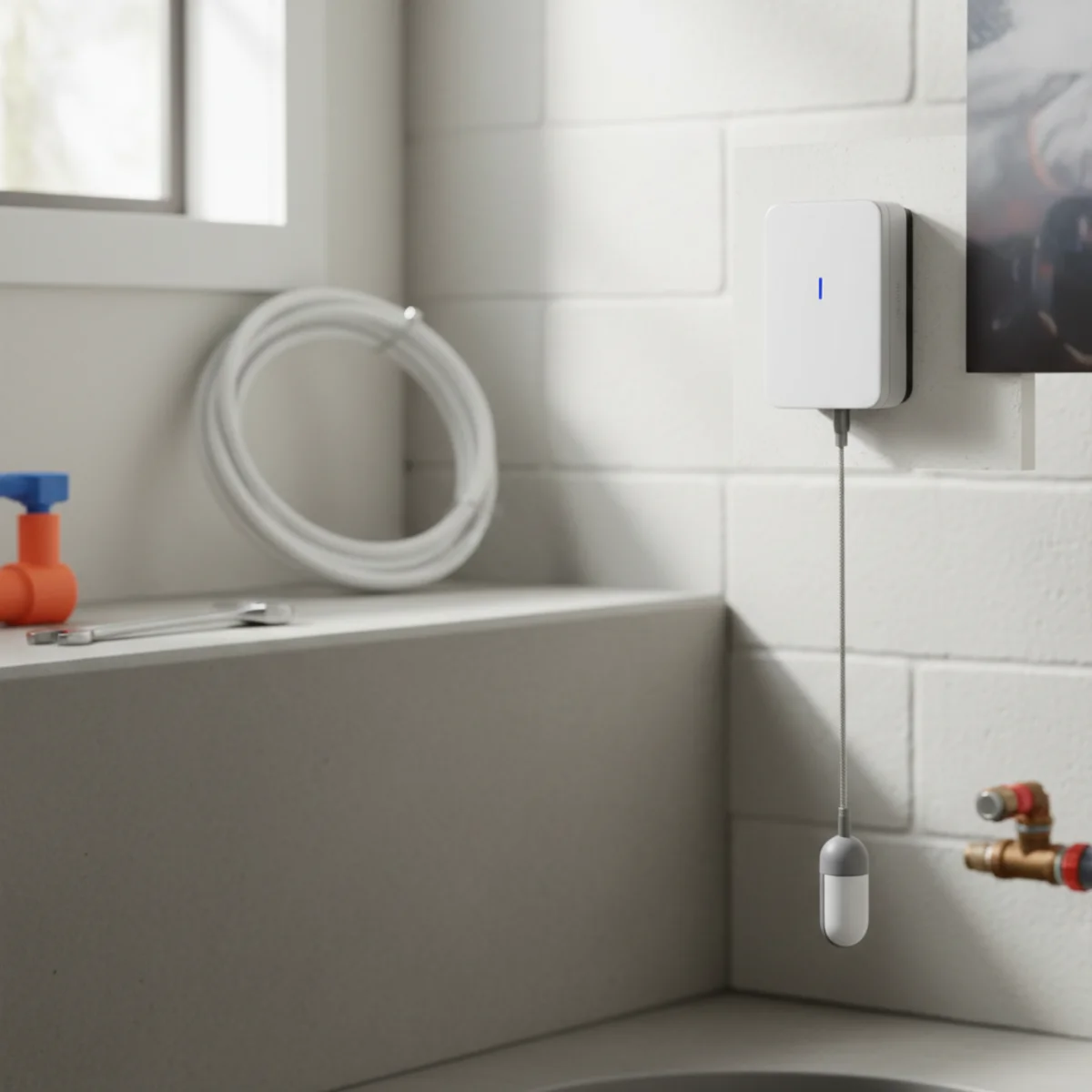 Backup Pump Systems
Sump Pump Alarms: What They Do and Why They Matter
A sump pump alarm is the cheapest insurance in your basement. It warns you the moment water rises too high — before a quiet pump failure becomes a flooded floor.
Protect Your Basement Before the Next Storm
Get professional sump pump help from a local Littleton specialist. Clear, upfront estimates and careful, clean workmanship.
Available by appointment. Emergency sump pump help available.