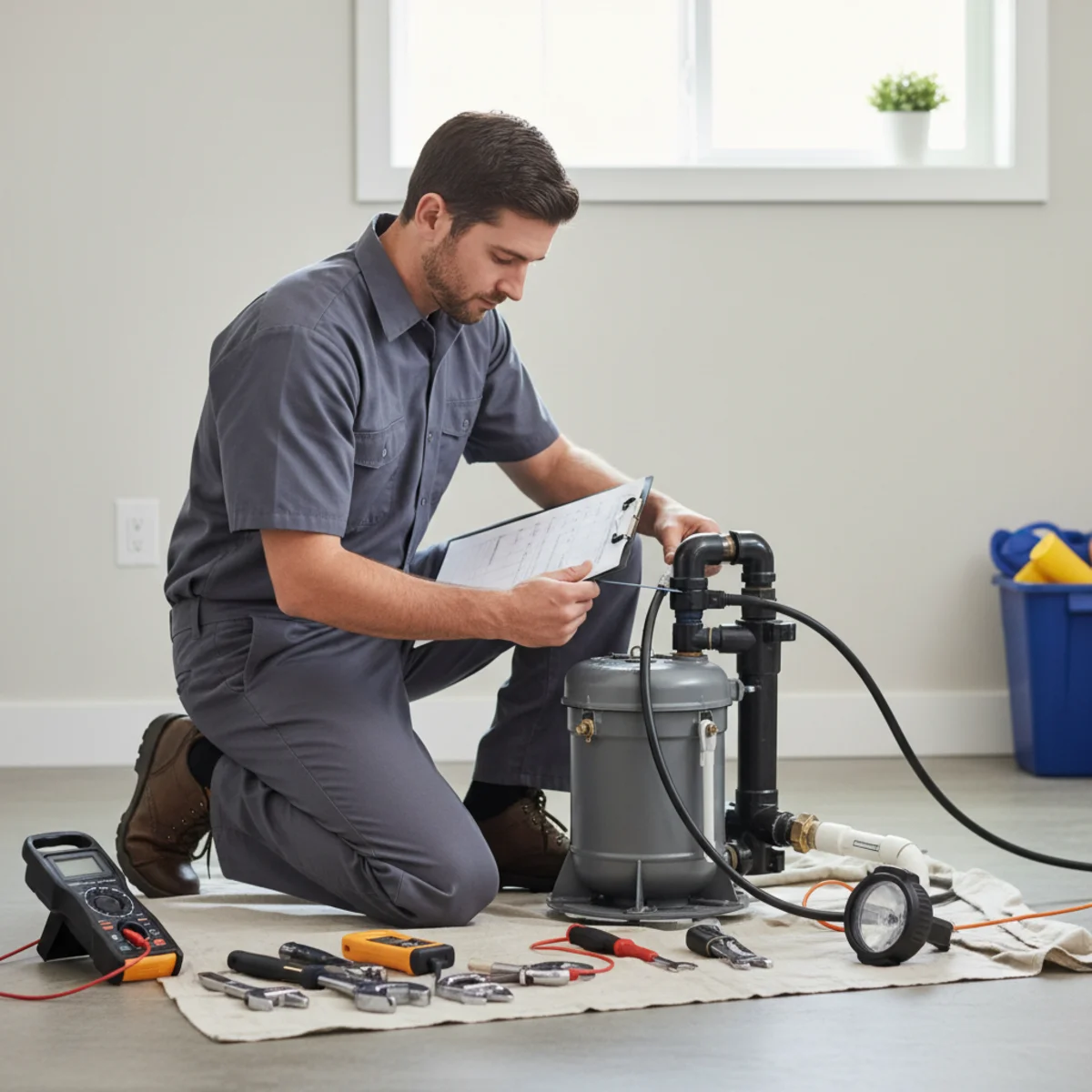
Sump Pump Maintenance Checklist for Colorado Homeowners
A sump pump is easy to forget. It sits quietly in a pit until the day you desperately need it, and that's exactly the day a neglected one fails.
The problem with skipping maintenance is that pumps don't warn you politely. The float sticks, the pit silts up, the battery on the backup dies, and you find out during a storm with water already on the floor.
The fix is a little routine attention. This checklist breaks sump pump maintenance into simple seasonal tasks built around Colorado's weather, from spring snowmelt to deep-winter freeze-thaw. None of it takes long, and all of it keeps your basement dry.
- Local Littleton Service
- Professional Installation
- Clear, Upfront Estimates
- Battery Backup Options
- Careful, Clean Workmanship
- Emergency Help Available
The Monthly Quick Look
You don't need to do everything every month. But a quick glance once a month catches the most common failures early, before they turn into a wet basement.
Lift the lid and make sure the pit is clear of debris. Confirm the pump is plugged in and the cord is in good shape. Glance at the float to be sure it can move freely. If you have a high-water alarm or a smart alarm, confirm it's powered and working. This takes two minutes and is worth every second.
While the lid is off, take a quick sniff. A musty or sewage-like smell coming from the basin can mean a dry trap, stagnant water, or in some homes a venting issue worth tracking down. It's easy to dismiss, but a bad smell is the pit telling you something. Catching it during a calm monthly check beats discovering it when guests are over.
- Pit is clear of mud, gravel, and debris
- Pump is plugged into a working outlet
- Float switch can move without obstruction
- High-water alarm is powered and functional
- No odd smells coming from the basin
Season-by-Season Tasks
Colorado weather hits your pump differently through the year. Matching your maintenance to the season keeps you ahead of it instead of reacting after the fact.
Spring is the big one. Snowmelt runoff and the first thunderstorms drive the water table up, so test the pump before the melt, clean the pit, and confirm the backup is ready. This is the season your pump works hardest, and a failure now is the most likely to flood a basement.
Summer brings sudden, heavy downpours that can fill a pit in minutes, so keep checking that the discharge line carries water well away from the foundation and that nothing has clogged the outlet. Fall is the time to prep for cold: inspect the discharge line, clear the pit, and make sure the line slopes to drain before the ground freezes. Winter is about the freeze-thaw cycle, when shallow discharge lines can ice up and crack below the frost line, so keep an eye on the discharge outlet during cold snaps and clear snow away from where the line exits.
- Spring: test before snowmelt, clean the pit, check the backup
- Summer: confirm the discharge line handles heavy downpours
- Fall: inspect and clear everything before the freeze
- Winter: watch the discharge outlet during freeze-thaw cycles
How to Clean the Sump Basin
Over time, mud, gravel, and grit settle into the sump basin. Left alone, that debris jams the float, clogs the impeller, and shortens the pump's life. Cleaning the pit once or twice a year keeps everything moving. In clay-heavy soil like Littleton's, fine sediment builds up faster than people expect.
Unplug the pump first. Lift it out of the basin, rinse off the buildup, and scoop or vacuum the sludge from the bottom of the pit. Wipe down the float and check the inlet screen for clogs, since a screened intake caked with grit can choke a pump even when everything else is fine. Set the pump back, plug it in, and run a quick test by pouring water in until it cycles.
While you're in there, look at the basin itself. A cracked or poorly sealed basin lets in extra groundwater and, in some homes, matters for sealed lids tied to radon mitigation. If your lid doesn't seal well, that's worth addressing. A clean pit and a sound basin do more for reliability than most people realize, because the pump can only be as dependable as the hole it sits in.
Check the Hardware: Float, Check Valve, Discharge
Beyond cleaning, a few key parts deserve a real look once or twice a year. These are the components that fail quietly.
The float switch should rise and fall freely and trip the pump cleanly. The check valve should hold water in the discharge line after the pump shuts off; if water rushes back into the pit, it's failing. The discharge line should be clear, well supported, and routed to dump water far from the foundation, below the frost line where it leaves the house so it's less likely to freeze.
If you run a cast-iron pump, its housing tends to outlast thermoplastic in Colorado's mineral-rich water, but it still needs the same checks. Hardware is cheap. A flooded basement is not.
- Float switch trips on and off cleanly
- Check valve holds water and doesn't let it drain back
- Discharge line clear, supported, and aimed away from the foundation
- Pump housing free of heavy mineral buildup or rust
- Backup battery charged and within its service life
What Skipping Maintenance Actually Costs
It's easy to put this off. The pump seems fine, the basement is dry, and nothing feels urgent. That's exactly how neglected pumps end up failing at the worst time.
The failures that maintenance prevents are almost always cheap to fix and expensive to ignore. A stuck float, a clogged intake, a tired backup battery, a check valve that's started to leak: each one is a small part and a few minutes of attention. Skip them, and the same small problems shut the pump down mid-storm, when water is already pouring in.
Now weigh that against the other side. A flooded basement means water removal, drying, ruined flooring, and the slow worry of mold in an enclosed space. A finished basement raises the stakes further, turning a dead twenty-dollar float into a project that costs thousands. Maintenance isn't about the pump for its own sake. It's about everything downstream of the pump failing.
When to Call a Pro
Most of this checklist is homeowner-friendly. But some things are worth a professional eye, especially if your basement is finished and a failure would be costly.
A yearly inspection catches what a quick look misses: a weakening motor, a borderline check valve, an aging backup battery, or a basin that's letting in water. If your pump is getting up there in years, a pro can tell you whether it's worth maintaining or whether replacement is the smarter call before it fails.
We offer maintenance, inspection, and clear, upfront estimates across Littleton and the Denver Metro. If you'd rather hand off the seasonal checklist, or you want a second set of eyes before storm season, call (207) 419-2600.
Frequently Asked Questions
Keep Reading
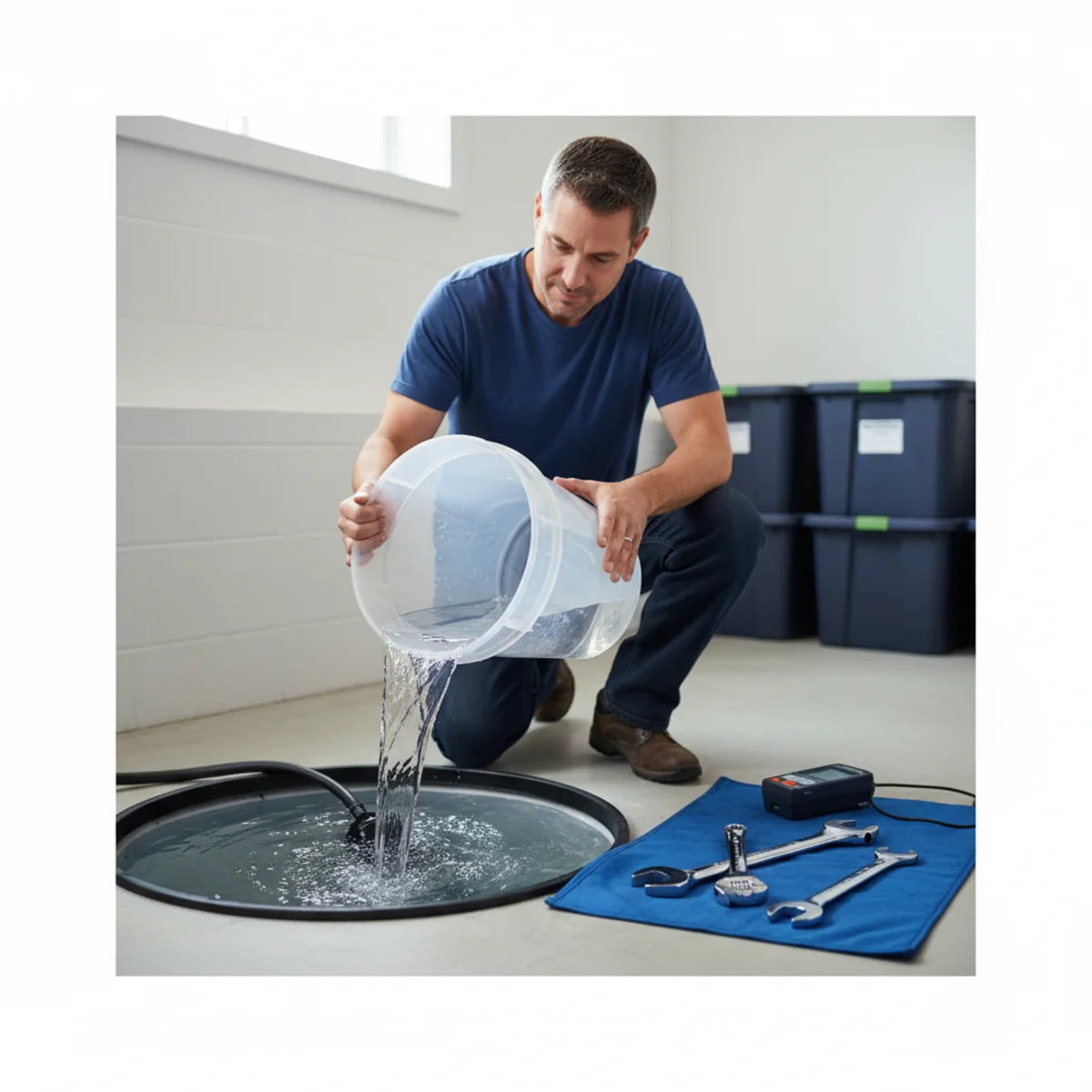 Maintenance & Troubleshooting
How to Test Your Sump Pump Before a Storm
The time to find out your pump is dead is not during the storm. Here's a five-minute test you can run yourself before the rain hits.
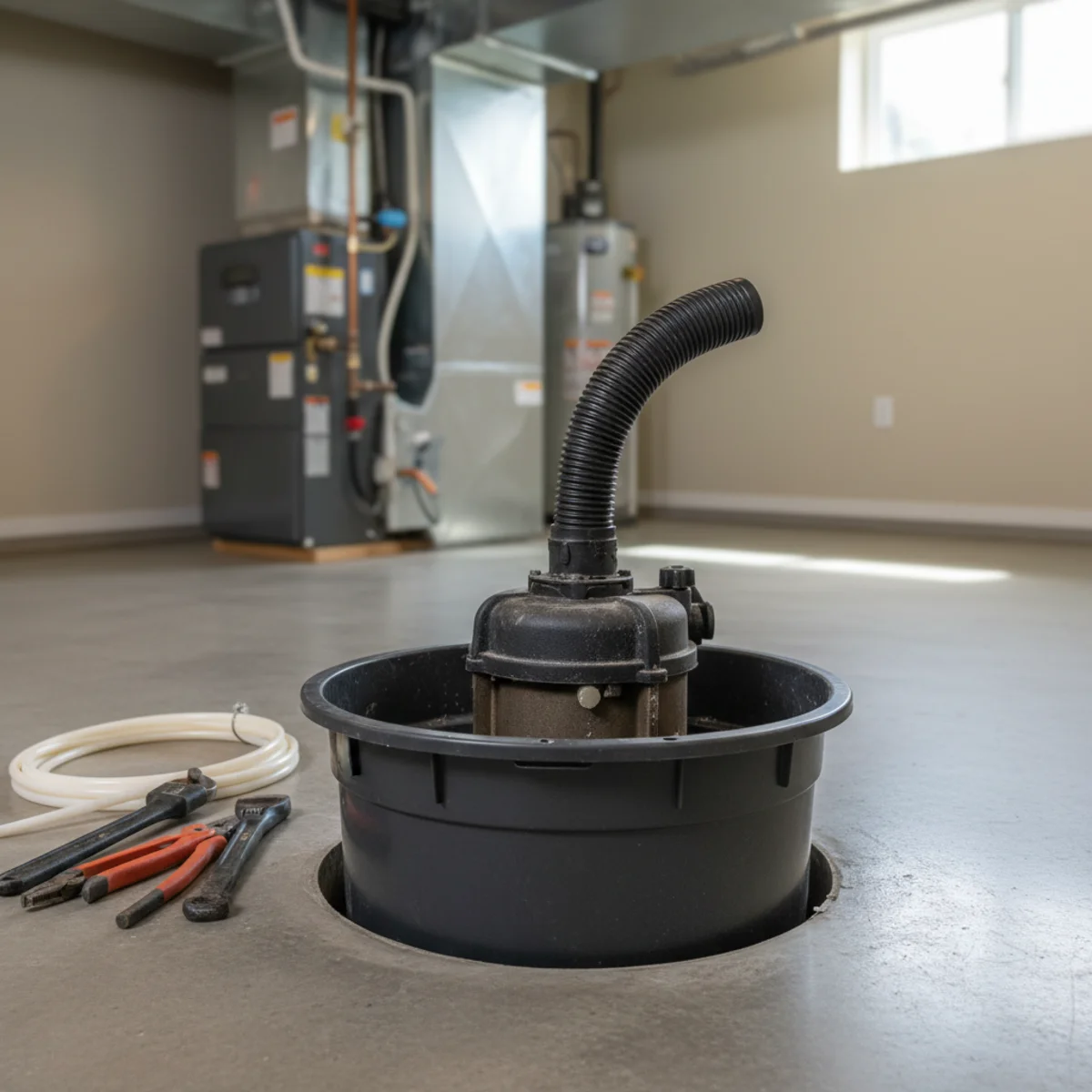 Sump Pump Basics
How Long Does a Sump Pump Last?
Most sump pumps last about a decade, but Littleton conditions can shorten that. Learn the real lifespan, what wears a pump out, and the signs it is time to replace.
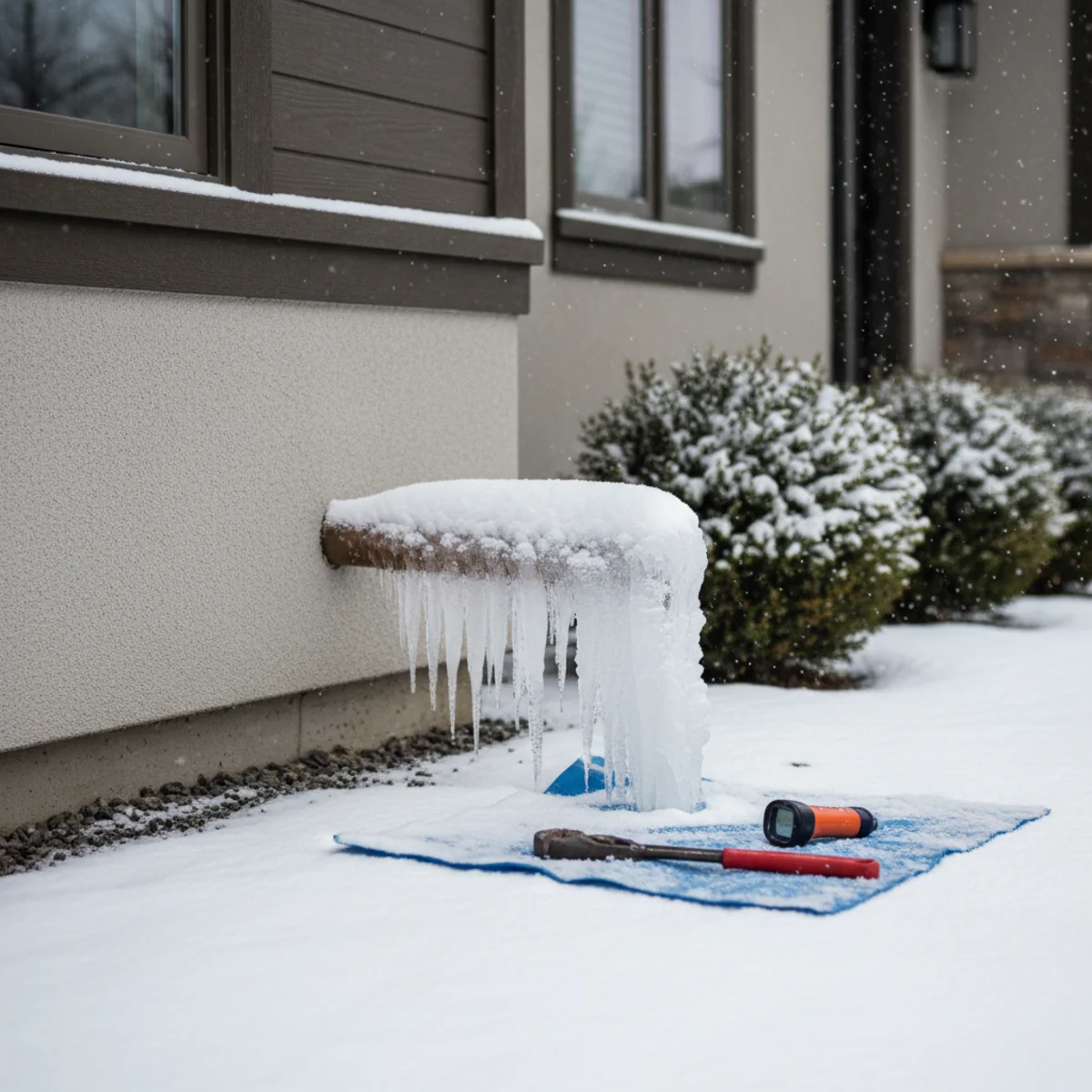 Littleton Homeowner Guides
What to Do If Your Sump Pump Discharge Line Freezes
A frozen discharge line traps water in the pit and can burn out your pump. Here's how to spot it, thaw it safely, and stop it from happening again.
Protect Your Basement Before the Next Storm
Get professional sump pump help from a local Littleton specialist. Clear, upfront estimates and careful, clean workmanship.
Available by appointment. Emergency sump pump help available.