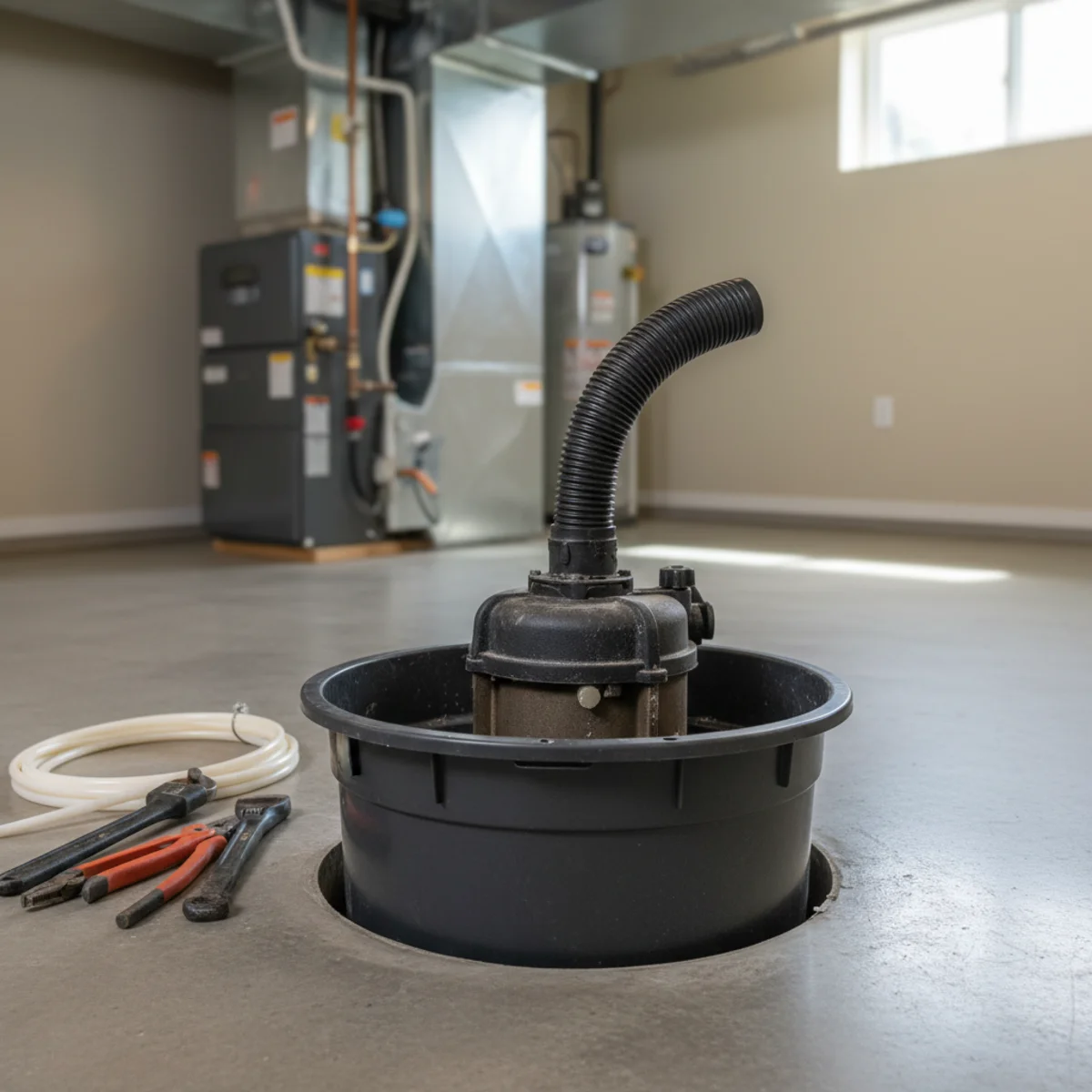
How Long Does a Sump Pump Last?
Out of sight, out of mind. That is exactly how a sump pump fails you.
It sits quietly in the pit for years, doing its job, until one spring snowmelt or one summer downpour it simply does not turn on. By the time you notice, the basement is already taking on water. The hard truth is that most sump pumps give warning signs first, but only if someone is paying attention to a machine nobody likes to think about.
So how long does a sump pump actually last? The short answer is around a decade for many units, but that number swings a lot based on how hard the pump works and the conditions it works in. Here in Littleton, clay-heavy soil and mineral-rich water can push a pump harder than the spec sheet assumes. Let us break down the real lifespan and how to know when yours is near the end.
- Local Littleton Service
- Professional Installation
- Clear, Upfront Estimates
- Battery Backup Options
- Careful, Clean Workmanship
- Emergency Help Available
The Real Lifespan Number
As a general rule, many sump pumps last somewhere in the range of about ten years. Some go longer, some give out sooner. That figure is an average, not a promise, and the spread is wide for good reason.
Lifespan is really about run time, not calendar years. A pump in a dry basement that cycles a few times a year can outlast its average easily. A pump that runs constantly through weeks of spring snowmelt and every summer storm is logging far more hours and will wear out faster, even if it is the same model.
Build quality factors in too. A budget thermoplastic unit and a cast-iron submersible are not on the same clock. In our mineral-rich water, the heavier-duty pump generally holds up longer, which is one reason the cheapest pump is not always the most economical over time.
Backup pumps are a slightly different story, because the battery has its own shorter clock, typically a handful of years, separate from the pump itself.
What Shortens a Sump Pump's Life
If you want your pump to reach or beat the average, it helps to know what wears it out. Several of these are specific to our area.
The biggest factor is simple: how often it runs. Everything else either adds to the run time or stresses the components while they run.
- Heavy, frequent cycling during snowmelt and storm season
- Mineral-rich water that corrodes components, harder on thermoplastic than cast iron
- Grit and clay sediment from our soil clogging the intake or jamming the impeller
- A short-cycling pump caused by a missing or failed check valve
- A float switch that sticks against the basin wall, making the motor run dry or overrun
- An undersized pump fighting more water than it was built for
- A discharge line that freezes below the frost line is not protected, forcing the pump to push against ice
- No maintenance, so small problems go unnoticed until failure
Signs Your Pump Is Near the End
An aging pump rarely dies silently. It usually tells you first, if you check on it now and then.
Listen and look during its next run. Strange grinding or rattling, excessive vibration, or a motor that hums but barely moves water all point to worn bearings or a failing impeller. A pump that runs constantly, or cycles on and off rapidly, is working far harder than it should and is a candidate for replacement.
Visible rust on the housing, especially on thermoplastic units in our hard water, is another flag. So is age alone: if you know the pump is past the decade mark and you cannot remember the last time it was serviced, treat it as living on borrowed time. Our guide on the signs a sump pump needs replacement goes deeper on each symptom.
Watch the discharge too. If water trickles back into the pit after the pump shuts off and triggers another cycle moments later, the check valve may be failing, and that short-cycling chews through a pump quickly. Catching it early can mean a cheap valve fix instead of a dead motor.
A Rough Timeline by Age
It helps to know roughly where your pump sits in its life so you are not caught flat-footed. Here is a general way to think about it, keeping in mind that heavy run time moves everything earlier.
Use this as a planning guide, not a countdown clock. A hard-working pump in a wet Littleton basement may hit these stages sooner.
- Years 1 to 5: prime of life. Test it before storm season and keep the basin clean, but failures are uncommon if it was installed well.
- Years 5 to 8: still solid, but start paying closer attention. Listen for new noises and watch how often it cycles.
- Years 8 to 10: the typical replacement window. Budget for a new pump and consider upgrading to cast iron or adding a backup.
- Beyond 10 years: living on borrowed time. If you do not know the install date and it is clearly old, plan a proactive replacement on a dry day.
- Any age, after a known overload event: a pump that ran continuously through a major storm may have shortened its remaining life, so inspect it.
How to Get More Years Out of It
You cannot make a pump immortal, but you can push it toward the high end of its lifespan with a little attention.
Test it before storm season by pouring water into the pit and confirming the float switch trips and the pump clears the water. Clean the sump basin periodically so grit and clay sediment do not reach the impeller. Keep the discharge line clear and protected below the frost line so it cannot freeze. Confirm the check valve is holding so the pump is not short-cycling.
Choosing the right pump for the conditions helps from day one. In mineral-rich water, a cast-iron housing tends to outlast thermoplastic, which can mean extra years of service. Routine maintenance and inspection catch the small stuff before it becomes a flood.
Our maintenance checklist is a good seasonal reference for keeping things in shape.
Replace on Your Schedule, Not the Storm's
The worst time to replace a sump pump is in the middle of a flood, scrambling while water rises. The best time is on a dry day, when you can plan it and get a clear, upfront estimate.
If your pump is past the decade mark, showing warning signs, or you simply do not know its age or history, a proactive replacement is cheap insurance compared with a basement cleanup. Replacing it before it fails also lets you upgrade thoughtfully, maybe a cast-iron submersible or the addition of a backup system, instead of grabbing whatever is in stock during an emergency.
We handle sump pump replacement across Littleton and the Denver metro with careful, clean workmanship and honest pricing. Call (207) 419-2600 to plan ahead, and if your pump has already quit, emergency sump pump help is available.
Frequently Asked Questions
Keep Reading
 Costs & Replacement
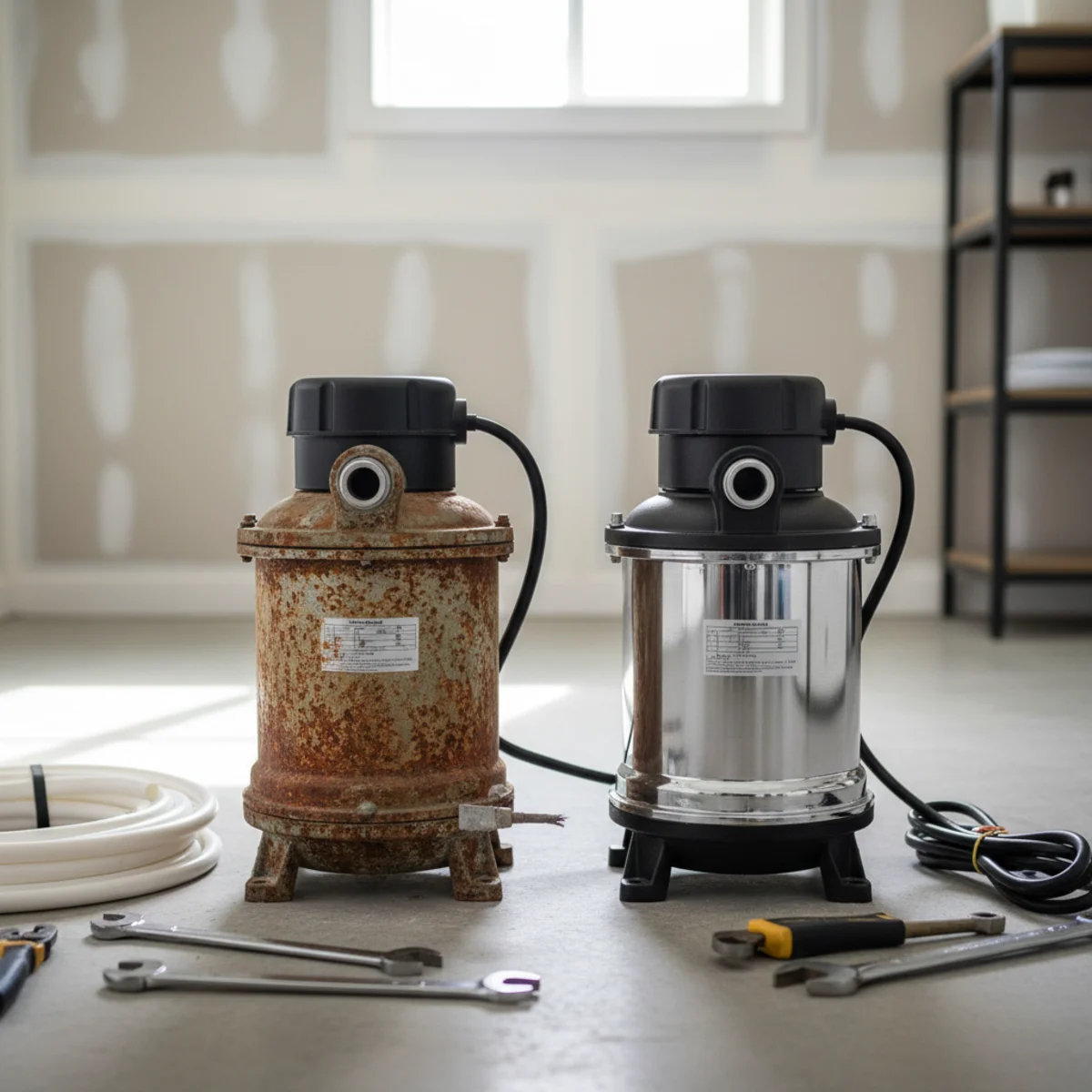
Signs Your Sump Pump Needs Replacement
A sump pump rarely dies on a sunny day — it fails during the storm it was supposed to handle. Here are the warning signs that mean replace it now, before the next one.
 Costs & Replacement
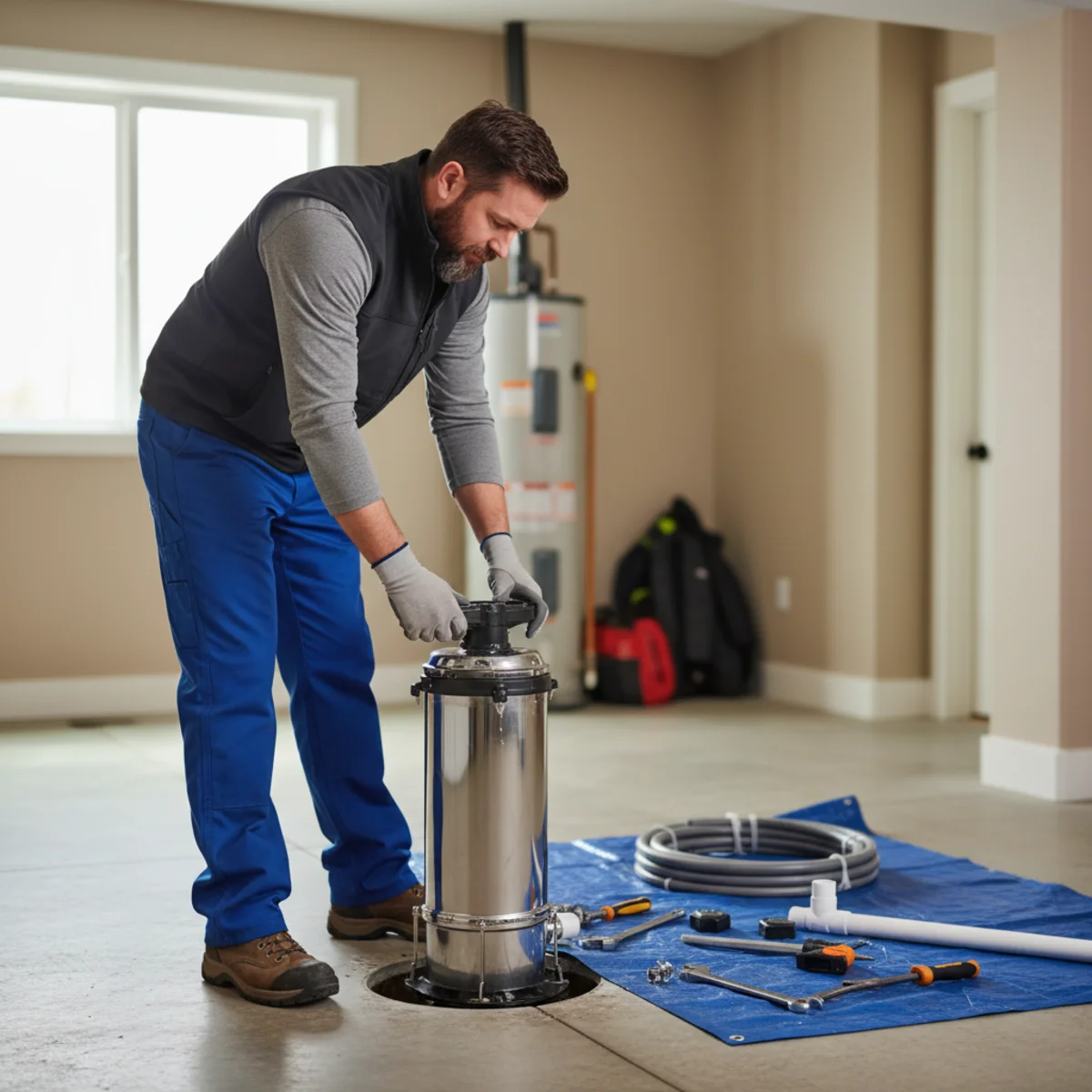
Best Time to Replace a Sump Pump
The best time to replace a sump pump is before it fails, not after your basement floods. Here is how to time the swap in Littleton's climate.
 Maintenance & Troubleshooting
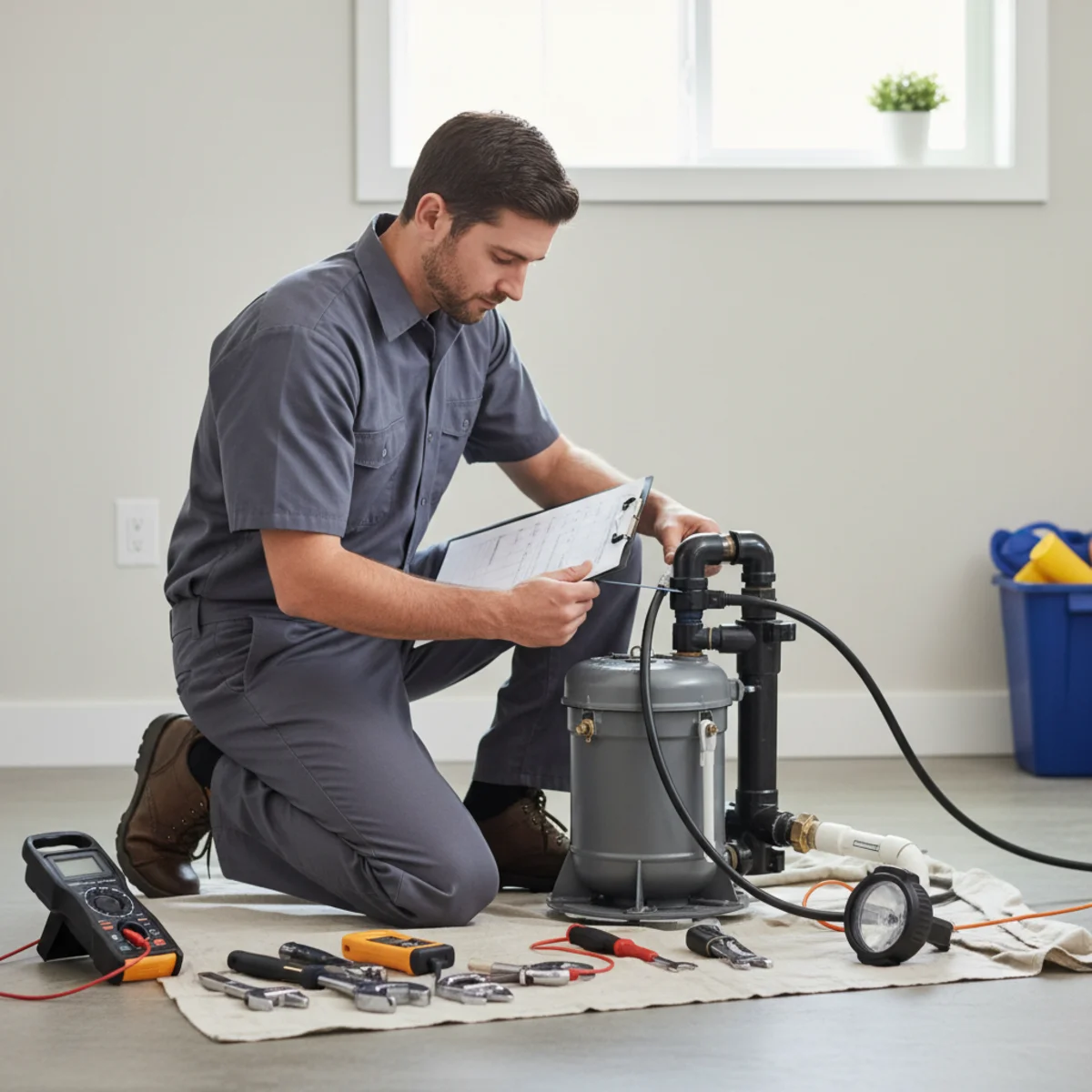
Sump Pump Maintenance Checklist for Colorado Homeowners
A sump pump only works if you keep it working. This season-by-season checklist keeps your basement protected through Colorado's wild weather swings.
Protect Your Basement Before the Next Storm
Get professional sump pump help from a local Littleton specialist. Clear, upfront estimates and careful, clean workmanship.
Available by appointment. Emergency sump pump help available.