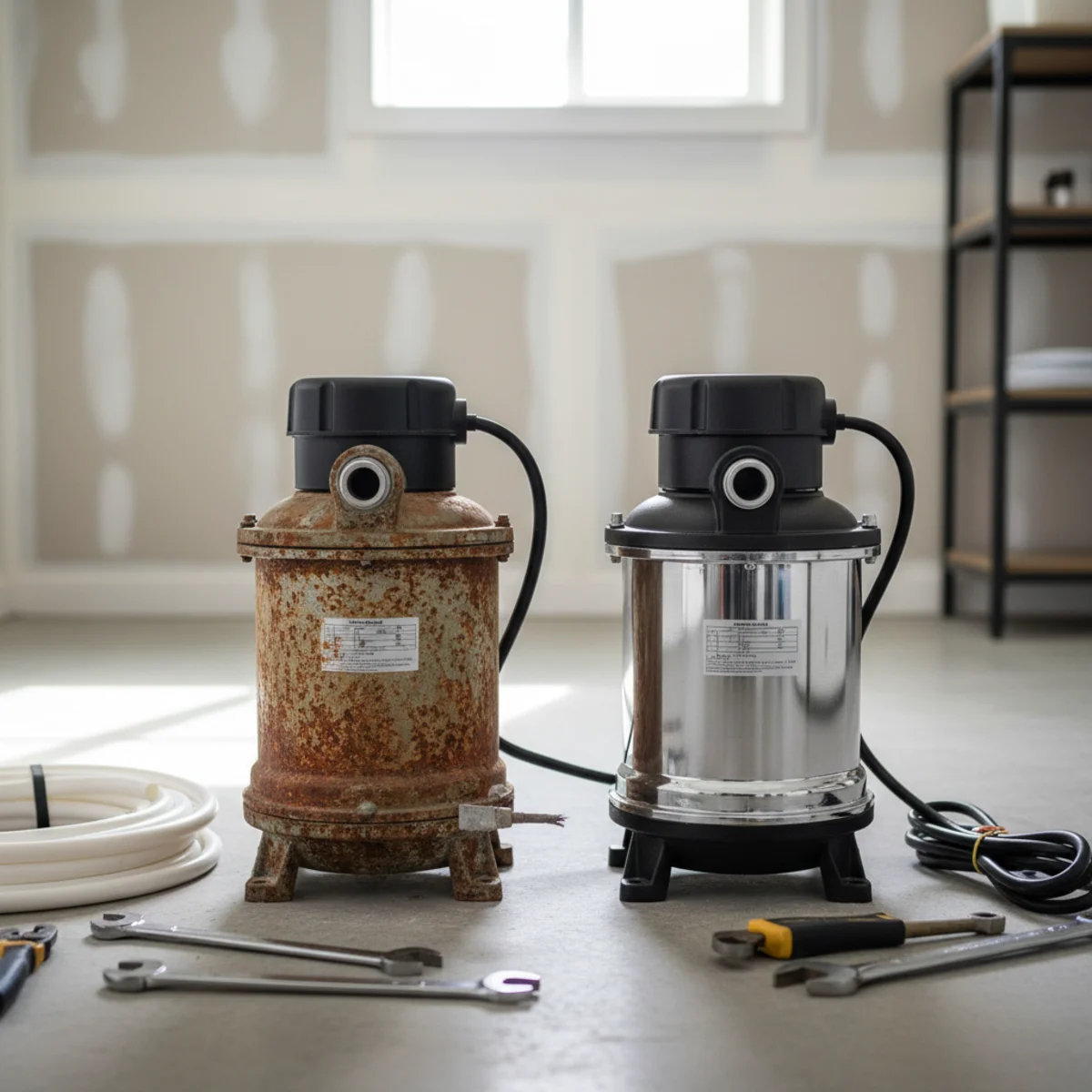
Signs Your Sump Pump Needs Replacement
A sump pump almost never fails when it's convenient. It fails during the spring melt or the summer storm that's actively filling your pit. That's when the old motor finally gives out, the float finally sticks, and you find out the hard way.
The good news: pumps usually warn you first. They get louder, they run longer, they cycle when they shouldn't. If you know what to listen and look for, you can replace a tired pump on a dry Tuesday instead of bailing out a basement at 2 a.m.
Here are the clear signs your sump pump is on its way out, and how to tell a quick repair from a full replacement.
- Local Littleton Service
- Professional Installation
- Clear, Upfront Estimates
- Battery Backup Options
- Careful, Clean Workmanship
- Emergency Help Available
Start With Age
Sump pumps don't last forever. Most run somewhere in the range of seven to ten years, and pumps in hard-working Littleton pits often land at the lower end. Our clay soil and heavy spring melt mean a lot of pumps here cycle more than the average, and more cycles means more wear.
If you don't know how old your pump is, that's a sign in itself. A pump of unknown age that's been in the pit since you bought the house is overdue for at least an inspection. If it's pushing a decade, plan to replace it on your schedule rather than waiting for it to pick the date for you.
Usage matters as much as age. A pump in a dry pit that runs a few times a year will outlast the same pump in a high-water pit that cycles daily through the spring melt. Two pumps the same age can be in very different shape depending on how hard each has worked.
Cast iron pumps tend to outlast thermoplastic ones, especially in mineral-rich water, but every pump has a clock. Age alone is enough reason to start watching the other signs closely.
The Warning Signs to Watch and Listen For
Most failing pumps give you several of these at once. One on its own might be a simple fix. Three or four together usually means the pump is worn out and a replacement is the smarter spend.
Pay special attention to noise and runtime. A pump that suddenly sounds different or runs far longer than it used to is telling you the motor or the float is struggling.
The hardest sign to catch is the silent one — a pump that simply doesn't turn on. You won't hear anything because nothing's happening, and that's the failure that floods basements. The only way to catch it is to test the pump on a schedule rather than waiting to hear it run.
- Loud grinding, rattling, or gurgling that's new or getting worse
- Running constantly or cycling on and off every minute even when it's dry out
- Visible rust or corrosion on the pump body, bracket, or fasteners
- Vibration strong enough to make the pump rock or move in the basin
- The pump runs but moves little or no water — a worn impeller or clog
- Frequent tripped breakers or the pump cutting out mid-cycle
- It fails the basic test: pour a bucket of water in and the pump is slow to start or doesn't shut off cleanly
Repair or Replace?
Not every problem means a new pump. A stuck or failed float switch is often a straightforward repair, and so is a clogged intake or a bad check valve. If the pump body is sound and the motor is healthy, fixing the one failed part can buy you years.
The math changes with age and with how many parts are failing at once. Putting a new float on a nine-year-old pump that's also rusting and running loud is throwing good money after bad. At that point the pump is near the end regardless of which part you replace first.
There's also the reliability factor. A repaired old pump might run another season, but it can fail again during the next big storm — exactly when you need it. For many homeowners, the peace of mind of a fresh pump is worth more than squeezing one more year out of a tired one.
Our rule of thumb: if the pump is young and one specific thing failed, repair it. If it's old, or several things are wrong, or it's already failed you once, replace it. We'll give you a clear, upfront estimate either way so you can decide with the numbers in front of you.
When Constant Running Means More Than the Pump
A pump that runs nonstop is a special case. Sometimes it's the pump — a stuck float that never tells it to shut off. But sometimes the pump is fine and it's drowning in more water than it should be seeing.
A check valve that's failed lets pumped water drain right back into the pit, so the pump keeps re-pumping the same water in a loop. A discharge line that's frozen or blocked does the same thing. And a sudden rise in groundwater — common during Front Range snowmelt — can simply overwhelm an undersized pump.
Seasonal context helps you read it. A pump that runs hard during March melt or after a heavy thunderstorm is doing its job. A pump that runs nonstop during a dry July is the one to worry about, because there's no good reason for that much water unless something's recycling it back into the pit.
So before you condemn a constantly running pump, it's worth checking why it's running. Replacing the pump won't help if the real issue is a bad check valve or a frozen line — and on the flip side, a sound pump that's genuinely overwhelmed by water may be a sign you need a backup or a larger pump rather than just a repair.
Replace It On Your Schedule, Not the Storm's
The whole point of catching these signs early is choosing when to replace. A planned replacement is a clean, scheduled job. A failure replacement is an emergency call with water already on the floor.
If your pump is old or showing several of the signs above, get it replaced before the next big melt or storm season. While the pump is out, it's the ideal time to add a battery backup, upgrade to a cast iron submersible, or reseal the basin lid — all easier to do during a planned visit than during a flood.
A planned replacement is also the moment to check everything else in the pit. We look at the check valve, the discharge line, the float, and the basin while we're in there, so you're not back in a month for a part that was already worn. One visit, the whole system squared away.
If you're already past that point and the pump just quit during a storm, emergency sump pump help is available — call (207) 419-2600 and we'll get water moving again.
Frequently Asked Questions
Keep Reading
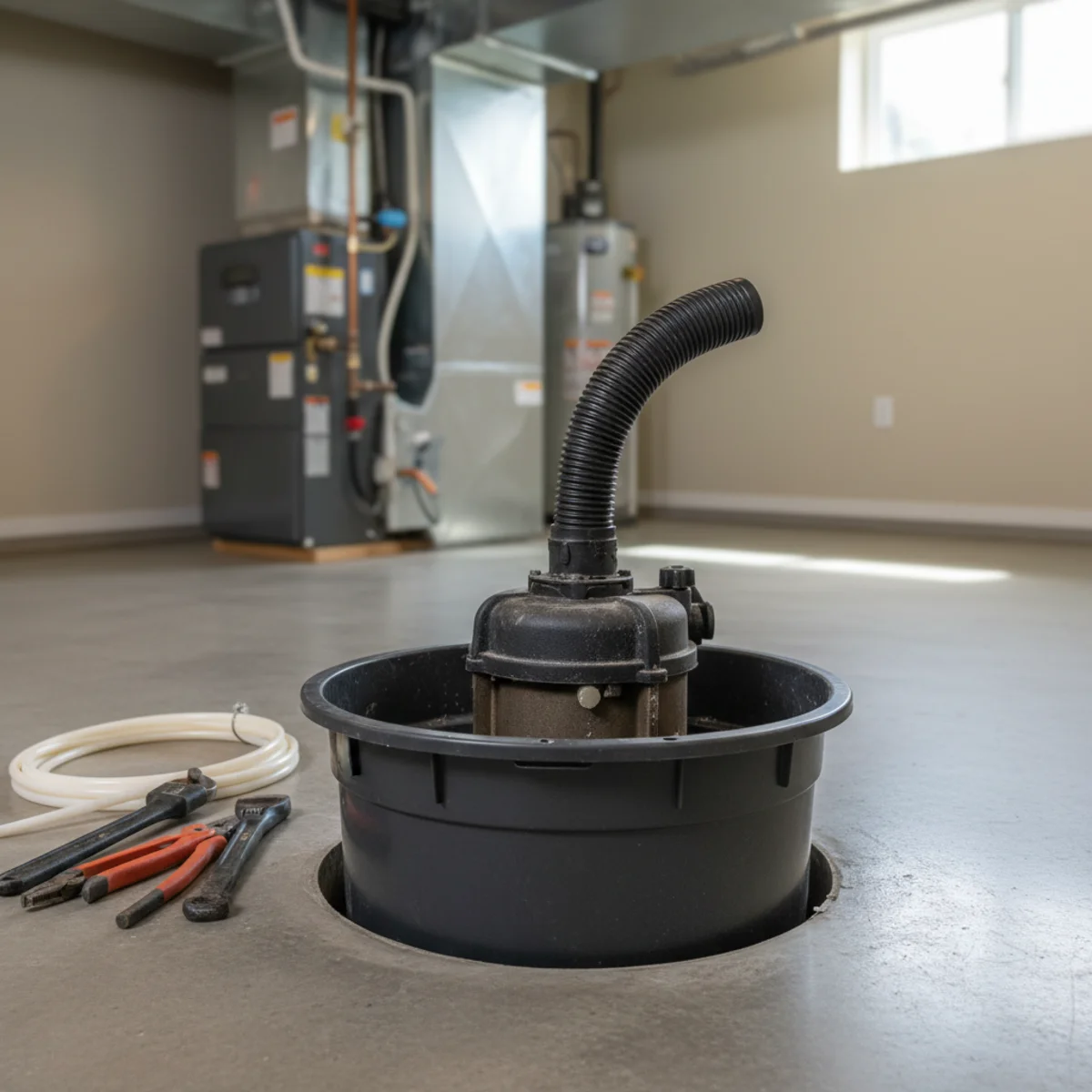 Sump Pump Basics
How Long Does a Sump Pump Last?
Most sump pumps last about a decade, but Littleton conditions can shorten that. Learn the real lifespan, what wears a pump out, and the signs it is time to replace.
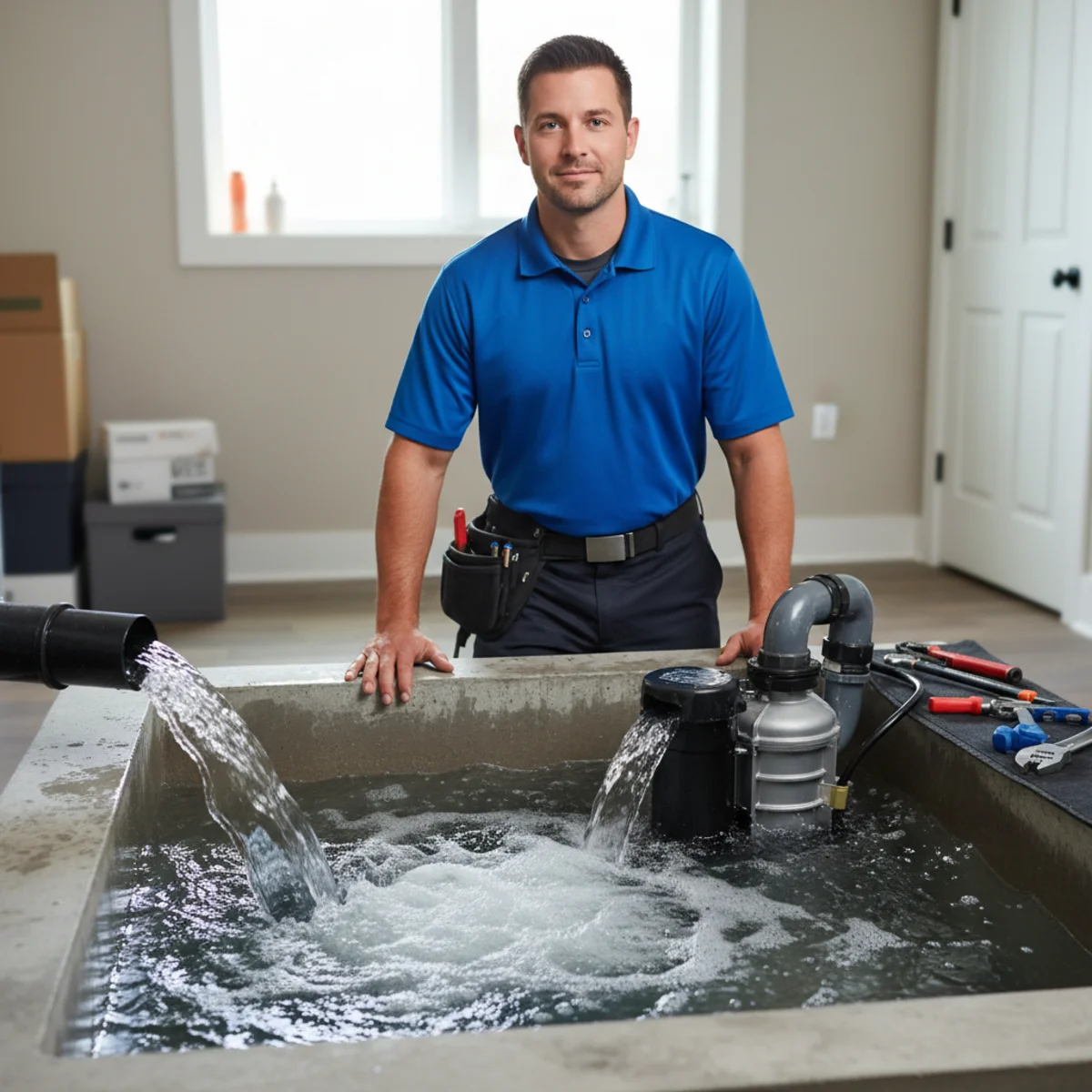 Maintenance & Troubleshooting
Why Does My Sump Pump Run Constantly?
A sump pump that never shuts off is wearing itself out and warning you of a bigger problem. Here are the real causes and how to fix them.
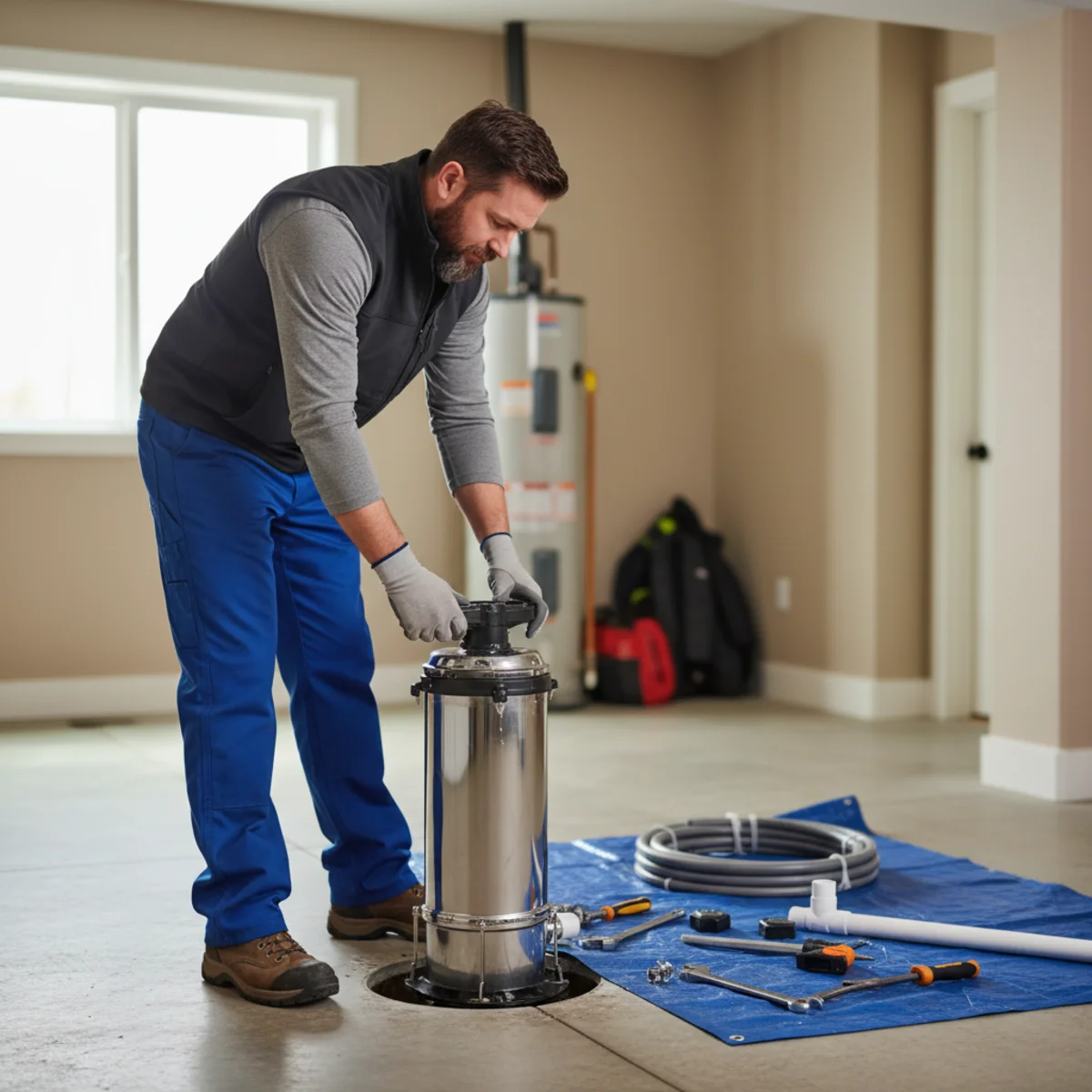 Costs & Replacement
Best Time to Replace a Sump Pump
The best time to replace a sump pump is before it fails, not after your basement floods. Here is how to time the swap in Littleton's climate.
Protect Your Basement Before the Next Storm
Get professional sump pump help from a local Littleton specialist. Clear, upfront estimates and careful, clean workmanship.
Available by appointment. Emergency sump pump help available.