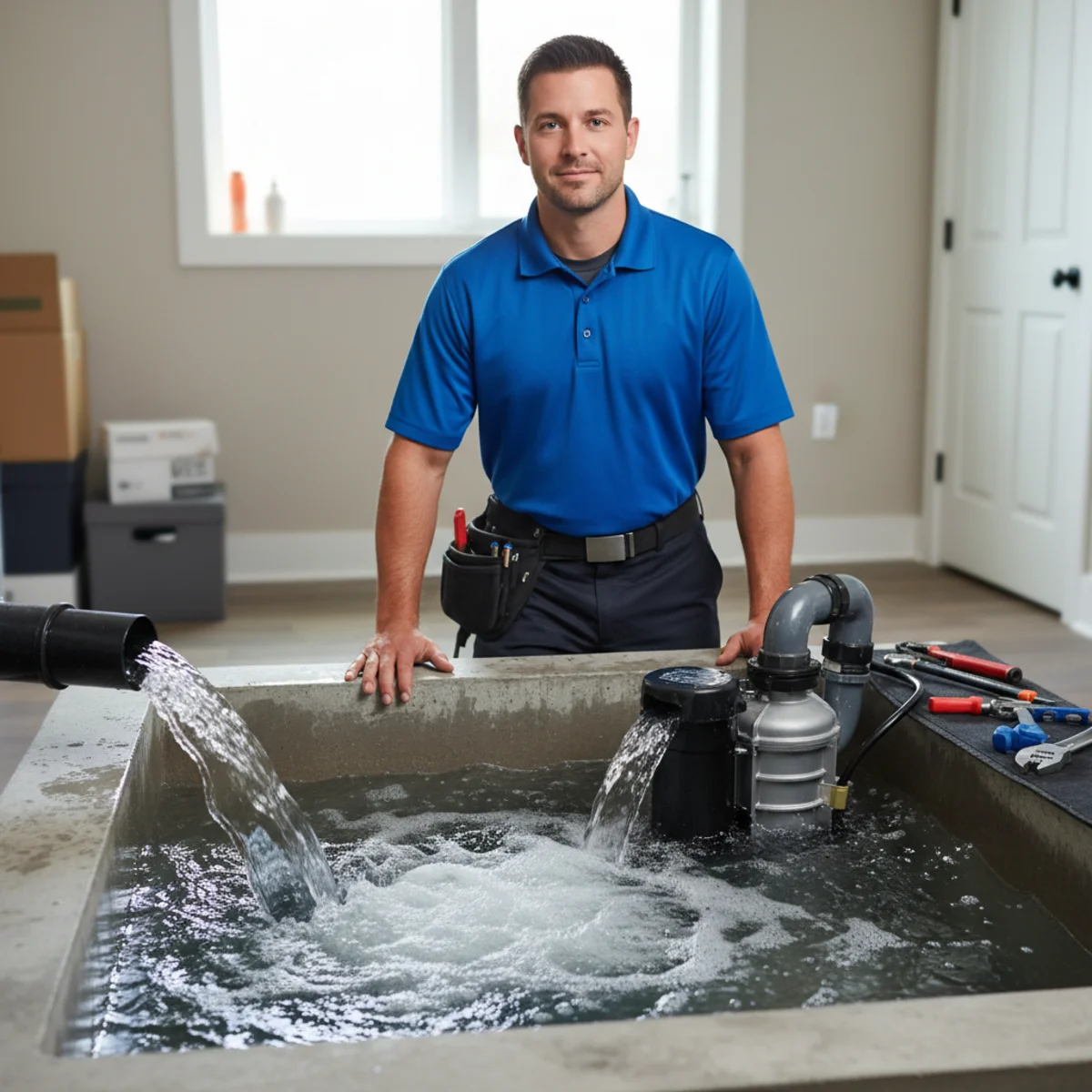
Why Does My Sump Pump Run Constantly?
Your sump pump is supposed to kick on, clear the pit, and shut off. When it runs and runs and won't stop, something is wrong. That constant cycling burns out the motor early and runs up your power bill.
It also tells you the water isn't going where it should. Maybe it's coming back. Maybe the float never drops. Maybe the basin is fighting Littleton's clay-heavy soil after a wet spring. Either way, a pump that runs nonstop is a pump on borrowed time.
Below are the common reasons a sump pump runs constantly, how to tell them apart, and when it's time to call for help. Most of these you can check yourself in a few minutes.
- Local Littleton Service
- Professional Installation
- Clear, Upfront Estimates
- Battery Backup Options
- Careful, Clean Workmanship
- Emergency Help Available
The Float Switch Is Stuck
The float switch is the part that tells the pump when to turn on and off. It rides up with the water and drops when the pit empties. If it gets stuck in the up position, the pump thinks the pit is always full and never shuts off.
Floats get hung up on the side of the basin, on the discharge pipe, or on debris in the pit. A tethered float needs room to swing. A vertical float needs a clear track. In a cramped or undersized basin, the float can wedge against the wall and stay there.
Open the lid and watch a cycle. If the water is low but the float is still pinned up, you found your problem. Sometimes a gentle nudge frees it. If the float is cracked, waterlogged, or the switch is failing electrically, it needs to be replaced. A stuck float is one of the most common reasons a pump runs constantly, and it's also one of the cheapest to fix.
- Float wedged against the basin wall or discharge line
- Debris in the pit blocking the float's travel
- Waterlogged or cracked float that won't sink
- Worn-out switch that no longer breaks the circuit
- Basin too small for the float to move freely
Water Keeps Coming Back Into the Pit
If the pump empties the basin and water rushes right back in, the pump never gets a break. The usual culprit is a bad or missing check valve.
The check valve sits on the discharge line and stops pumped water from draining back down into the pit once the pump shuts off. When it fails, all that water in the vertical pipe falls back into the basin, the float rises again, and the pump fires up. You'll often hear a clunk or a gurgle right after the pump stops. That's the water coming home.
There's an easy way to confirm it. Watch the pit right after the pump shuts off. If the water level jumps back up on its own within a second or two, with no inflow from the soil, the check valve is letting the discharge column fall back in. A healthy valve keeps that water up in the pipe where it belongs.
A check valve is an inexpensive part, but it has to be sized and installed correctly on the discharge line. If yours is leaking, stuck open, or was never installed, the pump will short-cycle forever. It's a small repair that often ends weeks of needless running.
High Water Table and Clay Soil
Sometimes the pump is doing exactly what it should. The ground around your foundation is just full of water.
Littleton's expansive clay soil swells when it's wet and holds water against your foundation walls. After spring snowmelt runoff or a run of summer thunderstorms, the water table climbs and hydrostatic pressure pushes groundwater straight into the pit. A pump can run for hours during these stretches. That's normal during a true wet spell.
What's not normal is constant running in dry weather. If the pump won't quit in July with no rain in sight, the water is coming from somewhere it shouldn't be: a broken pipe, a downspout draining next to the foundation, irrigation overspray, or a failed drain line. Track down the source before you blame the pump.
If you have a finished basement, constant groundwater is worth a closer look. The stakes are higher and the warning signs are easy to miss until there's damage.
The Pump or Basin Is the Wrong Size
An undersized pump can't move water fast enough, so it runs almost nonstop trying to keep up. An oversized pump empties the pit so fast it short-cycles, snapping on and off every few seconds. Both extremes wear the pump out ahead of its time.
Basin size matters just as much. A small or shallow sump basin fills quickly and gives the pump no rest, which means more cycles and faster wear. A properly sized basin holds enough water that the pump runs a real cycle, clears it, and then rests. The right pairing of pump and basin keeps cycles reasonable and the motor cool.
If your pump was a builder-grade unit or a quick swap that never accounted for how much water your lot actually sheds, it may simply be mismatched to the job. Homes on lots that catch a lot of snowmelt or sit low on the block often need more capacity than a basic builder install provides. Proper sizing is part of a good install, not an upsell.
- Undersized pump: runs constantly, can't keep up
- Oversized pump: short-cycles on and off rapidly
- Shallow basin: fills too fast, no rest between cycles
- Right-sized system: clears the pit, then rests
Why Constant Running Is a Real Problem
It's tempting to ignore a pump that's running too much, as long as the basement stays dry. After all, it's still doing its job. But constant running is wearing the pump down, and it's usually a warning of something you'll want to catch early.
A sump pump motor is built to run in cycles, not around the clock. Run it nonstop and the motor heats up, the bearings wear, and the whole unit ages fast. A pump that should give you years of service can burn out in a fraction of that if it never gets to rest. The hum you're ignoring today is the failure you'll be dealing with mid-storm.
There's a cost angle too. A pump cycling far more than it should runs up your electric bill month after month for no good reason. And if the constant running comes from groundwater finding its way in, that water is also working on your foundation through hydrostatic pressure. Chasing down the cause protects the pump, your bill, and the basement walls all at once.
What to Do About a Pump That Won't Stop
Start simple. Lift the lid and watch a full cycle. Check whether the float moves freely and whether water flows back in after the pump shuts off. Clear any debris from the pit. These quick checks solve a lot of constant-running cases.
If the float is fine and water isn't returning, but the pump still won't rest, you're likely dealing with high groundwater, a sizing problem, or a tired pump nearing the end of its life. A pump that has run nonstop for days has already taken a beating, and a motor that's overheating may quit when you need it most.
Don't wait for the failure. Emergency sump pump help is available — call (207) 419-2600. We'll figure out whether it's a quick float or check valve fix, a sizing issue, or time for a replacement, and we'll give you a clear, upfront estimate before any work starts.
Frequently Asked Questions
Keep Reading
 Maintenance & Troubleshooting
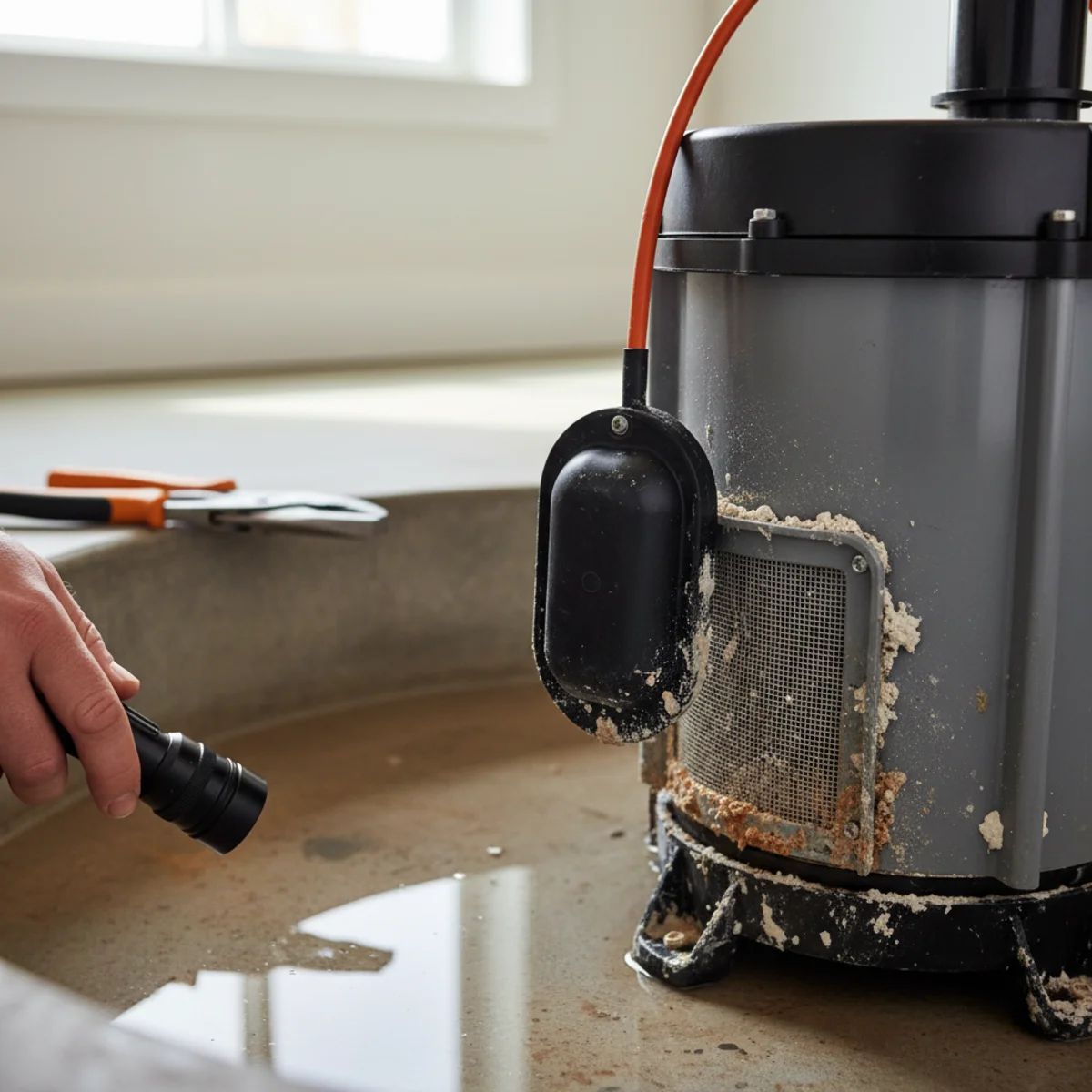
Common Sump Pump Float Switch Problems
The float switch is the most common point of failure on a sump pump. Here are the float switch problems we see most in Littleton basements and how to spot them early.
 Sump Pump Basics
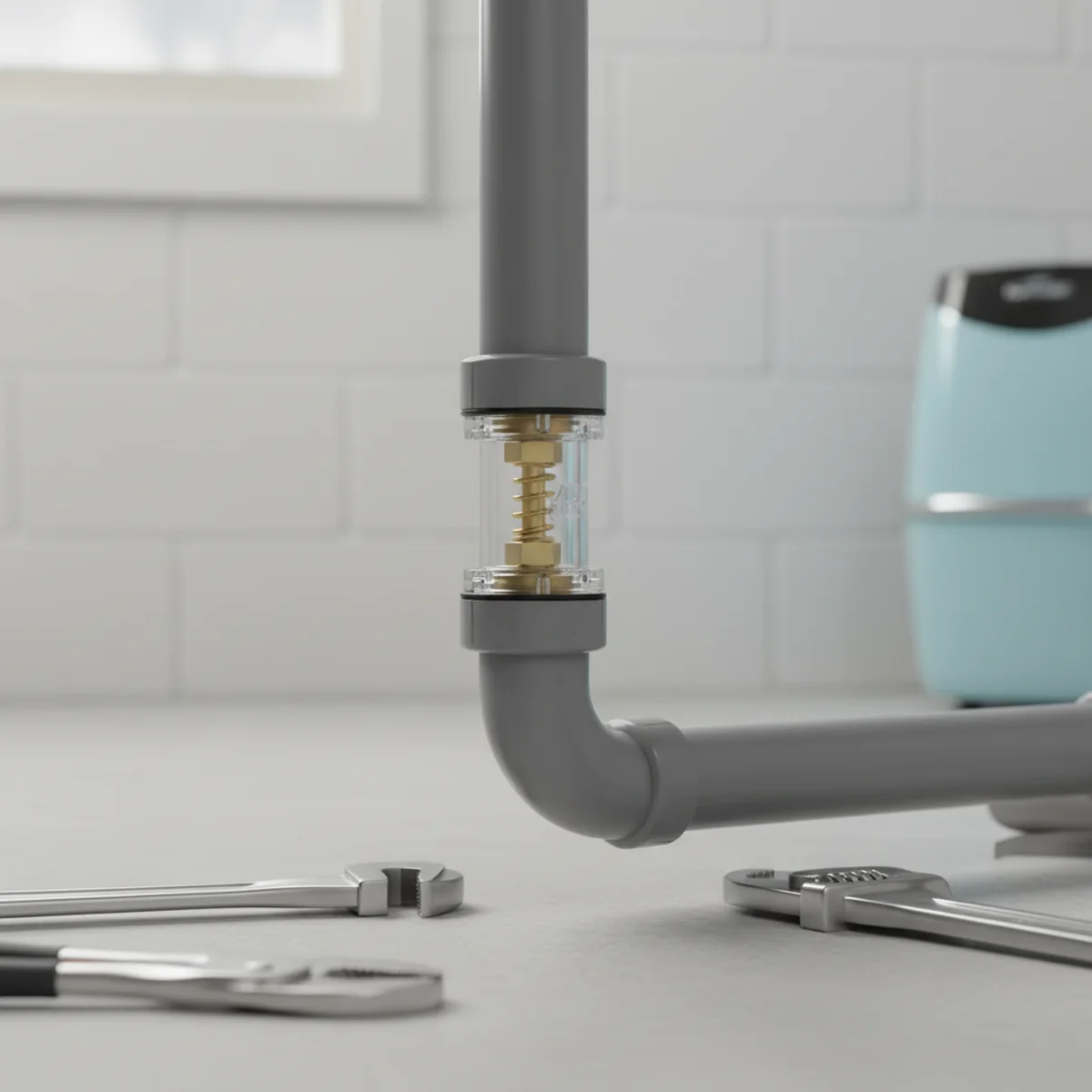
Sump Pump Check Valves Explained
A check valve is a small part that keeps pumped water from flowing back into the pit. Here is how it works and how to spot one that is failing.
 Sump Pump Basics
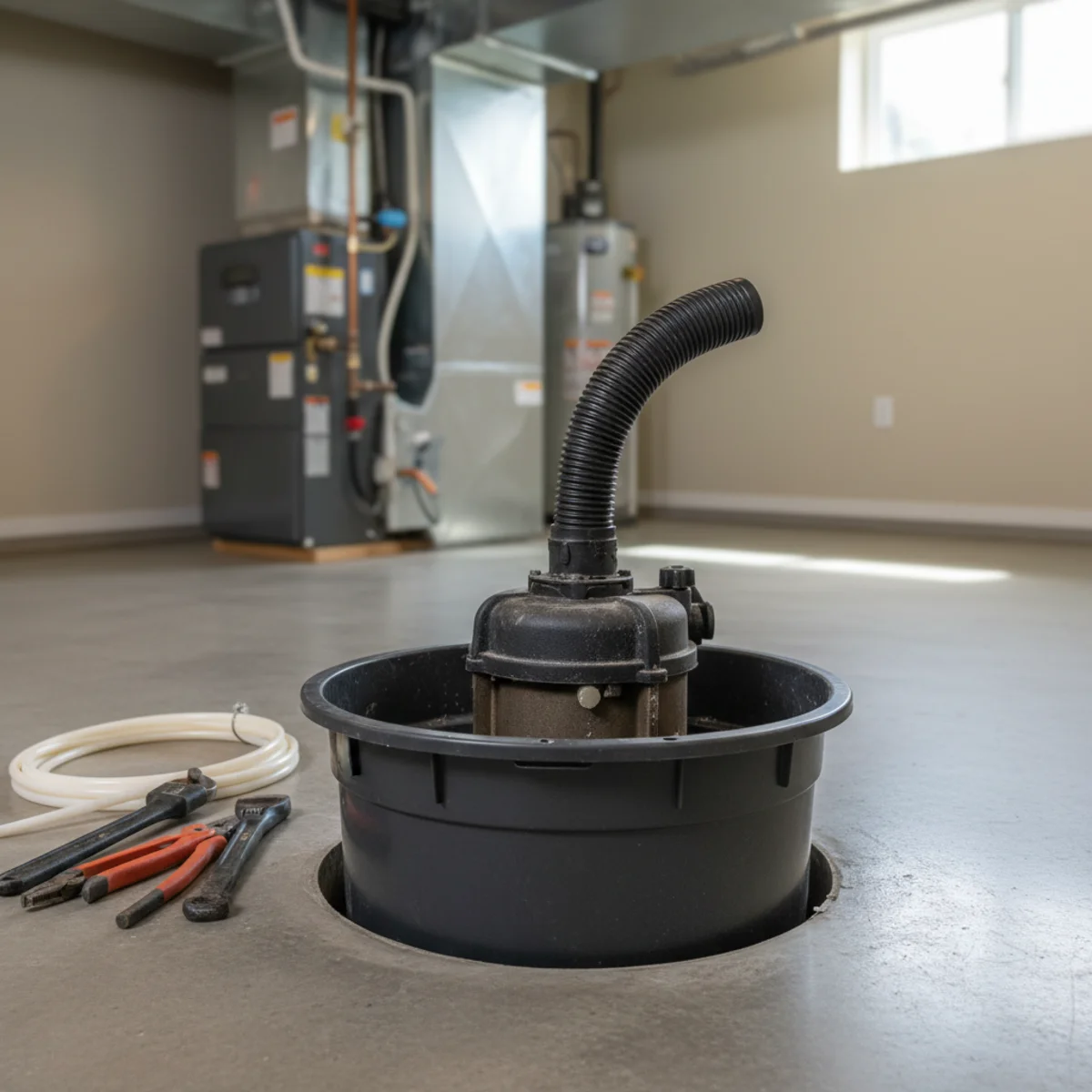
How Long Does a Sump Pump Last?
Most sump pumps last about a decade, but Littleton conditions can shorten that. Learn the real lifespan, what wears a pump out, and the signs it is time to replace.
Protect Your Basement Before the Next Storm
Get professional sump pump help from a local Littleton specialist. Clear, upfront estimates and careful, clean workmanship.
Available by appointment. Emergency sump pump help available.