Sump Pump Check Valves Explained
It is a small part. Most homeowners never think about it. But a failed check valve can make a perfectly good sump pump run twice as hard and wear out years early.
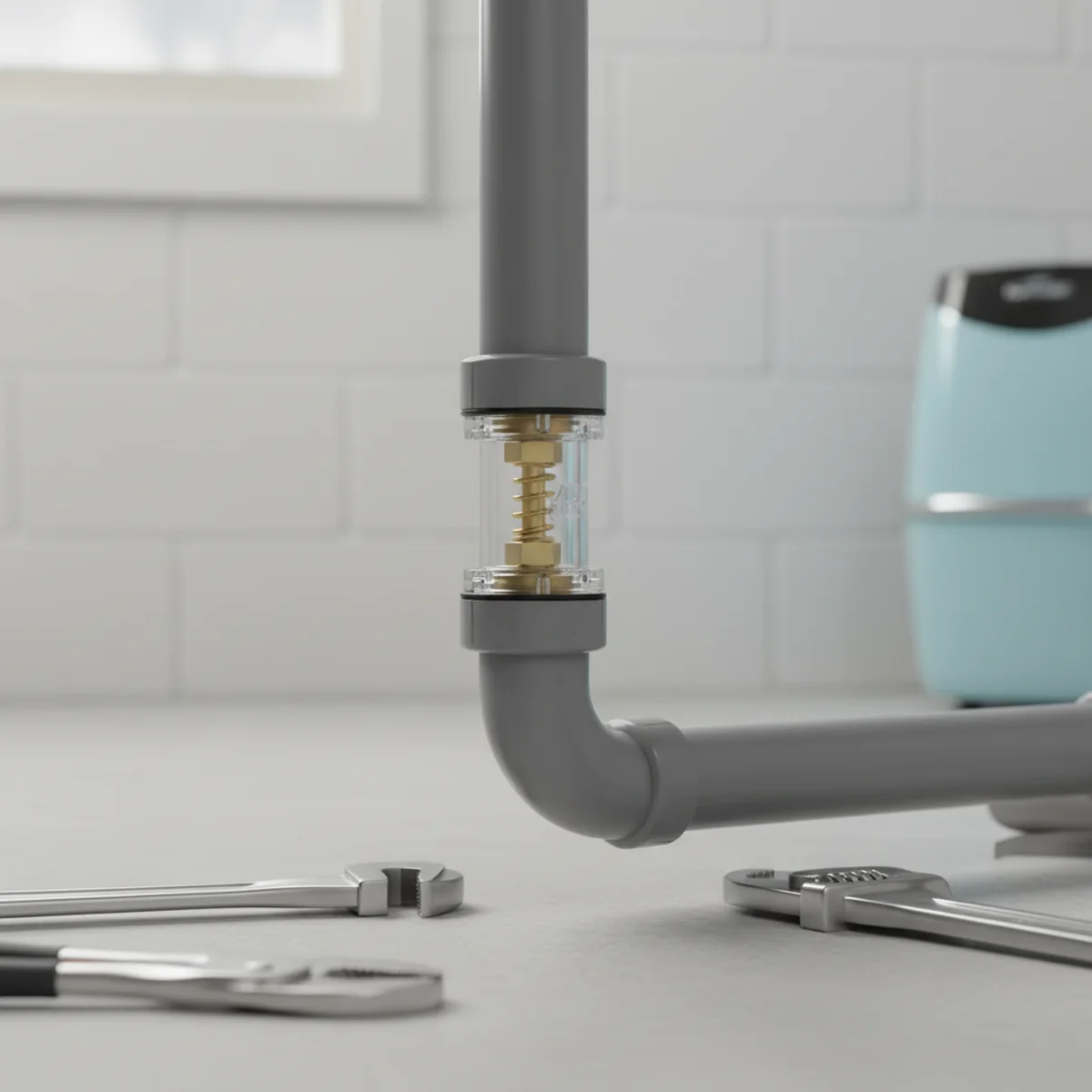
The check valve sits on the discharge line just above your pump. Its only job is to stop water from draining back down after each cycle. When it works, you barely notice it. When it fails, you get a clunking noise, a pump that short-cycles, and a basin that never quite stays empty.
This guide explains what a check valve does, why it matters in Littleton's freeze-thaw climate, and how to tell when yours needs attention. No jargon for its own sake, just the parts that affect your basement and your pump's lifespan.
- Local Littleton Service
- Professional Installation
- Clear, Upfront Estimates
- Battery Backup Options
- Careful, Clean Workmanship
- Emergency Help Available
What a Check Valve Actually Does
Your sump pump pushes water up the discharge line and out away from the foundation. The moment the pump shuts off, gravity wants to pull all the water still sitting in that vertical pipe straight back down into the pit.
The check valve stops that. It is a one-way gate. Water flows up and out, then the valve snaps shut so nothing drains back. Without it, that backflow refills the basin, the float trips again, and the pump kicks on to pump the same water a second time. You can hear it happen: the pump shuts off, water rushes back down, and seconds later the motor fires up again to move the very water it just lifted.
That repeat cycling is the real cost of a missing or failed valve. The pump does double the work for the same amount of groundwater, which means more wear on the motor and a shorter lifespan. Picture a pump rated for years of normal cycling suddenly running twice as often. It ages twice as fast, all because of a part that costs a fraction of the pump itself.
There is a quieter cost, too. A pump that never gets a real rest between cycles runs warmer and is more likely to trip its thermal cutoff during a long, wet stretch. The check valve is what lets the pump empty the pit, shut off, and stay off until real water comes in. Take it away and the whole system works against itself.
Why It Matters in Littleton
Front Range winters cycle above and below freezing constantly. A check valve placed correctly keeps water out of the section of discharge line that is most exposed to freezing, which reduces the odds of an ice plug forming and blocking the whole system. A line full of standing water in January is a line waiting to freeze.
There is also the clay-soil factor. Our expansive clay drives groundwater toward the pit and keeps pumps cycling often, especially through spring snowmelt. Every wasted backflow cycle adds up fast on a pump that is already working overtime. A sound check valve means each cycle clears real water, not the same gallon twice.
In a finished basement the stakes climb higher. A pump that short-cycles itself to an early death is one more way water finds its way past your defenses and into drywall and flooring. A reliable check valve is cheap insurance for an expensive space.
Signs Your Check Valve Is Failing
A failing check valve usually announces itself. The most common tell is a loud clunk a second or two after the pump shuts off. That sound is water slamming the valve, or slamming back down the line when the valve no longer holds. Homeowners often describe it as a hammer hit on the pipe, and in a quiet finished basement it carries right up through the floor.
Watch the pit, too. If the water level rises again right after a cycle with no new water entering, the valve is letting backflow through. Pair that with a pump that kicks on more often than the weather seems to call for, and you have a strong case for a valve replacement. A simple way to test it: after a cycle ends, watch the basin for a minute. A healthy system holds steady. A failed valve lets the level creep back up.
Run through the checklist below if you suspect a problem. Several of these together point clearly at the valve rather than the pump itself.
- A loud clunk or hammering sound shortly after the pump shuts off
- The pump short-cycles, running again moments after it stopped
- Water in the pit refills on its own with no rain or snowmelt
- The pump runs noticeably more often than it used to
- Visible leaking or corrosion at the valve fitting on the discharge line
- The discharge line keeps freezing where water sits and drains back
Placement and Valve Types
Where the valve sits matters. It should be installed on the vertical discharge line above the pump, low enough that it does not leave a tall column of water to slam down, but accessible enough to service later. Poor placement is a common reason a valve gets noisy or wears out early. Too high, and every shutoff sends a hammer-blow of water crashing onto the closed flap.
There are a few common styles. Spring-loaded valves close fast and quietly, which reduces the clunk. Swing-style flapper valves are simpler and inexpensive but tend to be louder. Quieter cushioned valves cost a bit more and are a nice upgrade under a finished basement where noise carries up through the floor.
For most homes the right answer is a quality valve sized to the discharge line and placed by someone who has installed plenty of them. It is a small part, but getting the type and position right is what keeps it quiet and reliable for years.
Repair, Replace, or Leave It Alone
A check valve is not a part you repair. If it has failed, you replace it. The good news is that it is one of the more affordable fixes in the whole sump system, and swapping it can take a struggling pump back to normal cycling.
If your pump is otherwise healthy and the only symptom is backflow noise or short-cycling, a new valve often solves the whole problem on its own. No need to replace the pump over a bad valve. We see homeowners ready to buy a whole new system when a simple valve swap would have fixed it.
When the valve goes out alongside an aging pump, it is worth looking at the system as a whole. Sometimes the smart move is to address both during one visit so you are not back in the basement next season chasing the next worn part. Either way, you get a clear, upfront estimate before any work begins.
Frequently Asked Questions
Keep Reading
 Maintenance & Troubleshooting
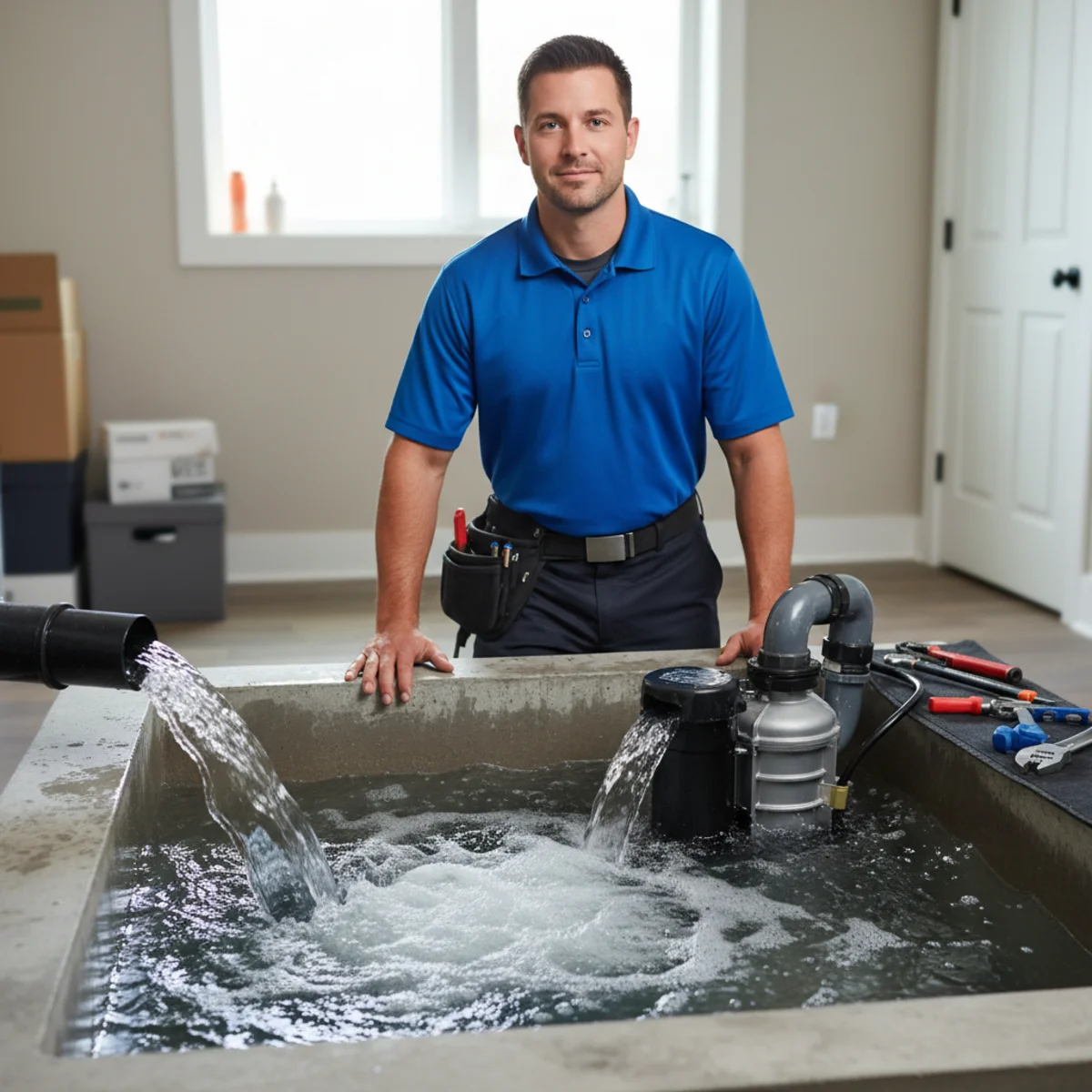
Why Does My Sump Pump Run Constantly?
A sump pump that never shuts off is wearing itself out and warning you of a bigger problem. Here are the real causes and how to fix them.
 Sump Pump Basics
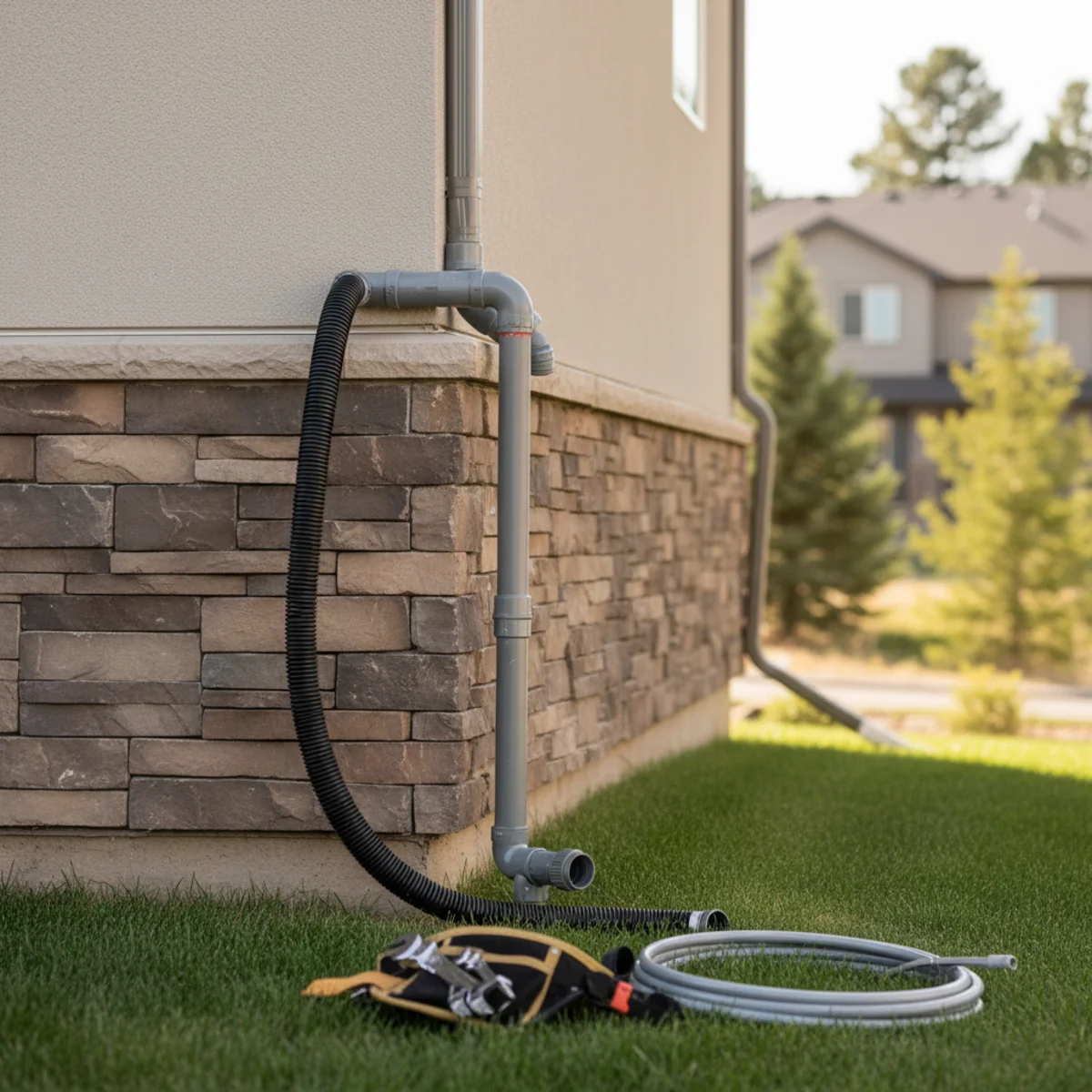
Sump Pump Discharge Line Options for Homeowners
Your sump pump is only as good as where it sends the water. Compare discharge line options and learn how to route the pipe so water leaves for good.
 Littleton Homeowner Guides
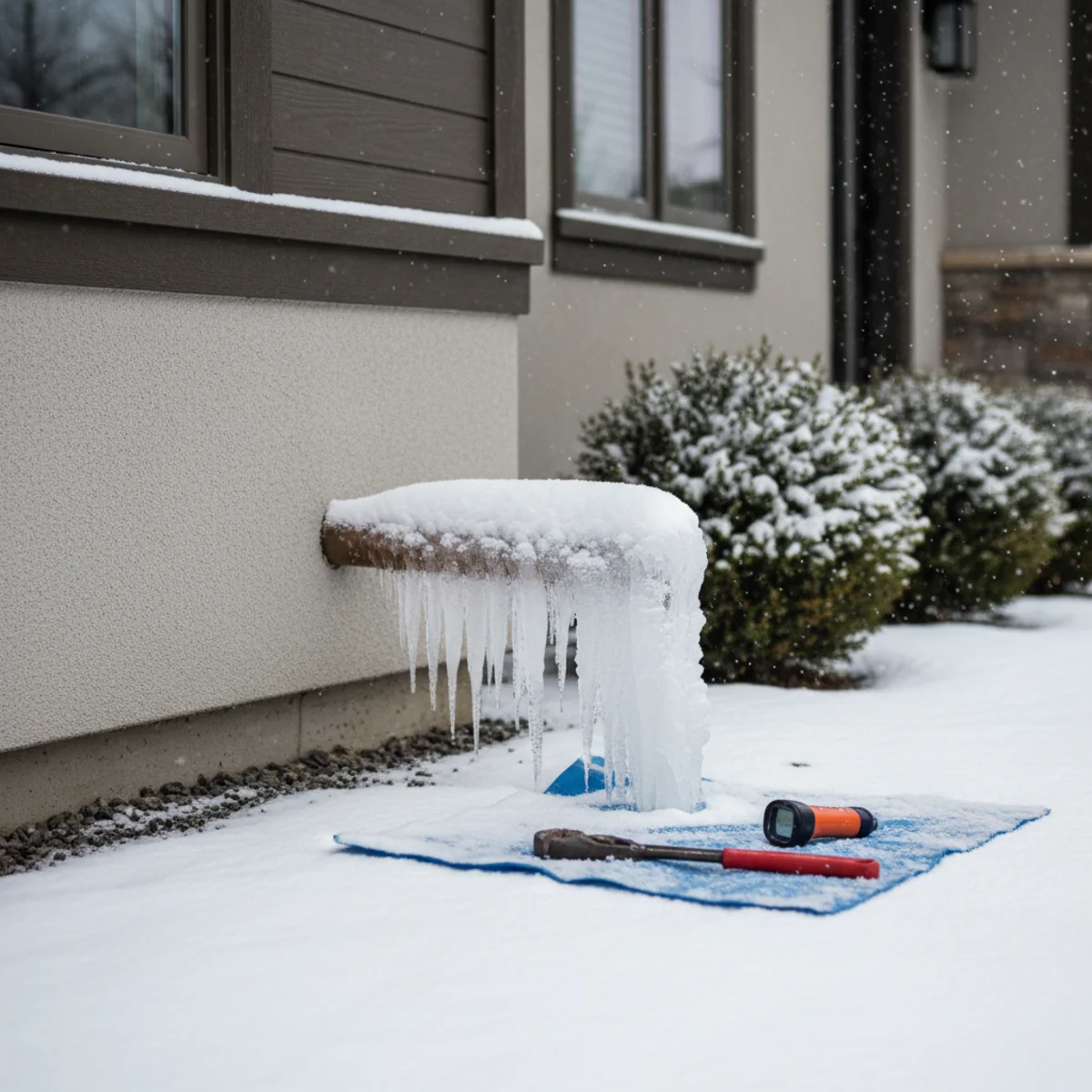
What to Do If Your Sump Pump Discharge Line Freezes
A frozen discharge line traps water in the pit and can burn out your pump. Here's how to spot it, thaw it safely, and stop it from happening again.
Protect Your Basement Before the Next Storm
Get professional sump pump help from a local Littleton specialist. Clear, upfront estimates and careful, clean workmanship.
Available by appointment. Emergency sump pump help available.