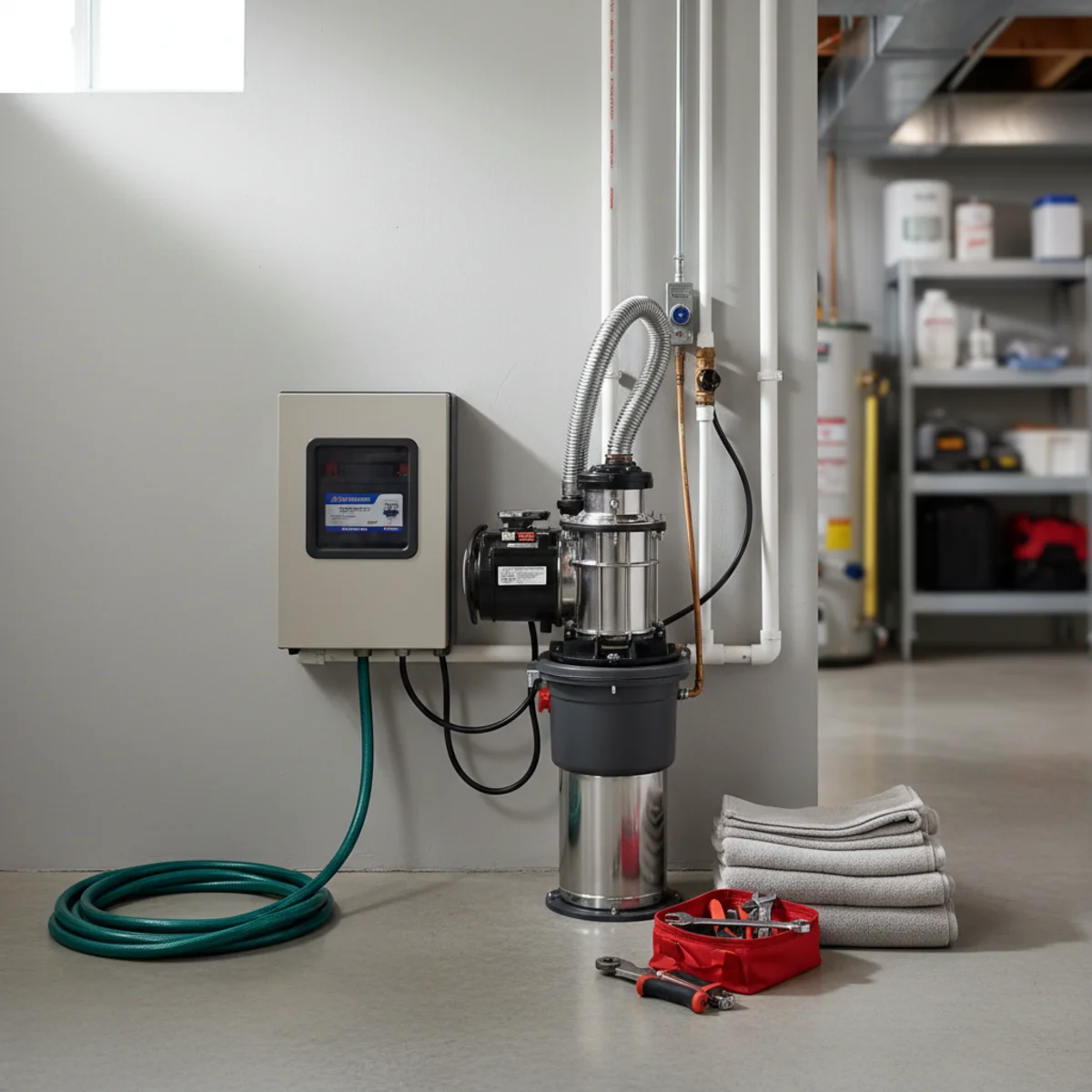
Is a Battery Backup Sump Pump Worth It?
The worst storm is the one that floods your basement and kills your power at the same time.
It happens more than you would think along the Front Range. A heavy summer thunderstorm dumps water, the groundwater rises, and a lightning strike or downed line cuts the electricity to your house. Your primary sump pump, the one you trusted, goes silent exactly when the pit is filling fastest. By morning there is two inches of water over a finished basement floor.
A battery backup sump pump exists for that exact moment. The question is whether it is worth the cost for your home. For some Littleton homeowners it is nice insurance. For others, it is the difference between a dry basement and a five-figure cleanup. Let us sort out which one you are.
- Local Littleton Service
- Professional Installation
- Clear, Upfront Estimates
- Battery Backup Options
- Careful, Clean Workmanship
- Emergency Help Available
How a Battery Backup Sump Pump Works
A backup system is a second pump in the same sump basin, powered by a battery instead of household current. When the power is on, it sits idle and the battery stays charged. When the power drops, or when your primary pump cannot keep up with the incoming water, the backup kicks in automatically.
It runs off a deep-cycle battery, so it keeps pumping through an outage for a stretch of hours, depending on how often it cycles and how big the battery is. Many systems include a high-water alarm that warns you the moment the backup engages, so you are not discovering the problem after the fact.
Here is a detail people miss: a backup is not only for outages. If your primary pump fails mechanically, or its float switch sticks, or the inflow simply overwhelms a single pump during a heavy event, the backup steps in then too. It is a second set of hands in the pit, not just a power substitute. That makes it useful even in homes that rarely lose electricity.
There is also a water-powered backup option that uses your home's water pressure instead of a battery, which never needs recharging. Each approach has trade-offs, and our backup guide compares them in detail.
Who Really Needs a Backup System
Not every home needs the same level of protection. Run down this list and be honest about how many apply to you.
The more boxes you check, the more a backup moves from optional to essential.
- You have a finished basement, or store anything valuable down there
- Your area loses power during storms, which is common across the Denver metro
- Your primary pump runs often during spring snowmelt or summer storms
- You travel or are away from home for stretches at a time
- Your home sits low, or your water table is high after wet weather
- A single flood would damage flooring, drywall, mechanicals, or keepsakes
- You rely on one pump with no redundancy today
Why Backups Matter on the Front Range
Two local realities make backups especially sensible here.
First, our storms and our power grid do not always cooperate. The same fast-moving summer thunderstorms that overload a sump pit are the ones that knock out electricity. That overlap, peak water and no power at once, is precisely the failure a battery backup is built to cover.
Second, Littleton's clay-heavy soil holds water against the foundation and keeps feeding the pit long after the rain stops. A power outage during or right after a storm is not a brief inconvenience for a sump pump. The water keeps coming whether the lights are on or not, and hydrostatic pressure does not pause for the utility company.
Spring brings its own version of this. Snowmelt runoff can keep a pit cycling for days, not hours, and a long-duration event is exactly when a single pump is most likely to overheat or wear out. A backup spreads that load and gives you a margin of safety through the stretch when your primary is working hardest.
Battery vs. Water-Powered: A Quick Comparison
If you decide a backup is worth it, the next question is which kind. Both keep pumping when your primary cannot, but they get their muscle from different places.
Here is the short version, side by side, so you can see where each fits.
- Battery backup: installs in almost any home, runs independent of your plumbing, but the battery needs periodic replacement and has a finite run time per outage
- Battery backup: ideal where municipal water pressure is uncertain or you want a self-contained system
- Water-powered backup: never needs recharging and can run as long as water flows, with no battery to maintain
- Water-powered backup: requires adequate municipal water pressure and uses some water while running, so it suits homes on city water with good pressure
- Both: pair best with a high-water alarm so you know the moment the backup takes over
Weighing Cost Against Risk
A backup system is an added cost on top of your primary pump. That is the honest trade-off. So weigh it against what a flood would actually cost you.
Replacing soaked carpet, drywall, baseboards, and damaged belongings in a finished basement adds up fast, and that is before you factor in the hassle and the mold risk that follows standing water. Against that, the cost of a backup system is modest. For an unfinished basement used only for storage, you might reasonably decide the risk is lower. For a finished space, the math usually favors the backup.
If you want to budget it out, our battery backup cost overview lays out the factors. Installing the backup at the same time as a new or replacement primary pump is generally the most economical route.
Keeping a Backup Ready
A backup only helps if it works on the day you need it, so it is not entirely set-and-forget. Batteries lose capacity over time and eventually need replacing, usually every handful of years depending on use and type.
Test the system on a schedule, the same way you would test your primary pump before storm season. Pour water into the pit, confirm the backup engages, and check that the high-water alarm sounds. Replace the battery before it fails, not after.
We install primary and backup pump options together and can set you up with battery or water-powered backups suited to your basement. Call (207) 419-2600, and if a storm has already knocked out your pump, emergency sump pump help is available.
Frequently Asked Questions
Keep Reading
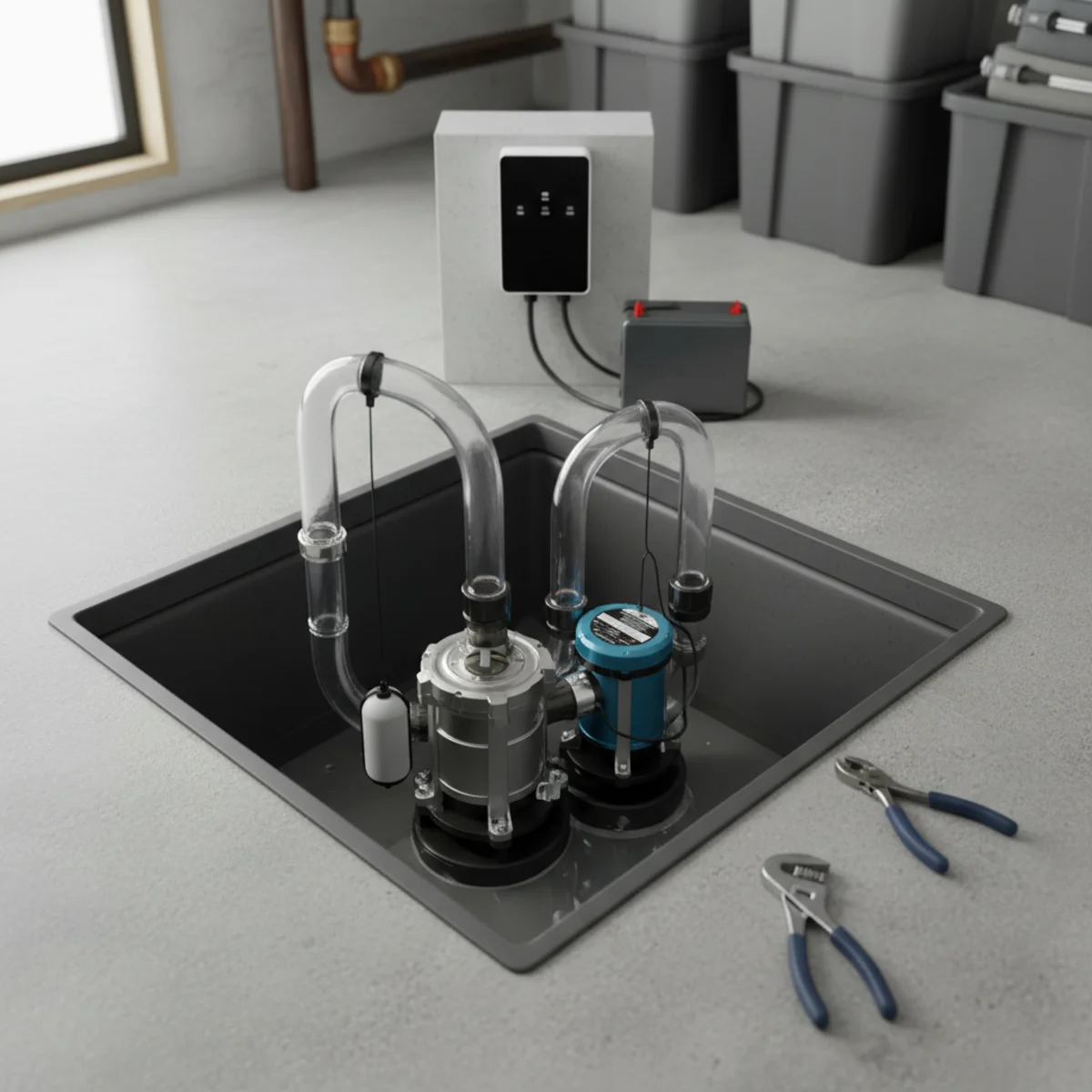 Backup Pump Systems
Complete Guide to Sump Pumps with Battery Backup
A primary sump pump is useless when the power goes out, and storms cause both. Here's a complete guide to sump pumps with battery backup for Front Range homes.
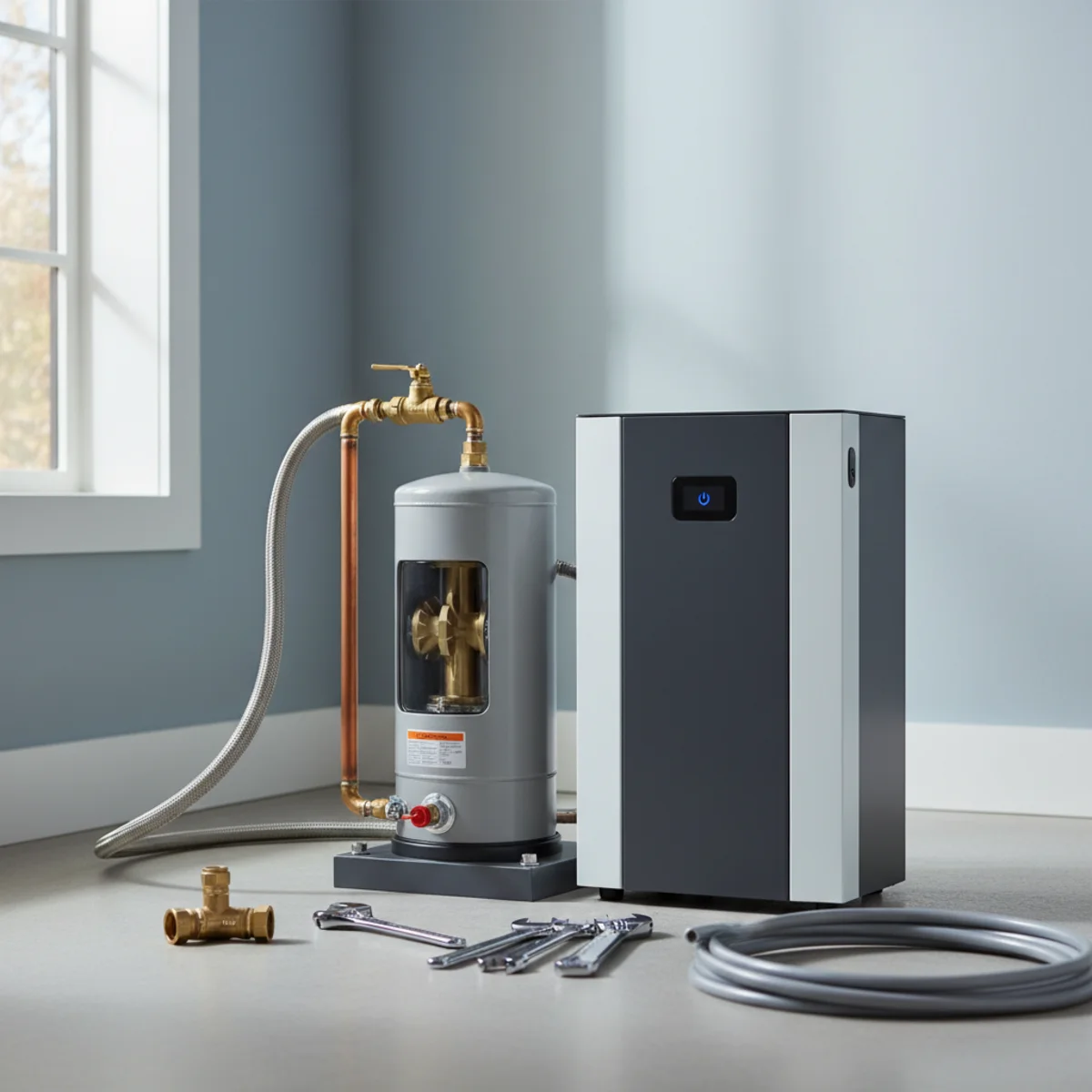 Backup Pump Systems
Water-Powered vs Battery Backup Sump Pump
A primary pump only works when the power is on. Here is how water-powered and battery backup sump pumps compare for Littleton basements during storm outages.
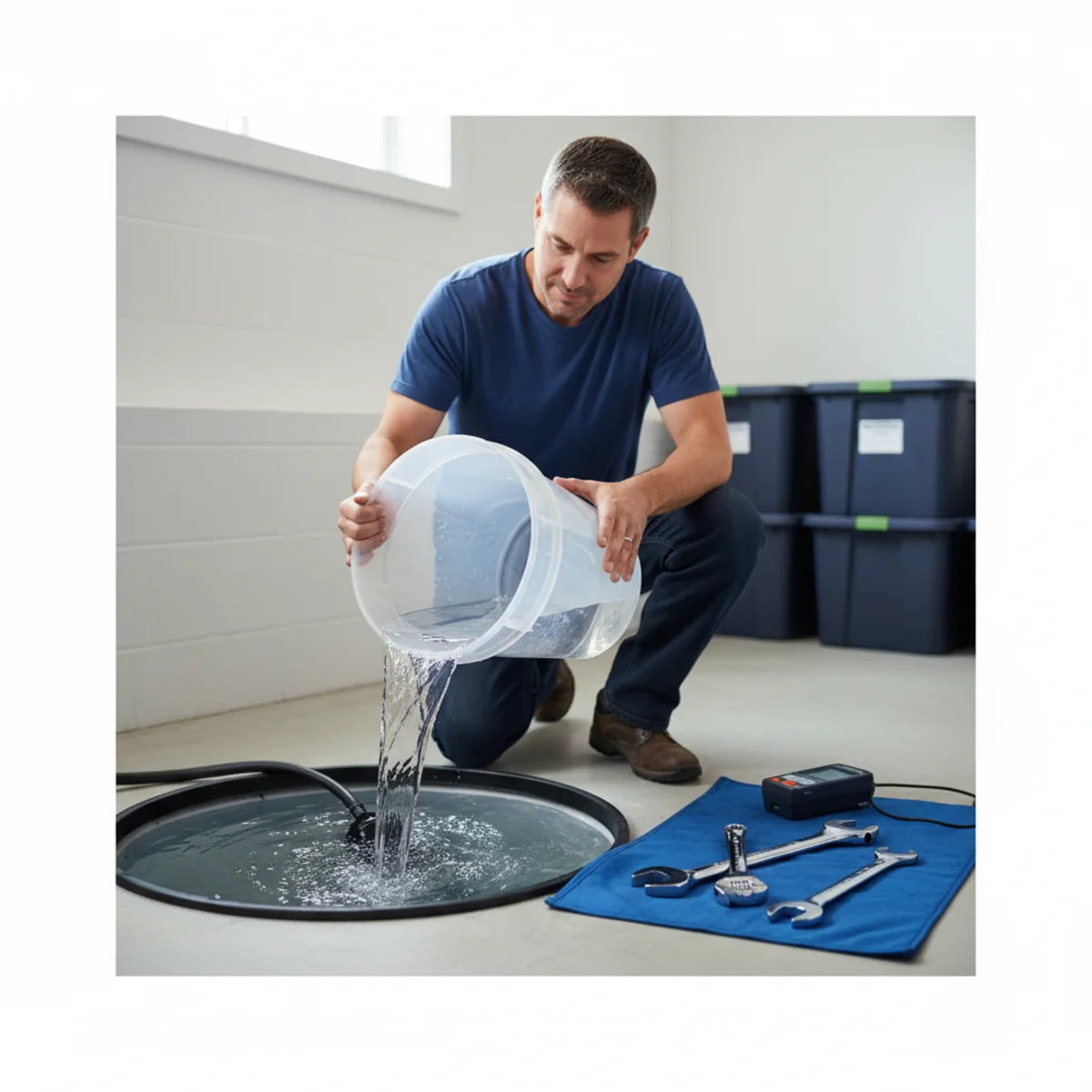 Maintenance & Troubleshooting
How to Test Your Sump Pump Before a Storm
The time to find out your pump is dead is not during the storm. Here's a five-minute test you can run yourself before the rain hits.
Protect Your Basement Before the Next Storm
Get professional sump pump help from a local Littleton specialist. Clear, upfront estimates and careful, clean workmanship.
Available by appointment. Emergency sump pump help available.