
Emergency Sump Pump Repair Guide
The pump is silent. The pit is full. Water is creeping across the basement floor and the storm is not letting up. This is the moment a sump pump is supposed to earn its keep, and it just did not.
Panic does not help, but speed does. Some pump failures have a quick fix you can handle in the next few minutes. Others need a pro. Knowing the difference, and acting fast on the things you can control, is what keeps a scare from becoming a flooded finished basement.
This guide walks through what to do the moment a pump fails, the safe checks worth trying, and when to stop troubleshooting and call for emergency sump pump help. Read it now if you can, so the steps are familiar before you ever need them.
- Local Littleton Service
- Professional Installation
- Clear, Upfront Estimates
- Battery Backup Options
- Careful, Clean Workmanship
- Emergency Help Available
First Moves When the Pump Fails
Safety comes before the pump. If there is standing water near outlets, the furnace, or the electrical panel, do not wade in. Water and electricity together are a real hazard. If you cannot reach the pump safely, stay back and call for help instead of risking it.
If it is safe to approach, your first goal is to slow the damage while you diagnose. Move what you can off the floor, especially anything that water will ruin. Pull boxes, electronics, and rugs up onto shelves or higher ground. Every item you save now is one less loss later.
Then look at the pump. Many mid-storm failures come down to power, a stuck float, or a clog, and a couple of those you can fix yourself in minutes. Stay calm and work the problem in order rather than yanking at parts at random.
If you have a backup pump, this is the moment it should take over. Confirm it is actually running and moving water. A backup that has sat unused for a year can have its own stuck float or a dead battery, so do not assume it has the situation handled until you see water leaving the pit.
Quick Checks That Sometimes Fix It
Work through these in order. More than once, a dead pump turns out to be a tripped breaker or a float wedged against the basin wall, and the fix takes seconds. Start with power, since it is the most common culprit and the easiest to rule out.
Go gently. You are checking and clearing, not forcing. If the pump hums but will not move water, do not keep cycling power at it, since running a jammed motor can finish off a pump that was otherwise salvageable. Note what you see and move on to getting water out.
If none of these brings the pump back, stop. Continuing to fight a failed pump while water rises is wasted time better spent getting water out and getting help on the way.
- Confirm power: check that the pump is plugged in and the outlet has power
- Check the breaker: reset a tripped breaker for the sump circuit
- Look at the float switch: free it if it is stuck against the pit wall
- Check piggyback plugs: make sure the float plug is seated into the pump plug
- Inspect the intake: clear gravel, silt, or debris clogging the pump screen
- Check the discharge line: look for a frozen or blocked line stopping outflow
- Listen: a humming pump that will not move water often points to a jam or seized impeller
Getting Water Out While You Wait
If the pump is truly down and water is still rising, shift focus to removal. A wet/dry shop vacuum can pull a surprising amount of water from a small area and buy you time. Empty it often and keep it away from any standing water near outlets. Most shop vacuums are not rated to sit in standing water, so set it on a dry step or shelf and work from there.
For a pit that keeps refilling, bailing with a bucket is crude but it works in a pinch. The goal is simply to keep the water below the level where it spreads onto finished flooring or reaches anything valuable. Even slowing the rise helps while you wait for help. Two people trading buckets can hold a pit surprisingly well during a short storm surge.
Keep an eye on where the water is going. If it is heading toward the furnace, water heater, or electrical panel, that raises the urgency. Get those areas clear and make the call for emergency help if you have not already. Water has a way of finding the most expensive path, and a finished basement turns a minor pump failure into a major loss in a matter of hours.
When to Stop and Call for Help
Call when the quick checks come up empty and water is still rising. A seized motor, a failed switch you cannot reset, or a discharge line you cannot clear are not safe to keep wrestling while the basement fills.
Call right away if water is anywhere near electrical components, if you smell anything off from a sewage backup, or if the volume is simply more than a shop vac can keep up with. Those situations move fast and are not worth gambling on. A sewage smell in particular means stop, because that is a health hazard, not just a water problem.
When you call, it helps to have a few details ready: the age of the pump if you know it, whether the float and power check out, and how fast the water is rising. That lets us point you toward the right immediate step and bring the right parts.
Emergency sump pump help is available. Call (207) 419-2600 and we can talk through what is happening and get someone out. The sooner the pump is back online or swapped, the less water finds its way into walls and flooring, and the smaller the cleanup.
After the Crisis: Prevent the Next One
Once the water is handled, do not just exhale and forget it. A pump that failed once will fail again if the underlying cause is still there. Figure out why it quit: age, a worn float, a clog, or a power outage that left it dead in the water.
The single best safeguard against a repeat is a backup system. Many storm failures are simply power outages, and a primary pump cannot run without electricity. A battery backup or water-powered backup keeps the pit emptying when the grid goes down, which is exactly when Front Range storms tend to strike.
It is also worth scheduling an inspection before the next wet season. A check of the pump, float switch, check valve, and discharge line catches the weak link before the next storm finds it for you. Prevention in the dry months is far cheaper than cleanup in the wet ones.
Frequently Asked Questions
Keep Reading
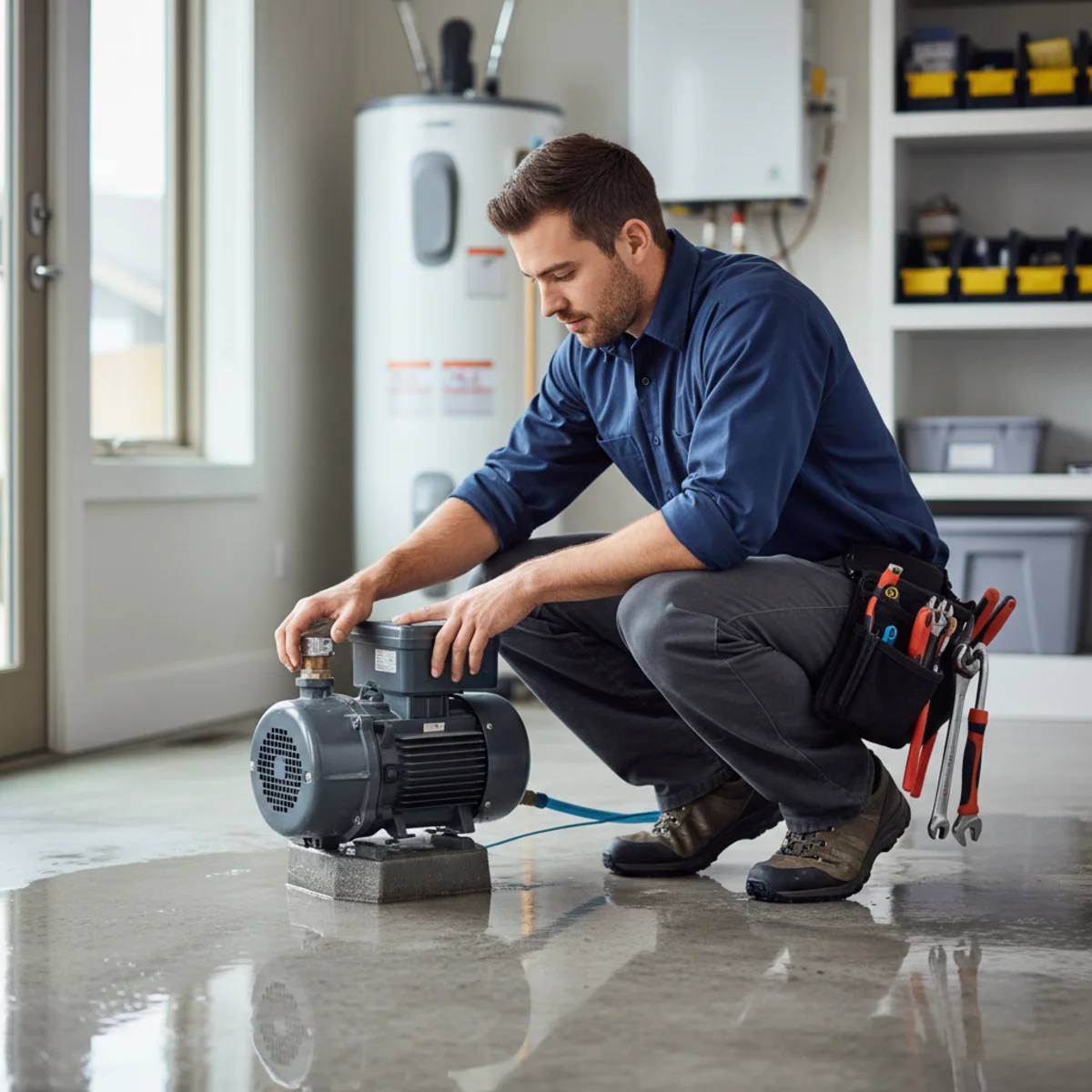 Maintenance & Troubleshooting
Sump Pump Not Working and Basement Flooded? What to Do Next
Pump dead and water rising? Start with the emergency steps below, then work through the diagnosis. Emergency sump pump help is available.
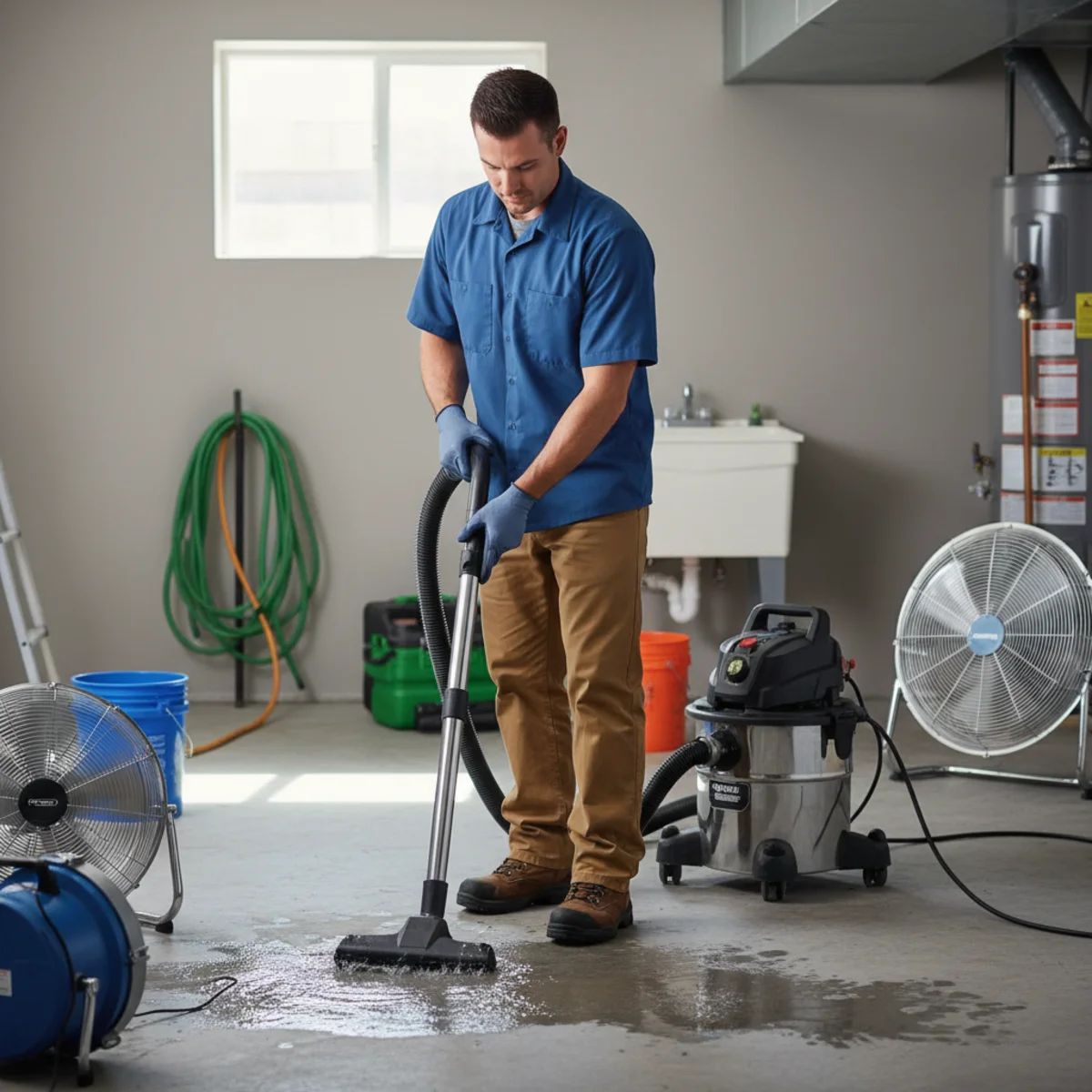 Basement Flood Prevention
Basement Flood Cleanup After Sump Pump Failure
When a sump pump fails and the basement floods, the first hours matter. Here is a safe, practical cleanup sequence for Littleton homeowners, and how to stop it happening again.
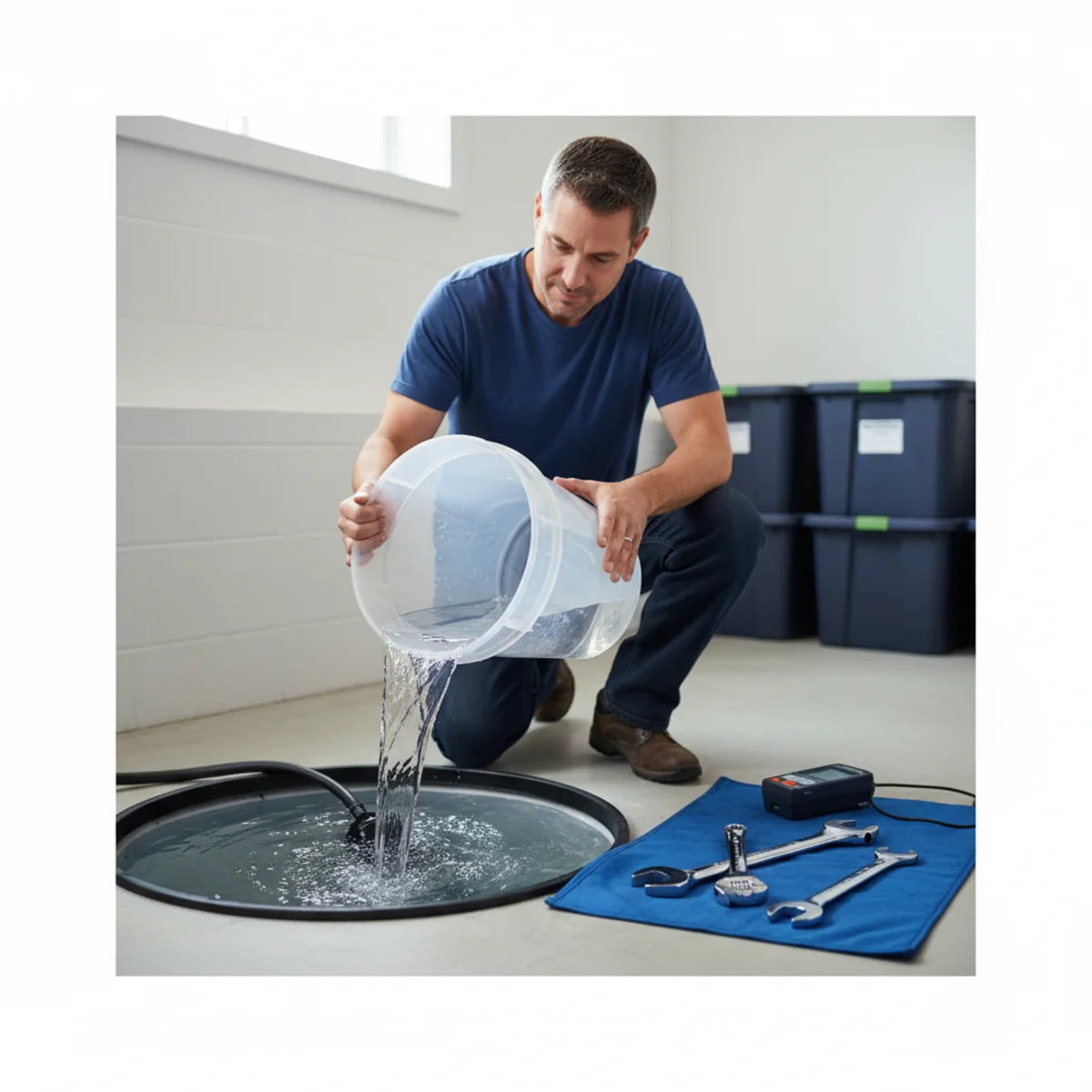 Maintenance & Troubleshooting
How to Test Your Sump Pump Before a Storm
The time to find out your pump is dead is not during the storm. Here's a five-minute test you can run yourself before the rain hits.
Protect Your Basement Before the Next Storm
Get professional sump pump help from a local Littleton specialist. Clear, upfront estimates and careful, clean workmanship.
Available by appointment. Emergency sump pump help available.