
Sump Pump vs French Drain: Which Does Your Basement Need?
Quick answer
A French drain collects and redirects water by gravity; a sump pump lifts water out of the basement with a motor. They aren't really competitors. Most wet basements in Littleton's clay soil are best served by an interior drain that feeds a sump pit, or by a sump pump alone if water only rises near the low point.
Search for basement flooding solutions and you will see the same debate: sump pump or French drain. It is a bit of a false choice. The two do different jobs, and in a lot of basements they work as one system.
Here is what each does, where each falls short, and how to tell which your home actually needs.
- Local Littleton Service
- Professional Installation
- Clear, Upfront Estimates
- Battery Backup Options
- Careful, Clean Workmanship
- Emergency Help Available
What a French Drain Does
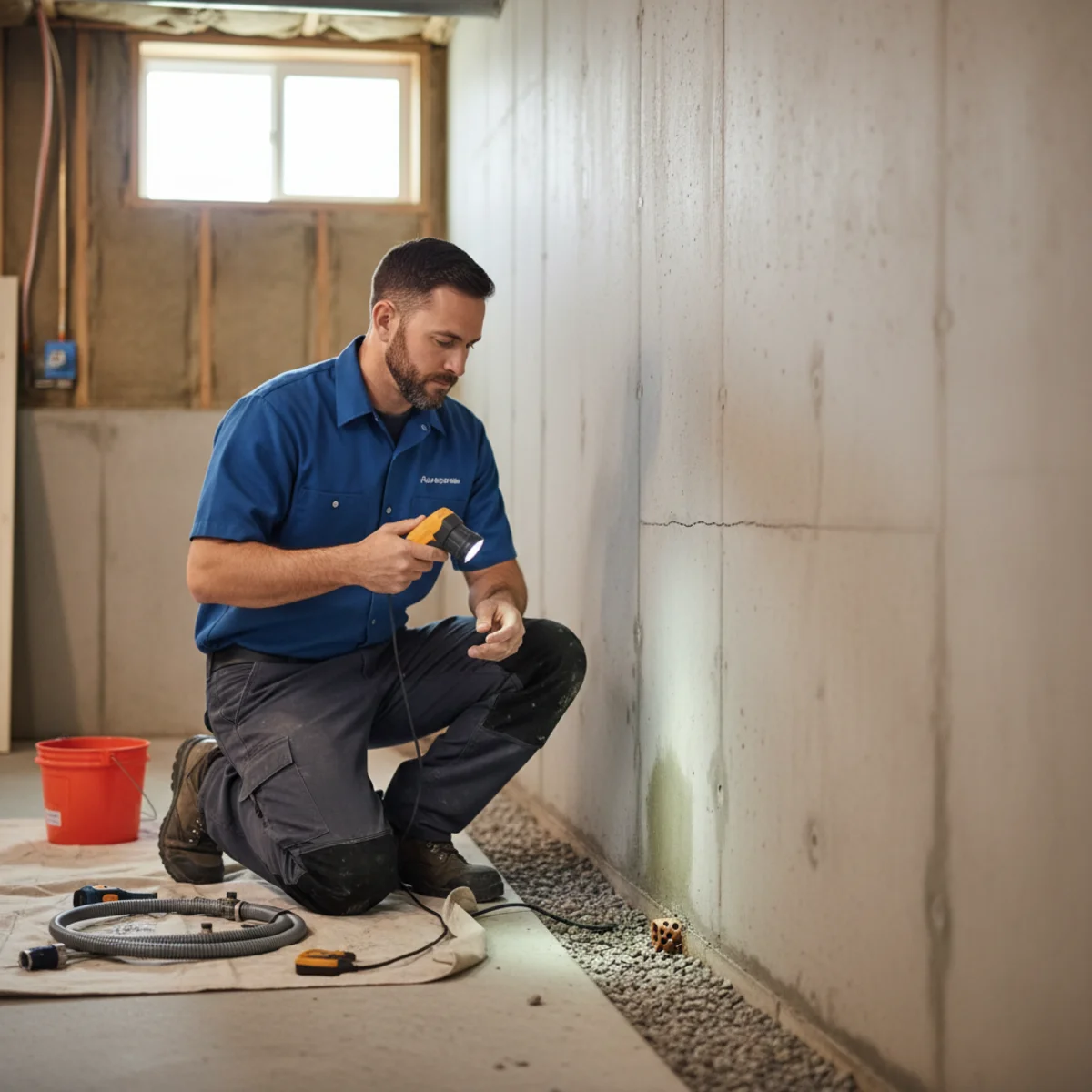
A French drain is a trench filled with gravel around a perforated pipe. Water in the surrounding soil finds the path of least resistance into the gravel, enters the pipe, and flows by gravity to wherever the pipe leads.
Exterior French drains run around the outside of the foundation or across a soggy yard. Interior versions, often called perimeter drains or drain tile, run under the basement slab along the walls.
What a Sump Pump Does
A sump pump sits in a pit at the low point of the basement. When water collects in the pit, the pump lifts it up and out through a discharge line and releases it away from the house.
The pump solves a problem a drain cannot: getting water uphill. If the low point of your drainage is below the ground outside, gravity alone cannot carry the water away.
Why They Usually Work Together
An interior perimeter drain is only useful if it has somewhere to send water. In most basements that destination is a sump pit, because the drain sits below grade with no way to drain by gravity.
So the common setup is a drain that collects seepage along the walls and feeds it to the pit, and a pump that sends it outside. The drain covers the whole perimeter; the pump does the lifting.
When a Sump Pump Alone Is Enough
If water rises through the floor near the low point, or the pit already fills during wet weather while the walls stay dry, a properly sized pump with a good discharge may be all you need.
This is common in Littleton homes where groundwater rises during spring snowmelt but walls do not actively leak.
When You Need Drainage Too
If water seeps in along a wall far from the pit, at the joint where the wall meets the floor, or in several spots at once, a pump alone will not catch it. That water needs a path to the pit.
If the yard holds water against the house because of grading or downspouts, an exterior fix, sometimes an exterior French drain, can stop the water before it reaches the foundation at all.
Exterior or Interior French Drain?
An exterior French drain sits outside the foundation, either along the footing or across a soggy part of the yard. It intercepts water before it reaches the wall, which is ideal, but installing one along an existing foundation means excavating beside the house, often through landscaping, walks, and patios. On a sloped lot it can drain to daylight by gravity.
An interior drain runs under the basement slab along the inside of the walls. It doesn't keep the wall itself dry from the outside, but it relieves the water pressure at the footing and carries seepage to the sump pit. It's usually far less disruptive to install in an existing home, which is why it's the more common choice for wet basements here.
- Exterior: stops water before the wall; major excavation on existing homes
- Interior: relieves pressure at the footing; requires cutting the slab inside
- Exterior on sloped lots can drain by gravity; interior almost always needs a sump
The Littleton Clay Factor
Expansive clay drains slowly and holds water against foundation walls. That makes interior drainage plus a sump especially effective here, because it relieves the pressure right where it builds up.
It also makes discharge placement critical. Water pumped out and dumped next to the house just soaks back into the same clay and returns to the pit.
Maintenance and Lifespan of Each
A sump pump is mechanical, so it wears out. Expect to test it every season, clean the pit once a year, replace the backup battery every few years, and replace the pump itself roughly every 7 to 10 years. In exchange, every part is reachable and replaceable.
A French drain has no moving parts, but it isn't permanent either. Over time, fine clay silt can clog the gravel and the perforated pipe, especially without filter fabric. Interior drains with cleanouts can be flushed; a clogged exterior drain usually has to be dug up. Either way, the drain is only as good as where it sends the water.
Quick Comparison
- Moves water by: French drain = gravity; sump pump = electric pump
- Best at: French drain = collecting seepage along walls or across a yard; sump pump = removing water from the low point
- Needs power: French drain = no; sump pump = yes (add a battery backup)
- Main failure: French drain = clogging with silt over time; sump pump = mechanical failure or power loss
- Disruption: interior drains require cutting the slab; a pump in an existing pit is a short job
How to Decide for Your Basement
These questions usually point to the right answer before anyone picks up a shovel.
- Does water appear at one low spot, or along a wall or several walls?
- Does the pit already fill in wet weather while the walls stay dry?
- Is the problem surface water from grading and downspouts, or groundwater from below?
- Is the basement finished, and how much would interior work disturb?
- Can water outside drain by gravity, or will it need to be pumped?
From the field
What Usually Works in Littleton Clay
In the basements we see, the most reliable fix for seepage along the walls is an interior perimeter drain feeding a properly sized sump pit, plus outside fixes that cut how much water reaches the foundation: downspout extensions, grade that slopes away, and irrigation pulled back from the walls. Exterior French drains make the most sense on new construction or when the walls are already exposed for another reason.
We also see the reverse mistake: an expensive drain system installed when the real problem was a downspout dumping at one corner. Fixing the outside first is cheap, and it tells you how much drainage the inside actually needs.


The Bottom Line
Don't choose between a sump pump and a French drain by name. Find out where the water enters and where it can go. A pump alone fits water that rises at the low point; a drain feeding a pump fits seepage along the walls; and fixing grading and downspouts first is almost always worth it.
Questions about your own system? Call (207) 419-2600 and talk it through with a local sump specialist.
Related services
Local help nearby
Sump Pump vs French Drain: Which Does Your Basement Need: Common Questions
Neither is better; they do different jobs. A French drain collects and redirects water, while a sump pump lifts it out of the basement. Many basements need a drain that feeds a sump pump.
Yes, if the pump or basin is undersized for the inflow. Adding capacity, a second pump, or a battery backup addresses that.
An interior French drain usually does, because it sits below the outside ground level and cannot drain by gravity. An exterior drain on a sloped lot may drain to daylight without one.
Not by itself. In clay-soil areas like Littleton, a sump pump often means the home has protection in place. What matters is whether the system is sized well and maintained.
It depends on the soil and the installation. In fine clay, silt can slowly clog the gravel and pipe. Filter fabric and cleanouts extend its life, and interior drains with cleanouts can be flushed rather than dug up.
Keep reading
 Basement Flood Prevention
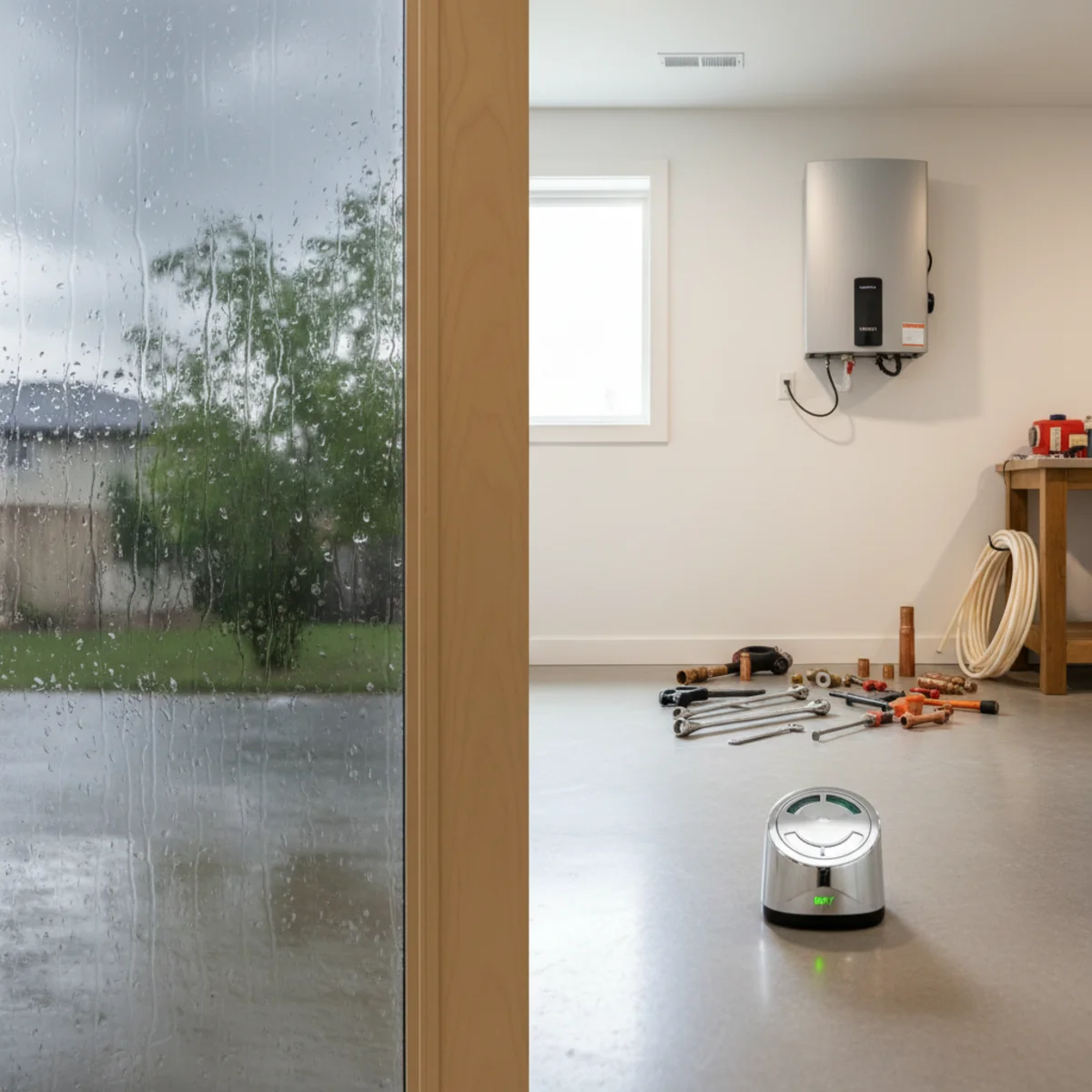
Basement Flooding With a Working Sump Pump? Here's Why
The pump was running and the basement still took on water. That usually means the water found a path the pump can't control. Here are the seven common causes.
 Basement Flood Prevention
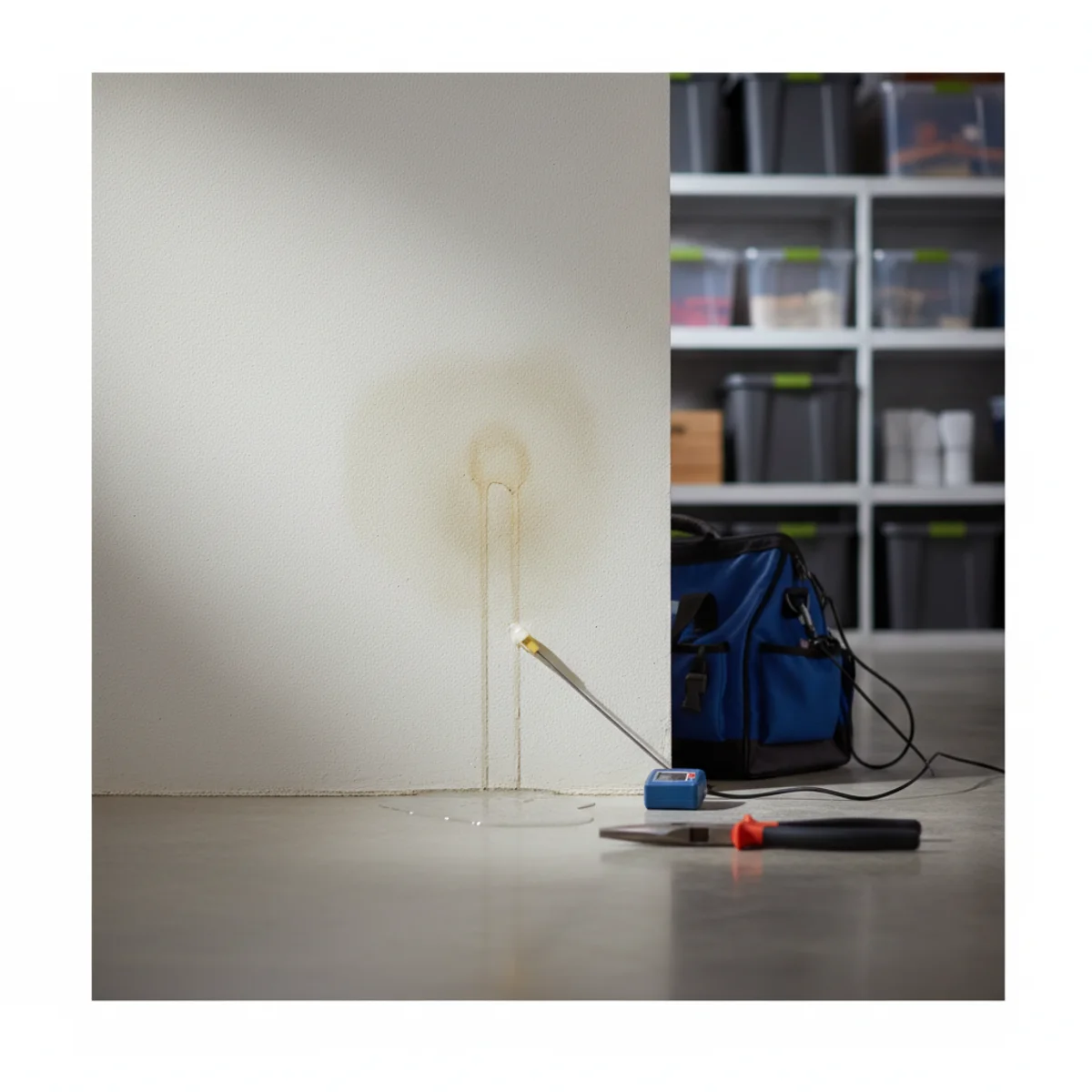
What Causes Water to Seep Through Basement Walls?
Damp streaks, wet corners, or beads of water on basement walls trace back to drainage and pressure outside. Here's what causes wall seepage and how to stop it.
 Sump Pump Basics
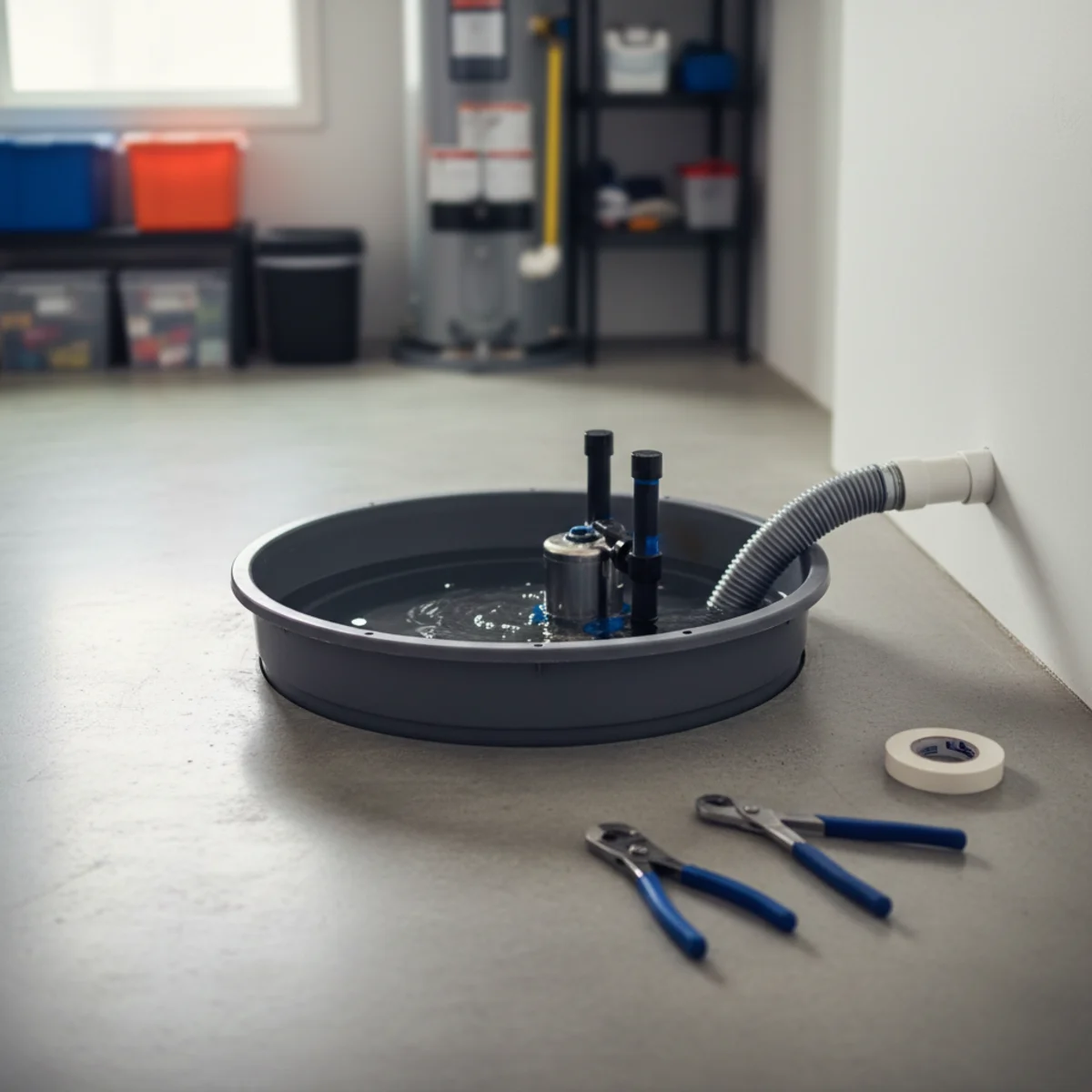
How Sump Pumps Help Protect Your Foundation
A sump pump keeps water off the basement floor, but its bigger job is relieving the pressure that works against your foundation. Here is how that protection works in Littleton.
Get Local Help: Basement Flood Prevention
Get professional sump pump help from a local Littleton specialist. Clear, upfront estimates and careful, clean workmanship.
Available by appointment. Emergency sump pump help available.