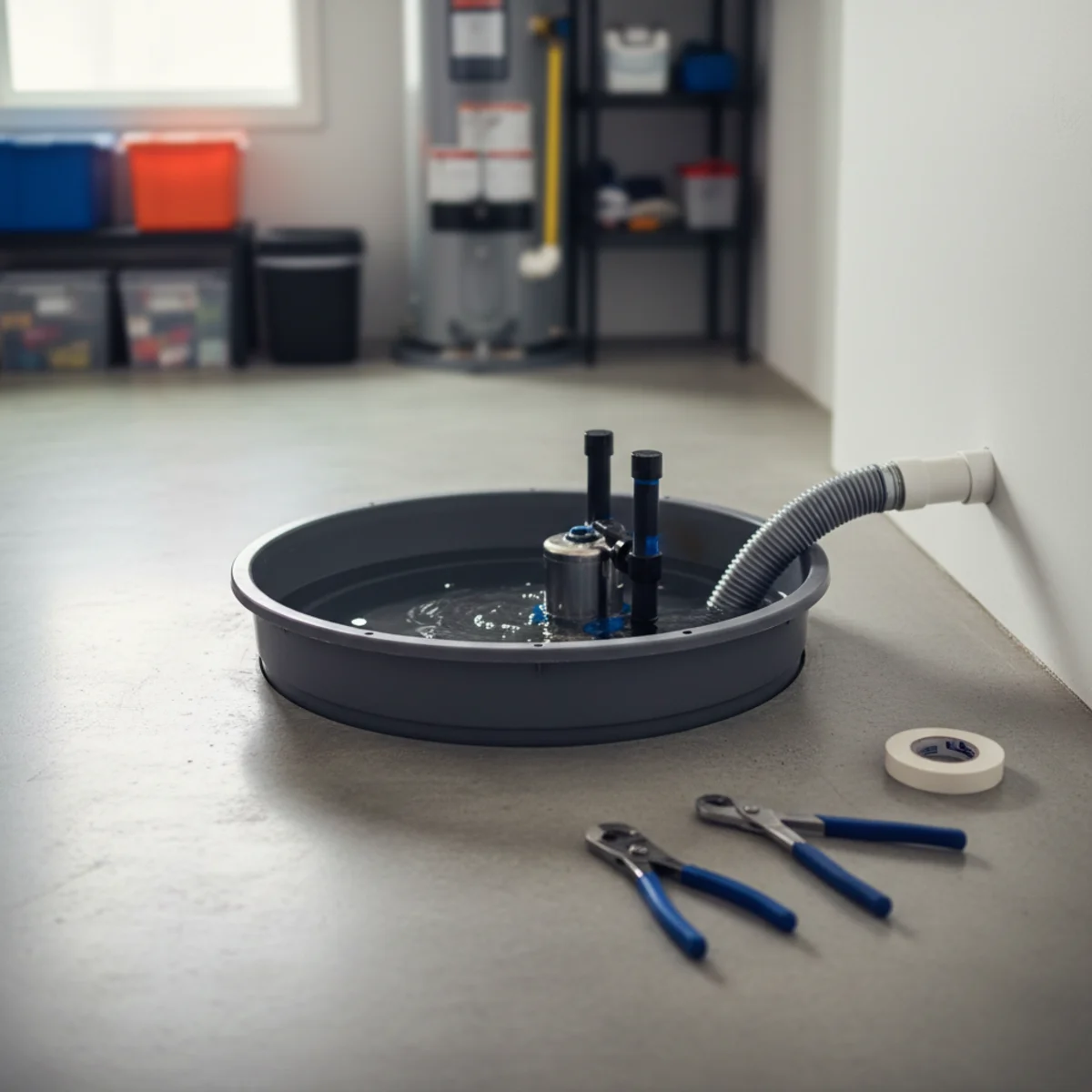
How Sump Pumps Help Protect Your Foundation
Most people think a sump pump exists to keep the basement floor dry. That is the visible job. The bigger one is quieter: relieving the water pressure that pushes against your foundation day after day.
Water in the soil around a foundation does not just sit there. It builds force. That force, called hydrostatic pressure, drives water toward every crack and joint and works on the concrete itself over time. In Littleton's expansive clay soil, that pressure is a constant fact of life, not an occasional event.
Understanding how a sump system relieves that pressure explains why it matters far beyond a wet floor. Here is how the protection actually works, and what keeps it working.
- Local Littleton Service
- Professional Installation
- Clear, Upfront Estimates
- Battery Backup Options
- Careful, Clean Workmanship
- Emergency Help Available
The Real Threat: Hydrostatic Pressure
When soil around your foundation fills with water, that water has weight and it pushes outward and upward against anything in its way. Against your foundation walls and floor slab, that push is hydrostatic pressure. The more saturated the soil, the harder it pushes.
Concrete is strong, but it is not waterproof and it is not immune to steady pressure. Hydrostatic pressure forces water through tiny cracks and cold joints, and over years it contributes to new cracking and to seepage that was not there before. The water always looks for the path of least resistance into the basement.
It pushes from below as well as from the sides. Pressure under the slab is what drives water up through the floor and through the joint where the floor meets the wall, often far from any visible crack. That upward push is easy to miss until a damp patch appears in the middle of the floor after a wet stretch.
This is the threat a sump system is built to counter. Not by waterproofing the concrete, but by removing the water before it can build the pressure in the first place. Lower the water around the foundation and you lower the force trying to get in.
Why Littleton Clay Makes It Worse
Littleton's expansive clay soil is the reason this matters so much locally. Clay swells when it absorbs water and shrinks when it dries out. Over wet and dry seasons, the soil around your foundation is constantly changing volume, pressing in when wet and pulling away when dry.
That movement stresses a foundation on its own. Add the fact that clay drains slowly, so after snowmelt or a heavy storm the water stays trapped against the foundation longer, holding pressure for days. The swell-and-trap combination is hard on concrete in a way that sandy, fast-draining soil is not.
So a Front Range foundation faces two things at once: soil that moves and water that lingers. A sump system addresses the water side directly, pulling it away before it can swell the clay further or hold pressure against the walls.
Keeping the moisture around the foundation more stable helps on the movement side too. When the soil is not swinging as hard between soaked and bone-dry, the clay puts less of that swell-and-shrink stress on the concrete. Managing the water is the part of this you can actually control, and it is where a sump system earns its place.
How the System Relieves the Pressure
A complete sump system gives groundwater a planned path out instead of letting it pool against the foundation. Each part has a role in that chain.
- Drain tile and the pit: Water collecting around and under the foundation flows to a low point and into the sump basin, instead of building against the walls.
- The sump pump: When the pit fills to the trigger level, the pump lifts the water up and out of the basement.
- The discharge line: Carries pumped water well away from the house so it cannot soak right back toward the foundation.
- The check valve: Keeps discharged water from flowing back down into the pit after each cycle, so the pump is not fighting its own output.
- The backup system: Keeps the pressure relief working during a power outage, when saturated soil is pushing hardest.
- The high-water alarm: Warns you if the pit climbs past normal, so a problem gets fixed before pressure builds.
Signs the Pressure Is Winning
Your foundation will usually tell you when hydrostatic pressure is getting the upper hand. Water seeping up through the basement floor, especially at the joint where the floor meets the wall, is a classic sign of pressure pushing from below. So is water weeping through a wall crack during a wet stretch.
Watch also for new cracks, cracks that grow, or efflorescence, the white mineral residue water leaves behind as it passes through concrete. Damp spots that appear only after snowmelt or heavy rain point to pressure that spikes when the soil saturates.
Pay attention to when the signs appear. Seepage that only shows up after snowmelt or a heavy storm, then dries out, is a strong hint that hydrostatic pressure spikes with the water table and a working sump system can relieve it. Water that is present year-round may point to a different problem worth a closer look.
None of these mean the foundation is failing tomorrow. They mean water is finding its way in and pressure is part of the story. Catching them early, and making sure the sump system is actually relieving that pressure, is how you keep small signs from becoming structural ones.
Keeping the Protection Working
A sump system only protects the foundation if it actually runs when it needs to. A dead pump, a stuck float switch, or a frozen discharge line means the pressure relief stops exactly when the soil is most saturated. That is why maintenance is part of foundation protection, not separate from it.
Test the pump before storm and snowmelt season. Keep the pit clear of silt. Make sure the discharge routes away from the house and is not cracked from freeze-thaw. And have a backup ready for the outages that come with Front Range storms, because a saturated foundation does not pause when the power does.
If your basement is showing signs of water or your system is aging, an inspection is the place to start. We will check whether the system is truly relieving pressure and lay out clear, upfront options. Emergency sump pump help available — call (207) 419-2600.
Frequently Asked Questions
Keep Reading
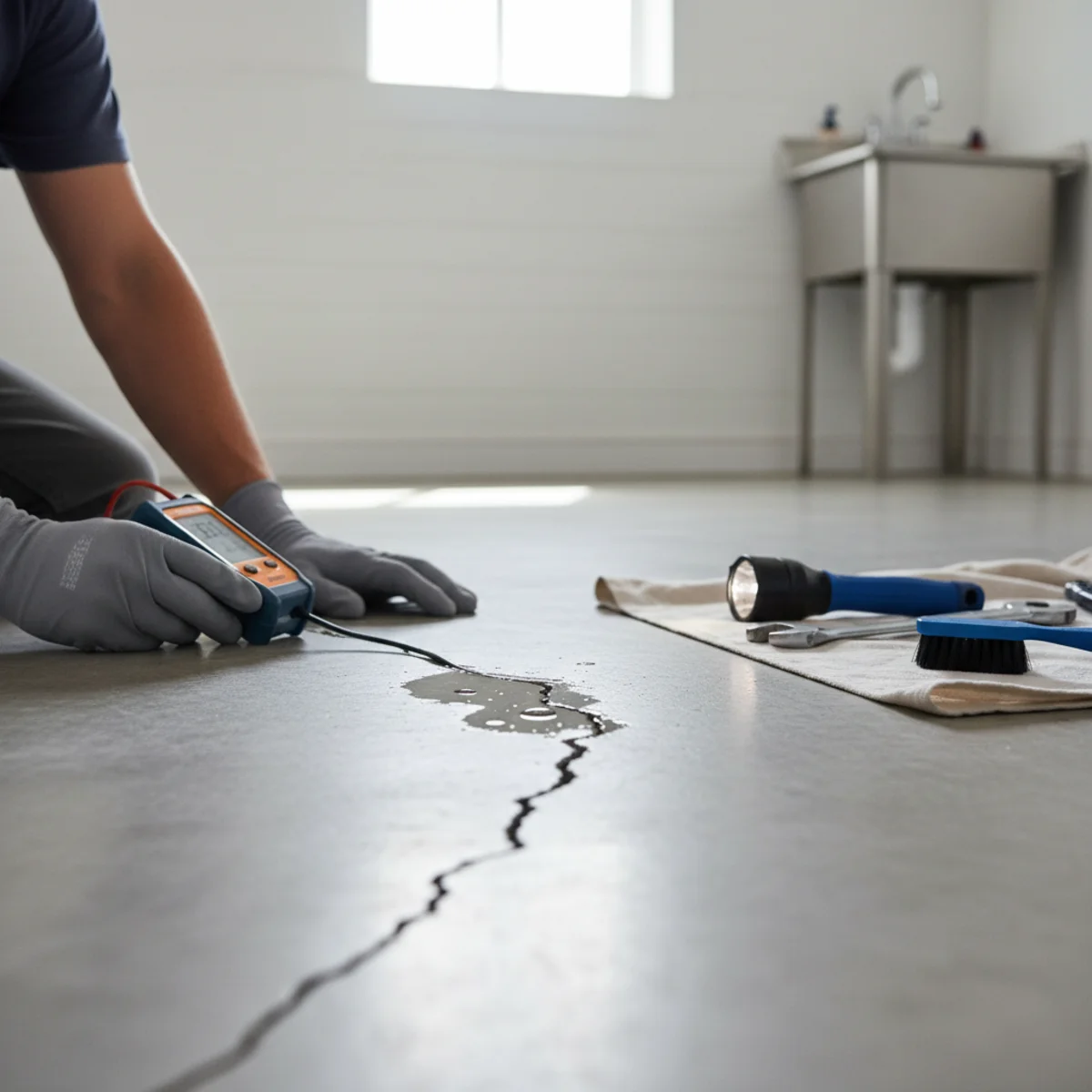 Basement Flood Prevention
Why Water Is Seeping Through Your Basement Floor
Damp spots or puddles rising through a concrete basement floor almost always point to water pressure under the slab. Here's what causes it and how to stop it.
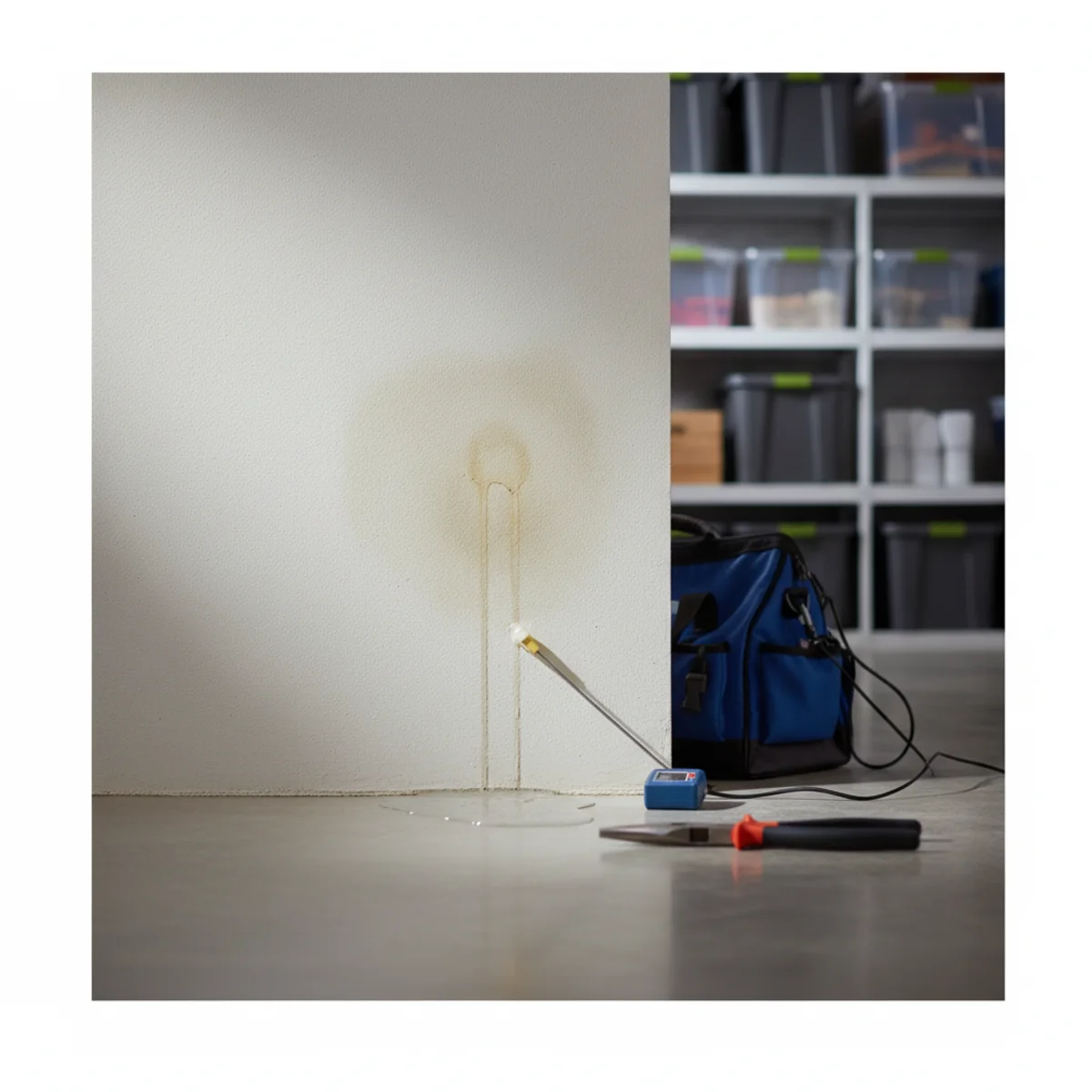 Basement Flood Prevention
What Causes Water to Seep Through Basement Walls?
Damp streaks, wet corners, or beads of water on basement walls trace back to drainage and pressure outside. Here's what causes wall seepage and how to stop it.
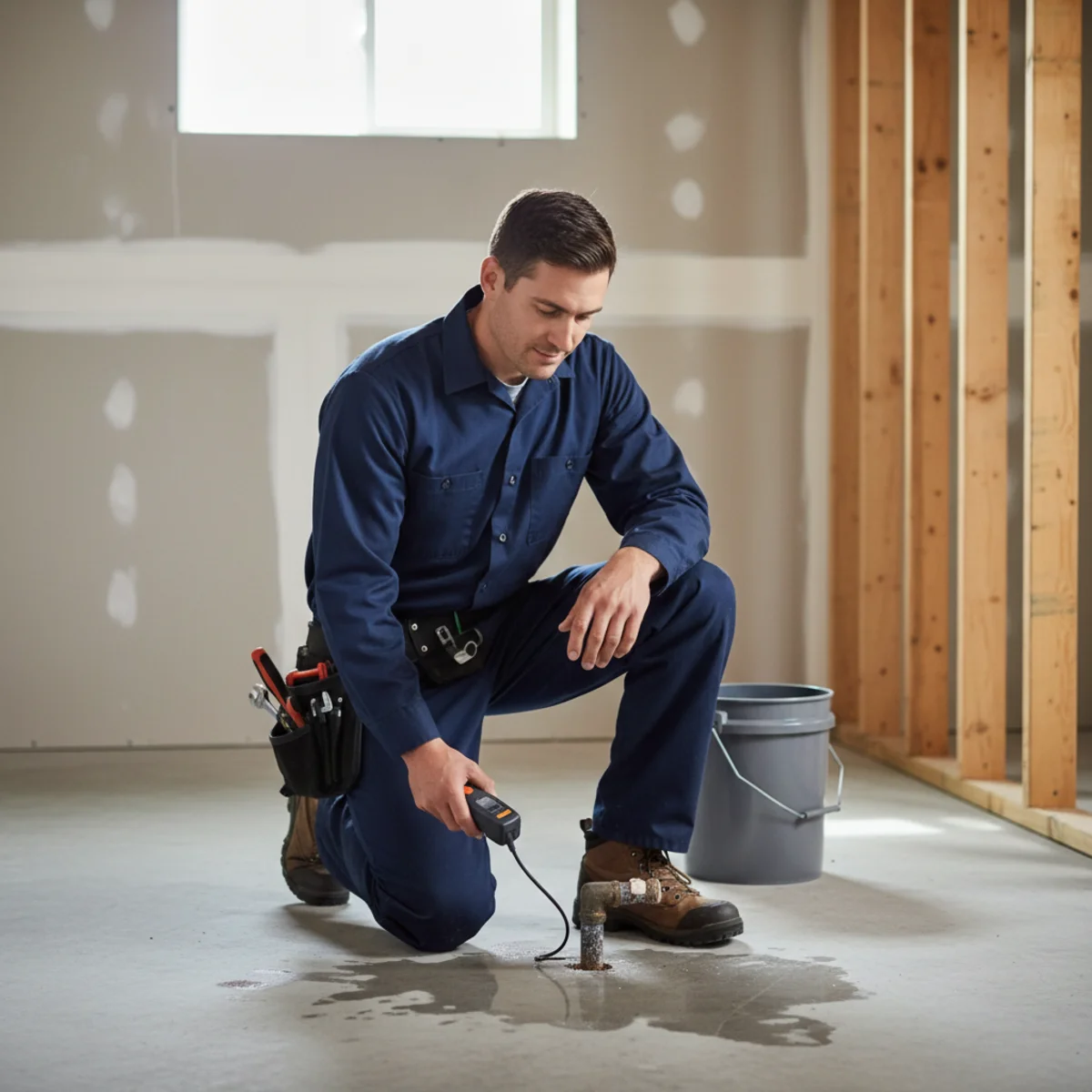 Littleton Homeowner Guides
Common Basement Water Problems in Littleton Homes
From expansive clay to spring snowmelt, Littleton basements face specific water threats. Here are the common problems and how to get ahead of them.
Protect Your Basement Before the Next Storm
Get professional sump pump help from a local Littleton specialist. Clear, upfront estimates and careful, clean workmanship.
Available by appointment. Emergency sump pump help available.