
Crawl Space Encapsulation and Sump Pumps: How They Work Together
Quick answer
Crawl space encapsulation seals the floor and walls with a heavy liner to control moisture and humidity. A sump pump removes liquid water that collects at the low point. If water ever pools in your crawl space after rain or snowmelt, encapsulation needs a sump pump underneath it; if the space is only humid, sealing and a dehumidifier may be enough.
Encapsulation has become a popular fix for damp crawl spaces, and for good reason. A sealed space keeps ground moisture out of the air that rises into your home. But a liner can't remove water. If water flows into the crawl space during storms, it collects under the liner and has nowhere to go.
That's where a sump pump comes in. Here's how the two work together, how to tell which one your crawl space needs, and what matters most on the sloped foothills lots common around Ken Caryl and the west metro.
- Local Littleton Service
- Professional Installation
- Clear, Upfront Estimates
- Battery Backup Options
- Careful, Clean Workmanship
- Emergency Help Available
What Encapsulation Involves
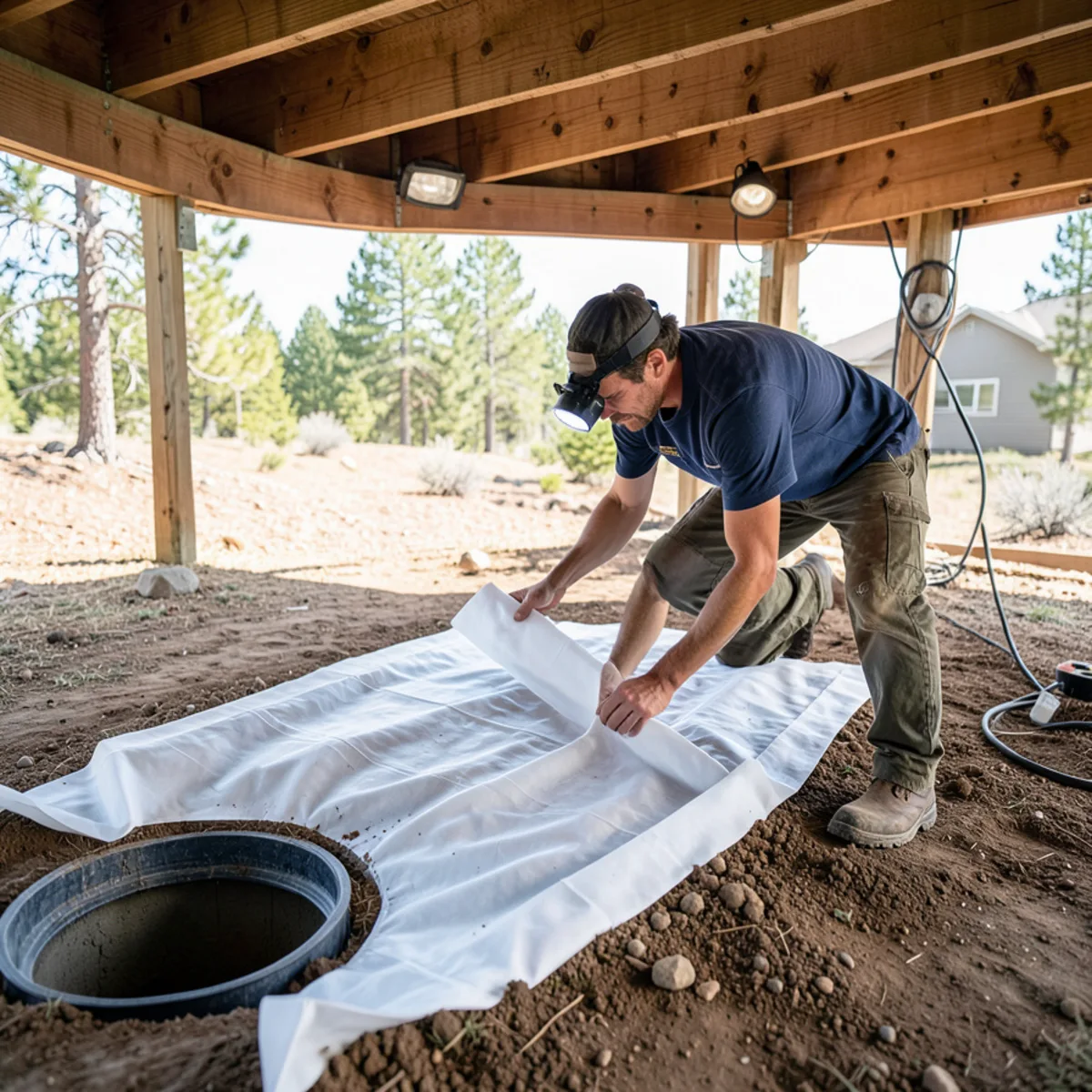
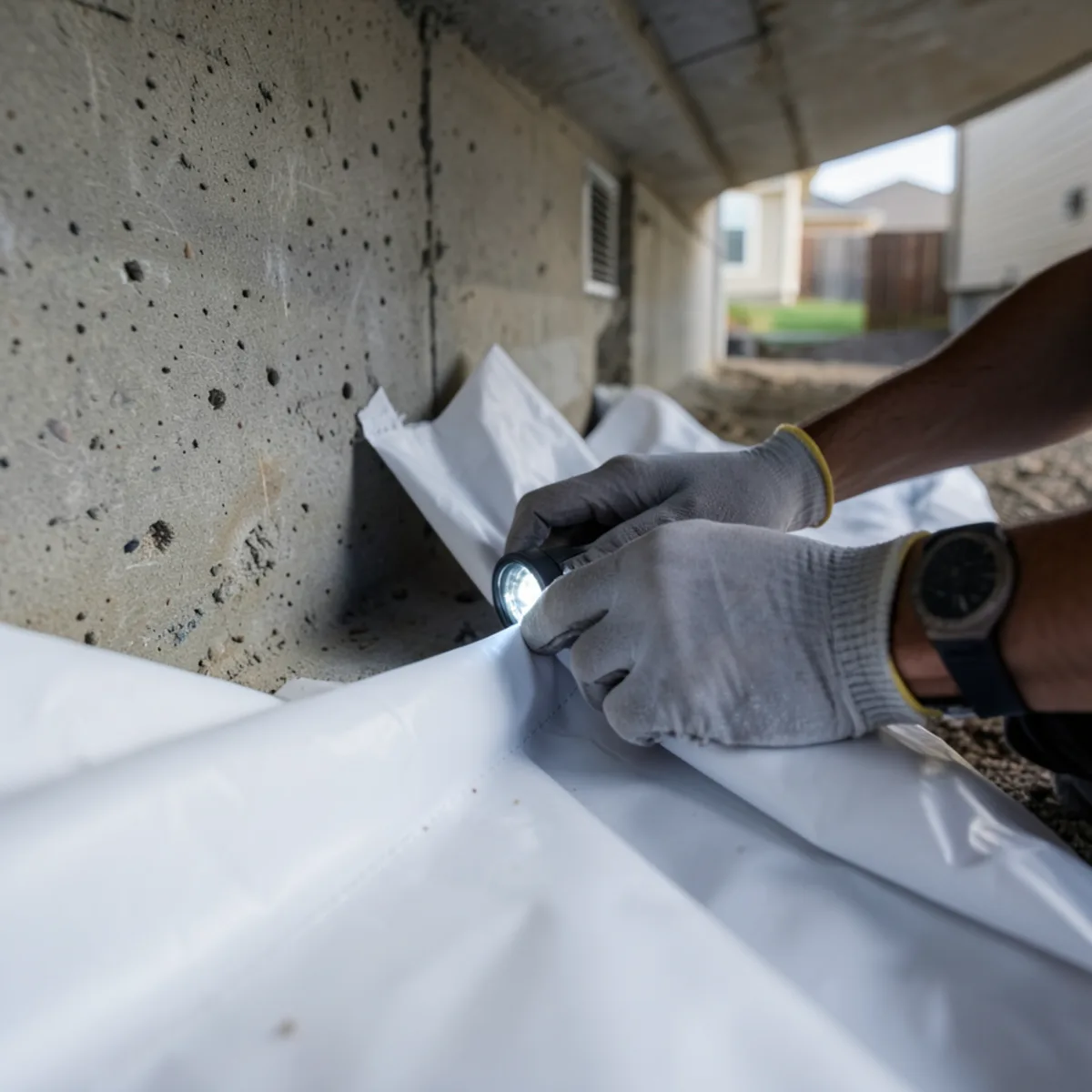
Encapsulation covers the crawl space floor and walls with a thick plastic liner, usually much heavier than the thin sheet many older crawl spaces have. The seams are overlapped and taped, the liner is sealed to the walls and piers, and vents to the outside are typically closed so humid outdoor air stays out.
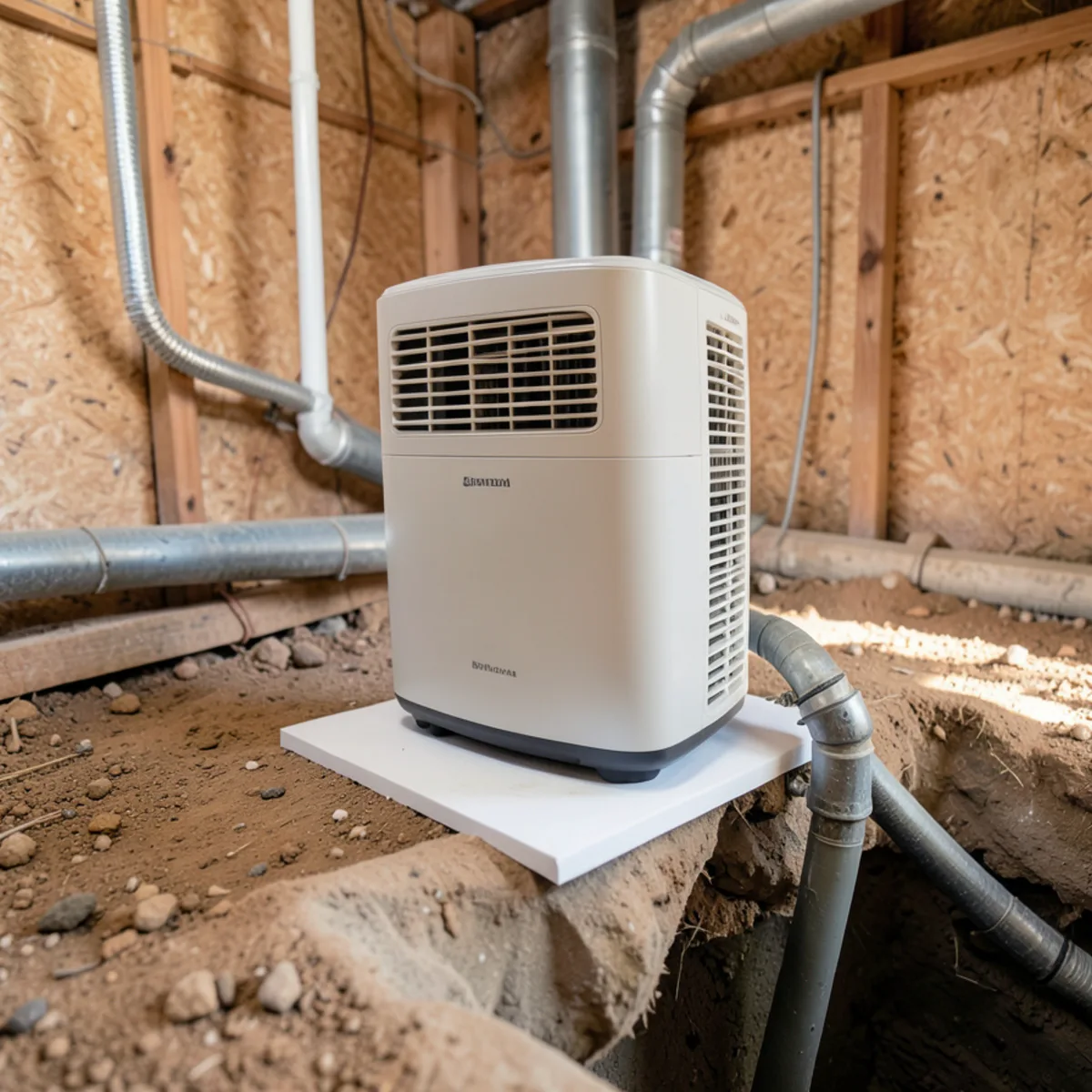
A dehumidifier or a small conditioned-air supply usually keeps the sealed space dry. The result is a clean, dry crawl space that protects floor framing, ductwork, and insulation, and improves the air in the rooms above.
Liner Thickness and Sealing Details
Liners for encapsulation are much heavier than the thin plastic sheet found in many older crawl spaces, and thicker liners hold up better where people crawl to reach ductwork or plumbing. The details matter as much as the material: seams overlapped and taped, the liner run up the walls and fastened, and openings around piers, pipes, and the sump basin sealed. A liner with loose edges lets damp air and soil gas back in and defeats the purpose.
Why Encapsulation Often Needs a Sump Pump
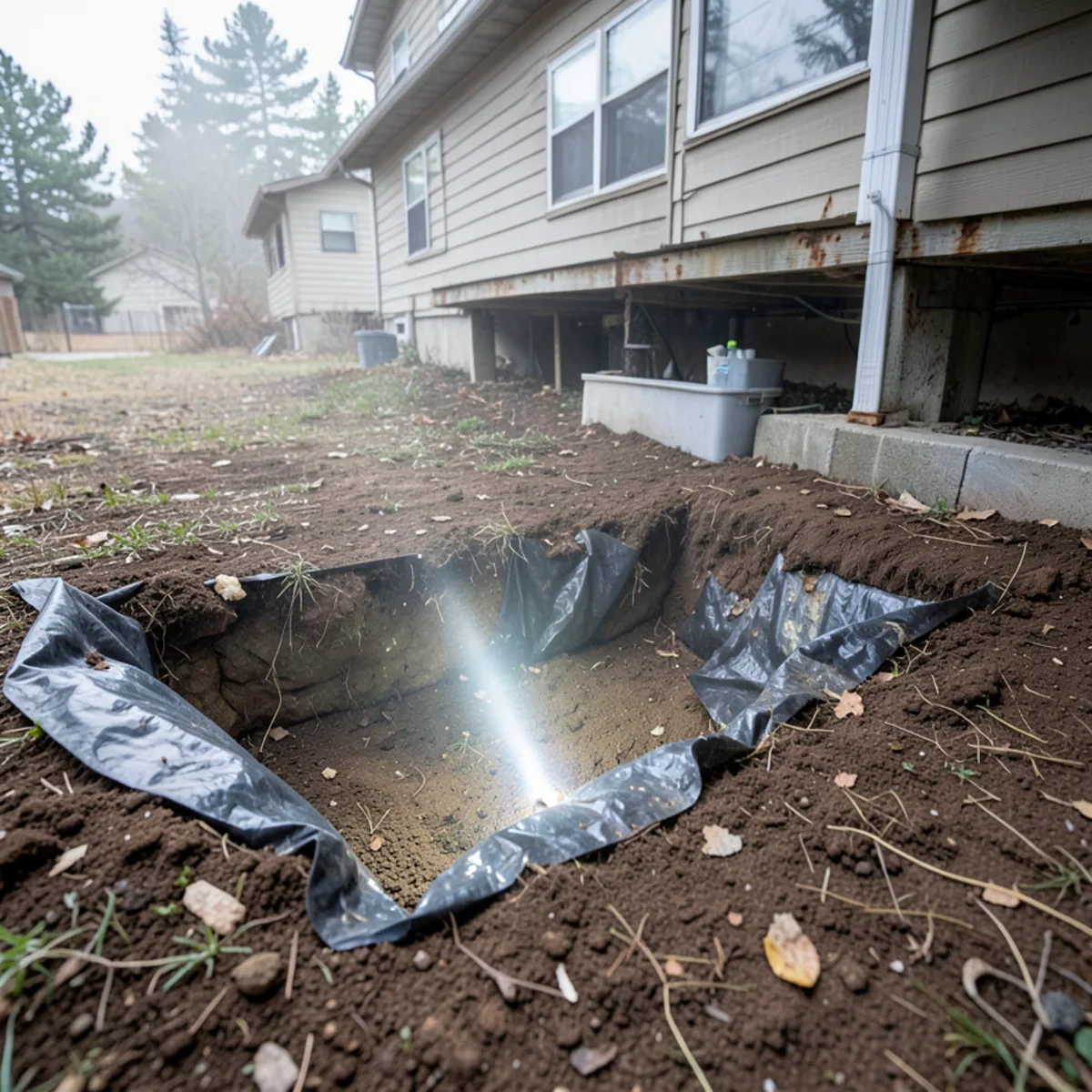
A liner stops moisture from rising out of the soil, but it doesn't stop water from flowing into the crawl space. On sloped lots, storm runoff can push water through the foundation or under the footing. During snowmelt, groundwater can rise into the space from below.
Without a way out, that water pools under the liner. It can lift and tear the liner, raise humidity again, and create the very conditions encapsulation was meant to prevent. A sump basin at the low point, with a pump and a short drain if needed, removes the water before it builds up.
The pump also protects the investment. A liner that floats on standing water after every storm wears out quickly, while one sitting on dry, drained soil can last for many years.
Which Does Your Crawl Space Need?
Look at the crawl space after a heavy rain or a stretch of snowmelt, and check:
- Standing water or puddles on the soil or old plastic: plan for a sump pump
- Mud lines or silt trails along the walls: water is flowing in during storms
- Damp soil and musty smell but no puddles: encapsulation and a dehumidifier may be enough
- Condensation on ducts or pipes in summer: a humidity problem, not a drainage one
- Rusty hangers, dark staining, or soft wood: long-term moisture that needs both fixes and a framing check
- A low corner where water always appears first: that's where a pit would go
The Right Order to Do the Work
If both are needed, the sump system goes in first. The basin is set at the low point, any short drain lines are laid in gravel to carry water to it, and the discharge is routed outside and away from the foundation. Then the liner goes down over the soil and is sealed around the basin with a lid that keeps moisture in check.
Doing it in the other order means cutting into a new liner later, which weakens the seal and adds cost.
If a dehumidifier is part of the plan, run its condensate line to the sump basin or another approved drain, so the water it removes from the air doesn't end up back on the liner.
Foothills Lots and Slope Runoff
Homes on sloped ground around Ken Caryl, Morrison, and other foothills communities often have crawl spaces on the uphill side that take runoff during storms. The fix starts outside: gutters, downspouts, and grading that move water around the house. Inside, the pit belongs where water first appears, which is usually along the uphill wall.
These lots also make the discharge route important. The water has to go downhill without running onto a neighbor's property or eroding the slope.
Radon and Sealed Crawl Spaces
Much of Colorado has elevated radon, and a crawl space is one of the ways it can enter a home. Sealing the space and the sump lid can help, and some radon mitigation systems draw air from beneath the liner. Test your home before and after the work, and have mitigation designed by a radon professional if levels are high.
Ask the mitigation professional where the sump lid and pit fit into their design before the liner goes down.
Keeping an Encapsulated Crawl Space Dry
Once it's sealed, check the space twice a year. Look for water on top of the liner, damage near the access door, and a dehumidifier that's running more than usual. Test the sump pump with a bucket of water before snowmelt and summer storm season, and make sure the discharge outlet is clear.
If you store anything in the crawl space, keep it on shelves or pallets rather than directly on the liner, and walk on it carefully. A puncture near the low point is where water and moisture find their way back in.
From the field
What We Find Under Torn Liners
When we're called to an encapsulated crawl space that still has problems, the cause is often water that was never given a way out. The liner looked great when it was installed, but after the first big storm, water pooled underneath, lifted the seams, and humidity came back.
We look for mud lines on the walls and silt on the soil before any liner goes down. Those marks show where water flows during storms, and they tell us whether the space needs a pit first.
Seal the Air, Drain the Water
Encapsulation and sump pumps solve different problems. The liner controls moisture rising from the soil; the pump removes water that flows in. If your crawl space ever has standing water, install the sump system first and seal the space over it. If it's only humid, sealing and a dehumidifier may be all it needs.
Questions about your own system? Call (207) 419-2600 and talk it through with a local sump specialist.
Related services
Crawl Space Encapsulation and Sump Pumps: How They Work Together: Common Questions
Only if water actually collects in the space. If you see puddles, mud lines, or silt after storms or snowmelt, plan for a sump pump under the liner. If the space is only humid, encapsulation and a dehumidifier may be enough.
Yes, but the liner has to be cut and resealed around the new basin. It's simpler and cleaner to install the pit first.
In most encapsulated crawl spaces, yes, because outdoor air brings humidity in. The space then needs a dehumidifier or conditioned air to stay dry.
It can reduce radon entry, and some mitigation systems work beneath the liner. Test before and after, and use a radon professional to design mitigation if levels are high.
Keep reading
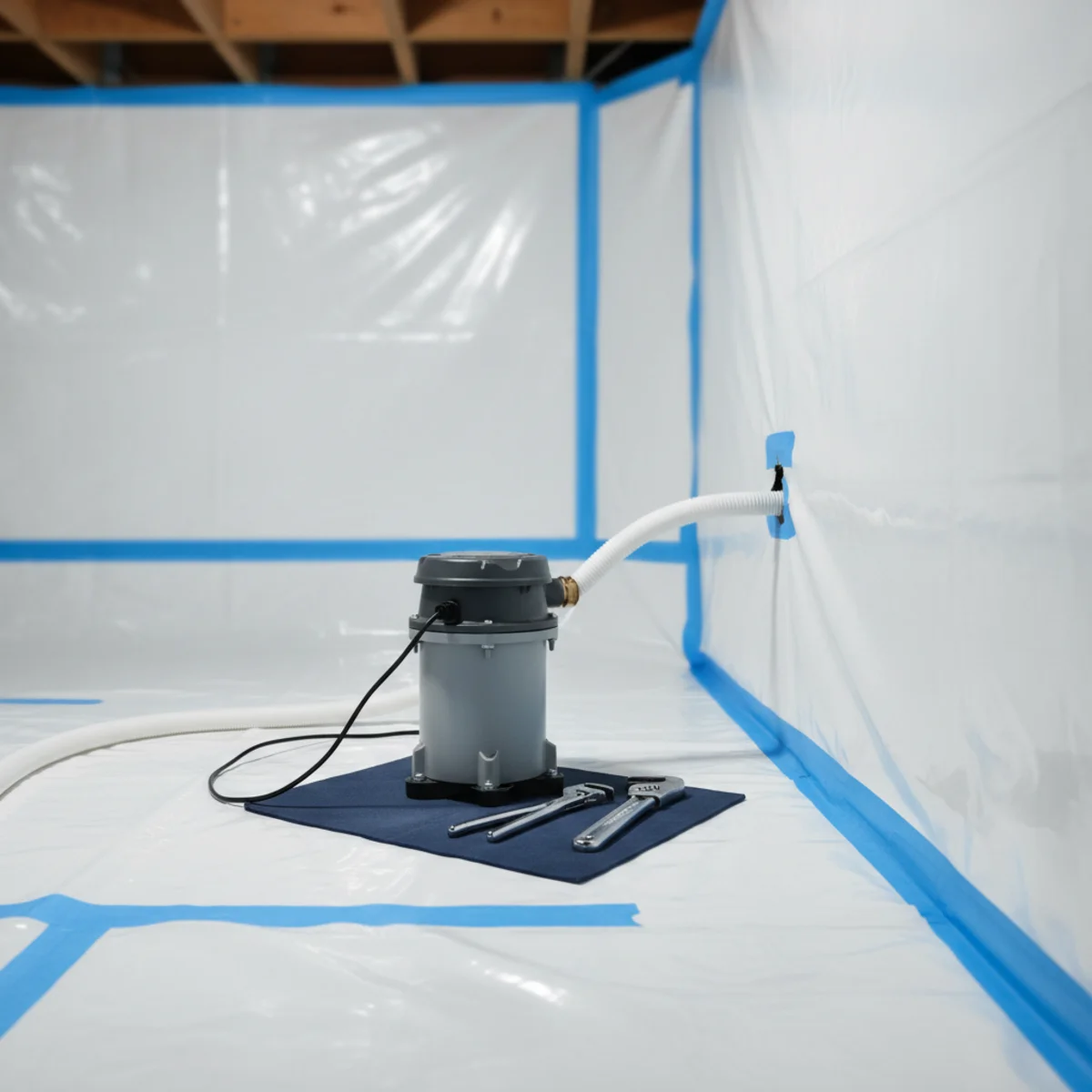 Basement Flood Prevention
Do You Need a Sump Pump in a Crawl Space?
A wet crawl space rots framing and feeds mold long before you notice it upstairs. Here's how to tell if yours needs a sump pump and what a proper setup looks like.
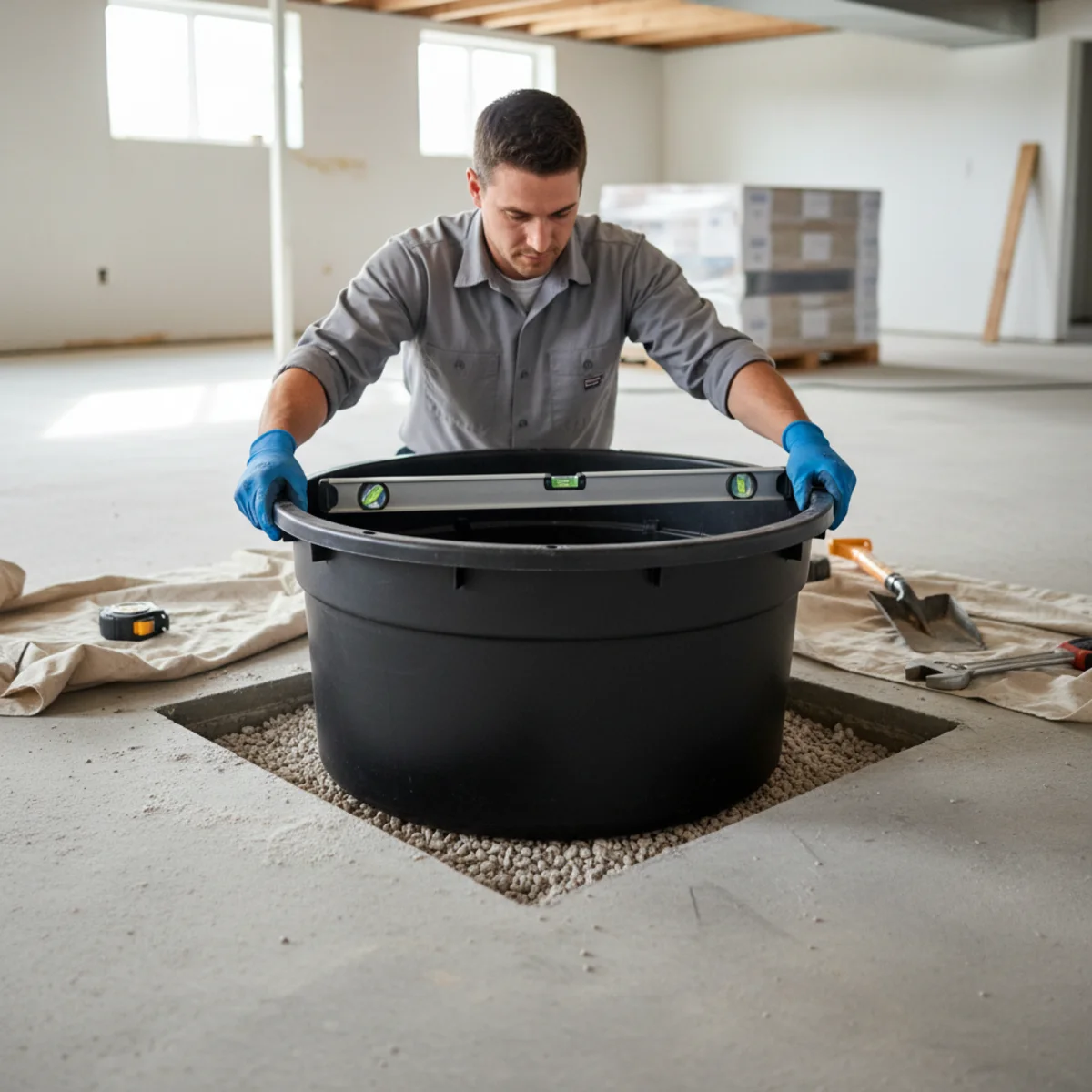 Littleton Homeowner Guides
Sump Pumps and Radon in Colorado Homes
Radon is common in Colorado, and an open sump pit is a direct path from the soil into your basement. Here's how a sealed lid and your sump system fit into radon control.
 Basement Flood Prevention
How to Prevent Basement Flooding During Heavy Rain
Heavy Front Range rain and snowmelt push water against your foundation fast. Here is how to keep your basement dry before, during, and after a storm.
Get Local Help: Basement Flood Prevention
Get professional sump pump help from a local Littleton specialist. Clear, upfront estimates and careful, clean workmanship.
Available by appointment. Emergency sump pump help available.