
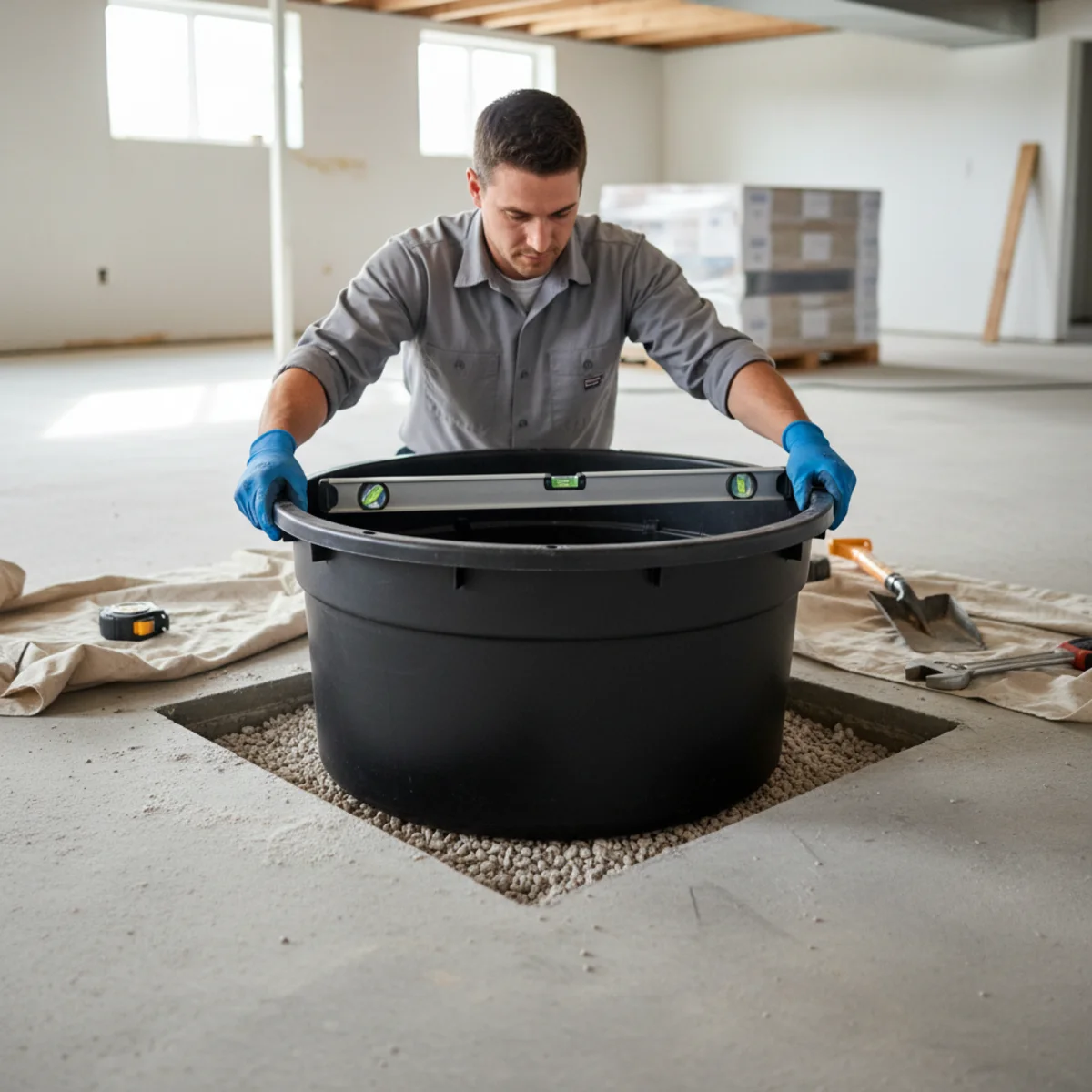
Sump Pumps and Radon in Colorado Homes
Quick answer
A sump pump doesn't create radon, but an open sump pit is a direct path for radon-bearing soil gas into a basement. In Colorado, where radon is common, an airtight sump lid closes that path, and a sealed pit is often used as the suction point for a radon mitigation system. Testing comes first.
Radon is a naturally occurring radioactive gas that comes up from the soil. It is common across Colorado, and the state health department recommends that every home be tested.
What many homeowners do not realize is that an open sump pit is one of the easiest ways for soil gas to enter a basement. If you have a sump pump, it belongs in any conversation about radon.
- Local Littleton Service
- Professional Installation
- Clear, Upfront Estimates
- Battery Backup Options
- Careful, Clean Workmanship
- Emergency Help Available
Why the Sump Pit Matters
A sump pit is a hole through the slab into the soil below. Air pressure in a house is often slightly lower than in the soil, especially in winter, so soil gas, including radon, is drawn up through any opening. An uncovered pit is a large one.
If your house has a perimeter drain feeding the pit, the pit may be connected to soil gas from around the entire foundation.
How Radon Gets From the Soil Into Your Basement
Radon forms from the natural breakdown of uranium in soil and rock, and it moves with the air in the ground. Houses tend to pull that soil air inward, especially in winter: warm air rises and leaks out of the upper floors, which lowers the pressure in the basement slightly and draws air in through any opening in the slab.
Those openings include cracks, the joint where the slab meets the foundation wall, gaps around pipes, floor drains, and the sump pit. Of all of them, an uncovered sump basin is usually the largest single opening, and when it connects to a perimeter drain, it can collect soil gas from around much of the foundation.
- Open or loosely covered sump pits
- The joint between the slab and the foundation wall
- Cracks in the floor slab
- Gaps around pipes and utility penetrations
- Floor drains with dry traps
Sealed Sump Lids
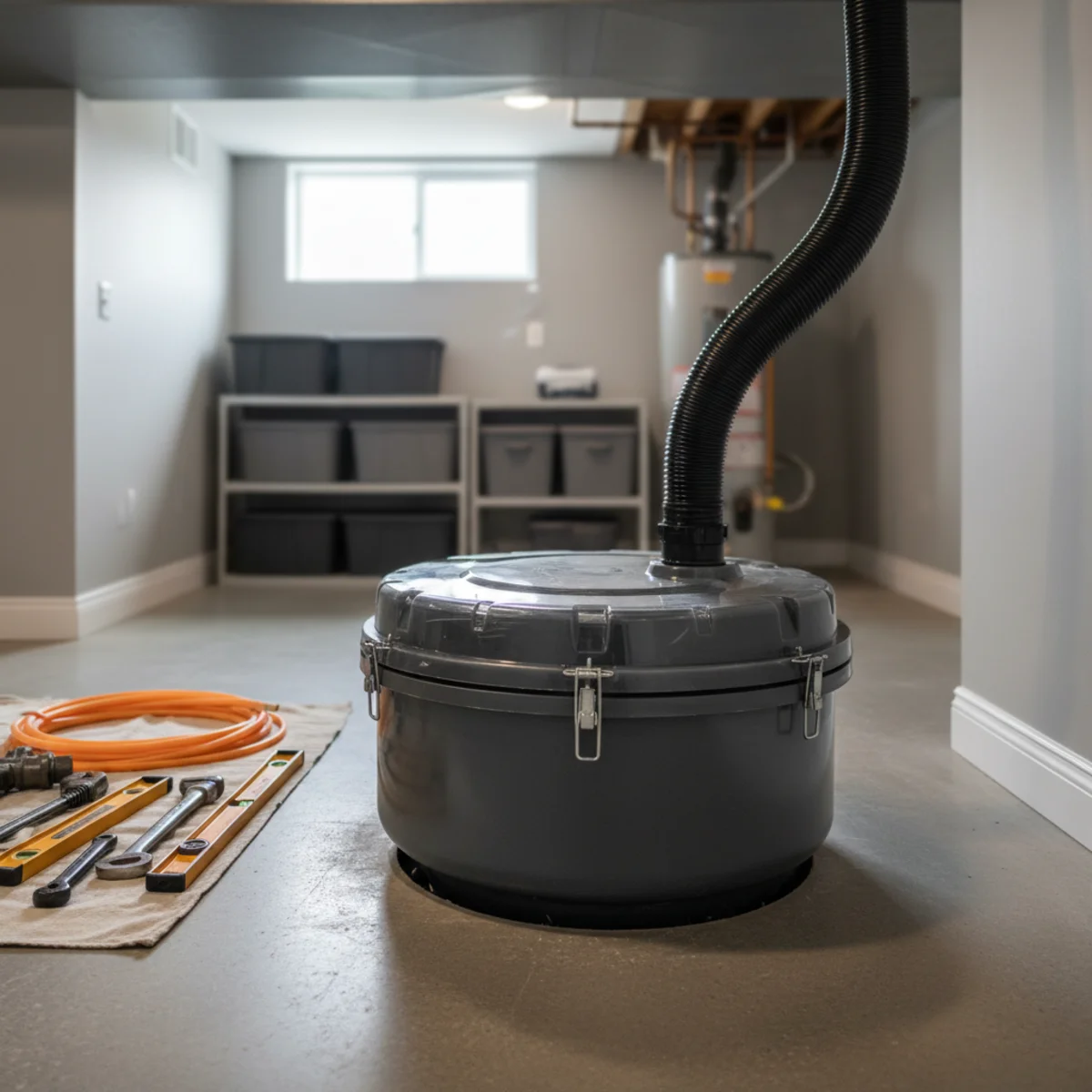
An airtight lid, sealed around the discharge pipe and cords, closes that opening. It also cuts down on humidity, musty odors, and debris falling into the pit.
A sealed lid should still let you see and service the pump. Many have a clear viewing port or a removable section with a gasket.
What to Look For in a Sealed Sump Lid
Not every lid that sits on a sump pit is sealed. A lid that works for radon control has a few specific features.
- A gasket or sealant bead where the lid meets the basin rim
- Sealed grommets around the discharge pipe and every cord
- Screws or bolts that hold the lid tight against the gasket
- A clear viewing port, or a removable section that reseals, so you can check the pump
- A connection point for the mitigation pipe if the pit is used for suction
How Sump Pits Fit Into Mitigation Systems
The most common radon mitigation method is sub-slab depressurization: a fan pulls soil gas from under the slab and vents it above the roof. When a home has a sump pit or perimeter drain, a mitigation installer often uses the sealed pit as the suction point.
That works well, but it changes how you service the pump. The lid has to be resealed after any work, and the pump, float, and check valve need to be reachable without breaking the system for long.
If You Already Have Mitigation
Tell whoever services your pump that the pit is part of a radon system. A lid left loose or a seal cut around a new pipe can reduce how well the system works.
After any pit work, check that the mitigation system's pressure gauge (usually a U-tube manometer on the vent pipe) reads the same as before.
Living With a Sealed Pit
Sealing the pit does make routine checks a little less convenient. You can't lift a lid and glance in, so a viewing port, a high-water alarm, and an annual service visit matter more. When the pump needs work, the lid has to be removed and properly resealed afterward, ideally by someone who knows the pit is part of a radon system.
The trade-off is worth it in most Colorado basements. Along with soil gas, a sealed lid keeps out humidity and musty odor, and it keeps debris, toys, and small animals out of the pit, all of which help the pump last longer.
Testing Comes First
Sealing the pit is good practice, but it is not a substitute for testing. The EPA's recommended action level is 4 pCi/L. Short-term test kits are inexpensive, and a follow-up test confirms results before you decide on mitigation.
We install and seal sump basins; radon testing and mitigation design are handled by certified radon professionals. We are happy to coordinate so the sump and the mitigation system work together.
When to Test Again
One test isn't the end of it. The EPA recommends testing again after a mitigation system is installed, to confirm it works, and periodically after that, since systems and houses change over time. It's also worth retesting after anything that changes the pit: a new pump, a replaced lid, a finished basement, or new drain tile feeding the basin.
Short-term tests are affected by weather and how the house is used, so if a result is borderline, a longer-term test gives a better picture of your average level.
Keep your test results with your home records. If you sell the house later, buyers in Colorado often ask about radon, and a clear history of testing and mitigation answers that question quickly.
From the field
What We Check When a Pit Is Part of a Radon System
When we service a pump in a pit tied to radon mitigation, the first job is noting how the lid is sealed so we can restore it exactly. We check that the mitigation fan is running and read the U-tube manometer on the vent pipe before opening anything, then again after resealing. If the reading changes, the seal isn't right.
We also look for problems that affect both systems: a discharge pipe grommet that has cracked, a cord passing through an unsealed hole, or a lid warped by years of humidity. Small leaks like those cut into how well the mitigation system works.


The Bottom Line on Radon and Sump Pits
Test your home for radon; it's the only way to know your level. If you have a sump pit, seal it with an airtight lid either way, and if you install mitigation, expect the installer to use that sealed pit. Keep the pump serviceable, and make sure anyone who works on it reseals the lid properly.
Questions about your own system? Call (207) 419-2600 and talk it through with a local sump specialist.
Related services
Local help nearby
Sump Pumps and Radon in Colorado Homes: Common Questions
The pump itself does not, but an open sump pit can let soil gas, including radon, into the basement. Sealing the pit with an airtight lid closes that path.
Radon is common in Colorado, and state health officials recommend testing every home. Levels vary from house to house, so only a test tells you about yours.
Often, yes. Mitigation installers frequently use a sealed sump pit as the suction point for sub-slab depressurization. The pit must stay sealed and the pump must remain serviceable.
In Colorado it is a good idea. A sealed lid reduces soil gas entry, humidity, and odors, and it is required if the pit is part of a radon mitigation system.
It can help, because an open pit is a major entry point, but it rarely solves an elevated level on its own. Test after sealing; if the level is still at or above the EPA's 4 pCi/L action level, talk to a certified mitigation professional.
Keep reading
 Maintenance & Troubleshooting
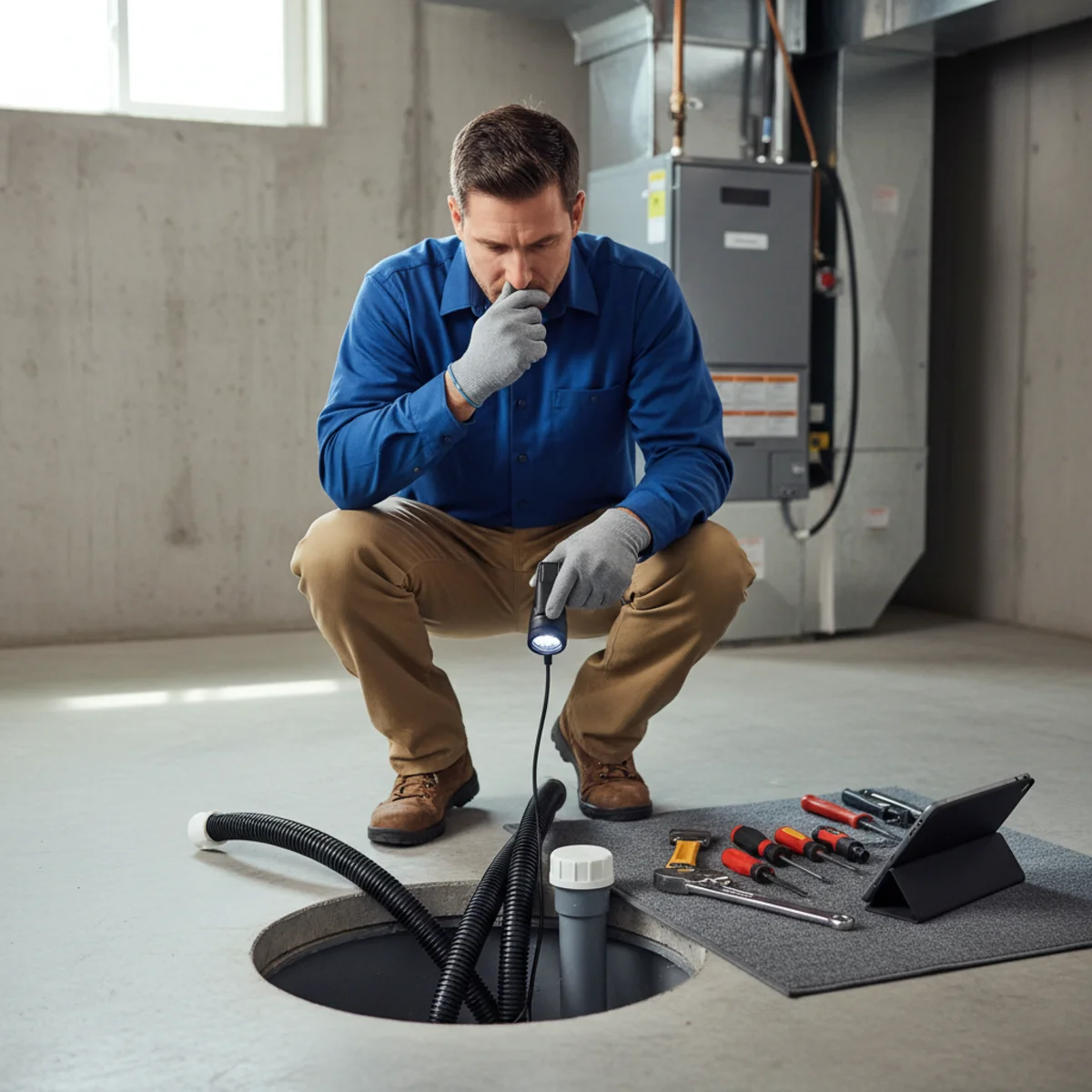
Why Does My Sump Pump Smell Bad?
A smelly sump pit is usually telling you something — stagnant water, bacteria, dried-out plumbing, or a sewage crossover. Here's how to read the smell and clear it.
 Littleton Homeowner Guides
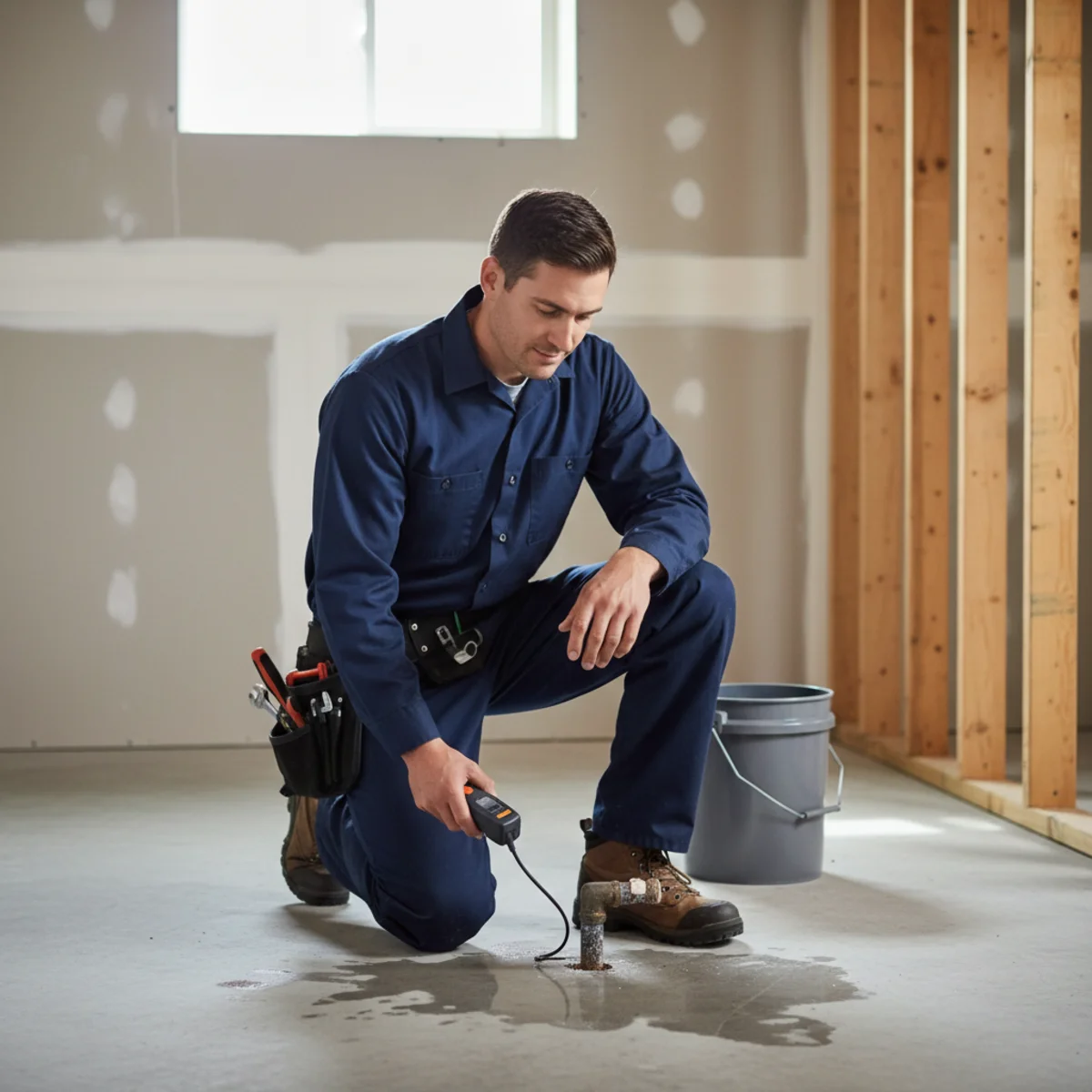
Common Basement Water Problems in Littleton Homes
From expansive clay to spring snowmelt, Littleton basements face specific water threats. Here are the common problems and how to get ahead of them.
 Littleton Homeowner Guides
Is a Sump Pump a Red Flag When Buying a House?
A sump pump in a listing can make buyers nervous. In clay-soil Littleton it is often a sign the home is protected. Here's what to check before you decide.
Get Local Help: Littleton Homeowner Guides
Get professional sump pump help from a local Littleton specialist. Clear, upfront estimates and careful, clean workmanship.
Available by appointment. Emergency sump pump help available.