
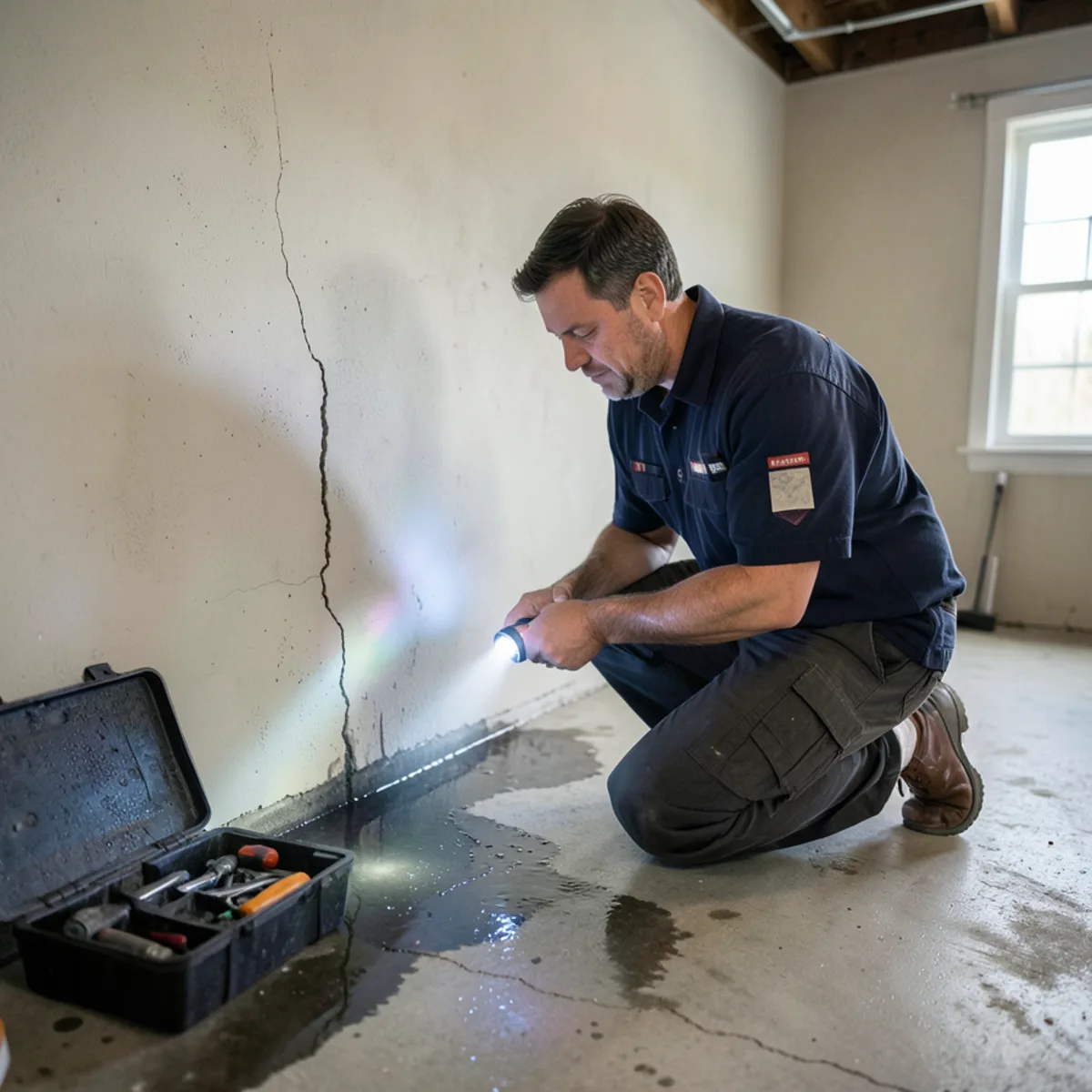
Sump Pump Service
Basement Water Leak Repair
Track the leak to its real source — then stop it.
A basement water leak can be deceptive — water shows up in one spot but enters somewhere else entirely. Basement water leak repair in Littleton, CO starts with finding the true source: seepage at the wall-floor seam, a foundation crack, or a sump system that's not keeping up. Littleton Sump Pump Pros tracks it down and fixes it.
Chasing the wet spot rarely works. Finding the entry point does.
- Local Littleton Service
- Professional Installation
- Clear, Upfront Estimates
- Battery Backup Options
- Careful, Clean Workmanship
- Emergency Help Available
Where basement leaks come from
Water rarely appears where it enters. It runs along the top of the footing, under carpet, or down the inside of a wall before it shows, so the wet spot in the middle of the room may start at a corner ten feet away. These are the entry points we find most often in Littleton basements.
- The cove joint where the basement wall meets the floor
- Foundation cracks under hydrostatic pressure
- Around or under a poorly sealed sump pit
- A discharge line releasing water back toward the foundation
- Window wells and below-grade openings during heavy rain
First question: plumbing or groundwater?
Before looking at the foundation, rule out the house's own plumbing. Turn off every faucet and appliance and watch the water meter for a while; if it moves, water is escaping somewhere in the supply system. Water that appears regardless of the weather, or only when the washer runs or the upstairs shower is used, also points to plumbing rather than the ground.
How we trace a basement leak
We start with your notes: when the water shows up, how long after rain, and where it first appears. A moisture meter then maps wet areas along the walls and floor, which often reveals a path back to one corner or one seam. Behind finished walls, we look at baseboards, carpet tack strip, and outlets for the wettest point.
Outside, a controlled hose test is one of the most useful tools. We soak one section of ground or one window well at a time while someone watches inside. When water appears, we know that section is the source. It's slow, methodical work, and it's far cheaper than guessing.
Pipe penetrations and window wells
Wherever a pipe or conduit passes through the foundation — the water service, a gas line, an old dryer vent — the seal around it can fail and let water follow the pipe inside. Window wells are the other common culprit: without a drain at the bottom or a cover on top, they collect rain and snowmelt like a bucket and push it through the window frame or the wall below it.
Older homes add another category: openings that were closed off decades ago, like a coal chute, an abandoned fuel-oil fill pipe, or a capped utility line. Those patches were rarely made watertight, and they're a frequent source of leaks that seem to come from nowhere.
Stopgaps until the repair
While you wait for the fix, keep the leak small. Extend downspouts away from the wall where the water shows up, clear leaves and debris from window wells, move stored boxes off the floor along that wall, and run a dehumidifier. Avoid sealing the inside of a wall with caulk or foam over an active leak; it hides the source and can trap water in the wall.
Our approach
We find where water is actually entering, then fix the water management that's allowing it — usually some combination of sump system work and discharge correction, with crack or seam attention where needed.
The goal is a basement that stays dry through the next storm, not a patch that holds until spring.
Once the entry point is found, the fix follows it. A leak around the sump pit means resealing or rebuilding the basin edge. A window-well leak needs a drain or a cover. A pipe penetration gets sealed from the inside. Water at the cove joint usually means the sump system and discharge need work, and active wall cracks are handled as foundation leak repair.
What basement leak repair costs depends on
Finding the leak and fixing it are priced separately because the fix depends on what we find. Tracing takes longer behind finished walls or when the leak only happens in certain weather. Repairs range from sealing a pipe penetration or adding a window-well drain to reworking the sump pit and discharge. If the source turns out to be a crack that needs foundation repair or exterior work, we'll explain the scope before anything is quoted.
Rules that come up during leak repairs
Any digging outside, such as adding a window-well drain or regrading, requires a Colorado 811 utility locate first. Window wells that serve bedroom egress windows have to stay usable as an escape route, so any cover must open easily from inside without tools. Slab or plumbing changes may need a permit from your building department.
How Our Basement Leak Repair Process Works
- 1
Gather the pattern
When the leak appears, how long after rain, and where it shows first.
- 2
Rule out plumbing
Water-meter check and a look at supply lines and appliances.
- 3
Map the moisture
Moisture readings along walls and floor to find the wettest path.
- 4
Test outside
Section-by-section hose test of grading, downspouts, and window wells.
- 5
Fix the entry
Seal penetrations, drain window wells, or rework the sump pit and discharge.
- 6
Re-test
Repeat the water test, or check after the next storm, to confirm it's dry.
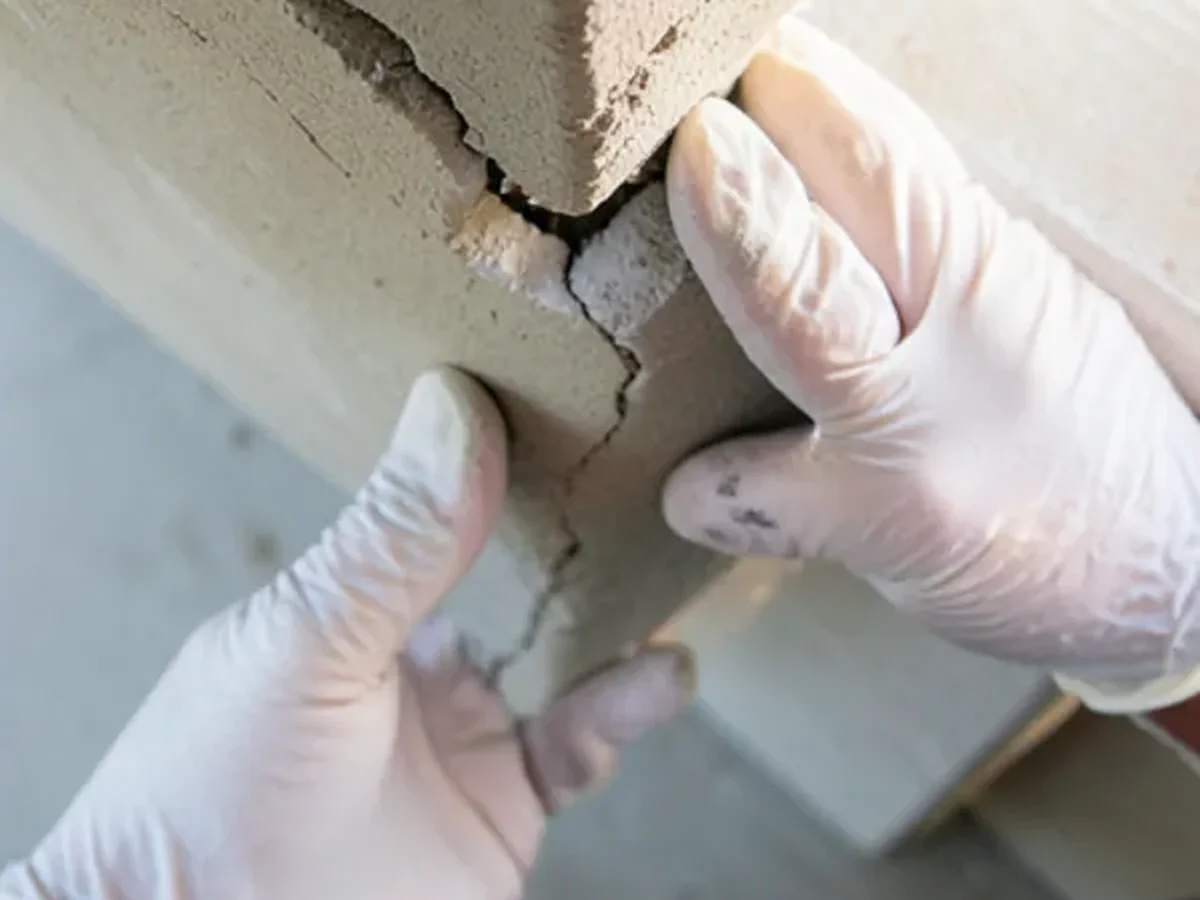
Basement Leak Repair: what the work looks like
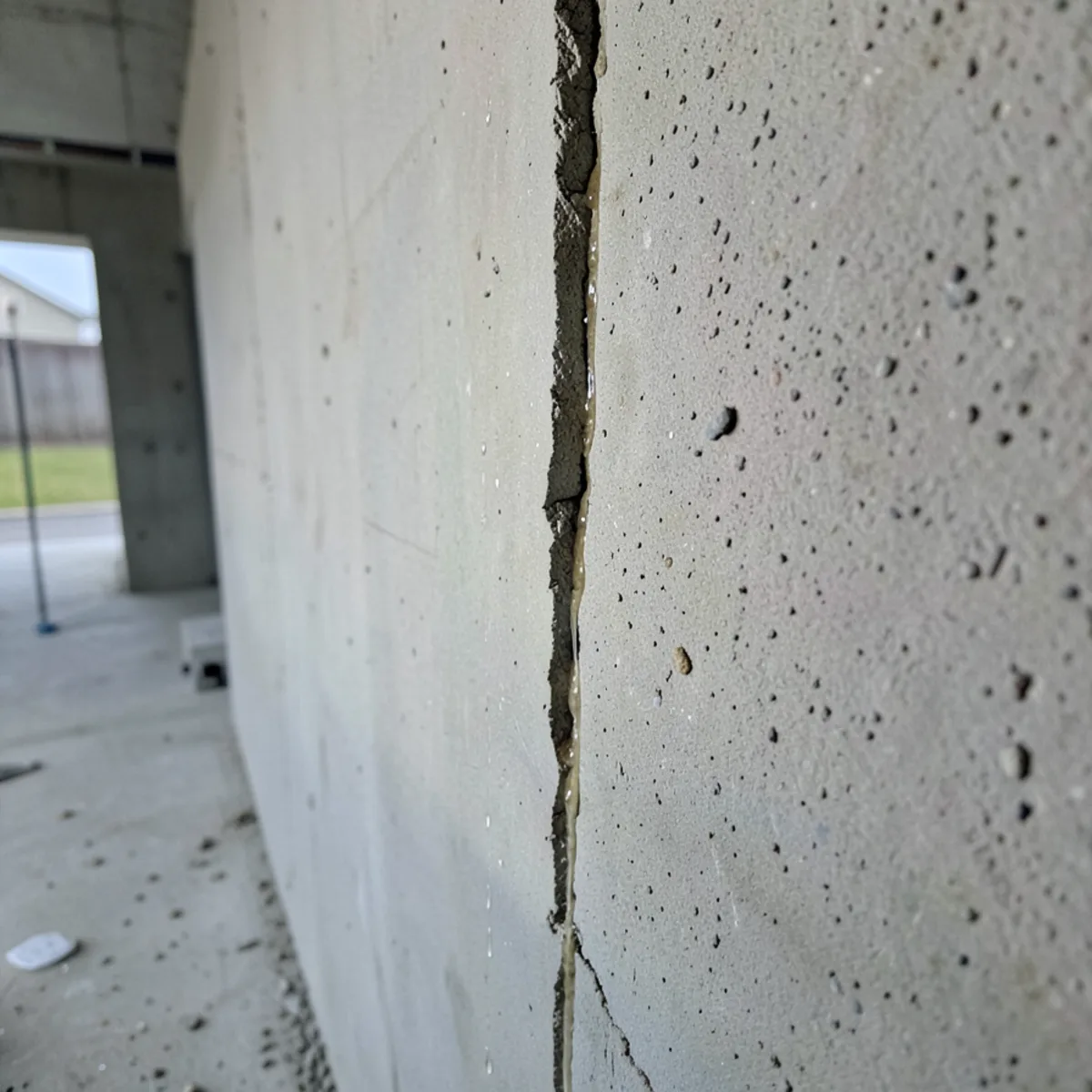
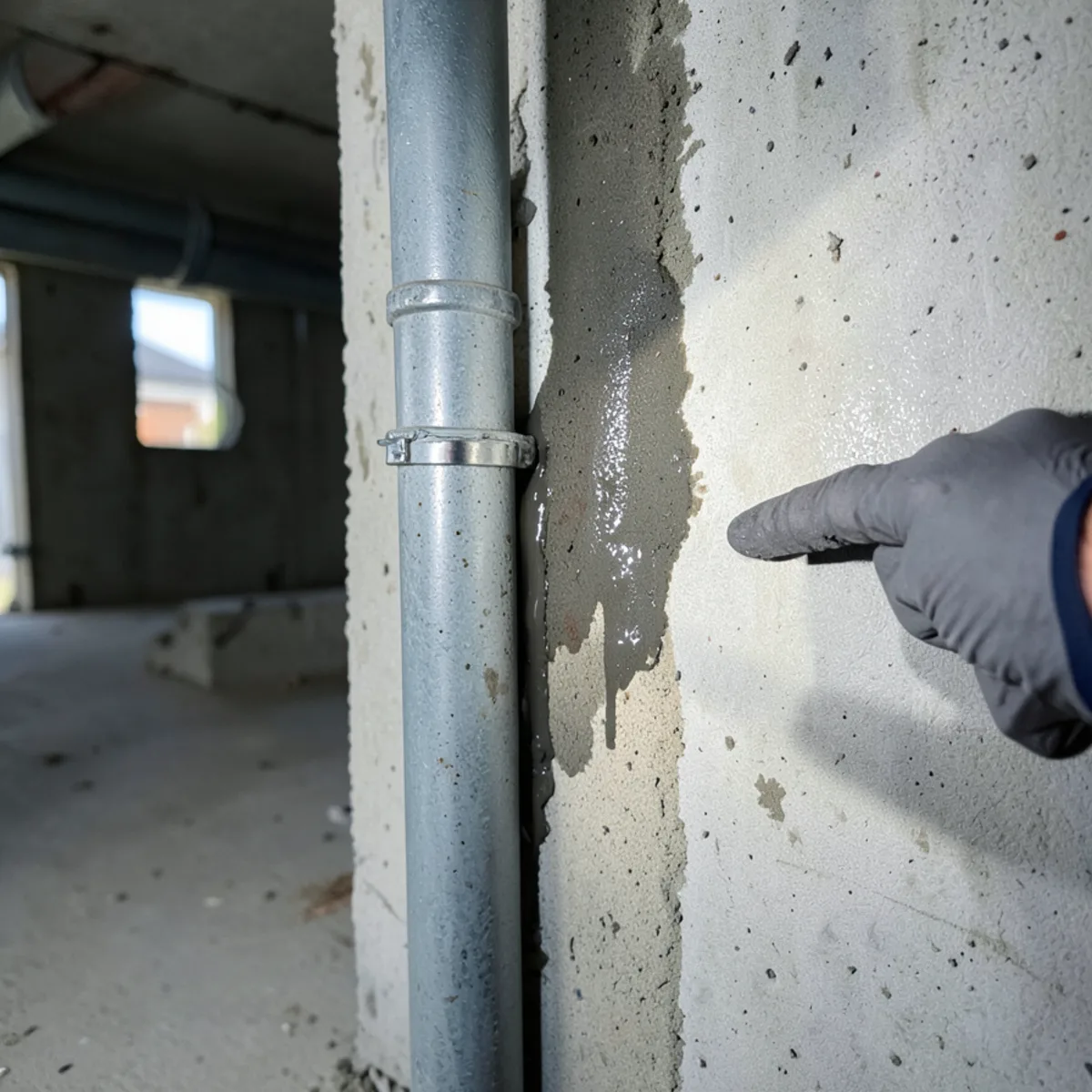
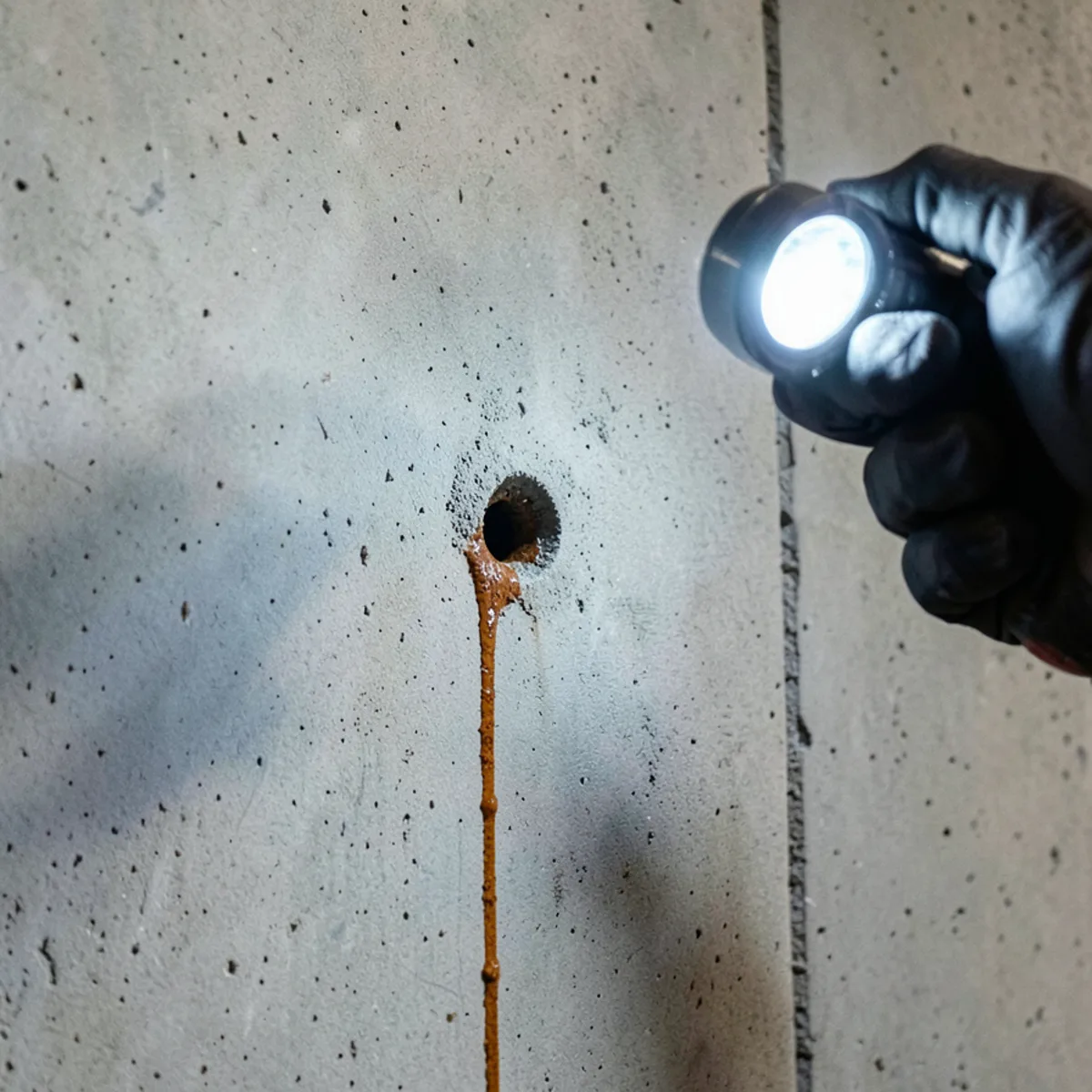
Why Homeowners Choose Us for Basement Leak Repair
Leak tracing takes patience, and most of the leaks we find connect back to how the house handles groundwater. As basement-water specialists we can fix the sump and drainage side ourselves and tell you honestly when the cause needs a foundation contractor instead.
We work out of Littleton at 8 W Dry Creek Cir, by appointment, and price the investigation and the repair separately so you know what you're paying for at each step.
- Finds the real entry point, not just the wet spot
- Sump and discharge correction where that's the cause
- Attention to cove-joint and crack seepage
- Lasting fixes, not temporary patches
- Clear explanation of what we found
Services That Pair With Basement Leak Repair
Helpful Guides & Costs
Where We Provide Basement Leak Repair
See every community on the service areas page.
Basement Leak Repair FAQs
Most basement water enters at the cove joint (wall-floor seam), through foundation cracks under pressure, or around a sump pit. We trace it to the true source before recommending a fix.
Often, yes — many leaks are best handled by improving how the home manages groundwater (sump system and discharge) from the inside. We'll tell you honestly if exterior work is the right call.
Hydrostatic pressure under the slab can push groundwater up through cracks or the cove joint. A properly sized sump system relieves that pressure by collecting and removing the water first.
Heavy rain overwhelms whatever normally keeps water away: gutters overflow, window wells fill, and saturated clay pushes water against the foundation faster than drainage can carry it off. The leak shows where that extra water finds a path in.
Yes. If the gap between the basin and the slab was never sealed, or the basin sits too high, groundwater can rise around it and spread across the floor before the pump starts. Resealing or resetting the basin fixes it.
Keep it from filling. A drain at the bottom of the well, clean gravel, and a cover that sheds rain all help, along with grading that slopes away. Egress window covers must still open easily from inside.
Water coming in at one spot?
A leak in one place is often a crack, a pipe seal, or a form-tie hole. We'll find it and explain whether sealing it is enough.
- Entry point traced
- Seal or drainage options explained
- Outside causes checked too