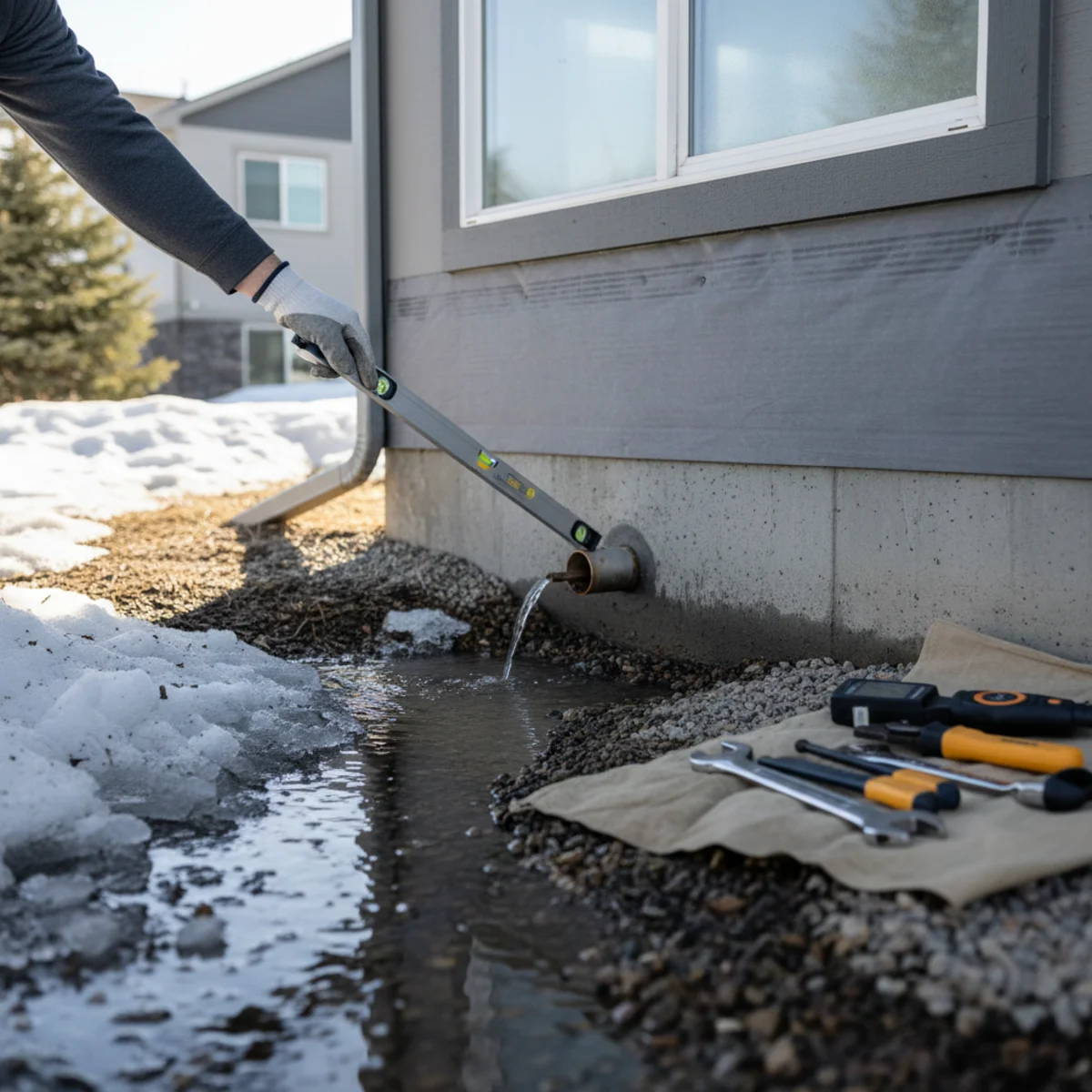
Why Colorado Snowmelt Can Overload Basement Drainage
A summer thunderstorm dumps water fast and moves on. Snowmelt is different. It feeds water into the ground around your foundation slowly, for days or weeks, right when the soil is least able to handle it.
That steady soak is exactly what overwhelms basement drainage along the Front Range. The pit fills and refills. The pump runs and runs. In Littleton's clay-heavy soil, the ground itself works against you the whole time. Homeowners who sailed through summer storms get caught in spring.
If you have a basement in Littleton, Highlands Ranch, Columbine, or Ken Caryl, snowmelt season deserves its own plan. Here is why it hits drainage so hard and what keeps a basement dry through it.
- Local Littleton Service
- Professional Installation
- Clear, Upfront Estimates
- Battery Backup Options
- Careful, Clean Workmanship
- Emergency Help Available
Why Snowmelt Hits Harder Than a Storm
Rain arrives and drains. Snowmelt lingers. A snowpack releases water gradually as temperatures rise, so instead of one hard hour of runoff you get days of saturation. The ground around your foundation never gets a chance to dry out between cycles.
Front Range freeze-thaw makes it worse. Days warm enough to melt snow are often followed by nights that refreeze the surface. Each cycle pushes meltwater down toward the foundation and stresses the soil. Over a melt week, the water table around the house can stay high for a long stretch.
Timing adds another twist. A warm, sunny afternoon can send the day's heaviest meltwater toward your foundation hours after the sun is already down and you have stopped thinking about it. The pump often does its hardest work in the evening and overnight, which is exactly when no one is watching the pit.
The result is a sump pit that fills steadily rather than in bursts. A pump that handles a quick storm can still be run ragged by snowmelt simply because the demand never lets up.
Littleton Clay and Hydrostatic Pressure
Littleton sits on expansive clay soil. Clay swells when it gets wet and shrinks when it dries. During a long snowmelt, the clay around your foundation soaks up water and swells, and it drains slowly because clay does not let water pass easily.
That trapped water builds hydrostatic pressure against your foundation walls and floor. The pressure pushes water toward any crack, joint, or weak point it can find. This is why basements that seemed fine for years start showing water at the cold joint or seeping up through the floor during a heavy melt.
A sump system is what relieves that pressure. It gives the water collecting around and under the foundation somewhere to go before it builds up enough to force its way inside. In clay soil, that relief is not a luxury. It is how the basement stays dry.
Getting Ready for Snowmelt Season
Run through this before the melt starts, ideally in late winter while you still have time to fix what you find.
- Test the pump: Pour a bucket into the pit and confirm the pump starts, drains it, and shuts off cleanly. A pump that sat idle all winter can stick.
- Check the discharge line for freeze: A line still frozen or blocked from winter sends pumped water right back into the pit. Clear it before the melt.
- Confirm discharge routes away from the house: Meltwater dumped near the foundation just recirculates. Discharge should carry water well away and downhill.
- Clear snow piled against the foundation: Snow shoveled up against the house melts straight down toward the basement. Move it away from the walls.
- Inspect the check valve: A failed check valve lets water flow back down after each pump cycle, making the pump work far harder during a long melt.
- Verify the backup system: Snowmelt outages happen. Confirm a battery or water-powered backup is charged, primed, and ready.
- Listen for the high-water alarm: Test it so you get a warning if the pit ever climbs past its normal line during the melt.
Is Your Pump Sized for a Long Melt?
A pump can be perfectly healthy and still fall behind during snowmelt if it is undersized for the sustained demand. Storm flow is short. Snowmelt flow is long and relentless, and that endurance test exposes a pump that was only ever sized for the easy days.
Pay attention to how hard the pump works during the first real melt of the season. If it runs almost nonstop, barely keeps the pit down, or short-cycles trying to keep up, those are signs it is at or past its limit. A bigger or more capable pump, or a properly sized backup running alongside it, closes that gap.
Pit size and inlet capacity matter too. A basin that is too small fills and triggers the pump constantly during a melt, wearing it out faster. A larger basin buys the pump rest between cycles, which matters over a week of steady inflow. We look at the whole system, not just the pump, when snowmelt is the load you are designing for.
It is also worth thinking about how old your pump is heading into melt season. A unit near the end of its service life may have coasted through summer storms but lack the endurance for days of continuous duty. Spring, before the snowpack lets go, is a far better time to replace a tired pump than the middle of a melt with water rising in the pit.
Outages During Snowmelt
Spring storms ride in on the same weather that drives the melt, and they bring power outages. An outage during snowmelt is one of the worst cases for a basement, because the ground is already saturated and the water keeps coming whether your pump has power or not.
This is the scenario backups exist for. A battery backup pumps on stored charge through the outage. A water-powered backup runs on municipal water pressure and can keep going for a long outage as long as city water holds. Either one keeps the pit down while the grid is dark.
If your basement is finished, the case for a backup is even stronger during melt season. Pair a healthy, properly sized primary pump with a backup matched to your home and you are covered for the long, wet weeks that catch unprepared basements. Emergency sump pump help available — call (207) 419-2600.
Frequently Asked Questions
Keep Reading
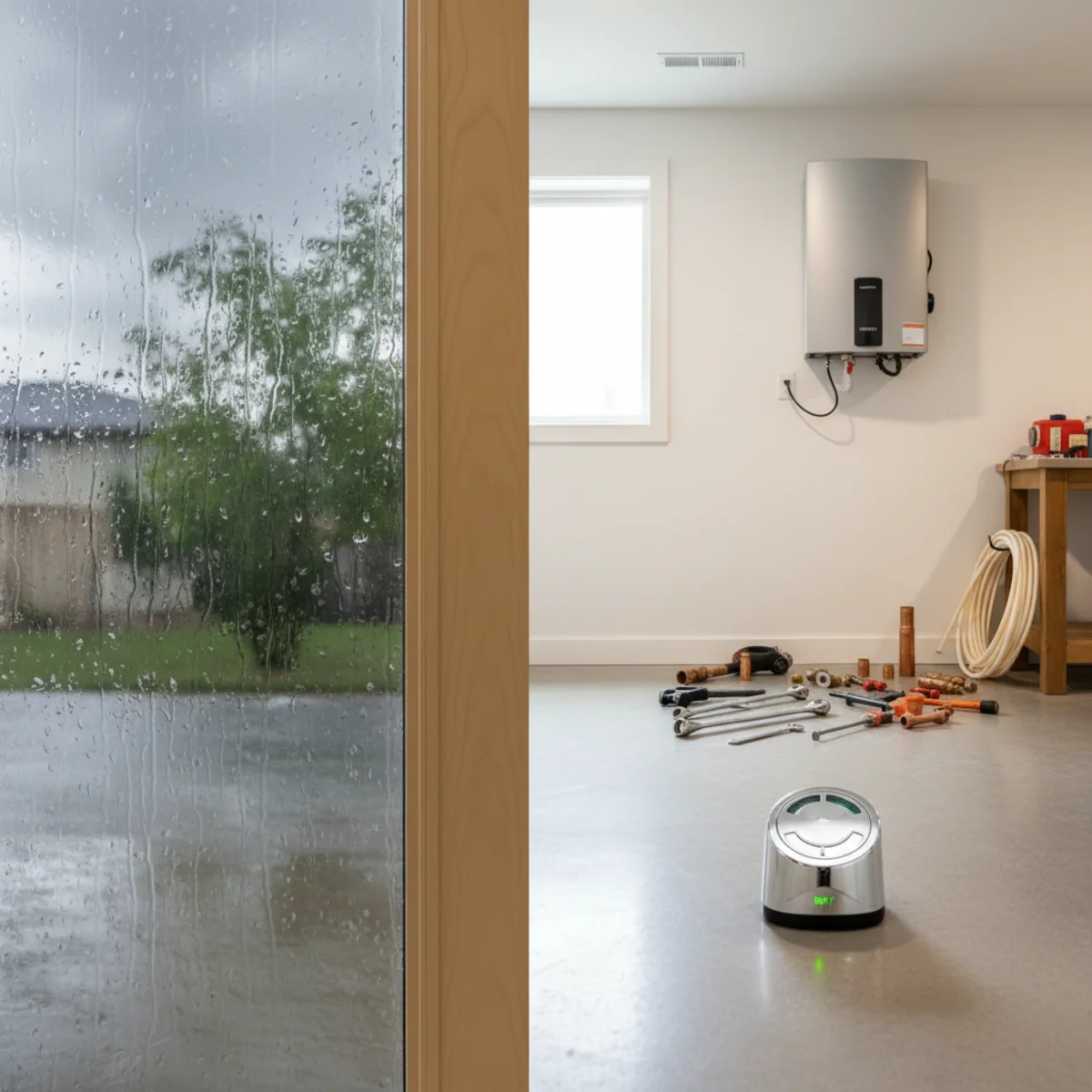 Basement Flood Prevention
How to Prevent Basement Flooding During Heavy Rain
Heavy Front Range rain and snowmelt push water against your foundation fast. Here is how to keep your basement dry before, during, and after a storm.
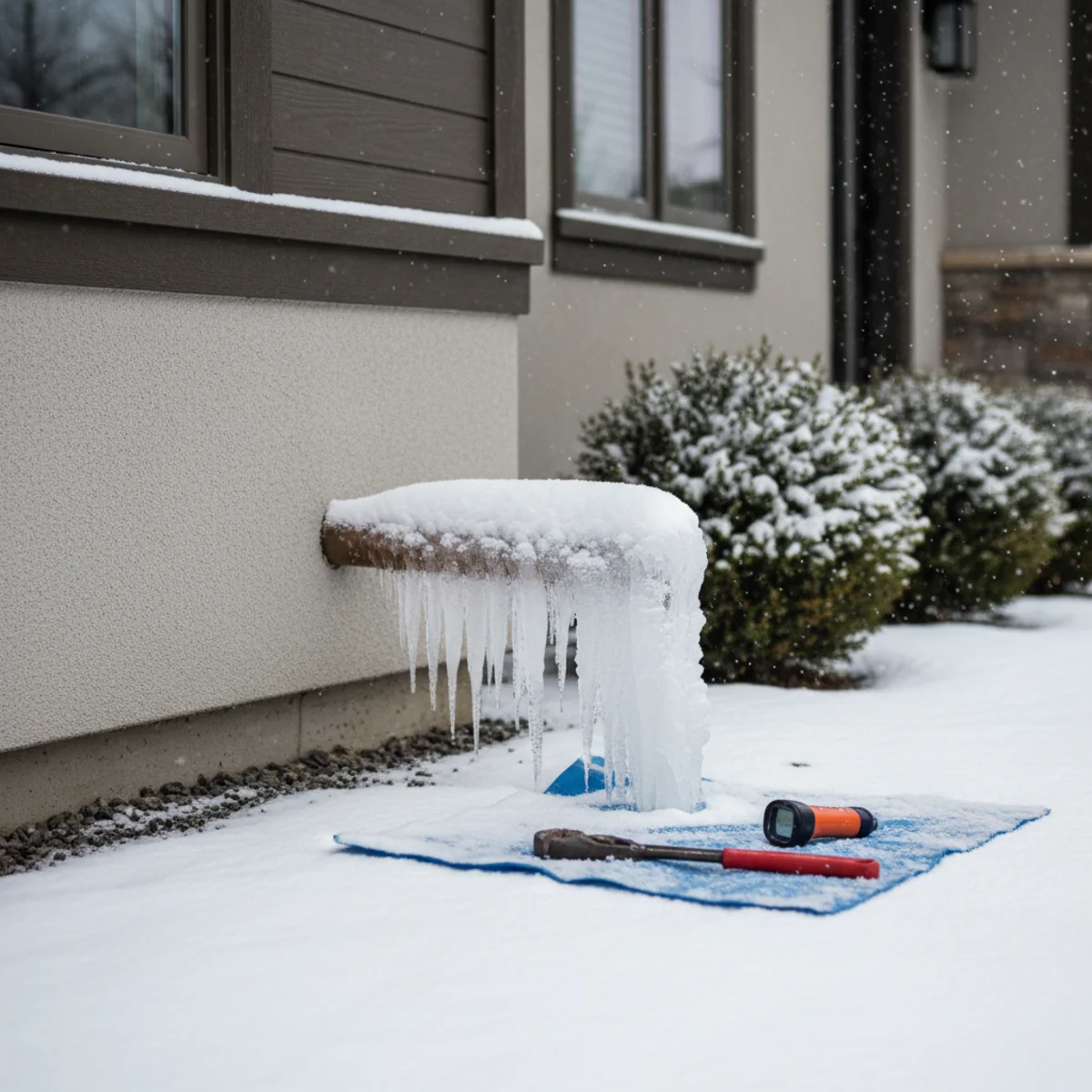 Littleton Homeowner Guides
What to Do If Your Sump Pump Discharge Line Freezes
A frozen discharge line traps water in the pit and can burn out your pump. Here's how to spot it, thaw it safely, and stop it from happening again.
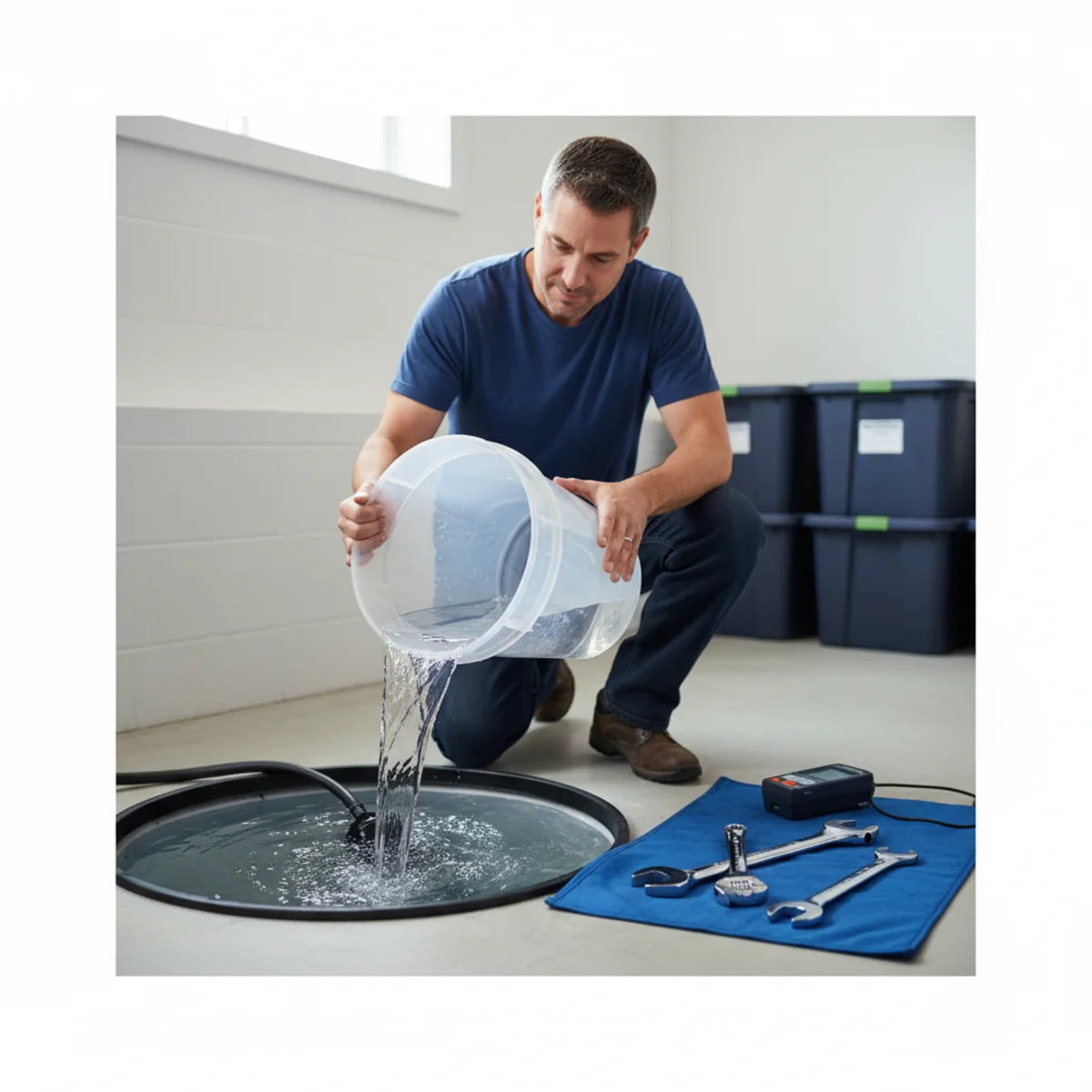 Maintenance & Troubleshooting
How to Test Your Sump Pump Before a Storm
The time to find out your pump is dead is not during the storm. Here's a five-minute test you can run yourself before the rain hits.
Protect Your Basement Before the Next Storm
Get professional sump pump help from a local Littleton specialist. Clear, upfront estimates and careful, clean workmanship.
Available by appointment. Emergency sump pump help available.