

Sump Pump Not Turning On? Causes and Fixes
Quick answer
Most sump pumps that won't turn on have lost power, have a float that can't rise, or are jammed, rather than a dead motor. Check the GFCI outlet and breaker, look for a float caught on the basin wall, and listen for humming. If the pump runs when the float is lifted or plugged in directly, the motor is fine.
The water in the pit is rising and the pump is silent. Before you assume the motor is dead, know that most pumps that won't start have a simpler problem: no power reaching them, a float that can't rise, or debris jamming the works.
This guide walks through the causes in the order we check them, starting with what a homeowner can safely look at. If water is already near the rim of the pit, skip ahead and get water moving first.
- Local Littleton Service
- Professional Installation
- Clear, Upfront Estimates
- Battery Backup Options
- Careful, Clean Workmanship
- Emergency Help Available
Safety First
- Never reach into a sump pit while the pump is plugged in
- Do not stand in water on the basement floor while handling cords or outlets
- If the outlet or cord is wet, shut off the breaker before touching anything
- If you smell burning or see scorch marks, leave the pump unplugged
1. No Power at the Outlet
Sump pumps are usually on a GFCI outlet, and GFCIs trip. Check whether the outlet's reset button has popped, then check the breaker panel for a tripped breaker.
Plug a lamp or phone charger into the same outlet to confirm it works. If the GFCI trips again as soon as the pump runs, the pump or its cord may have a fault, and that needs a professional look rather than repeated resets.
2. The Float Switch Is Stuck
The float tells the pump when to run. If it is wedged against the side of the basin, tangled in the cord, or held down by debris, the pump never gets the signal.
With the pump unplugged, look at the float. It should move freely through its full range. A pump that shifted in the pit is a common culprit, because the float ends up rubbing against the wall.
3. The Float Switch Has Failed
Floats wear out, especially the mechanical switch inside them. If the float moves freely but the pump does not respond, the switch itself may be dead.
Many pumps use a piggyback plug, where the float plugs into the outlet and the pump plugs into the back of it. Plugging the pump directly into the outlet bypasses the float. If it runs that way, the float is the problem. Only do this briefly, and unplug it before the pit runs dry.
4. The Impeller Is Jammed
Gravel, silt, and small debris can lock the impeller. You may hear a hum with no water moving. A pump that sits on the bottom of a dirty pit is especially prone to this.
Clearing it means pulling the pump and cleaning the intake, which is easier with a union on the discharge line. A pump that keeps jamming usually needs a cleaner pit or a stand to lift it off the bottom.
5. Thermal Overload Tripped
After a long run, many motors shut off to protect themselves from overheating, then restart once they cool. A pump that works, quits, then works again 20 minutes later is often cycling on thermal protection.
That is a warning sign. The pump is working too hard, either because it is undersized, the discharge is restricted, or the check valve is letting water fall back so the pump moves the same water twice.
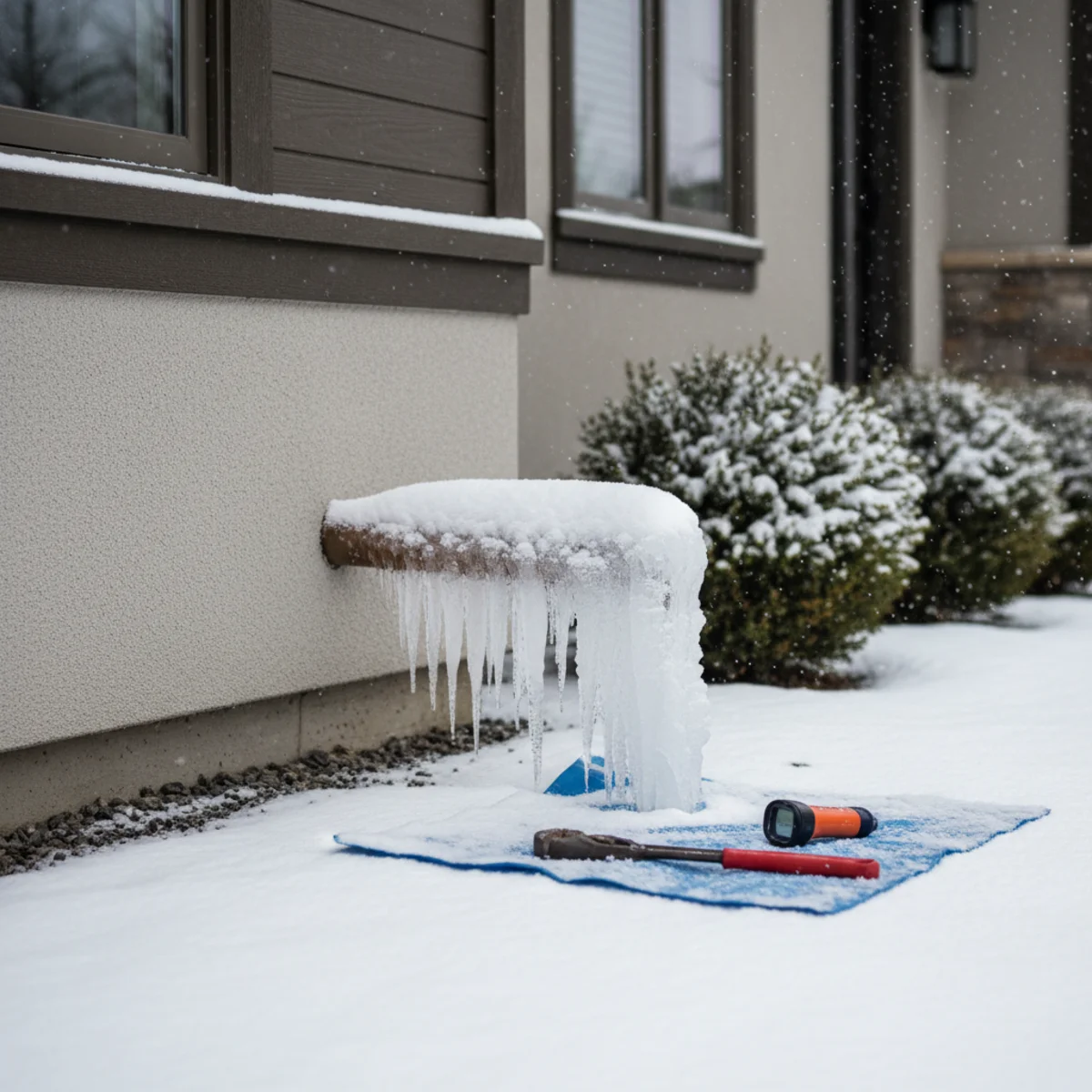
6. A Frozen or Clogged Discharge
In a Colorado winter, a discharge line that freezes near its outlet gives the water nowhere to go. Some pumps will run against the blockage, others will trip their overload and appear dead.
Check the outside end of the line. Ice or snow packed at the outlet, or a line that has sagged and filled with ice, needs clearing and usually rerouting below the frost line.
7. The Pump Is Air-Locked
If air is trapped between the pump and a closed check valve, the pump can spin without moving water. This shows up most often right after installation or service.
A small relief hole in the discharge pipe, between the pump and the check valve, lets trapped air escape. Many manufacturers call for one.
8. The Motor Has Failed
If the outlet has power, the float works, the impeller is clear, and the pump still will not run when plugged in directly, the motor is likely done. That is common in pumps past 7 to 10 years old.
At that point replacement is the right call, and it is a good moment to add a battery backup so the next failure does not mean a flood.
Quick Troubleshooting Guide
Match what you're seeing to the most likely cause, then work through the checks in that order.
- Silent, outlet dead: tripped GFCI or breaker — reset once; if it trips again, stop
- Silent, outlet live, float stuck: pump shifted or float snagged — re-center the pump
- Silent, float moves freely: failed float switch — test by plugging the pump in directly
- Hums, no water moving: jammed impeller, air lock, or frozen discharge
- Starts, then quits for 20–30 minutes: thermal overload from a blockage or undersized pump
- Runs when plugged in directly, nothing else wrong: replace the float switch
Getting Water Out While You Wait
If the pit is close to overflowing, a wet vac or a utility pump with a garden hose routed outside can buy time. Keep cords out of standing water and away from the pit edge.
Then call for help. A pump that won't start in storm season is an urgent repair, and emergency sump pump help is available.
From the field
What We Find Most Often on No-Start Calls
On the no-start calls we take around Littleton, the most common causes, in order, are a float caught against the basin wall after the pump shifted, a tripped GFCI, and a frozen discharge in winter. Truly dead motors are usually in pumps that are well past ten years old. That's why we always lift the float and check the outlet before recommending a new pump.
If you do need a replacement, it's worth asking why the old one failed. A pump that kept tripping its overload may have been undersized or fighting a discharge problem that will kill the next one too.


Get Water Moving, Then Find the Cause
When a pump won't start, keep the pit down first with a wet vac or utility pump, stay out of standing water near outlets, and work through power, float, and jam in that order. If none of those bring it back, or the pit is close to overflowing, call for help. Emergency sump pump help is available.
Questions about your own system? Call (207) 419-2600 and talk it through with a local sump specialist.
Related services
Local help nearby
Sump Pump Not Turning On? Causes and Fixes: Common Questions
Lift the float switch by hand with the pump plugged in, or pour water into the pit until the float rises. On pumps with a piggyback plug, plugging the pump directly into the outlet bypasses the float and runs it continuously. Only do that briefly.
Unplug it for a minute, reset the GFCI outlet or breaker if either tripped, and plug it back in. If the motor shut off on thermal overload, give it 20 to 30 minutes to cool before it restarts.
Usually a jammed impeller, an air lock, or a frozen or blocked discharge. If clearing the intake and checking the discharge does not help, the motor may be failing.
If the problem is a float switch, check valve, or clog on a pump under about 7 years old, repair makes sense. If the motor has failed on an older pump, replacement is usually the better value.
A healthy pump can run for long stretches during heavy runoff, because the water cools the motor. Burnout usually comes from running against a blockage, running dry, or short-cycling for months. A pump that runs constantly in dry weather needs a look.
Keep reading
 Maintenance & Troubleshooting
Emergency Sump Pump Repair Guide
When your sump pump quits mid-storm, minutes matter. Here are the steps to take right now and the quick checks that sometimes get it running again.
 Maintenance & Troubleshooting
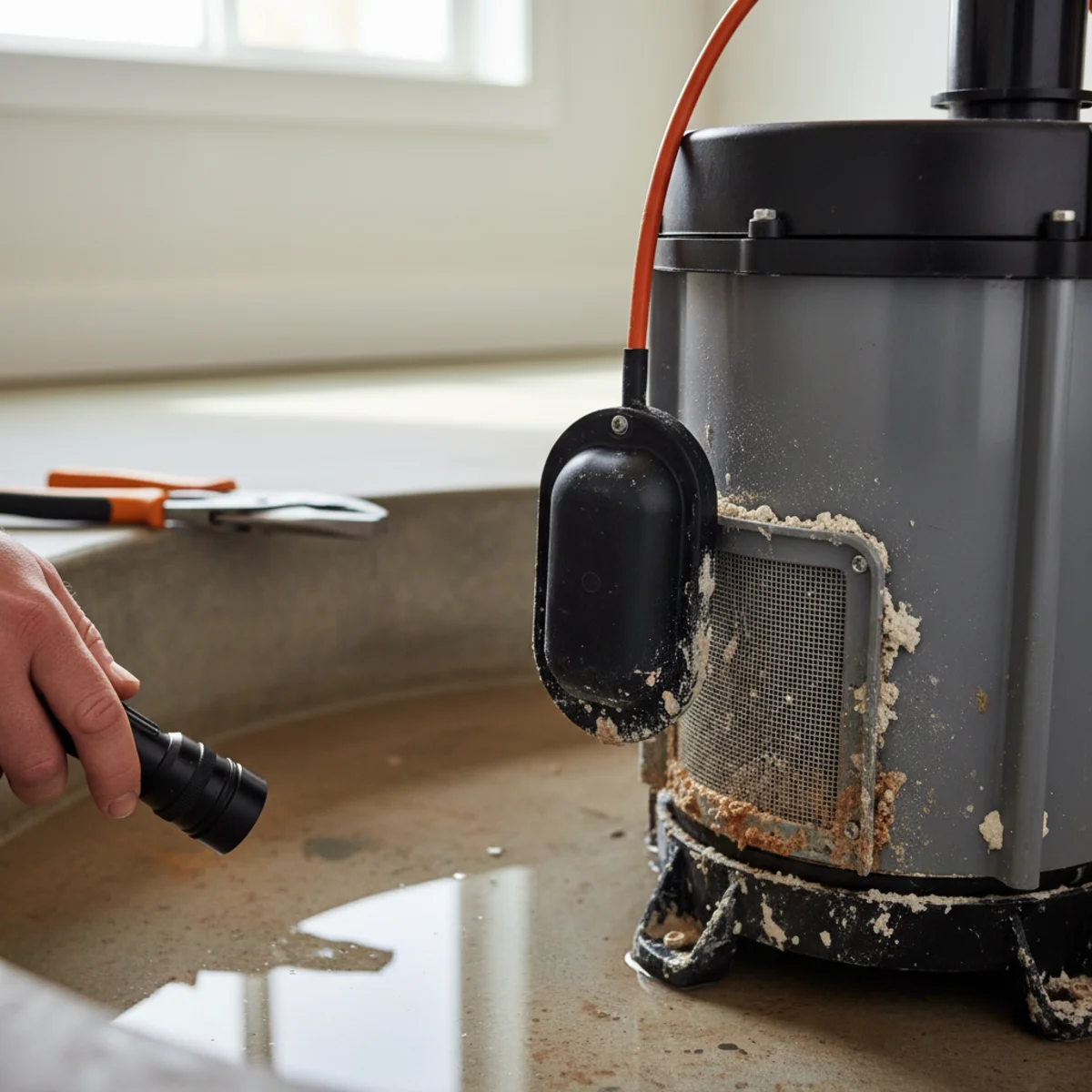
Common Sump Pump Float Switch Problems
The float switch is the most common point of failure on a sump pump. Here are the float switch problems we see most in Littleton basements and how to spot them early.
 Maintenance & Troubleshooting
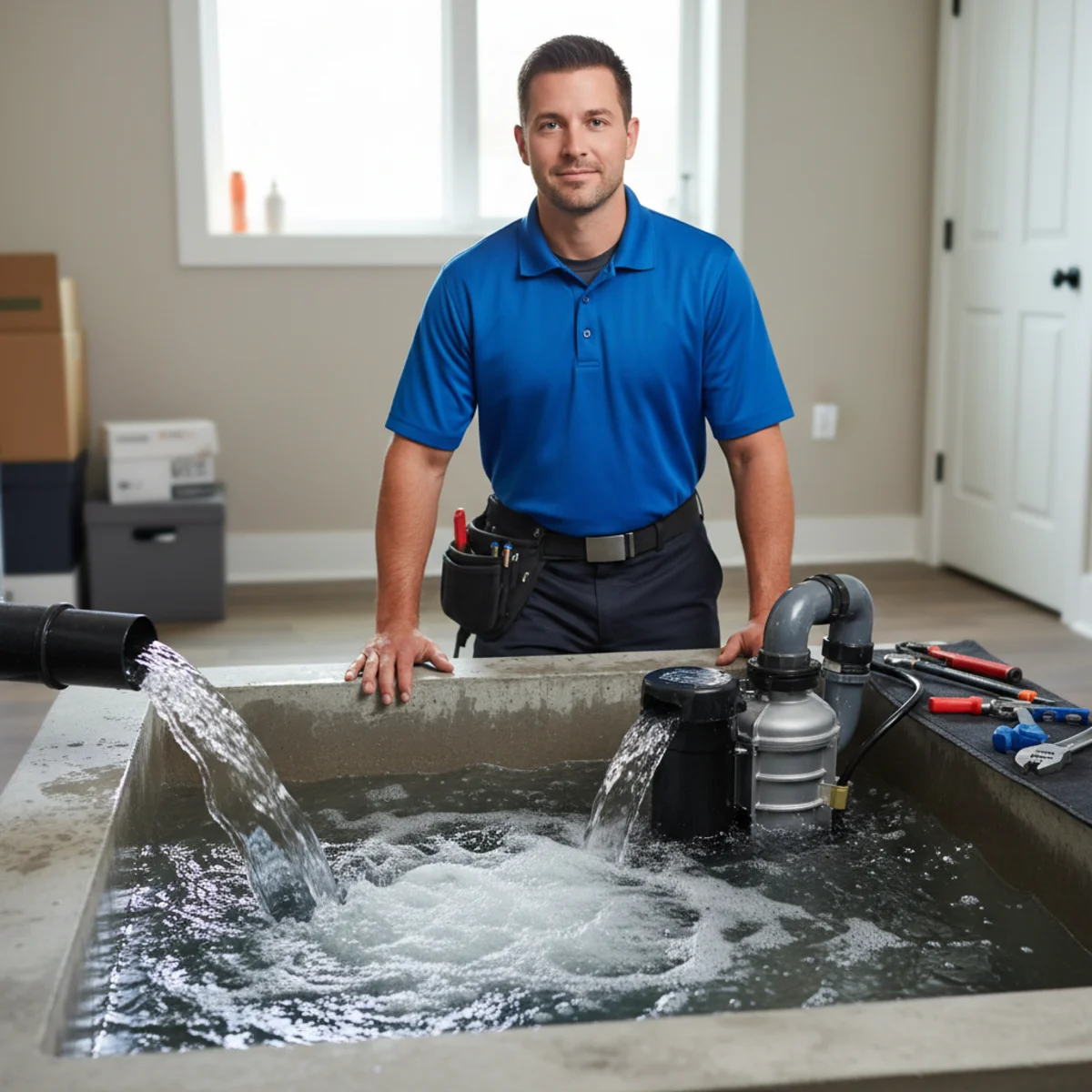
Why Does My Sump Pump Run Constantly?
A sump pump that never shuts off is wearing itself out and warning you of a bigger problem. Here are the real causes and how to fix them.
Get Local Help: Maintenance & Troubleshooting
Get professional sump pump help from a local Littleton specialist. Clear, upfront estimates and careful, clean workmanship.
Available by appointment. Emergency sump pump help available.