
Sump Pump Service
Industrial Sump Pump Installation
High-capacity, heavy-duty systems for demanding facilities.
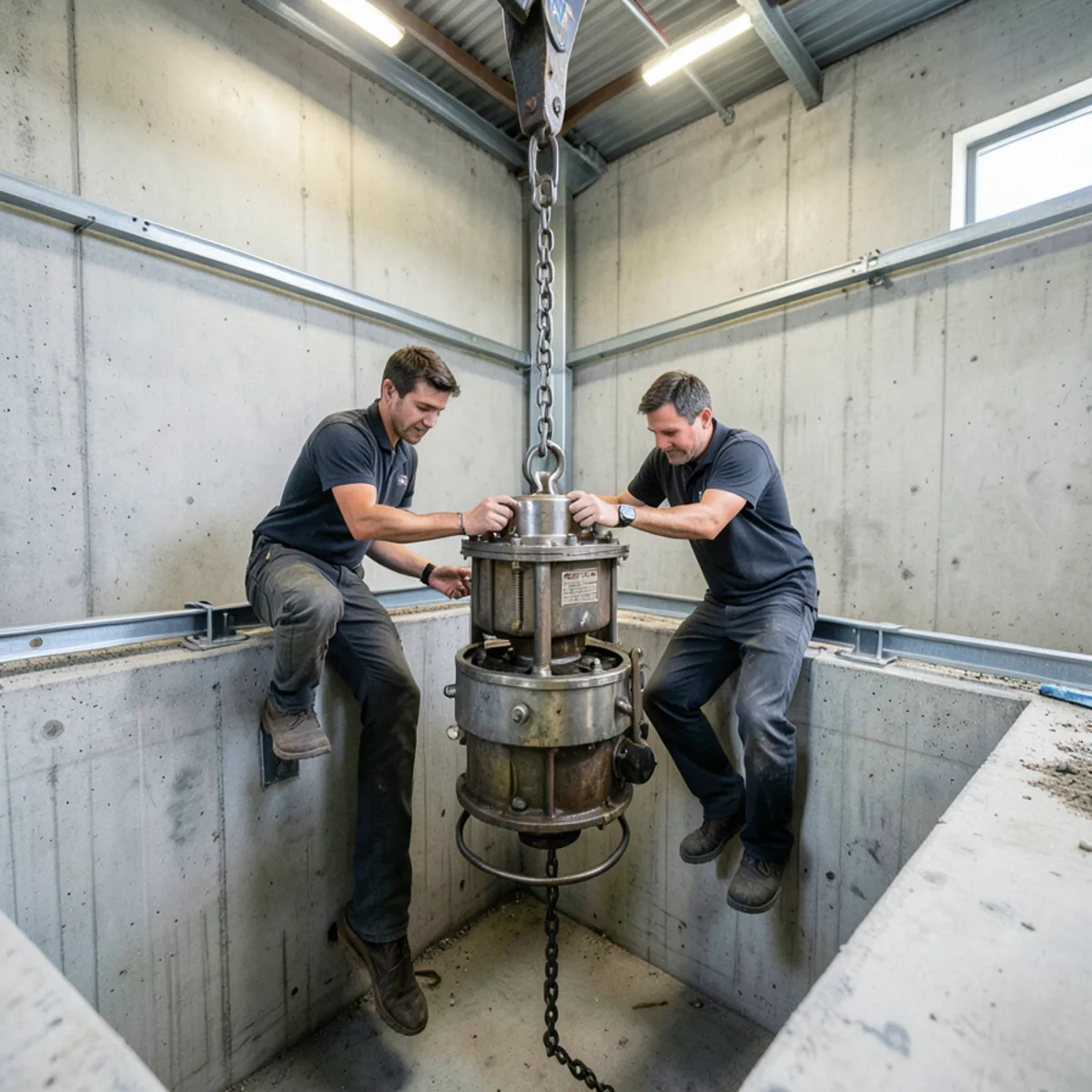
Some properties move serious water. Industrial sump pump installation handles high-capacity, heavy-duty needs for facilities across the Denver Metro — large pits, dual-pump redundancy, and robust discharge built for continuous demand. Littleton Sump Pump Pros installs systems sized for the load.
When the water volume is beyond residential scale, the equipment and the engineering have to match.
- Local Littleton Service
- Professional Installation
- Clear, Upfront Estimates
- Battery Backup Options
- Careful, Clean Workmanship
- Emergency Help Available
Built for high-capacity demand
Industrial sump work is about groundwater and stormwater at a larger scale: bigger pits, larger pumps, longer discharge runs, and controls that keep a facility dry when one pump fails. It isn't process wastewater or municipal pumping, which are engineered and permitted differently. Within that scope, these are the building blocks.
- High-horsepower and high-capacity pump systems
- Dual-pump and dual-pit configurations for redundancy
- Heavy-duty cast-iron construction for continuous duty
- Robust discharge sized for large flows
- Alarms and monitoring for critical reliability
Where industrial sump systems are used
Around the Denver Metro, the facilities that need this level of pumping tend to share one feature: a below-grade area that collects a lot of water from a large footprint. Loading-dock wells catch runoff from paved yards. Parking garages and ramps collect rain, snowmelt, and meltwater dripping off cars. Large basements, utility vaults, and equipment pits sit below a high seasonal water table.
Each has different priorities. A dock well has to clear quickly after a cloudburst so trucks can keep moving. A garage sump has to handle grit and debris. A pit under critical equipment has to stay dry no matter what.
Water that isn't sump water
Water that may carry oil, fuel, or process chemicals isn't treated like groundwater. Parking-garage and vehicle-area drains commonly require an oil-water separator or interceptor under the plumbing code, and anything from a process line falls under separate discharge rules. We work on the groundwater and stormwater side and tell you plainly when a system needs an interceptor or a specialist.
Engineering for reliability
Industrial systems can't afford a single point of failure. We design with redundancy — multiple pumps, alarms, and backup power considerations — so the facility stays protected even under peak load or a component failure.
We'll assess your flow requirements and build a system that keeps up.
Redundancy has to be designed into the controls, not just the hardware. A second pump that's never exercised can seize, so controllers alternate the lead pump each cycle and bring the second pump on automatically when the water keeps rising. High-level alarms, run-time monitoring, and a plan for backup power complete the picture.
How an industrial pump is sized
Sizing starts with how fast water arrives. A drawdown test, timing how quickly the pit refills after it's pumped down, gives a real inflow rate, which we compare against the worst-case runoff the site can see. Then we work out the total dynamic head: the vertical lift from the pit to the discharge point plus the friction losses in the pipe and fittings along the way.
With those two numbers, the pump is chosen from its performance curve so it delivers the needed flow at that head, with margin. Oversizing has costs too: short cycles, wasted energy, and faster wear. Getting it right is the difference between a pit that clears in minutes and one that never quite catches up.
Controls, alarms, and backup power
Duplex and triplex control panels run the pumps in a lead-lag sequence, alternate the lead each cycle, and log run times so a pump that's working harder than usual stands out. High-level alarms can notify facility staff remotely. Where outages are a real risk, the panel can be tied into a standby generator through a transfer switch, sized to start the pumps under load.
What an industrial sump installation costs depends on
The pumps themselves are only part of the cost. The size and depth of the pit or vault, concrete work, the length and diameter of the discharge, the control panel and alarms, electrical service to the panel, and generator integration all add up. Access matters as well: work in an active warehouse or a garage that has to stay open is scheduled and staged differently. We price after a site assessment that includes the drawdown test.
Engineering, permits, and discharge approvals
Industrial pump systems often need engineered drawings, plumbing and electrical permits, and inspection before commissioning. Where the discharge goes to a storm system, the local jurisdiction may have its own approval or stormwater requirements. We coordinate with the facility's engineer and the building department so the system is approved, not just installed.
How Our Industrial Sump Pump Installation Process Works
- 1
Site assessment
Pits, what they protect, existing pumps, and how water reaches them.
- 2
Measure inflow
Drawdown test and worst-case runoff estimate for the site.
- 3
Calculate the head
Vertical lift plus pipe and fitting losses to the discharge point.
- 4
Select pumps and controls
Pumps chosen from their curves, plus duplex control, alarms, and power plan.
- 5
Install under permit
Pit, pumps, discharge, panel, and electrical, with required inspections.
- 6
Commission under load
Run the system against real inflow and confirm alternation and alarms.
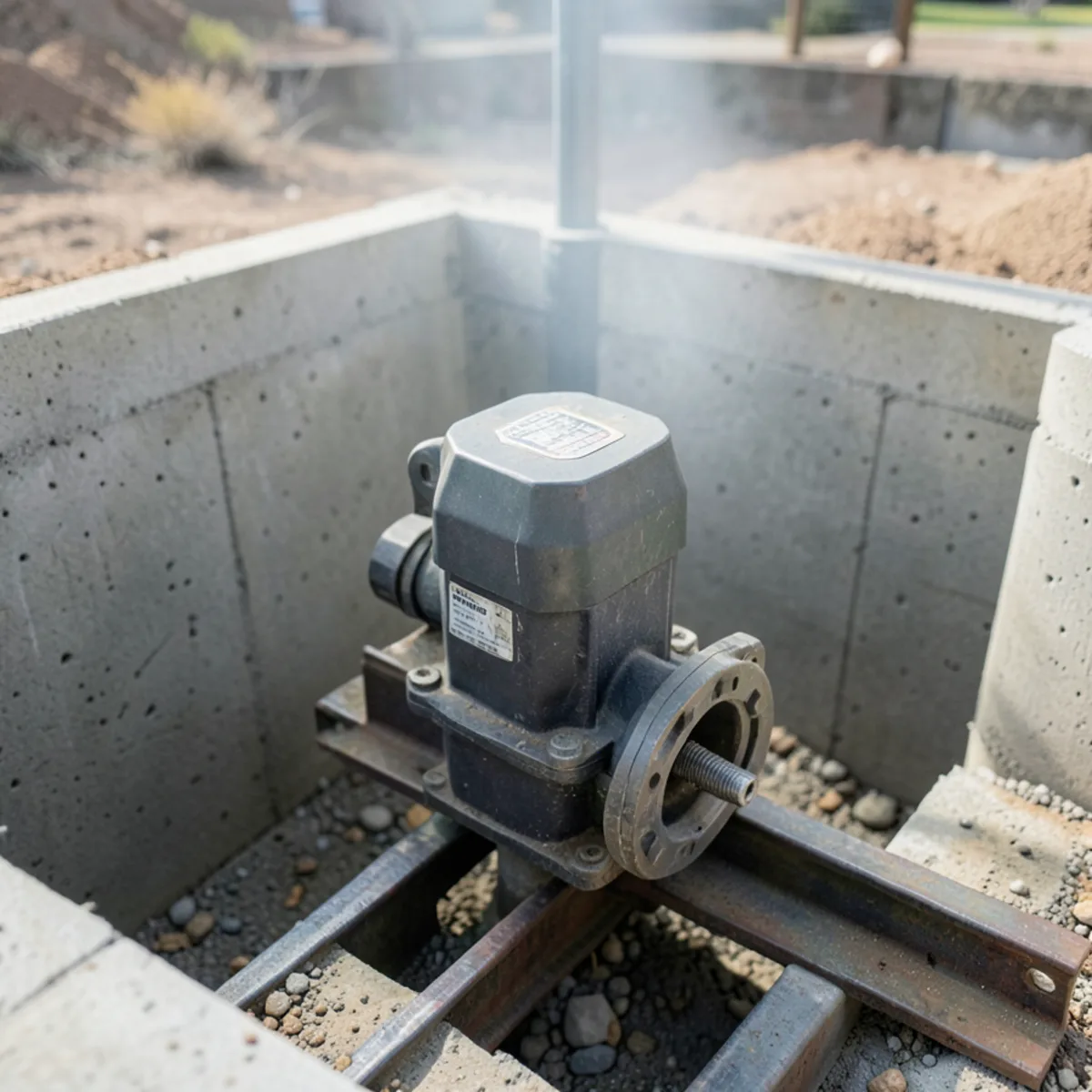
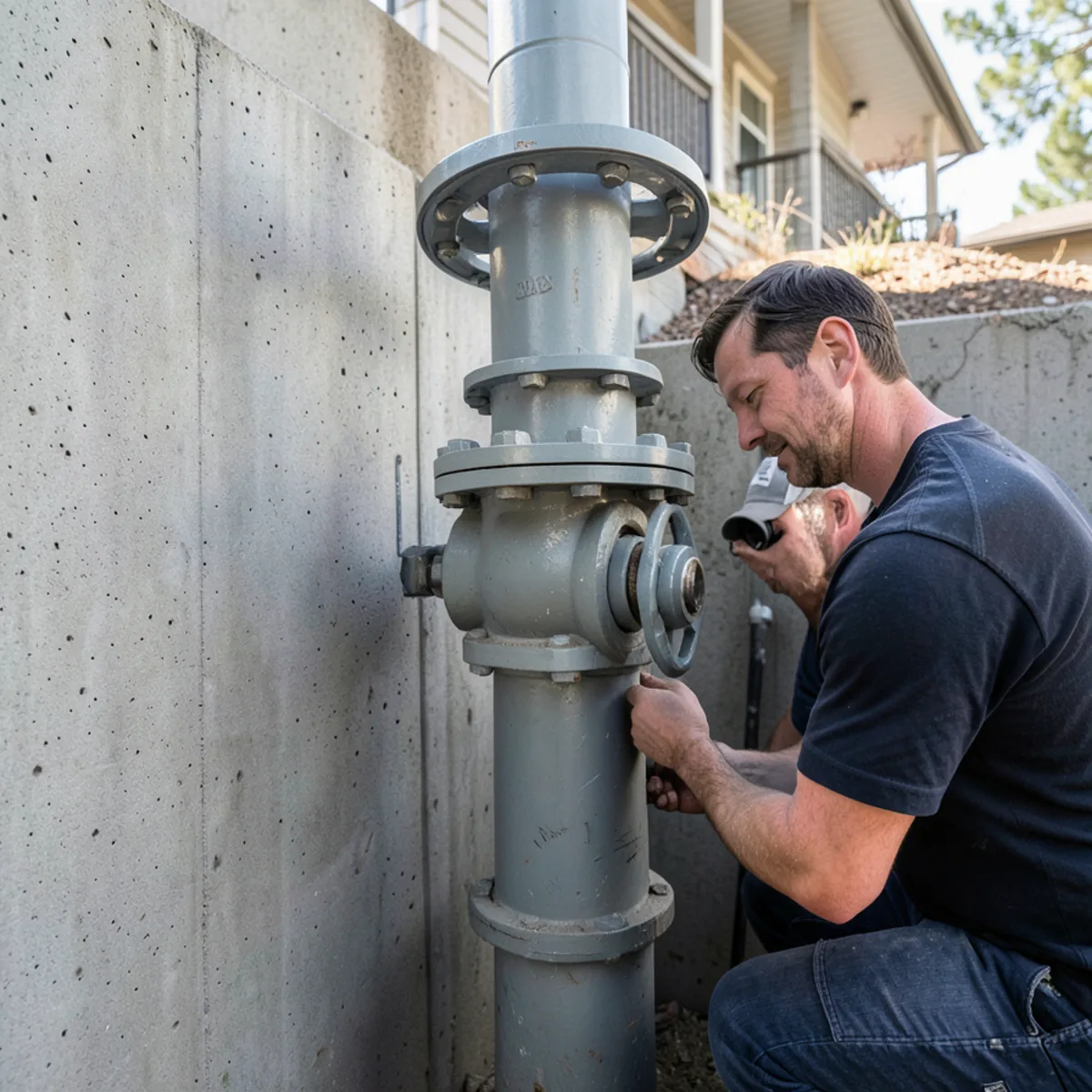
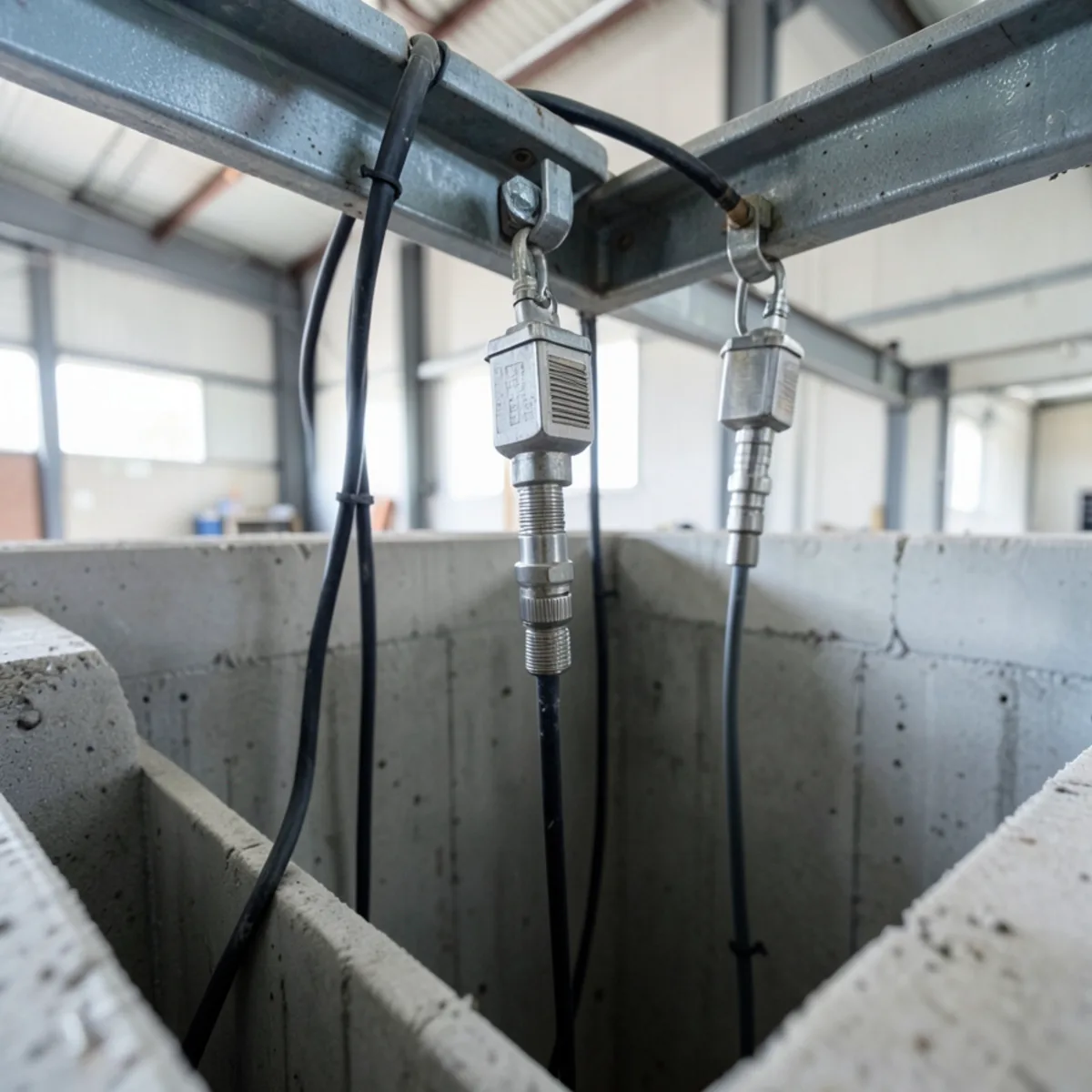
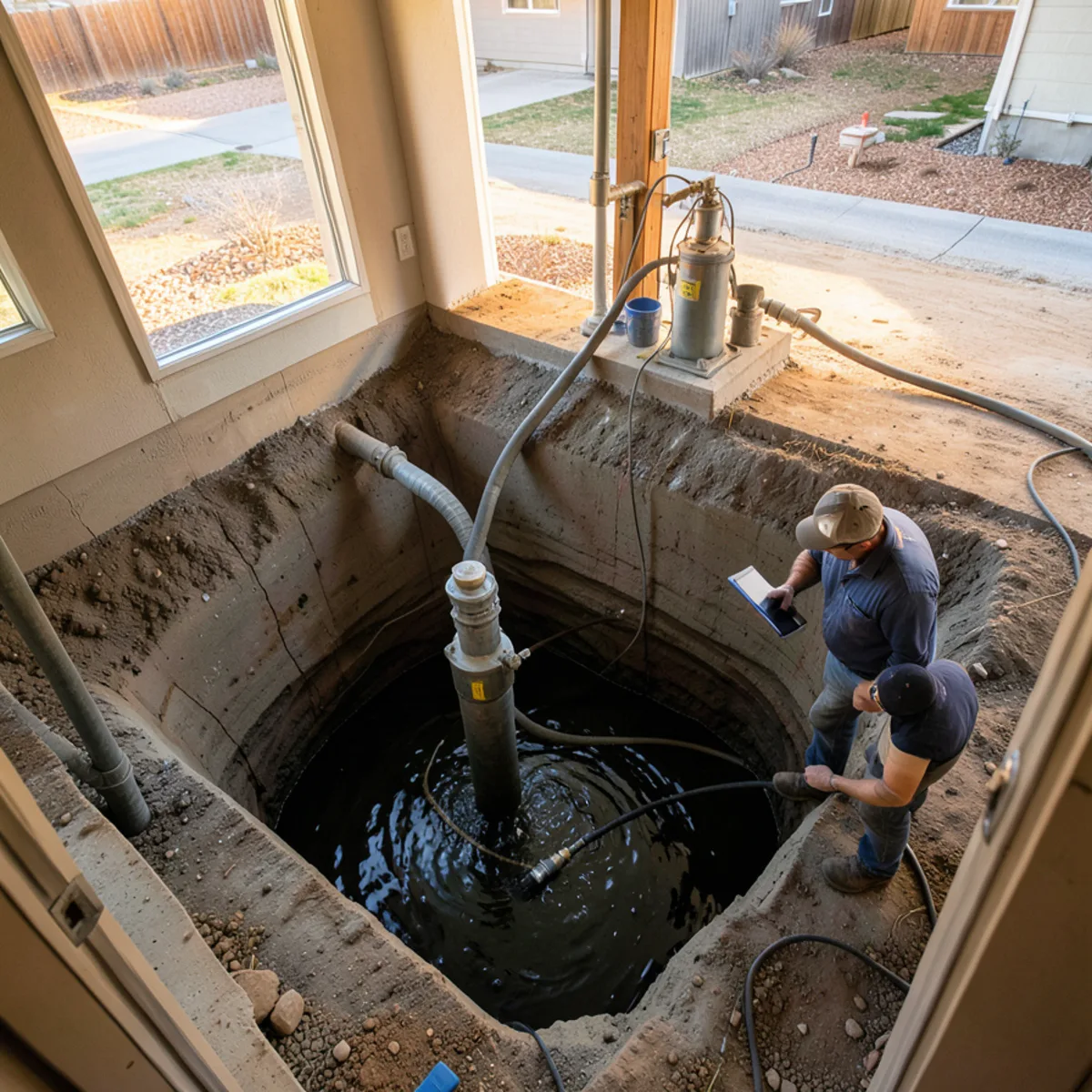
Industrial Sump Pump Installation: what the work looks like
Why Homeowners Choose Us for Industrial Sump Pump Installation
Industrial sump work is still sump work: getting water out of a pit reliably and sending it somewhere it won't come back. We bring that daily focus to larger systems, and we're candid about where our scope ends and an engineer's or a process specialist's begins.
We're based in Littleton at 8 W Dry Creek Cir and serve facilities across the Denver Metro by appointment, starting every project with a site assessment and drawdown test.
- High-capacity systems for demanding facilities
- Dual-pump redundancy to avoid single points of failure
- Heavy-duty construction for continuous duty
- Alarms and monitoring for critical sites
- Denver Metro service
Services That Pair With Industrial Sump Pump Installation
Helpful Guides & Costs
Where We Provide Industrial Sump Pump Installation
See every community on the service areas page.
Industrial Sump Pump Installation FAQs
Higher horsepower and capacity, heavy-duty construction for continuous duty, and redundant configurations so a single failure doesn't flood the facility. They're engineered for far larger water loads than residential pumps.
Yes — dual pumps, alarms, and backup power considerations are standard for critical sites. The goal is no single point of failure.
Yes — we install industrial systems across the Denver Metro. Call (207) 419-2600 to discuss your facility's needs.
We measure how fast the pit refills with a drawdown test, estimate worst-case runoff, and calculate total dynamic head: the lift plus friction losses to the discharge. The pump is then chosen from its performance curve to deliver that flow at that head with margin.
Yes. The control panel can be connected to a standby generator through a transfer switch. The generator must be sized to start the pumps under load, not just run them, which we account for in the design.
No. We work on groundwater and stormwater. Drains from vehicle areas usually need an oil-water separator, and process water has its own discharge rules, so those parts of a system are handled by the appropriate specialists.
Moving serious water?
High-capacity systems need the pit, pumps, controls, and piping designed together. We'll start with the site and the water load.
- Pit and pumps sized together
- Staged floats and alarms
- Commissioning test before handover