
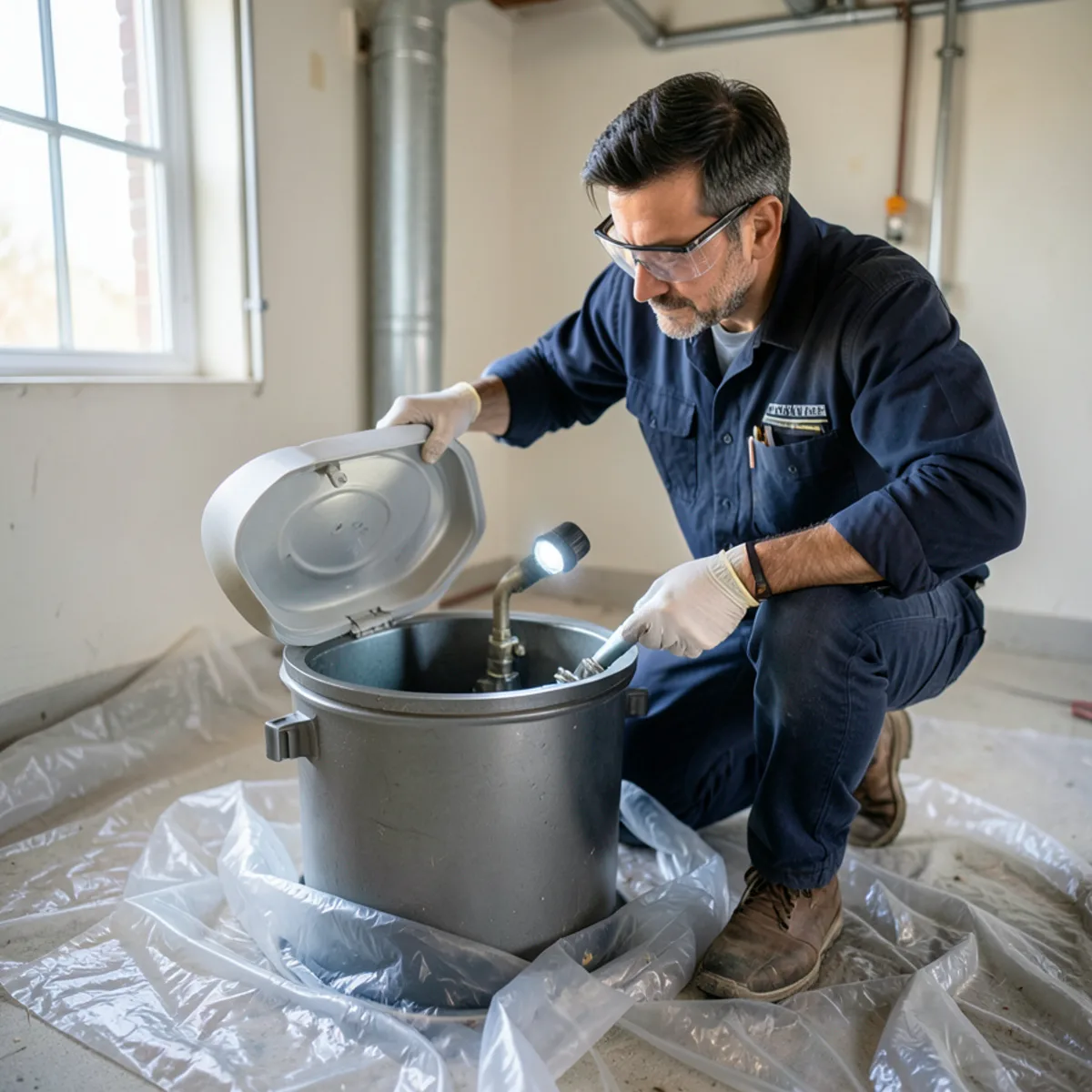
Sump Pump Service
Sewage Pump Repair
Alarms, backups, or odors mean it's time to service the ejector pump.
A failing sewage ejector pump is not something to put off — backups and odors follow quickly. Sewage pump repair in Littleton, CO covers alarms, slow drainage from basement fixtures, odors, and pumps that won't cycle. Littleton Sump Pump Pros repairs and replaces ejector pumps.
If the alarm is sounding or the basement bathroom is draining slowly, call before it becomes a backup.
- Local Littleton Service
- Professional Installation
- Clear, Upfront Estimates
- Battery Backup Options
- Careful, Clean Workmanship
- Emergency Help Available
Signs your sewage pump needs service
An ejector gives you a little warning before it backs up, and it's worth acting on. Unlike a sump pump, a failure here means sewage rising in the basement drains, so the signs below call for a prompt look, not a wait-and-see.
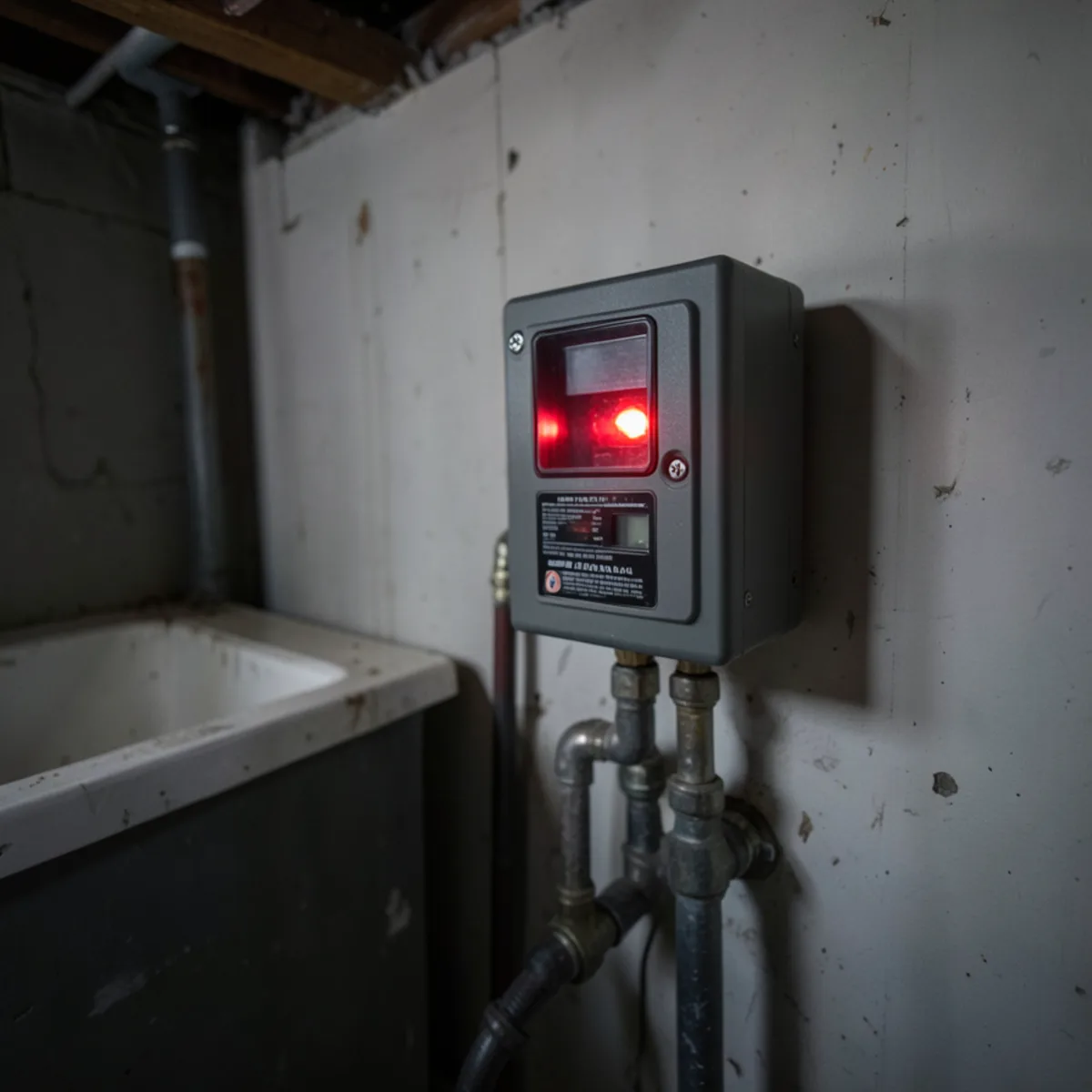
- The high-water or system alarm is sounding
- Basement fixtures drain slowly or back up
- Odors coming from the basin
- The pump runs constantly or won't turn on
- Gurgling or unusual noise from the system
If the alarm is going off right now
Stop running water into the basin: no showers, laundry, sinks, or flushing downstairs. Fixtures upstairs that drain by gravity to the sewer usually aren't affected, but check that the washing machine isn't tied into the basin. Silence the alarm if it has a switch, check that the pump's breaker hasn't tripped, and call. Every gallon you don't send downstairs buys time.
What usually goes wrong with an ejector
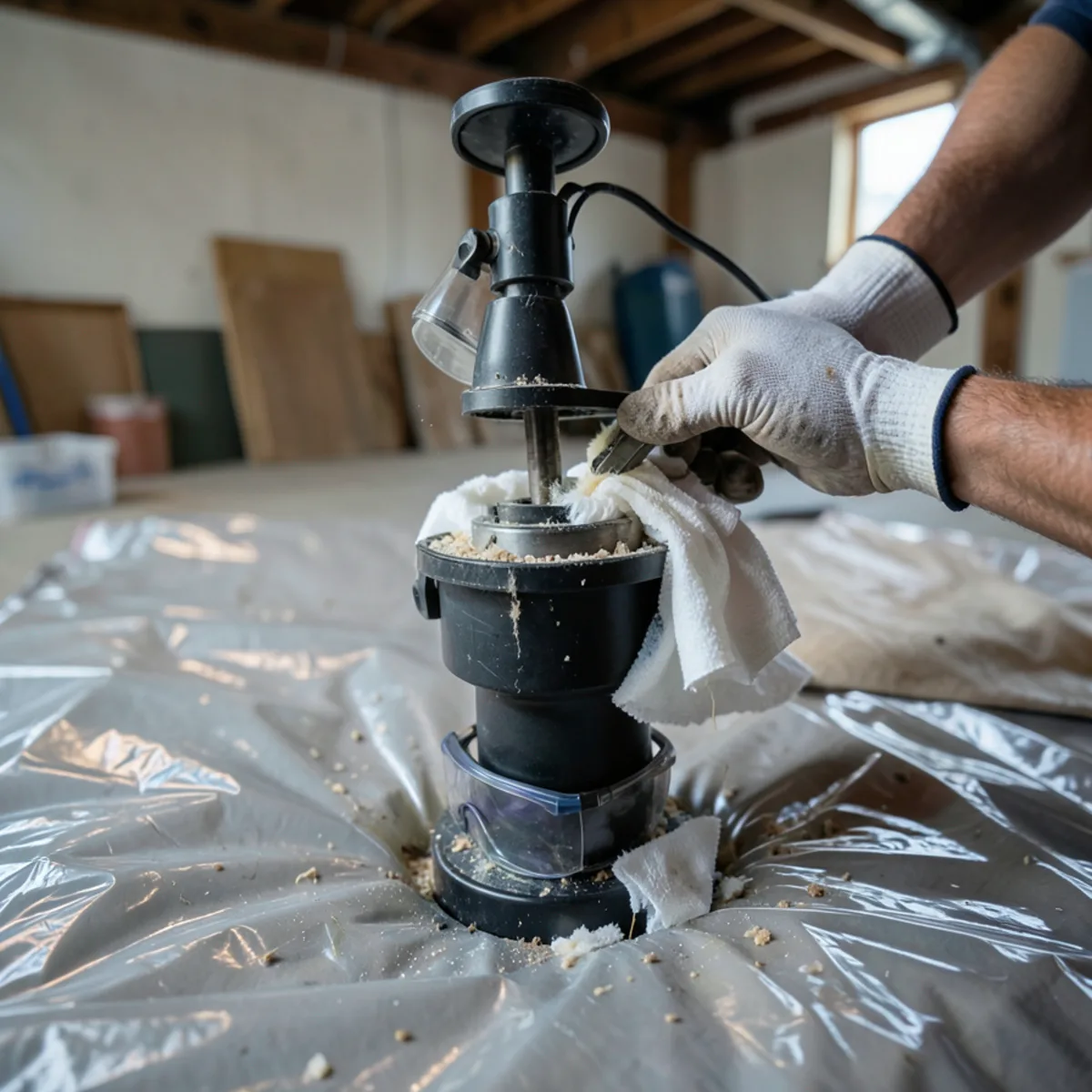
Most ejector failures we see come from what goes into the basin. Wipes, including ones sold as flushable, wrap around the impeller and stall the pump. Grease from a basement kitchenette or laundry coats the float until it sticks. Both can usually be cleared.
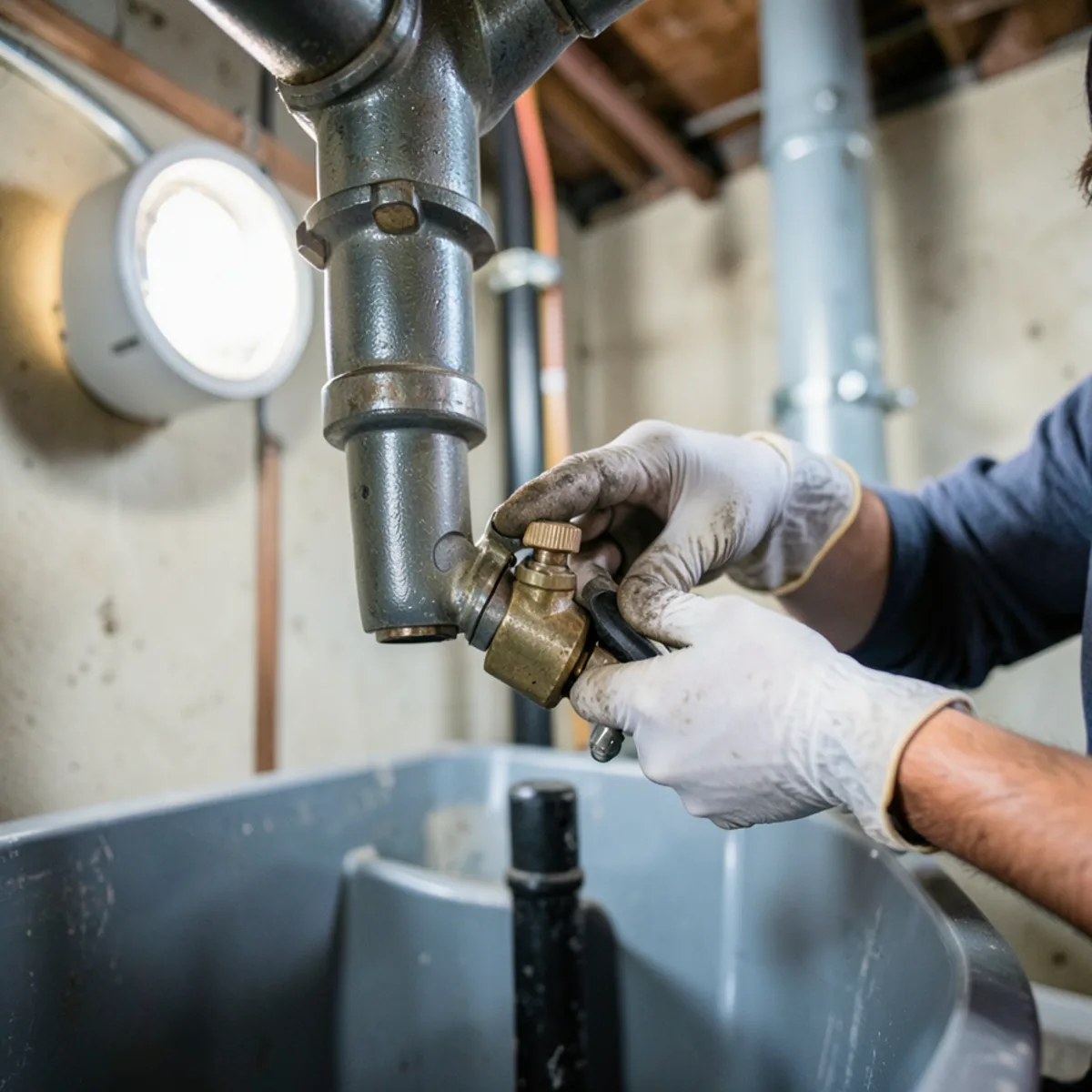
The rest are mechanical. A failed check valve lets waste fall back into the basin, so the pump runs twice as often. A blocked vent causes slow drainage, gurgling, and airlock. A worn seal around the basin cover lets sewer odor into the room. And after enough years, the motor simply wears out.
Ejector problem or a main sewer backup?
Not every basement backup is the ejector's fault. If only the downstairs fixtures are slow and the alarm is sounding, the ejector is the likely cause. If upstairs toilets and tubs are also slow or gurgling, or water is coming up through a floor drain that doesn't connect to the basin, the problem is more likely in the main sewer line leaving the house. That's a different repair, usually involving a drain cleaner and a camera inspection, and we'll tell you if that's where things point.
When the alarm itself is the problem
Occasionally the pump is fine and the alarm float is stuck in the up position, coated with grease or caught on a pipe. The basin level tells us right away: if it's low and the pump cycles normally, the alarm switch needs cleaning or replacing. A dead alarm is just as risky as a false one, so we test it on every visit.
Why this isn't a DIY job
Opening a sewage basin means handling raw waste and releasing sewer gas, which contains hydrogen sulfide and is unpleasant at best and harmful in a closed basement. We ventilate the area, wear protective gear, keep waste contained, and disinfect the work area afterward. If a basin has overflowed onto the floor, treat the area as contaminated until it's cleaned.
Never mix bleach with other cleaners while disinfecting a sewage spill; the fumes in a closed basement can be dangerous.
Repair or replace
We diagnose whether it's a float, check valve, vent, or pump-motor problem, then repair it — or replace the pump if it's reached the end of its life. Because these systems are sealed and handle sewage, doing it correctly matters for your health and your home.
Many repairs don't need a new pump. A rag jam can be cleared from the impeller, a greasy float cleaned or replaced, a check valve swapped, and a blocked vent opened. When the motor itself has failed, or the pump has been jamming repeatedly, a replacement is the more reliable fix and is usually done in the same visit.
- Repair: a rag or wipe jam on a pump that hasn't overheated
- Repair: a greasy or stuck float, a failed check valve, or a blocked vent
- Replace: a motor that hums without turning or trips its breaker
- Replace: a pump near 7 to 10 years old that has needed several repairs
- Upsize: a pump that can't keep up after new fixtures were added downstairs
Keeping an ejector pump running
Most of what keeps an ejector healthy is habit, not maintenance.
- Flush only waste and toilet paper; keep a trash can in every downstairs bathroom
- Don't pour grease or food scraps into downstairs sinks
- Test the high-level alarm a few times a year
- Have the basin pumped out and cleaned every one to three years, depending on use
- Replace the pump on your schedule when it reaches the end of its life
What a sewage pump repair costs depends on
Clearing a jam or replacing a float is a smaller job; a new check valve or vent work adds parts and time. A full pump replacement is priced by the pump's capacity and how easily the old one comes out of the basin. Basins that need pumping out and cleaning before the repair, or that are tucked behind finished walls with limited access, add time. We price the repair and any replacement option before starting.
Permits and disposal
Replacing an ejector pump or changing its vent or discharge may need a plumbing permit, depending on your city or county. Old pumps and waste-contaminated parts are bagged and disposed of properly, never left in household trash open to the air or rinsed out in a yard.
How Our Sewage Pump Repair Process Works
- 1
Stop the inflow
Pause downstairs water use so the basin doesn't overflow while we work.
- 2
Ventilate and protect
Air out the area and set up protection before the basin is opened.
- 3
Diagnose
Check the alarm, float, impeller, check valve, vent, and motor.
- 4
Clear or replace
Remove jams, clean or replace the float and check valve, or replace the pump.
- 5
Reseal the basin
Gas-tight cover and fittings reset so no odor escapes.
- 6
Test every fixture
Run the downstairs fixtures and confirm clean cycles and a working alarm.
Sewage Pump Repair: what the work looks like
Why Homeowners Choose Us for Sewage Pump Repair
Ejector repairs are messy, and they need someone who handles below-grade pumps every day. We diagnose the cause before replacing anything, because a cleared jam or a new check valve often saves the pump.
We're based in Littleton at 8 W Dry Creek Cir. Emergency help is available when an alarm is sounding, and we price repair against replacement before starting.
- Stops backups and odors before they spread
- Float, check valve, vent, and motor repair
- Replacement when the pump is done
- Proper resealing of the basin
- Local response
Services That Pair With Sewage Pump Repair
Helpful Guides & Costs
Where We Provide Sewage Pump Repair
See every community on the service areas page.
Sewage Pump Repair FAQs
The alarm signals high water in the basin — usually a pump that isn't keeping up, a stuck float, a failed check valve, or a clog. It needs prompt attention to avoid a backup. Call for service.
Often around 7 to 10 years, depending on use. If yours is older and failing, replacement is usually smarter than repeated repairs.
Yes — a failing ejector pump can back up sewage into your basement. If the alarm is sounding or fixtures are draining slowly, don't wait.
Usually, yes. Upstairs fixtures normally drain to the sewer by gravity and don't go through the basin. Anything in the basement, and sometimes the laundry, does. If you're not sure what's connected, limit water use until it's checked.
Often. A jam from wipes or debris can be cleared from the impeller, and the pump returned to service if the motor wasn't damaged. Repeated jams or a pump that overheated are reasons to replace it.
Yes. Pumping out the basin and cleaning built-up grease and solids is part of keeping an ejector reliable, and it's a good time to inspect the float, check valve, and seals.
Ejector alarm going off?
Stop using the fixtures that drain to it and call. We'll find out whether it's a clog, a float, a valve, or the pump itself.
- Safe, sealed handling of the basin
- Clog, float, valve, and pump checked
- Basin resealed and tested