
Sump Pump Service
Sewage Ejector Pump Installation
Move waste up and out from a below-grade bathroom or laundry.
If you're adding a bathroom, laundry, or wet bar below the level of your main sewer line, you need a sewage ejector pump to move waste up and out. Sewage ejector pump installation in Littleton, CO is a specialized job done in a sealed basin with proper venting. Littleton Sump Pump Pros installs ejector systems for below-grade fixtures.
It's different from a sump pump — it handles sewage and gray water, not just groundwater — so it has to be done right.
- Local Littleton Service
- Professional Installation
- Clear, Upfront Estimates
- Battery Backup Options
- Careful, Clean Workmanship
- Emergency Help Available
What a sewage ejector pump does
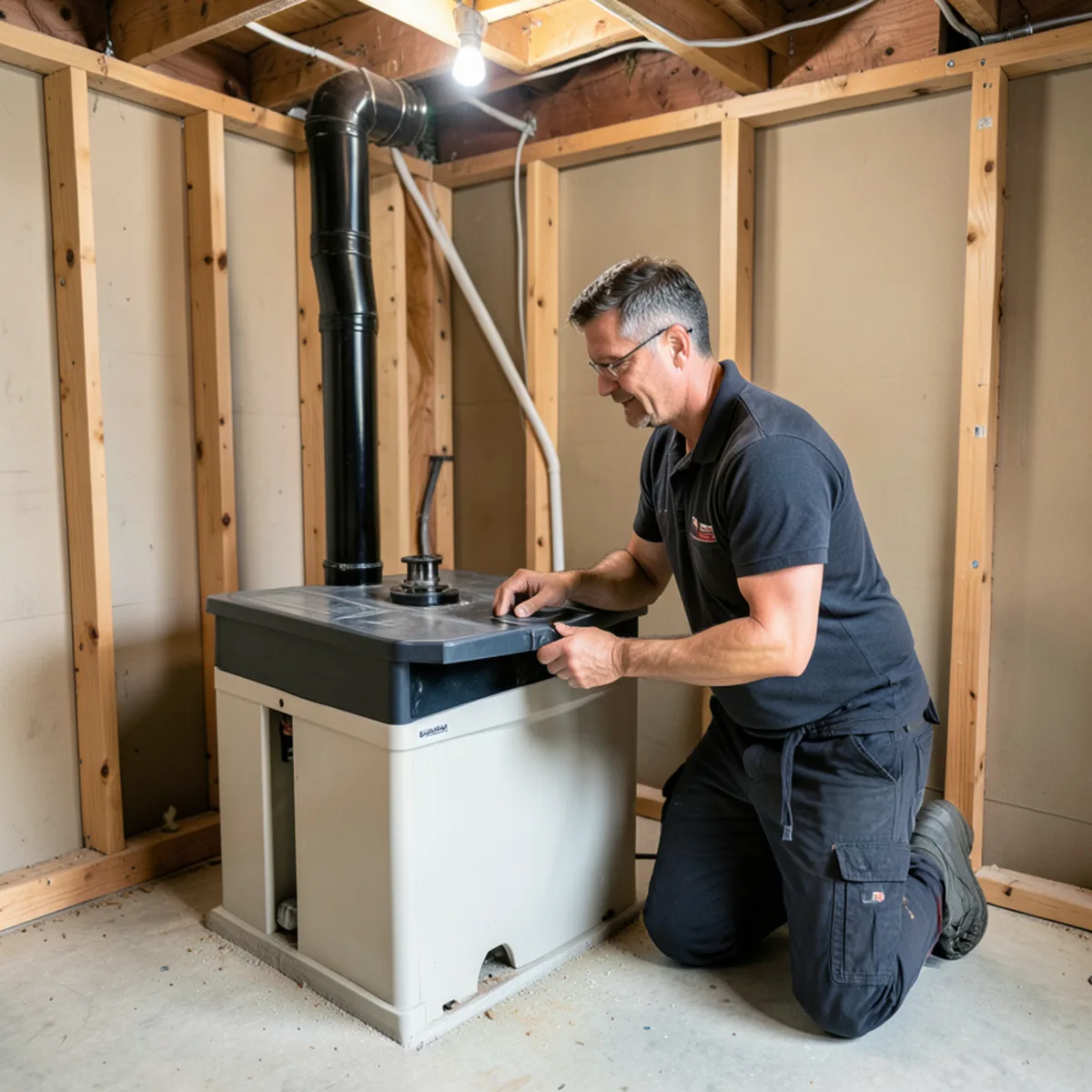
A sewage ejector pump sits in a sealed pit below your basement fixtures, collecting waste water and pumping it up to the main sewer or septic line. The sealed basin and vent keep odors and gases out of the home.
In homes on a septic system rather than city sewer, the ejector discharges into the line that leads to the septic tank. The basin and pump work the same way; the tie-in point and the venting are planned around the septic layout.
- Sealed ejector basin sized for the fixtures it serves
- Pump rated to handle solids, not just water
- Proper venting to manage gases and prevent airlock
- Check valve to stop backflow into the basin
- Discharge tied correctly into the sewer or septic line
When you need one
Any plumbing fixture below the main sewer line — a basement bathroom, laundry, or kitchenette — typically needs an ejector pump because gravity can't carry the waste up to the sewer.
Done correctly, it's reliable and out of sight. Done poorly, it's odors and backups. We install it sealed, vented, and tested.
The ejector basin collects everything from the fixtures that can't drain by gravity. When the level rises, the pump sends the waste up through a check valve into the building drain above, and the vent lets air in and gases out so the basin neither airlocks nor fills the basement with sewer smell.
Ejector basin or an upflush toilet?
Upflush or macerating toilets are a compact alternative. A small unit behind the toilet grinds waste and pumps it out through a narrow pipe, so there's no basin to set in the slab. They suit a single half-bath where breaking concrete isn't practical. The trade-offs are more noise, lower capacity, and less tolerance for anything but toilet paper. For a full bathroom, a laundry, or a space that will see heavy use, a sealed ejector basin is the sturdier choice.
Sizing the basin and pump
The basin has to hold enough volume for the fixtures it serves so the pump runs in reasonable cycles, and it must be sealed and gas-tight with connections for the inlet, the discharge, and the vent. The pump has to be rated to pass solids, which is a different design from a sump pump, and strong enough to lift waste from the basin up to the building drain.
A full bathroom plus a laundry produces bursts of water that a small basin can't buffer, so we size for the fixtures you'll actually add, including the ones planned for later.
The discharge pipe size follows the pump's outlet and the plumbing code; undersizing it to save a few dollars is a common cause of slow, noisy cycles and clogs.
Why an ejector needs a high-level alarm
An ejector failure doesn't show up as a damp floor; it shows up as sewage backing up into the basement shower or toilet. A high-level alarm in the basin sounds before that happens, giving you time to stop using the downstairs fixtures and call for service.
What to expect once it's installed
A properly installed ejector is mostly forgettable. You'll hear the pump run briefly after a shower drains or a load of laundry empties, then nothing. There should be no smell in the room. Test the alarm when you test the sump pump, keep wipes and grease out of the drains, and have the basin inspected and cleaned every so often, more often if the bathroom gets heavy use.
Planning an ejector with a basement remodel
The basin works best close to the fixtures it serves, with a short, sloped drain run from each. It needs an access panel or a lid you can reach, a dedicated protected outlet, and a vent path that can reach the existing vent stack or the roof. Settling those three things before framing avoids rerouting pipes through finished walls later.
If the basement also has a sump pit, the two stay separate. Groundwater doesn't belong in the sewage basin, and sewage never goes in the sump.
What a sewage ejector installation costs depends on
Breaking out the slab and setting the basin is the core of the job. The price grows with distance to the building drain, how far the vent has to travel, the number of fixtures tied in, and how much finished space has to be opened. Pump capacity, the alarm, and the basin size are smaller variables. We price it once the fixture layout is settled so there are no surprises when the walls are open.
Permits, venting, and inspection
In Colorado, plumbing work is regulated by the State Plumbing Board, and a new ejector system is typically installed under a plumbing permit and inspected by your city or county building department. The plumbing code sets the requirements for the vent, the check valve, and the gas-tight basin cover. Getting the vent right is the part most often missed, and it's what keeps a basement bathroom from smelling like one.
How Our Sewage Ejector Pump Installation Process Works
- 1
Lay out the fixtures
Where the toilet, shower, sink, or laundry go, and how far they are from the drain.
- 2
Size the system
Basin volume, solids-handling pump, and alarm for the fixtures served.
- 3
Plan the vent
A vent route to the existing stack or through the roof, per code.
- 4
Set the basin
Cut the slab, set the sealed basin, and run the inlet lines.
- 5
Pump, discharge, and alarm
Install the pump, check valve, discharge to the building drain, and high-level alarm.
- 6
Inspect and test
Permit inspection, then flush and run every fixture to confirm clean cycles.
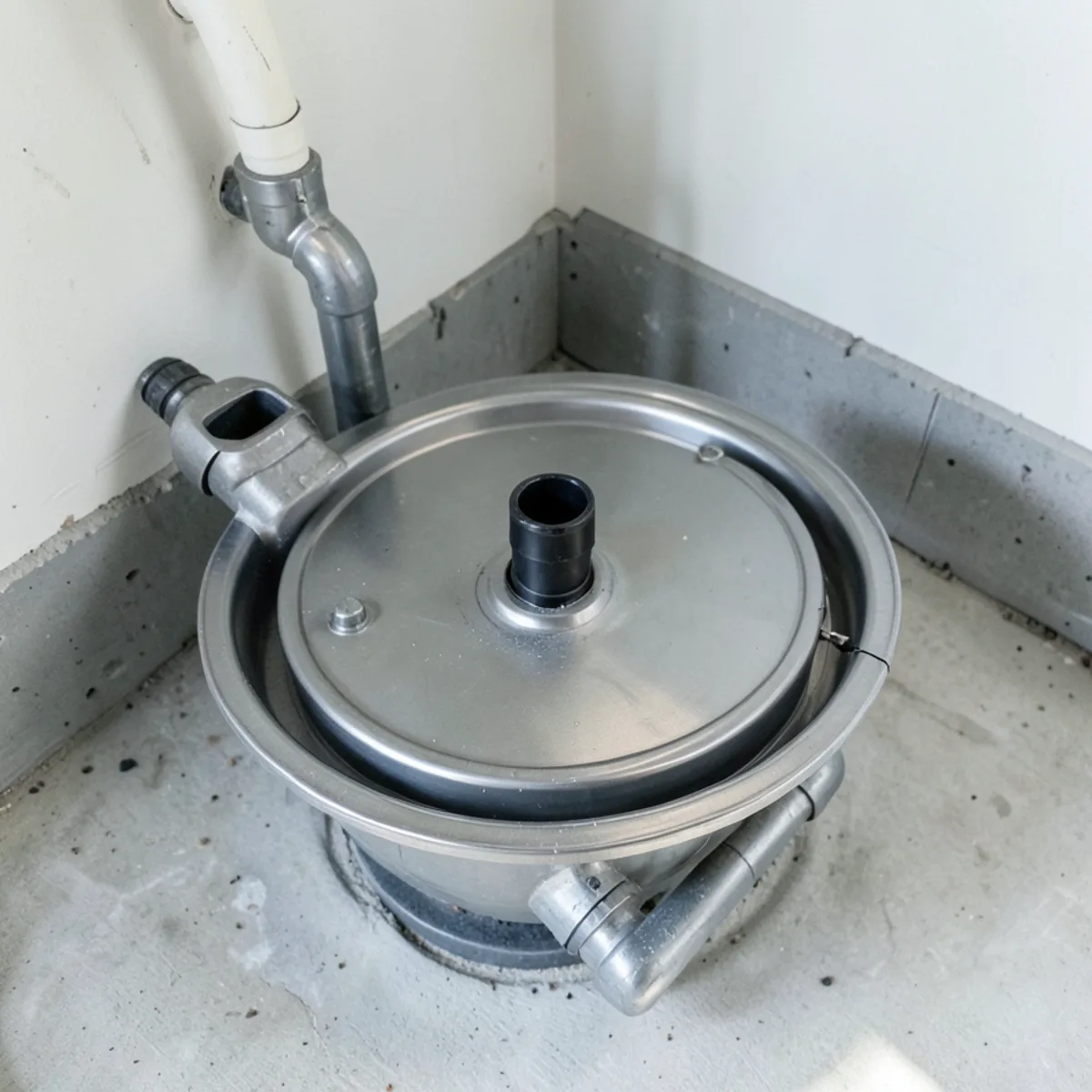
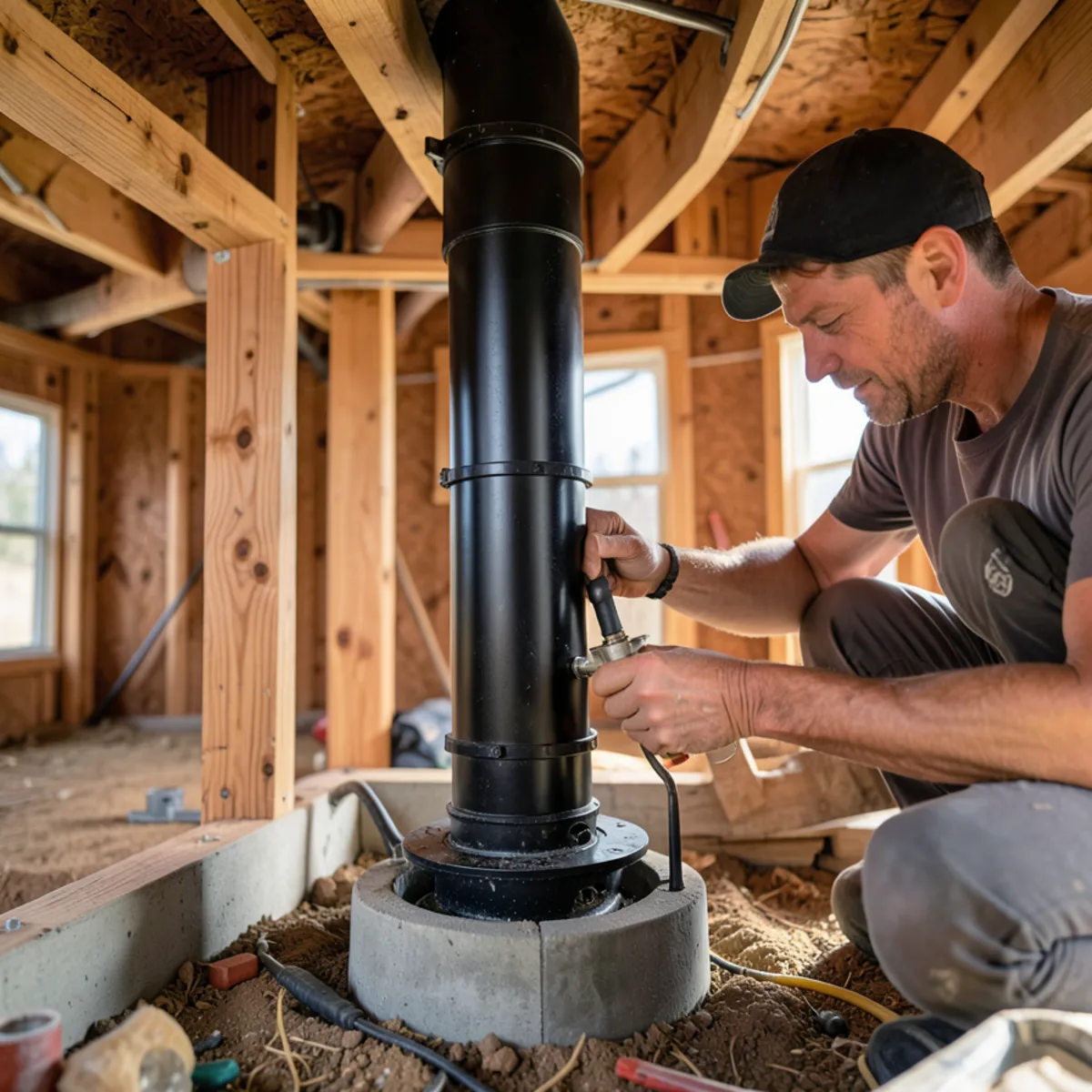
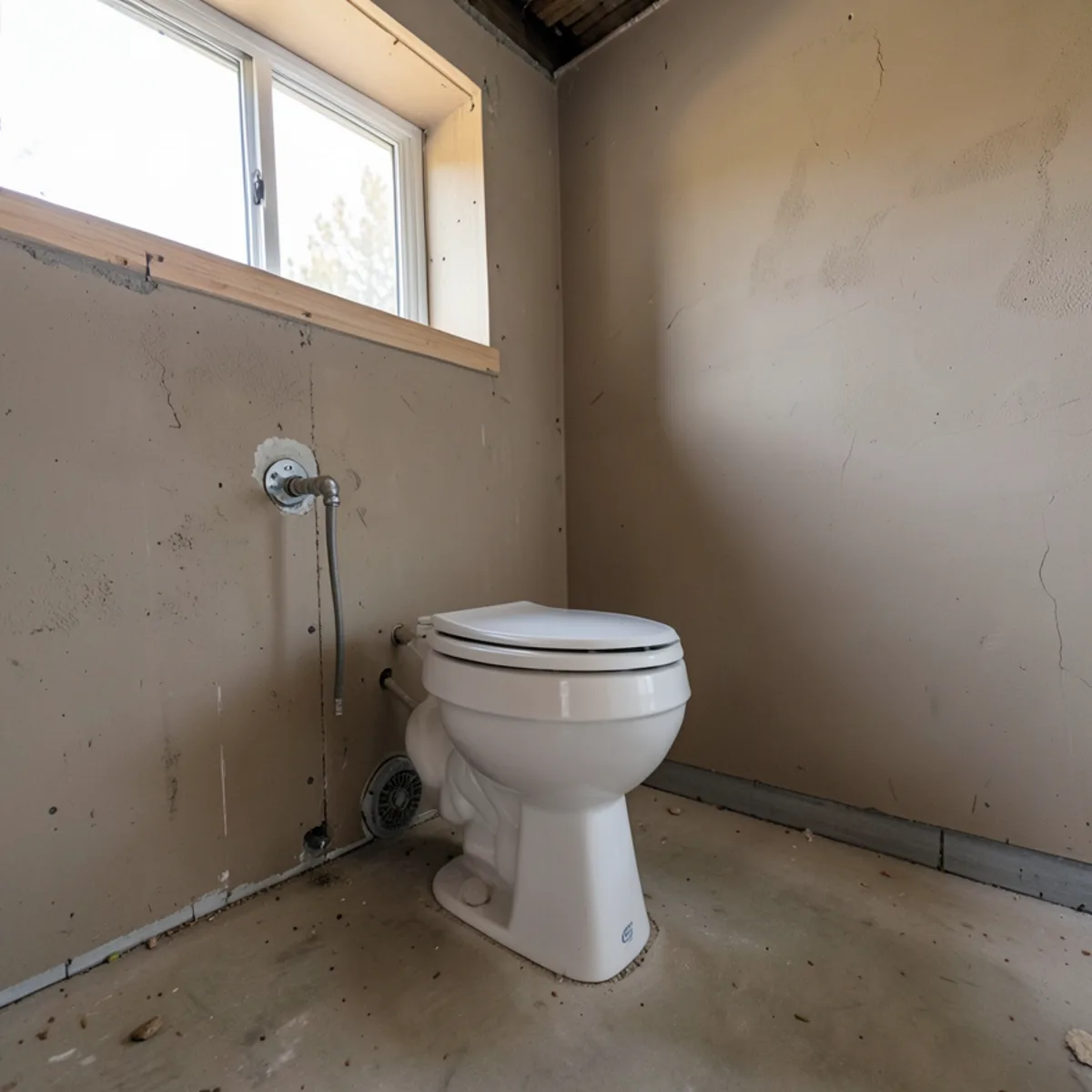
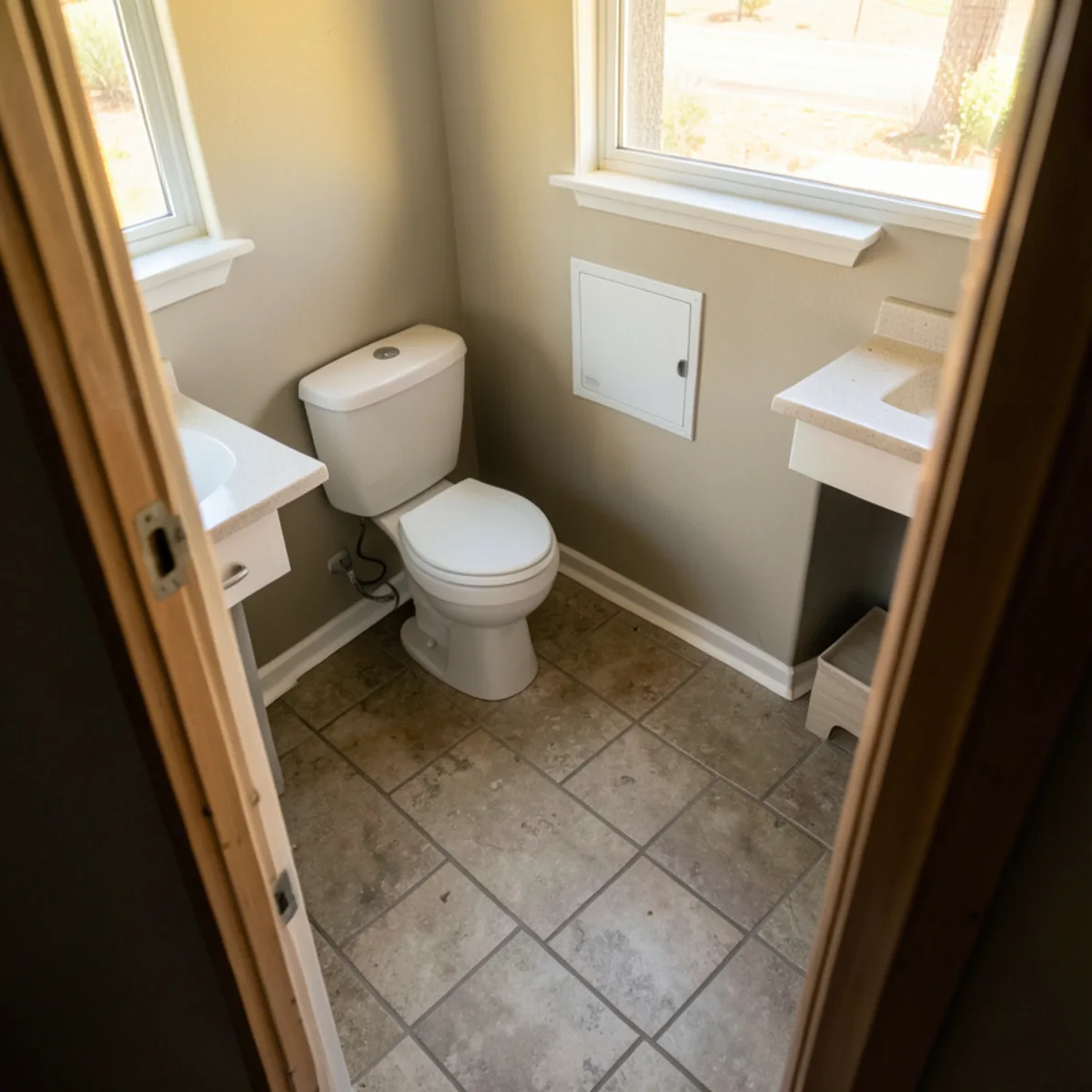
Sewage Ejector Pump Installation: what the work looks like
Why Homeowners Choose Us for Sewage Ejector Pump Installation
Below-grade pumping is our specialty, and an ejector is the sump pump's cousin with stricter rules. We plan the basin, the vent, and the alarm together so a new basement bathroom works like the ones upstairs.
We're based in Littleton at 8 W Dry Creek Cir and schedule ejector installs by appointment, coordinated with your remodel and the permit inspection.
- Makes a below-grade bathroom or laundry possible
- Sealed basin and venting to keep odors out
- Pump rated for solids, not just water
- Correct tie-in to sewer or septic
- Clean, code-conscious installation
Services That Pair With Sewage Ejector Pump Installation
Guides on Sewage Ejector Pump Installation
Helpful Guides & Costs
Where We Provide Sewage Ejector Pump Installation
See every community on the service areas page.
Sewage Ejector Pump Installation FAQs
A sump pump moves groundwater out of a pit to keep the basement dry. A sewage ejector pump moves waste and gray water from below-grade fixtures up to the sewer line, in a sealed, vented basin. They're different jobs with different equipment.
If the bathroom is below the main sewer line — which most basement bathrooms are — then yes. Gravity can't carry the waste up, so an ejector pump does the work.
Usually a venting issue, a failing seal, or a check valve problem. A properly sealed and vented basin shouldn't release odor. We can diagnose and correct it.
For a single half-bath, often yes. Macerating toilets avoid cutting the slab but are noisier and less forgiving. A full bathroom, a laundry, or heavy use is better served by a sealed ejector basin and pump.
Many homes do well with an inspection every year or two and a basin cleaning every one to three years, depending on use. Test the high-level alarm whenever you test your sump pump.
Only human waste and toilet paper. Wipes, even ones labeled flushable, paper towels, grease, and feminine products are the most common causes of jammed ejector pumps and early failures.
Adding a basement bathroom?
Fixtures below the sewer line need an ejector pump. We'll plan the basin, venting, and discharge with your remodel.
- Sealed, vented basin
- Discharge and check valve sized for waste
- Access planned for future service