Submersible vs Pedestal Sump Pump: Which Is Better?
You are standing in the basement aisle, or scrolling a product page, and there are two very different-looking pumps. One sits down in the pit. One stands up out of it on a pole. Both claim to keep your basement dry.
Pick wrong and you live with the consequences for years. A pump that is too loud for a finished basement. A motor that wears out early because it was the wrong fit for your pit. A unit that cannot handle the inflow when Littleton's clay soil keeps feeding the basin after a storm.
The choice is not complicated once you understand the trade-offs. This guide compares submersible and pedestal sump pumps head to head, covers where each one shines, and helps you match the right pump to your basement and your budget.
- Local Littleton Service
- Professional Installation
- Clear, Upfront Estimates
- Battery Backup Options
- Careful, Clean Workmanship
- Emergency Help Available
The Core Difference
It comes down to where the motor lives.
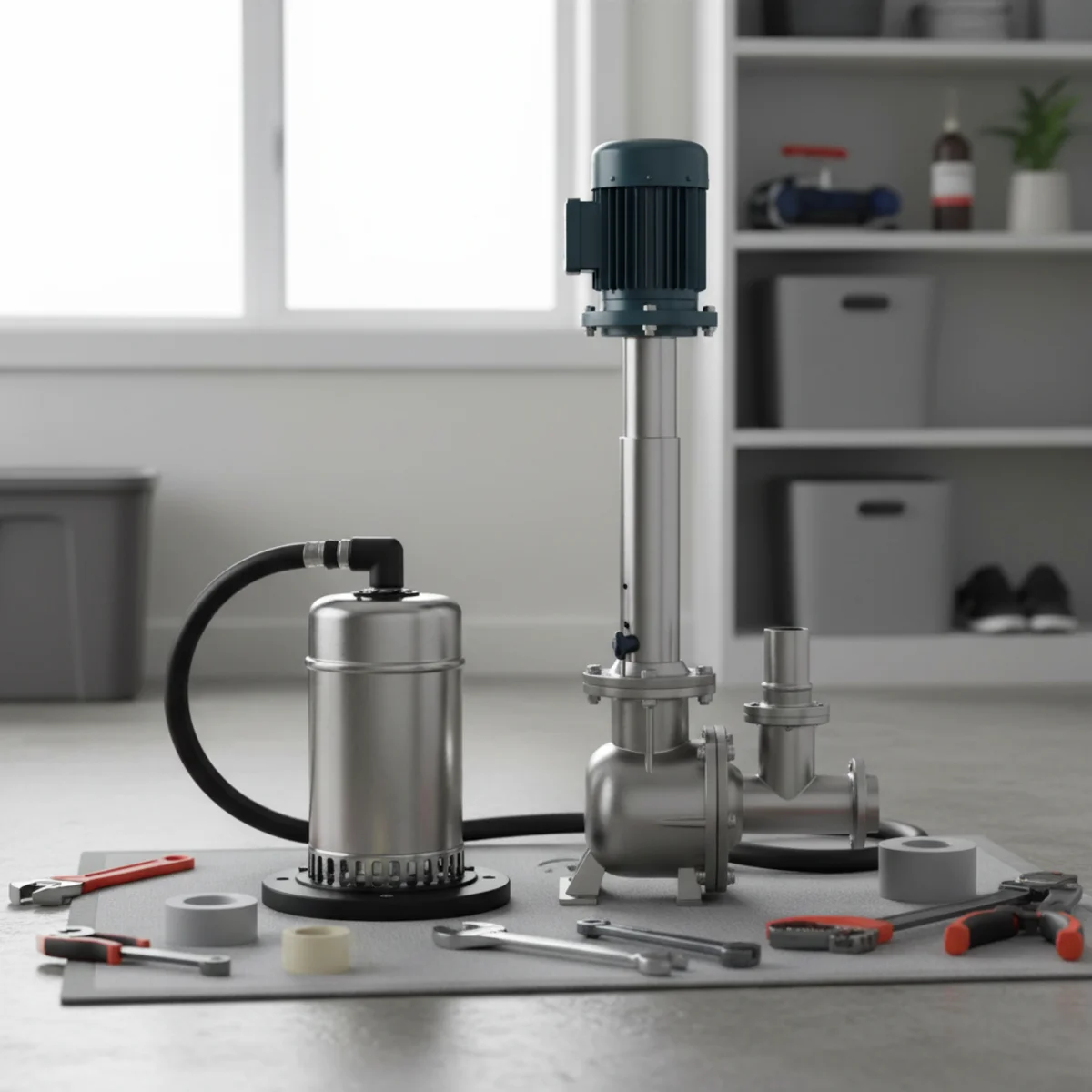
A submersible sump pump sits down inside the sump basin, fully sealed, and operates underwater. The motor and the pumping mechanism are one sealed unit at the bottom of the pit. A pedestal sump pump keeps its motor up on a column above the pit, with only the intake down in the water. The motor never gets wet.
Both move water the same basic way. A float switch senses the rising water, the motor spins an impeller, and the water gets pushed up and out through a discharge line and a check valve. The difference is purely in where the working parts sit relative to the water, but that placement changes the experience of living with the pump in real ways.
That one design difference drives almost everything else: how loud they are, how long they last, how much they cost, and how much pit space they need. If you want a refresher on the basics, our overview of how a sump pump works pairs well with this comparison.
Submersible vs Pedestal: Side by Side
Here is the honest, no-spin comparison. Neither pump is universally better. Each wins in different situations.
Read this with your own basement in mind, finished or unfinished, big pit or small, tight budget or long-term value.
- Noise: submersible runs quietly underwater; pedestal is noticeably louder, with the motor in open air
- Lifespan: pedestal motors often last longer because they stay cool and dry; submersibles work harder in tougher conditions
- Up-front cost: pedestal pumps are generally cheaper to buy; submersibles cost more
- Pit size: submersibles need a wider basin; pedestals fit narrow pits
- Capacity: submersibles typically move more water and handle solids better
- Servicing: pedestal motors are easy to reach above the pit; submersibles must be lifted out
- Finished basements: submersibles are the usual pick because they are quiet and can sit under a sealed basin lid
When a Submersible Makes Sense
Choose a submersible if quiet operation and pumping power matter to you. Because the motor runs underwater, you barely hear it, which is a big deal in a finished basement where the pit might be feet from a living space.
Submersibles also handle higher water volumes and a bit of debris better, which fits Littleton conditions where clay-heavy soil keeps water flowing into the pit during spring snowmelt and after summer storms. If your pump runs often and hard, a submersible is built for that workload.
They also sit fully inside the basin, so a sealed basin lid fits cleanly on top. That helps with humidity control and, in some homes, ties into radon mitigation. The trade-off is a higher price and the need for a wider pit.
When a Pedestal Makes Sense
Choose a pedestal if budget is tight, your pit is narrow, or easy servicing matters more than silence. The motor sits high and dry, which keeps it cool and often means a longer life with simpler repairs, since you can reach the motor without hauling the pump out of the water.
Pedestals shine in unfinished basements, crawl spaces with small pits, and storage areas where noise is not a concern. If nobody is sleeping or watching TV near the pump, the extra hum does not matter.
The honest downsides: they are louder, they generally move less water, and the exposed motor is more visible. For a utility space that floods only occasionally, none of that may bother you.
Matching the Pump to Your Basement
The right answer is rarely about the pump in the abstract. It is about your basement and how it gets used.
Start with the space. A finished basement, a home office downstairs, or a guest room near the pit pushes you toward a quiet submersible. An unfinished utility room or a storage crawl space leaves the door open to a more affordable pedestal. Then look at the pit itself: a narrow existing basin may not physically fit a submersible without enlarging it, while a wide pit accommodates either.
Next, think about how hard the pump will work. If your basement floods rarely and the pit cycles a few times a season, almost anything reasonable will do. If clay-heavy soil and snowmelt keep the pit running for days at a stretch, lean toward the higher-capacity submersible and a durable housing, because run time is what wears pumps out.
Finally, weigh how you feel about future maintenance. If you want repairs to be simple, a pedestal's exposed motor is easy to reach. If you would rather set it and forget it under a sealed lid, the submersible fits that preference.
Do Not Forget the Housing Material
There is a second decision hiding inside the first: what the pump is made of. This matters as much as the submersible-versus-pedestal question in our area.
Littleton's water tends to be mineral-rich, and that takes a toll on pump components over time. Cast-iron housings dissipate heat well and generally outlast thermoplastic in hard water, which is why many local installs lean toward cast iron for a pump expected to run hard. Thermoplastic costs less and resists corrosion, and it can be a fine fit for lighter duty.
So the real choice is two questions, not one: submersible or pedestal, and cast iron or thermoplastic. A local pro can match both to how your basement actually behaves.
We install submersible and pedestal options, in cast iron or thermoplastic, and can recommend the right fit for your pit and budget. Call (207) 419-2600, and emergency sump pump help is available if your current pump just gave out.
Frequently Asked Questions
Keep Reading
 Sump Pump Basics
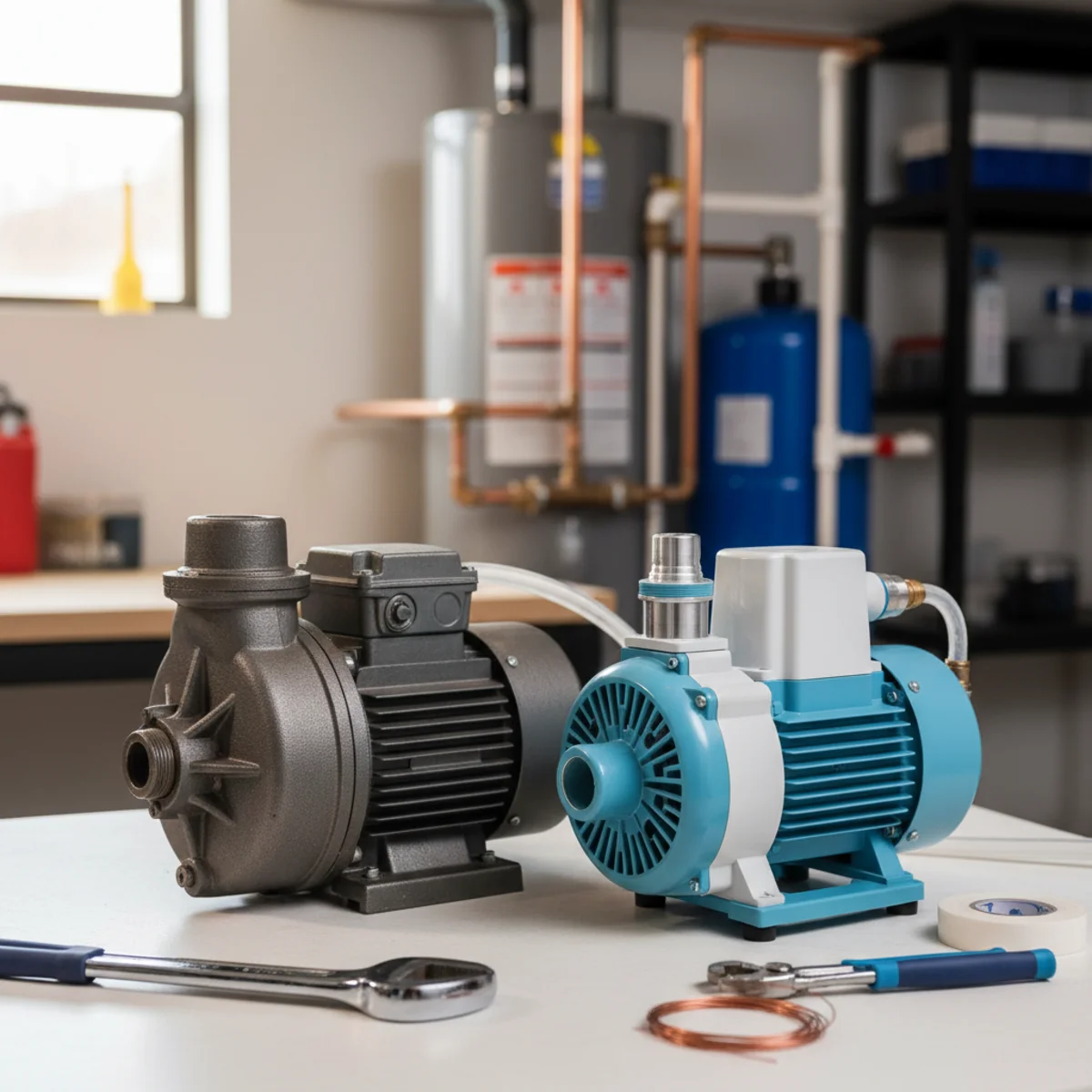
Cast Iron vs Plastic Sump Pumps
Cast iron sump pumps cost more up front but tend to outlast plastic in mineral-rich water. Here is how the two compare for Littleton basements.
 Sump Pump Basics
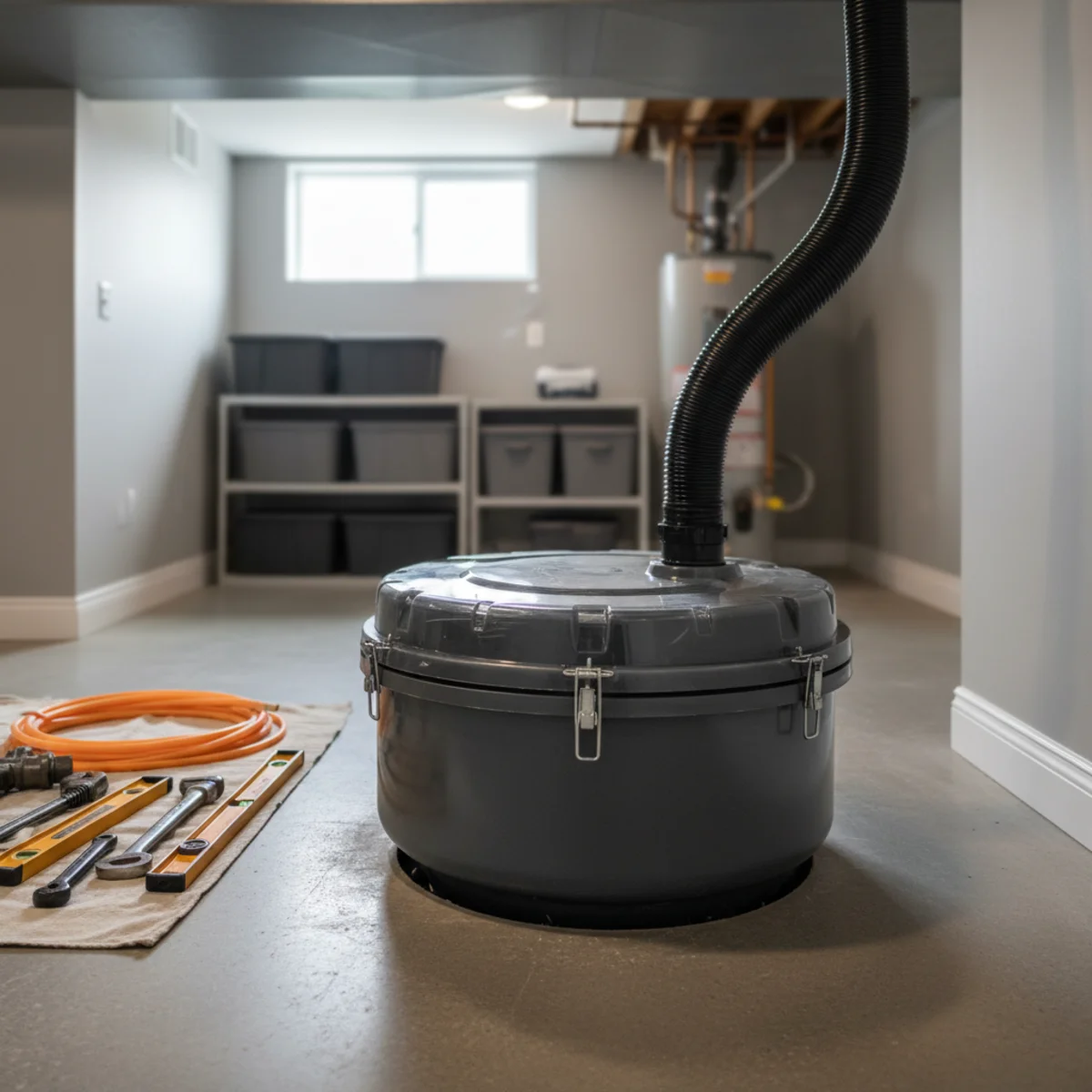
Best Sump Pump Setup for a Finished Basement
A finished basement raises the cost of a failure. Here's the pump, basin, and backup setup that actually protects drywall, flooring, and everything you store down there.
 Sump Pump Basics
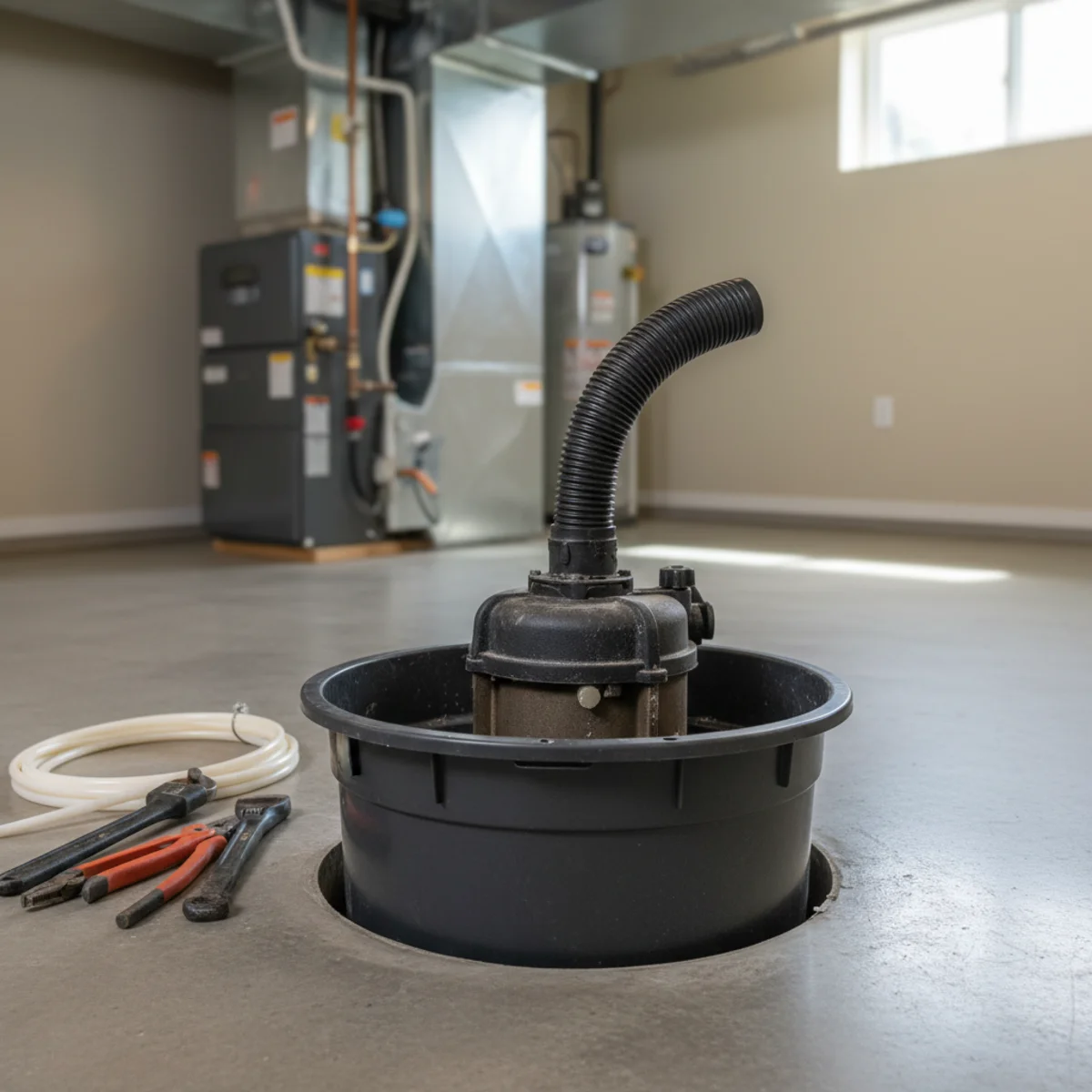
How Long Does a Sump Pump Last?
Most sump pumps last about a decade, but Littleton conditions can shorten that. Learn the real lifespan, what wears a pump out, and the signs it is time to replace.
Protect Your Basement Before the Next Storm
Get professional sump pump help from a local Littleton specialist. Clear, upfront estimates and careful, clean workmanship.
Available by appointment. Emergency sump pump help available.